



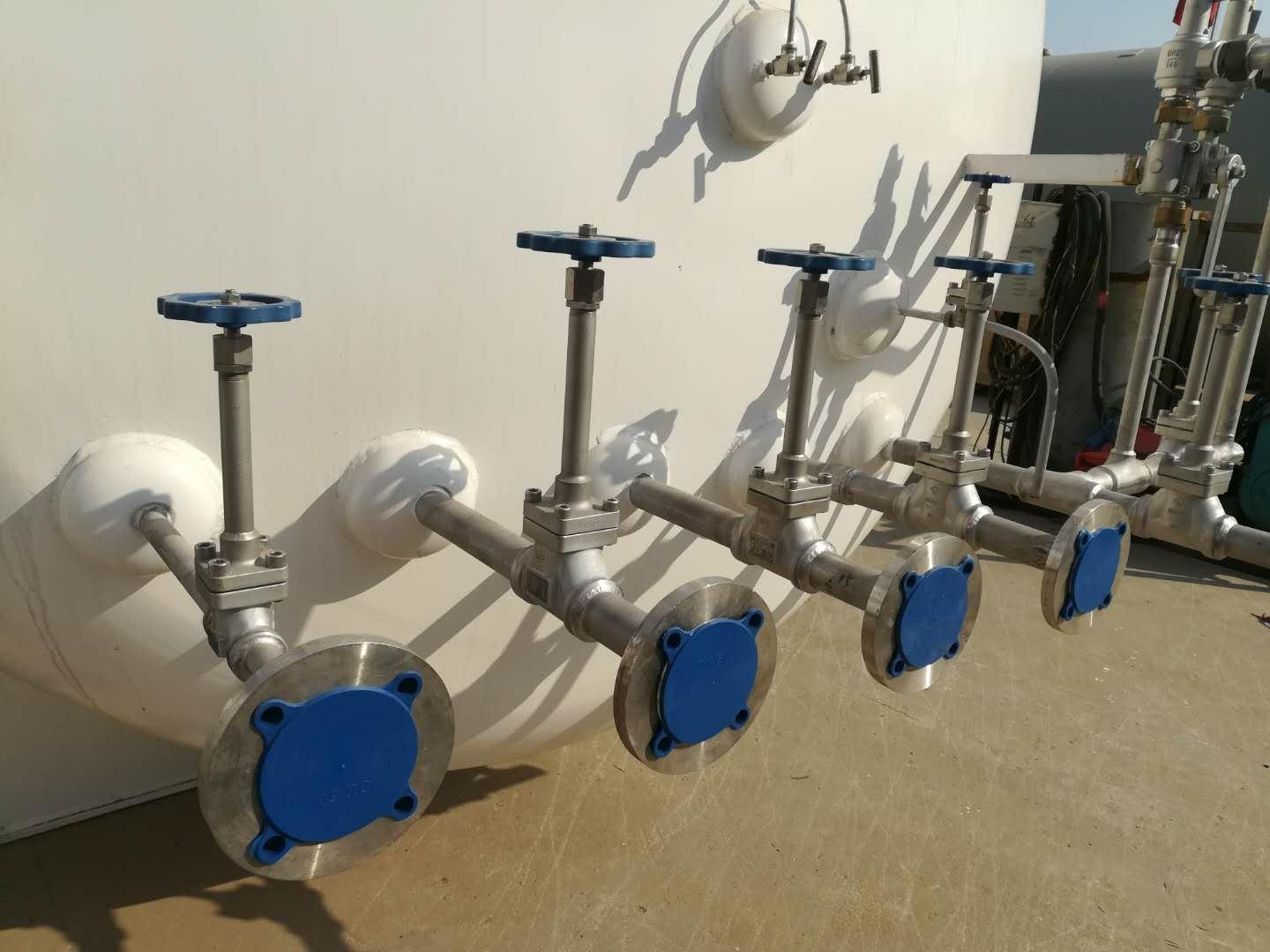

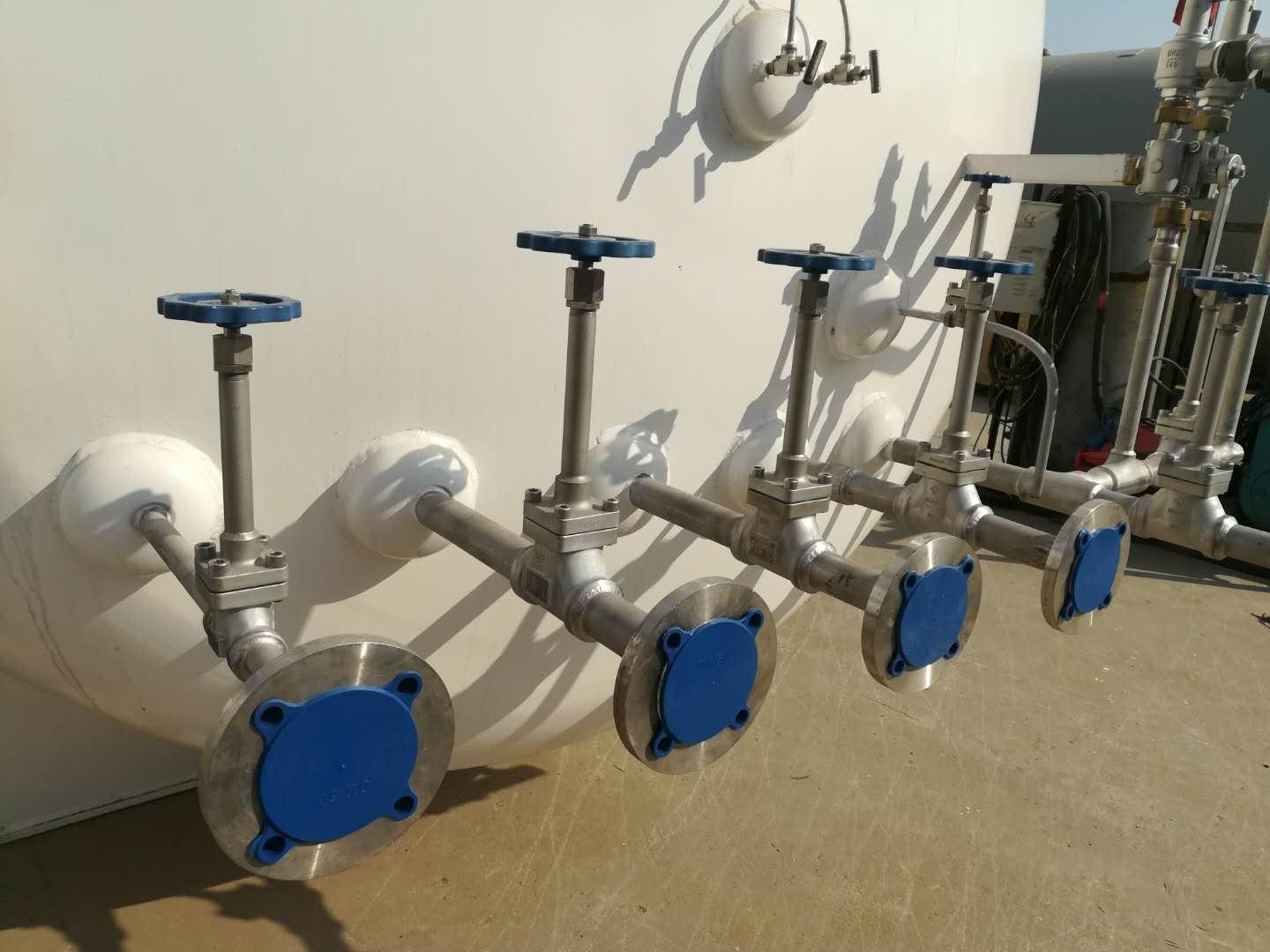
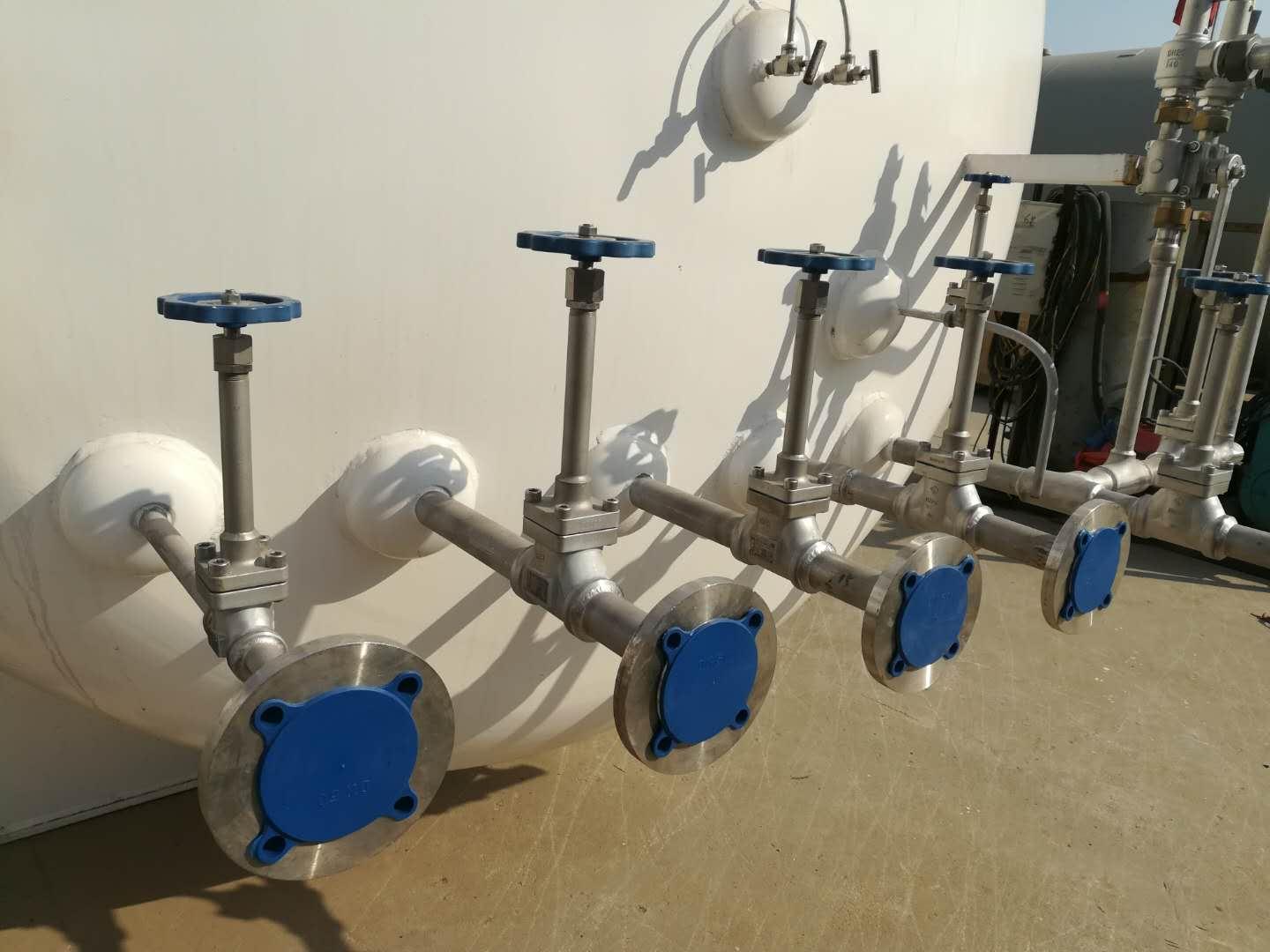


















More and more businesses require the use ofLiquefied Gas Storage TankSteel storage tanks are specialized equipment for storing various liquids or gaseous raw materials. Many businesses cannot operate normally without storage tanks for energy, especially when stockpiling various supplies. Various types and capacities of storage containers are indispensable. Most oil storage facilities are above ground, with a significant number being metallic structures.Liquefied Gas TankThe applications are extensive; such containers are required by various enterprises. Oil storage tanks, as storage equipment for oil and gas pipelines, are used as containers for the transportation of oil and gas. The storage tanks used at the first station of oil pipeline transportation are designed for storing oil and ensuring a stable oil supply volume. The storage tanks used at the terminal stations are primarily for receiving and storing oil. Oil is supplied to the users through these tanks. The majority of plastic storage tanks require molding processes, during which the molds are under high pressure. Widely used compression molding techniques are employed, with extrusion and injection molding to create storage equipment. Large components produced using molding processes must withstand significant pressure, necessitating particularly robust design and manufacturing of molding equipment, which is challenging and increases costs. Corrosion resistanceLiquefied Gas Storage TankUtilizing rotational molding technology, these tanks demand high structural integrity from the frame. The frame must be strong enough to support the material, the mold, and its own weight to prevent leakage. Even for large or extra-large plastic storage tanks, manufacturing corrosion-resistant tanks does not require heavy equipment or molds. The machining and manufacturing process is particularly convenient, with low production costs and a short cycle time.
Liquefied Gas Storage TankThe application is very extensive; the placement of these containers is crucial. When placing these containers, many aspects need to be considered. Failure to securely place these chemical storage containers can be highly hazardous, leading to chemical spills and severe corrosion of the containers, causing various issues. When storing chemical items, the following must be noted by users:
Ensure safe placement; do not affect nearby residents and businesses.Liquefied Gas Storage TankThe location of the storage must be carefully selected, involving risk analysis and quantitative assessment. When placing containers for storing chemical items, it is crucial to ensure that no severe impact is caused to surrounding residents or businesses, nor should it disrupt the daily lives of residents. The placement of the containers must maintain a certain distance from residential areas to ensure they are not within the affected range before proceeding with the placement. 2. Ensure compliance with meteorological and geological conditions when placing the containers.Liquefied Gas Storage TankMust meet local meteorological conditions requirements, geological conditions requirements, be mindful of thunderstorm season safety issues, and consider whether the area is prone to severe seismic disasters. In placingLiquefied Gas Storage TankAt that time, safety must always be the top consideration when storing chemical goods. With increasingly limited land resources, and the storage of chemical storage equipment on the ground occupying a significant amount of land, it is a great choice for users to opt for underground placement of tanks to store chemical goods. Placing tanks underground not only saves land resources but also avoids environmental pollution issues, offering numerous advantages.


专业生产液化气储罐价格-销售液化气储罐厂家-专业生产液化气储罐生产厂家-专业制造液化气储罐出售



















