























Heze Boiler FactoryLimited Company
Equipment Name: Natural Gas Storage Tank - Liquefied Natural Gas Storage Tank - Natural Gas Storage Tank (Function Description)
Contact Information: ForManager
Manufacturer:Heze Boiler FactoryLimited Company
This article analyzes the hazardous characteristics of low-temperature liquids and, in conjunction with various gas supply modes for low-temperature storage tanks, briefly outlines their basic requirements and key safety usage points.
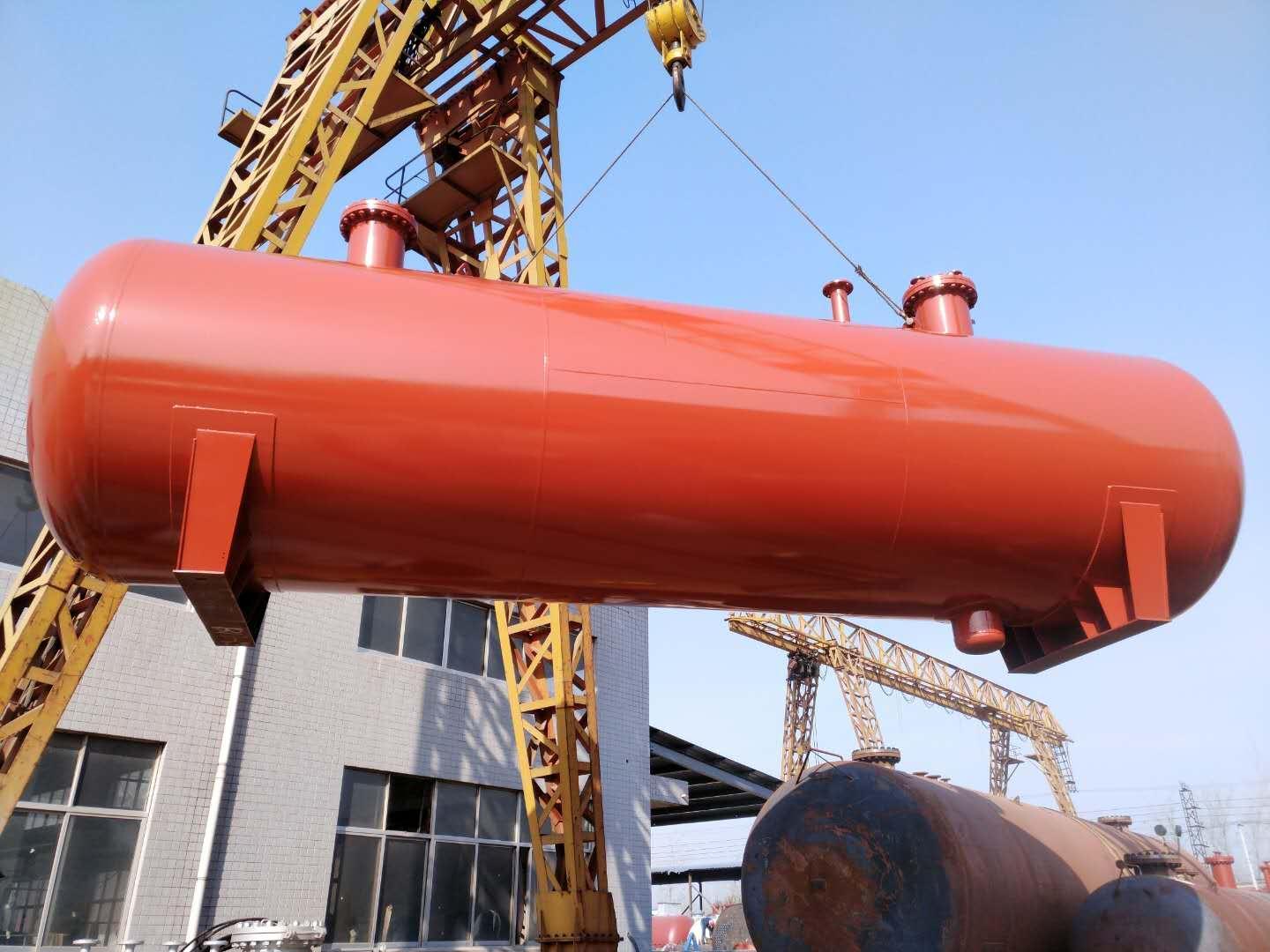
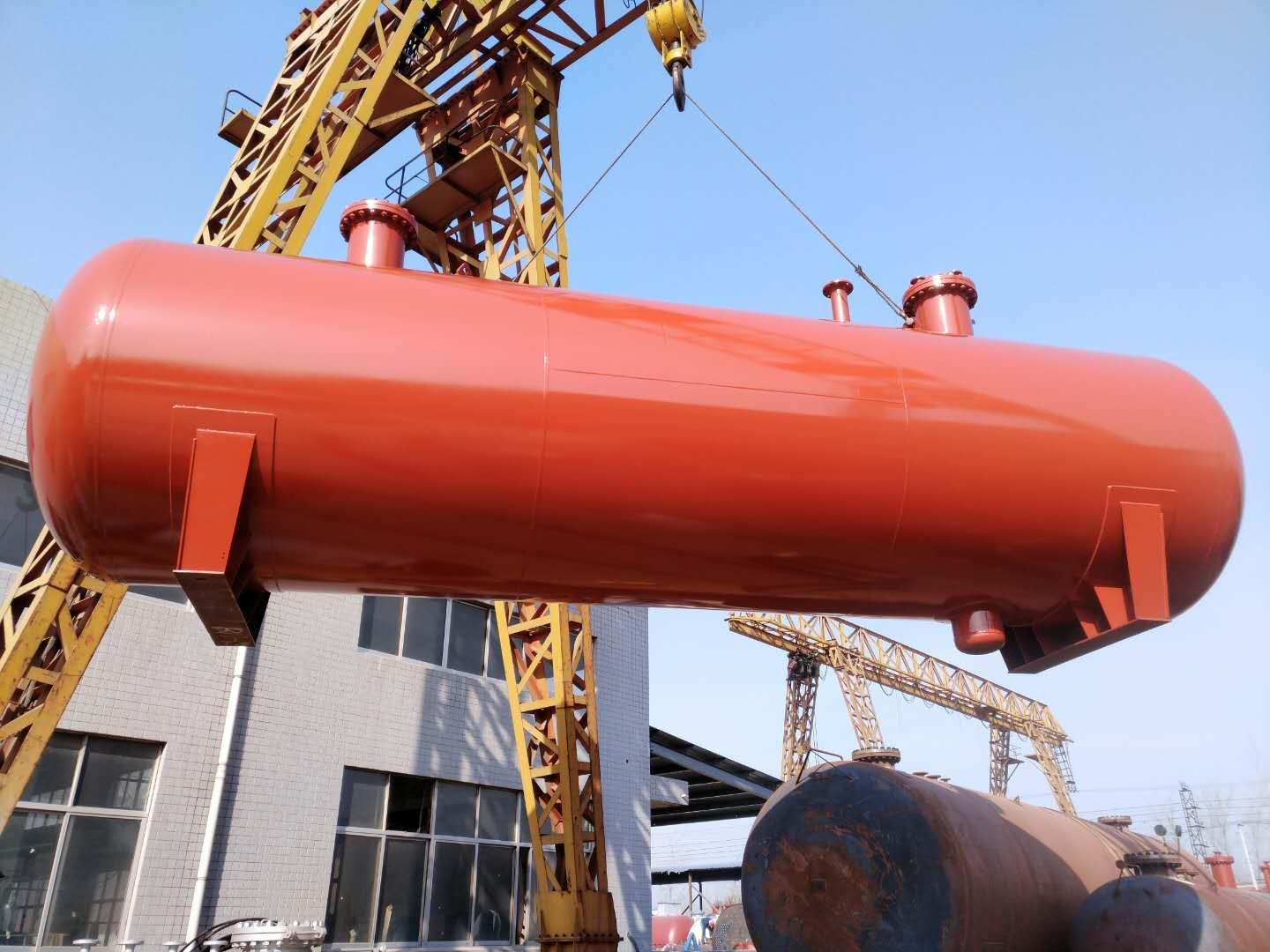
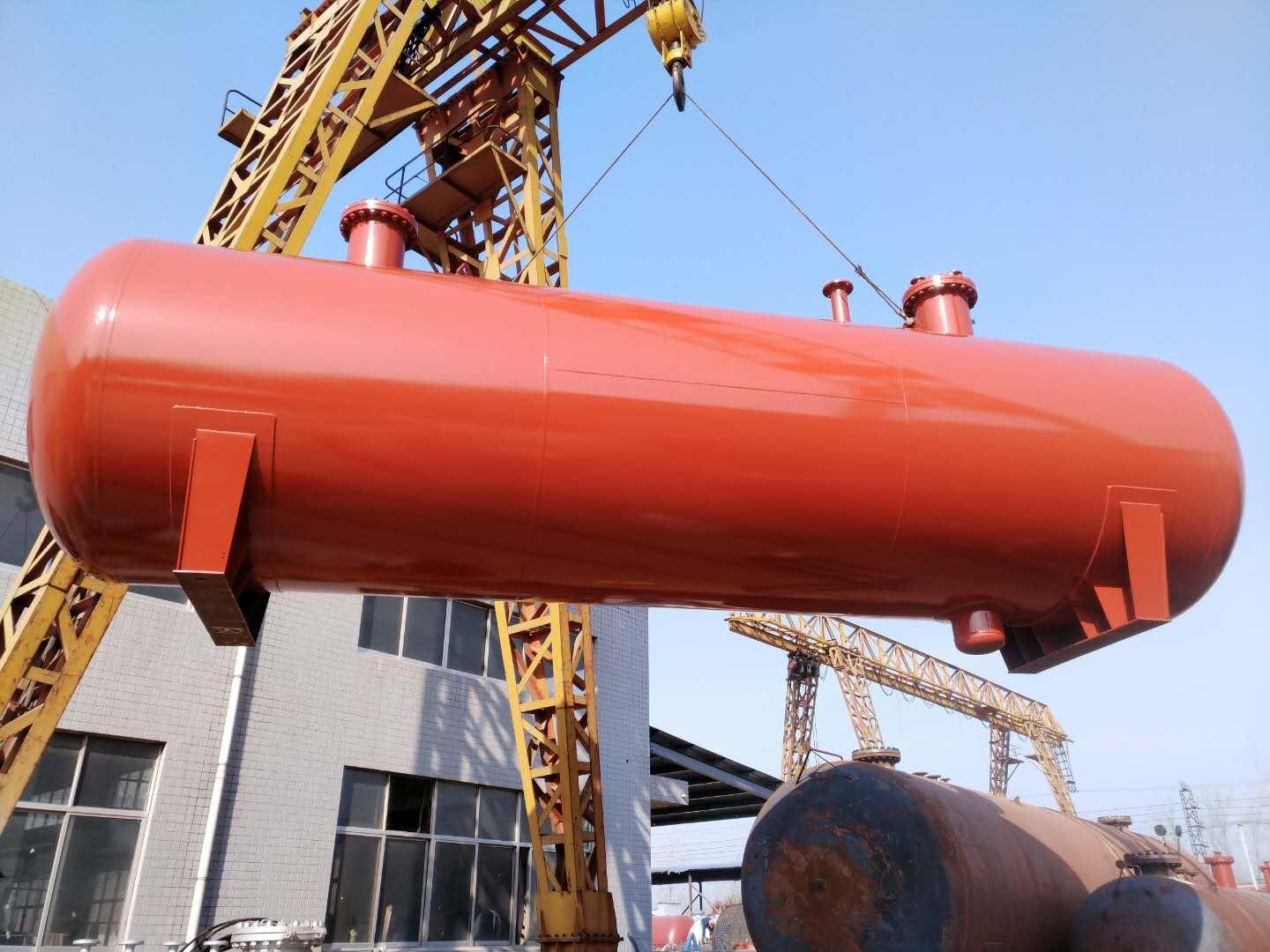
An LNG tank is a jacketed vacuum powder-insulated pressure vessel specifically designed for storing and supplying low-temperature liquefied gases (such as liquid nitrogen, liquid oxygen, liquid argon, liquid carbon dioxide, etc.). It is widely used in industrial production and daily life.
1. Analysis of Low-Temperature Liquid Hazardous Characteristics
Low-temperature liquids possess hazardous characteristics such as low boiling points, high expansibility, strong asphyxiating properties, and strong oxidizing properties.
1.1 Boiling points of low-temperature liquids at a pressure of 101.3 KPa: Liquid nitrogen at -196°C, liquid oxygen at -183°C, and liquid argon at -186°C. Contact with the human body can cause severe frostbite to the skin and eyes. In cases of minor leakage of low-temperature liquids or internal leakage in valves and pipes, they absorb heat from the surrounding environment, causing rapid condensation and frost formation at the leakage point, which can lead to freezing in severe cases.
Low-temperature Storage Tank
1.2 Low-temperature liquids absorb energy from the surrounding environment due to high heat or large leaks, causing their volume to expand as they rapidly vaporize. At 0°C and a pressure of 101.3 KPa, the volume of gas resulting from the vaporization of 1L of low-temperature liquid is: nitrogen at 674L, oxygen at 800L, and argon at 780L. Inside sealed containers or pipelines, the increase in internal pressure due to the vaporization of low-temperature liquids can easily lead to overpressure explosions.
1.3 In the surrounding environment of low-temperature storage tanks, after the low-temperature liquid leaks and vaporizes, it is prone to form a rich gas area. If the concentrations of nitrogen, argon, or carbon dioxide are high, asphyxiation injuries can easily occur. Additionally, oxygen-rich injuries can also occur when the oxygen concentration is high.
1.4 Oxygen is a powerful oxidizing agent with extremely high oxidizing properties. Liquid oxygen, when in close proximity to combustible materials, can easily ignite upon contact with an open flame; contact with combustible materials can easily lead to explosion due to vibration or impact; mixing with combustible materials poses a potential explosive hazard. Liquid oxygen can adhere to clothing and fabrics, and upon ignition, can cause a flash fire, posing a risk to personal safety.
2. Low-Temperature Storage Tank Gas Supply Mode and Basic Requirements
The gas supply mode of low-temperature storage tanks mainly varies depending on the application and user requirements.
Available services include high-pressure cylinder refilling, low-temperature insulated cylinder packaging, centralized gas supply through pipelines, and low-temperature liquid spray feeding.


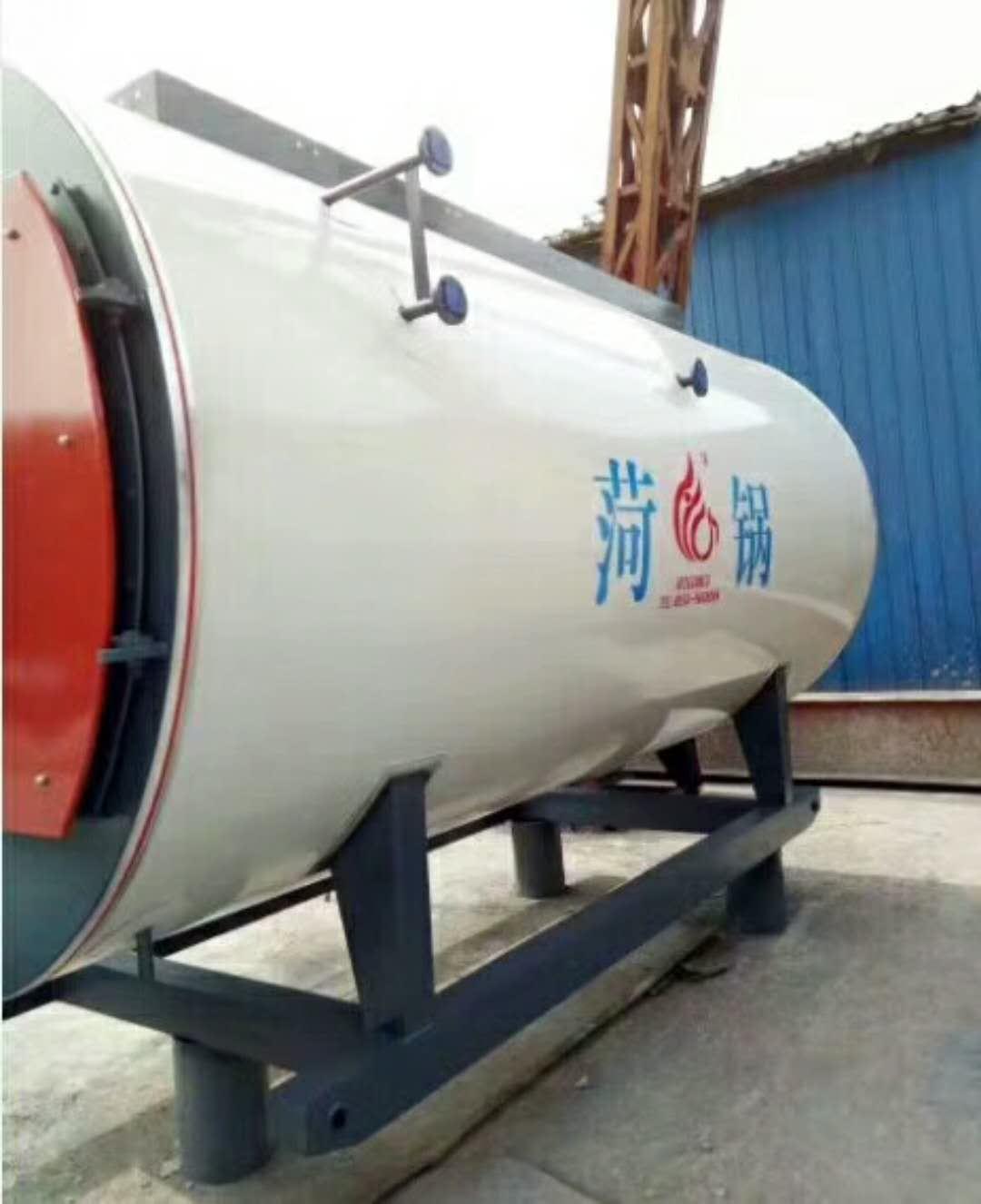
Supply LNG Tank Brands - How much for a high-quality LNG tank - Where to find wholesale LNG tank prices - LNG tank price availability



















