


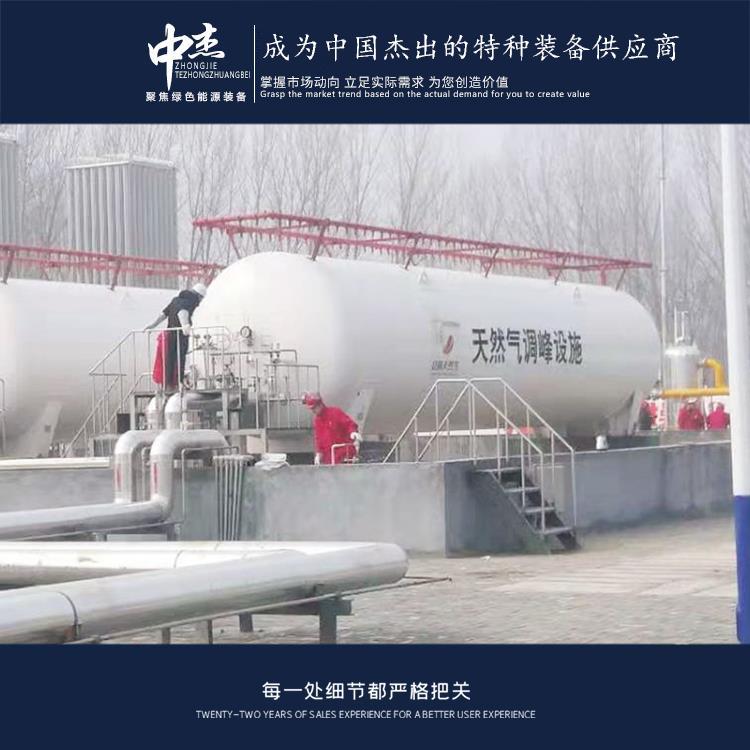

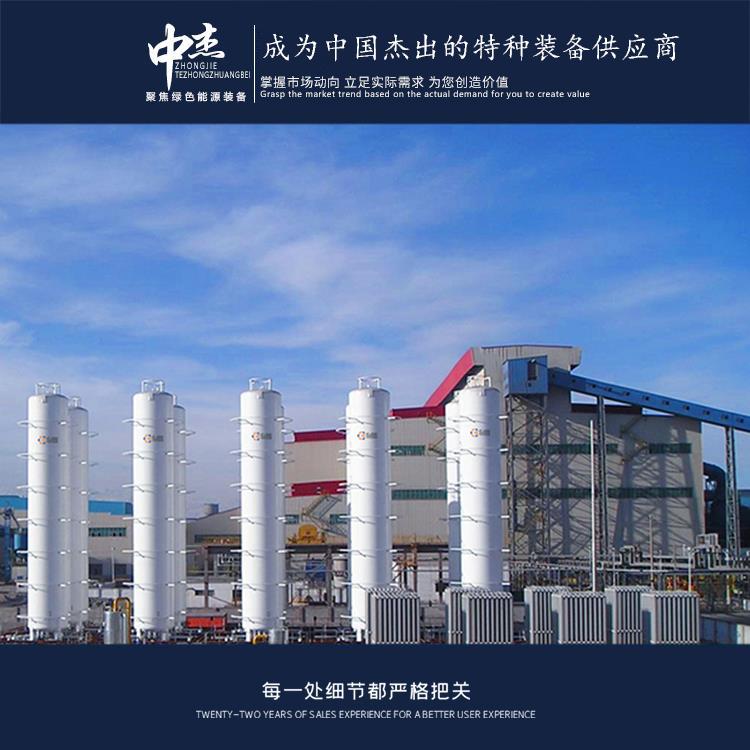
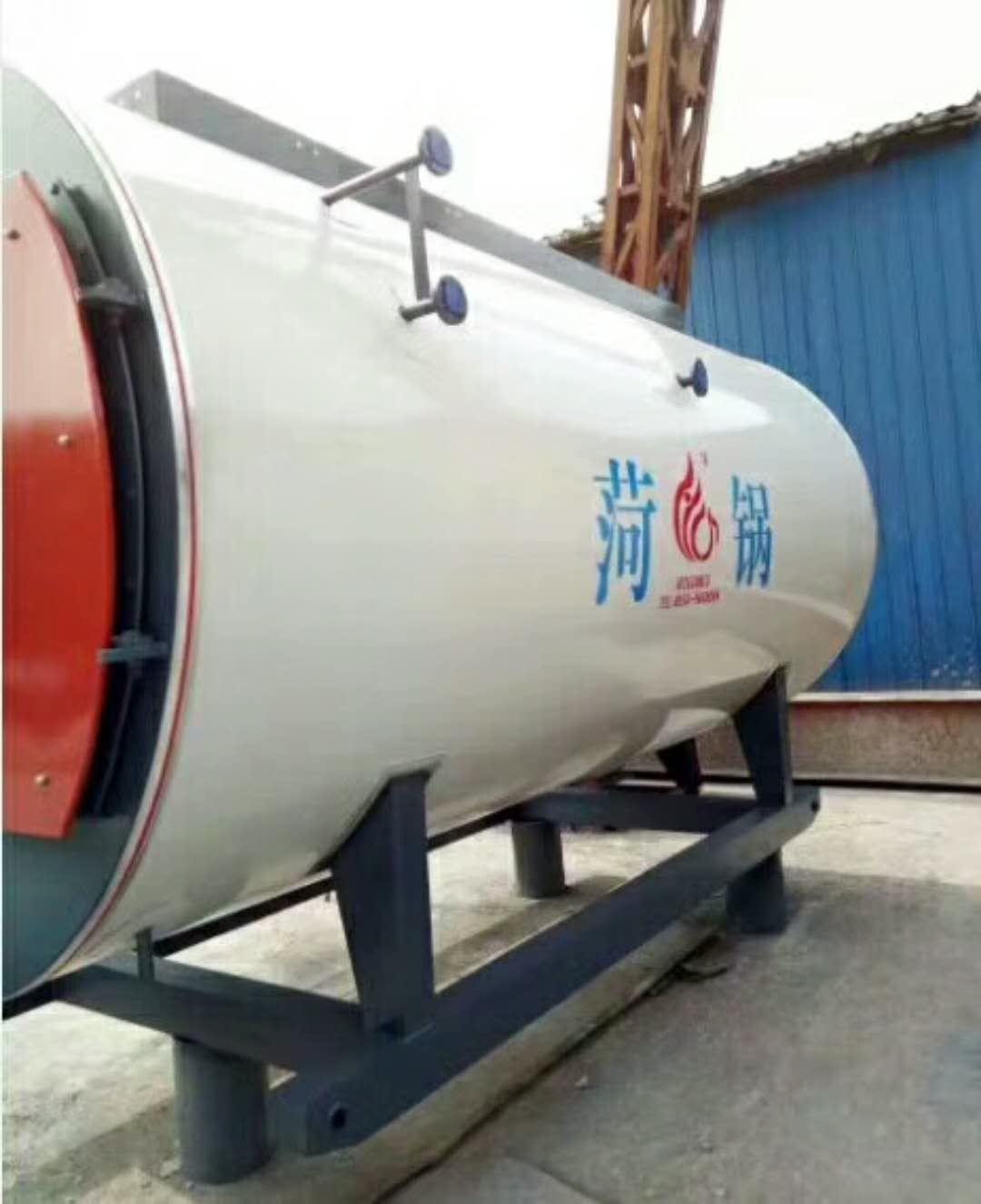


















Shandong Zhongjie Special Equipment's main products include: fuel (gas) boilers, organic heat carrier boilers, biomass boilers, waste heat recovery boilers, etc.; vacuum insulation deep-freeze pressure vessels such as LNG tanks, oxygen/nitrogen/argon tanks, CO2 tanks, etc.; pressure vessel products such as denitrification engineering equipment, heat storage and energy storage equipment, complete chemical equipment sets; central air conditioning and ventilation equipment such as ground (water) source heat pumps, air source units, water-cooled screw units, and air-cooled modular units. Planned products include large-scale energy centers, LNG transport vehicles, LNG tank containers, etc., for green energy equipment.
The reason for occasional venting of liquid oxygen tanks is primarily to maintain the safe pressure range within the tank and prevent excessive pressure buildup. Here are several situations where liquid oxygen tanks may vent occasionally:
Pressure Control: During operation, the liquid oxygen storage tank experiences pressure changes due to evaporation of liquid oxygen and temperature fluctuations. To maintain a safe pressure range within the tank, regular venting is required to control the tank pressure within the safe limits.
Prevent Overpressure Accumulation: During the oxygen filling or usage process, the liquid oxygen tank may experience pressures exceeding the safe range due to external factors or operational errors. To prevent overpressure accumulation, timely venting is required to reduce the internal pressure of the tank.
Prevent Gas Accumulation: There may be some gas impurities in the liquid oxygen storage tank, such as air and water vapor. These gases will condense into liquid or solid at the low temperature of liquid oxygen, blocking pipes or affecting the normal operation of the tank. Regularly venting can expel these impurities, maintaining cleanliness and unobstructed flow within the tank.
Note that the depressurization of liquid oxygen should be carried out by trained personnel, strictly adhering to the relevant operational procedures and safety measures. During the depressurization process, precautions should be taken to prevent any leakage of liquid oxygen and contact with it, ensuring the safety and reliability of the operation.
The operational and protective procedures for the use of low-temperature liquid nitrogen storage tanks should include the following:
Staff Training: All operators must undergo safety training for liquid nitrogen storage tanks, understanding the properties, hazards, and proper operation methods as well as emergency response procedures.
Protective Gear: Operators must wear appropriate protective gear, including gloves, protective suits, and non-slip shoes, to safeguard themselves from the low temperatures of liquid nitrogen and other hazards.
Ventilation Requirements: Ensure adequate ventilation in the operational area of the liquid nitrogen storage tank to expel gases produced by the evaporation of liquid nitrogen. Avoid excessive oxygen concentration to minimize the risk of fire and explosion.
Leak Control: Tanks must be equipped with leak detection and alarm systems to promptly detect and control the leakage of liquid nitrogen. In the event of a leak, immediate action should be taken to control the source of the leak and proceed with repairs.
Fire Prevention Measures: Liquid nitrogen has a low boiling and freezing point, which is prone to causing fires. Measures such as setting up fire barriers around liquid nitrogen storage tanks and using fire-retardant coatings are taken to prevent fires from occurring and spreading.
Electrostatic Protection: Electrostatic buildup in liquid nitrogen tanks may cause sparks, increasing the risk of fire. Measures such as using electrostatic conductive materials and anti-static equipment should be taken to reduce the accumulation and release of static electricity.
Regular inspections and maintenance: Conduct regular checks of the liquid nitrogen storage tank and related equipment, including valves, pipelines, pressure gauges, etc. Ensure the equipment is in perfect condition without any damage, and promptly repair or replace any damaged parts.
Waste Gas Treatment: During the operation of a liquid nitrogen tank, waste gases are produced, which necessitate appropriate waste gas treatment measures to prevent harm to the environment and human health.
Emergency Response Plan: Develop an emergency response plan for liquid nitrogen storage tanks, including procedures for handling leak accidents, emergency rescue measures, and the protocol for notifying relevant departments. Operators
A liquid oxygen tank is a device used for storing liquid oxygen. Liquid oxygen is the liquid form of oxygen obtained by cooling it below its boiling point and is commonly used in fields such as instrument, industrial production, and equipment. Liquid oxygen tanks are typically made of high-strength materials like stainless steel to ensure they can withstand the low temperatures and high pressures of liquid oxygen. The interior of the tank usually has an insulating layer to reduce evaporation of the liquid oxygen and maintain its低温 state. The design and manufacturing of liquid oxygen tanks must consider safety and reliability to prevent leaks and explosions. Strict operational procedures and safety standards must be followed when using liquid oxygen tanks to ensure the safety of personnel and equipment. The development and manufacturing of liquid oxygen tanks are carried out by engineers and technical teams, involving knowledge and technology from fields such as materials science, mechanical engineering, and chemical engineering. Different manufacturers may use different design and manufacturing methods to meet the needs and application scenarios of different users.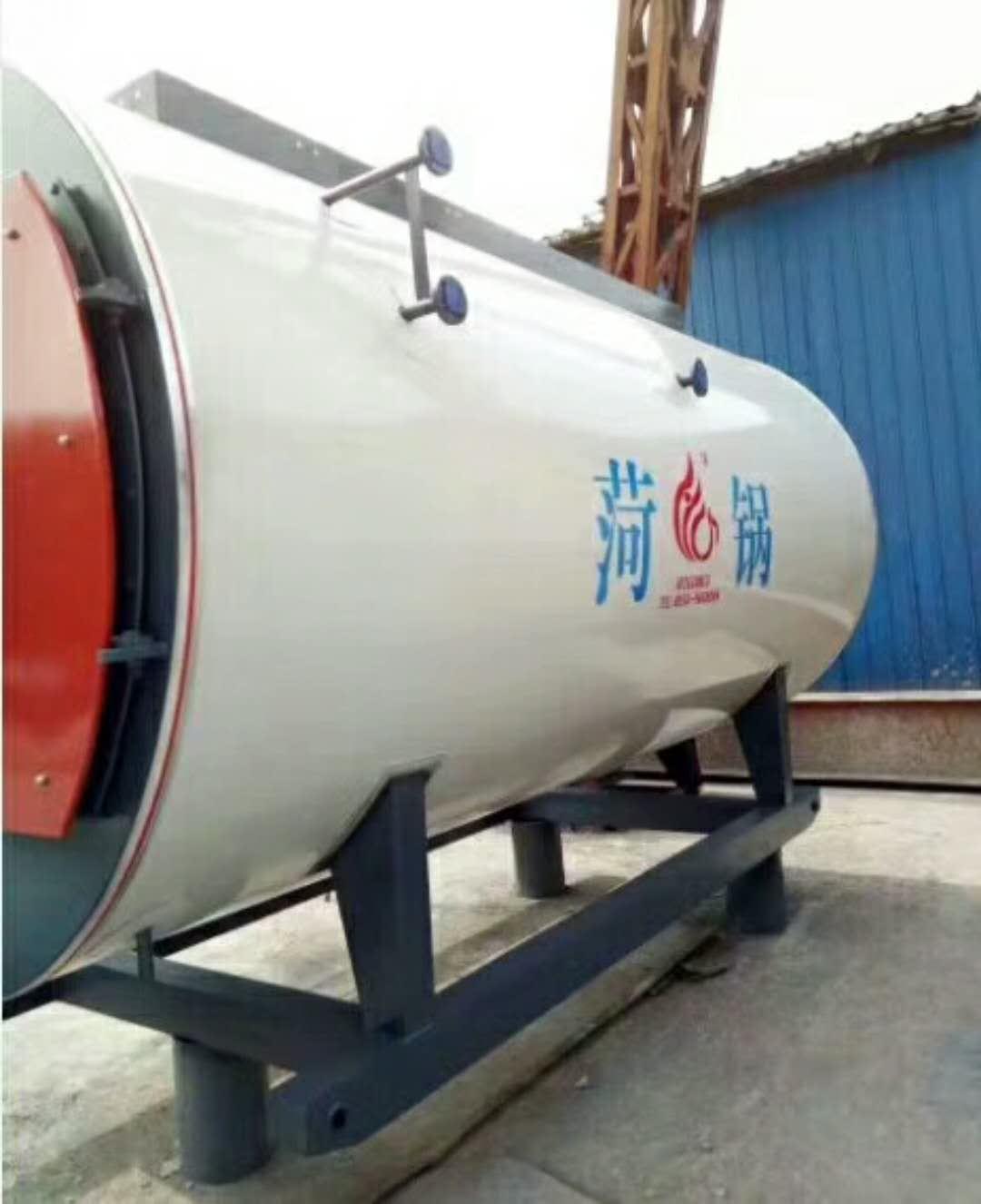
When using a 50-cubic liquid oxygen storage tank, the following safety precautions should be observed:
Tank Pressure Control: Ensure that the liquid oxygen pressure inside the tank remains within the safe range at all times. Monitor and control the tank pressure to avoid safety risks due to either overpressure or underpressure.
Leakage and Fire Prevention: Regularly inspect the tank and related pipelines for sealing integrity to prevent oxygen liquid leakage. Oxygen liquid is highly flammable and fire prevention measures must be taken to ensure there are no ignition sources around the tank.
Explosion Prevention Measures: Oxygen inside the liquid oxygen tank can cause explosions upon contact with flammable materials. Ensure there are no flammable items around the tank and implement explosion prevention measures, such as explosion-proof electrical equipment and static grounding.
Safety valves and exhaust systems: Tanks should be equipped with safety valves and exhaust systems to prevent overpressure conditions. Ensure the proper functioning of the safety valves and the unobstructed flow of the exhaust system.
Maintenance and Inspection: Conduct regular maintenance and inspections of the storage tank, including cleaning, coating protection, and anti-corrosion treatment, to ensure the structural integrity and safety of the tank.
Safety Operation and Training: Operators must undergo relevant safety training, familiarize themselves with the safe operation procedures and emergency response measures for liquid oxygen storage tanks. Adhere to the correct operational steps to ensure safe operation.
Environmental Monitoring: Regularly monitor environmental parameters such as oxygen concentration and temperature around the storage tanks to ensure safety.
Emergency Preparedness: Develop an emergency response plan, including measures for leaks, fires, and explosions. Equip with appropriate emergency equipment and firefighting supplies to handle unforeseen incidents.
Above are some safety issues to be aware of when using a 50-cubic-liter liquid oxygen storage tank. To ensure safety, it is recommended to follow relevant safety regulations and operational guidelines, and seek assistance and guidance from experts when necessary.
Zhong Jie Special Equipment adheres to the grand vision of "realizing employees' dreams, creating value for customers, and striving for the prosperity and strength of our motherland," and is dedicated to the development of the green energy equipment industry. We commit to society with high-quality, cost-effective products and services!
WeChat Official Account

Scan to follow Official Account



















