


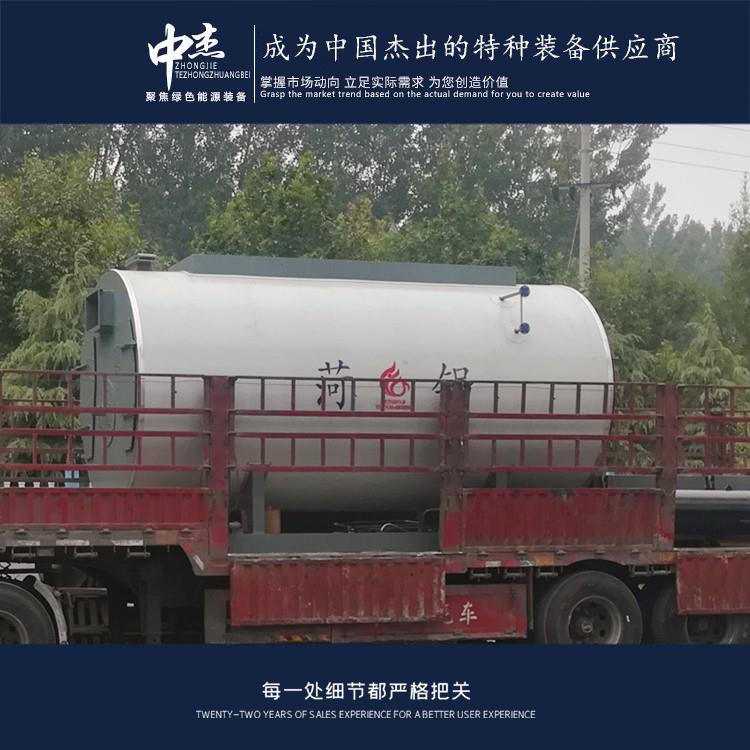


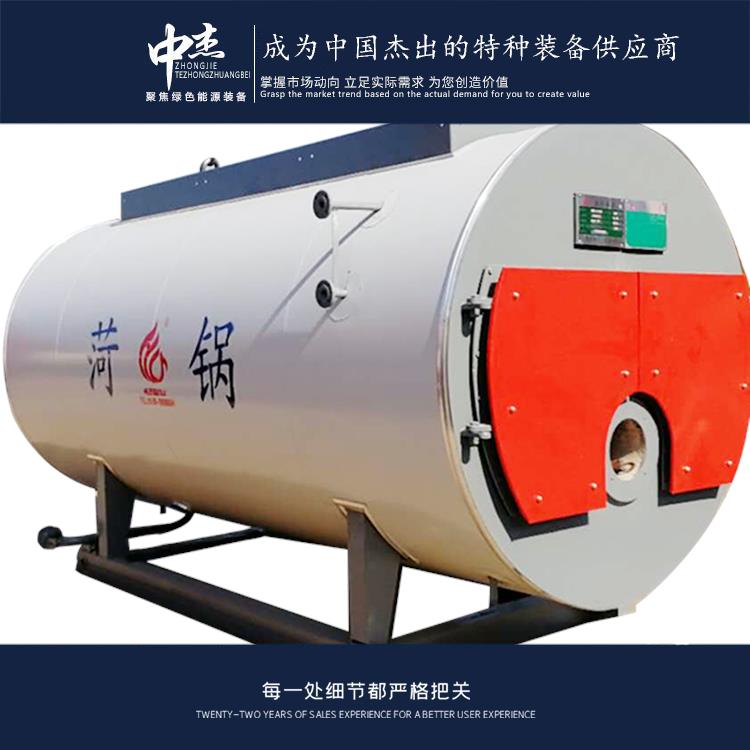


















Shandong Zhongjie Special Equipment (formerly Heze Boiler Factory Co., Ltd.) holds an A-grade boiler manufacturing license, an A2-grade pressure vessel manufacturing license, an A2-grade pressure vessel design license, a B-grade boiler installation license, and GB2/GB3-grade pressure pipeline installation licenses, as well as a qualification for electromechanical equipment installation contracting. It is a member of the China Boiler and Water Treatment Association, the China Chemical Equipment Association, and the Council Member of the Shandong Equipment Manufacturing Association. The company has also passed certifications for ISO9001 Quality Management System, ISO14001 Environmental Management System, OHSAS18001 Occupational Health and Safety Management System, and the American ASME/U2 certification.
When designing a fuel-gas boiler room, the following points should be considered:
- Safety considerations: Ensure the design of the boiler room complies with relevant safety standards and regulations. Consider fire risks and set up appropriate firewalls, fire doors, and fire isolation facilities. Ensure good ventilation in the boiler room with suitable ventilation equipment and flue systems to expel harmful gases produced by combustion.
- Space and layout: Plan the space and layout of the boiler room according to the number and size of the boilers. Ensure there is sufficient space for operation, maintenance, and cleaning. Arrange the boilers, fuel storage equipment, flue systems, and pipeline layout for ease of operation and maintenance.
- Fuel supply and storage: Consider the needs for fuel supply and storage. Ensure the safety and reliability of fuel supply pipelines and equipment to avoid leaks and contamination. Plan the capacity and location of fuel storage equipment rationally to ensure an adequate fuel supply and compliance with relevant safety requirements.
- Emission and exhaust gas treatment: Consider the exhaust gas emissions and treatment resulting from combustion. Set up appropriate flue systems and flue gas treatment equipment to minimize the impact of exhaust emissions on the environment. Ensure the design and layout of the flue system are reasonable and can effectively expel flue gas and exhaust.
- Control and monitoring systems: Design suitable control and monitoring systems to ensure the safety and operation of the boiler. This includes monitoring and control equipment for parameters such as temperature, pressure, and flow, as well as alarm and automatic shutdown devices. Ensure operators can promptly understand the operating status of the boiler and take appropriate actions.
During the production welding of thermal oil boilers, the following points should be noted:
- Welder Qualification: Ensure that the welders involved in the welding work have appropriate qualifications and experience, and are familiar with welding processes and operation procedures.
- Welding Material Selection: Choose welding materials suitable for thermal oil boilers, ensuring their compatibility with thermal oil and high-temperature resistance.
- Welding Process Control: Select an appropriate welding process based on the material and design requirements of the thermal oil boiler, such as manual arc welding, gas shielded welding, etc. Control welding parameters such as current, voltage, and welding speed to ensure the quality and strength of the weld.
- Welding Area Protection: During the welding process, the welding area should be protected to prevent contamination from thermal oil and welding materials. Use welding screens, welding shields, and other equipment to ensure the cleanliness and safety of the welding area.
- Post-Welding Treatment: After welding, post-welding treatment should be performed on the weld, such as slag removal, sanding, and cleaning, to ensure the flatness and surface quality of the weld.
- Welding Quality Inspection: Conduct welding quality inspections, including visual inspections of the weld, dimension measurements, and non-destructive testing, to ensure that the welding quality meets requirements.
- Safety Measures: Pay attention to safety measures during the welding process, such as wearing protective eyewear, gloves, fire-resistant clothing, etc., to ensure the safety of the welding operation.
- It is important to follow relevant standards and specifications during the welding process to ensure welding quality and safety. If unsure about how to proceed with welding or if there are safety hazards, seek advice from a welding engineer or consult relevant agencies.
The management system for gas heat transfer oil furnace equipment incidents primarily includes the following aspects:
1. Equipment Safety Management System: Establish and improve the safety management system for gas heat transfer oil furnace equipment, clarify responsibilities and authorities, and ensure the safe operation of the equipment. This includes equipment operation procedures, emergency response plans for accidents, and equipment inspection and maintenance schedules.
2. Equipment Maintenance Management System: Establish a maintenance management system for equipment, clarifying the maintenance responsibilities and plans. This includes regular equipment inspections, maintenance, and repairs to ensure the normal operation and safety of the equipment.
3. Equipment Operation Management System: Establish an equipment operation management system, clarifying operation procedures and requirements. This includes procedures for equipment startup, shutdown, adjustment, and monitoring to ensure the safety and operation of the equipment.
4. Equipment Incident Management System: Establish an equipment incident management system, clarifying procedures for reporting, investigating, and handling incidents. This includes reporting requirements for equipment incidents, responsibility追究, analysis of causes, and improvement measures to reduce incidents and minimize losses.
5. Equipment Training and Assessment System: Establish a training and assessment system for equipment to ensure operators possess the necessary skills and knowledge. This includes equipment operation training, safety training, and technical training, along with regular assessment and evaluation of operators.
6. Equipment Inventory and Record Management System: Establish an equipment inventory and record management system to record equipment operation, maintenance, and incident records. This includes equipment inventory management, maintenance record filling and preservation, and incident record organization and analysis for equipment management and issue tracing.
The above are some basic contents of the management system for gas heat transfer oil furnace equipment incidents. Specific management systems should be formulated and improved based on actual conditions. It is also necessary to comply with relevant laws, regulations, and standards to ensure the safety and environmental performance of the equipment.
The inspection content and requirements for gas-fired boilers typically include the following aspects: Safety valve and pressure gauge: Check the installation and securing of the safety valve and pressure gauge to ensure proper operation and accurate pressure display. Combustion system: Inspect the status of the burner, including ignition, combustion, and combustion stability. Check the connections of the gas supply pipes and valves to ensure no leaks. Flue and heat exchanger: Examine the cleanliness and accumulation of soot and dirt in the flue and heat exchanger to ensure heat exchange efficiency and smoke emissions meet requirements. Water level control system: Check the operation of the water level controller and gauge to ensure accurate and reliable water level control, preventing excessive or low water levels. Gas supply system: Inspect the installation and connections of the gas supply pipes and valves to ensure normal gas supply and no leaks. Electrical system: Check the wiring and connections of the electrical system, including power supply, controllers, and sensors, to ensure proper operation of electrical equipment and avoid electrical faults. Safety devices: Inspect the operation of safety devices, including safety valves, pressure switches, and temperature controllers, to ensure normal operation and safeguard the safe operation of the boiler. Records and documents: Review the boiler's operating records, maintenance records, and inspection reports, ensuring complete and accurate documentation. The inspection of gas-fired boilers should be conducted by institutions or individuals with the appropriate qualifications, following relevant laws, regulations, and standards. The frequency and specific requirements of inspections can be determined based on the boiler's usage and local regulations. Timely inspections and maintenance ensure the safe operation and performance of gas-fired boilers.
Shandong Zhongjie Special Equipment, welcome customers to our factory for business discussions.
WeChat Official Account

Scan to follow Official Account



















