


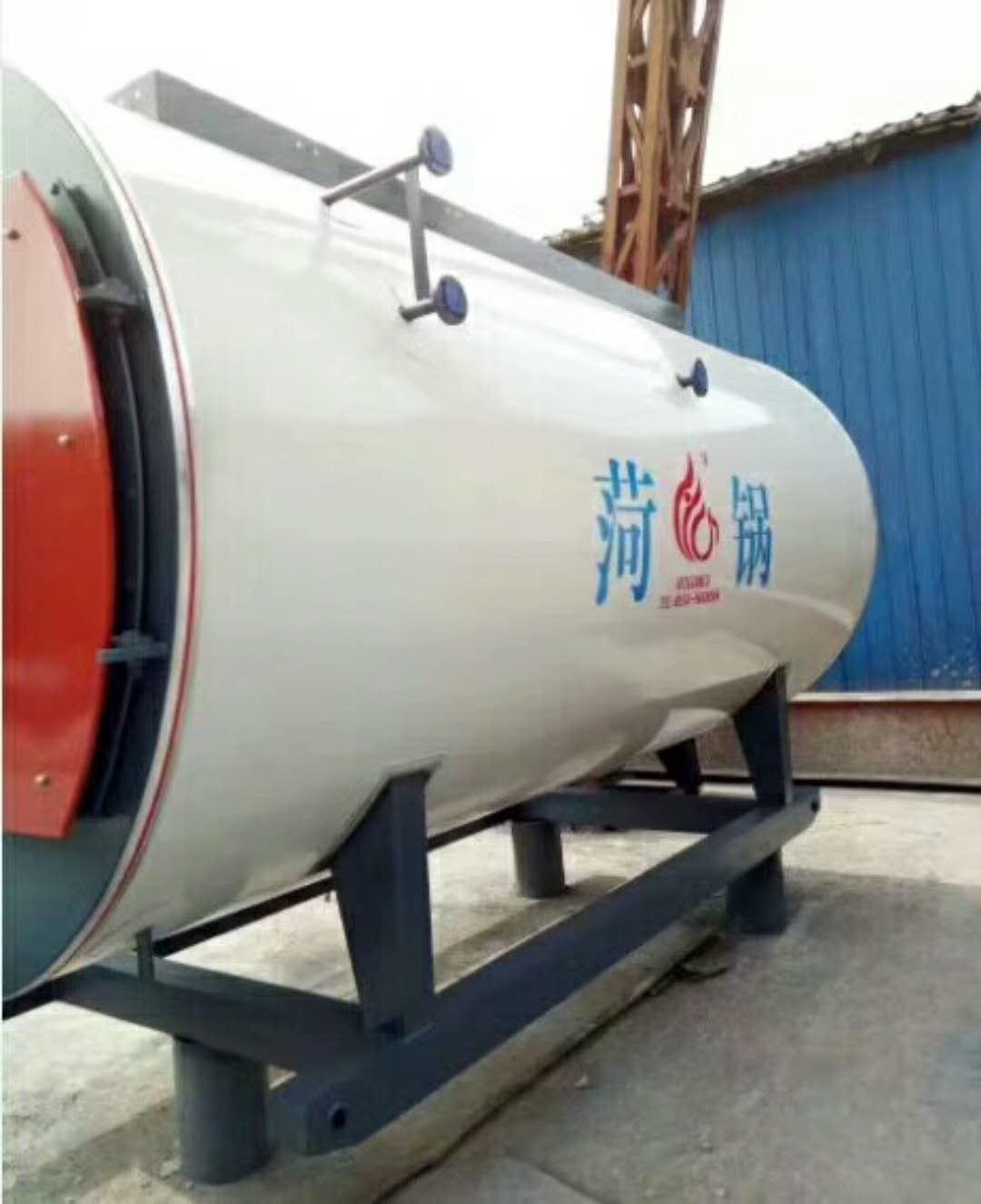

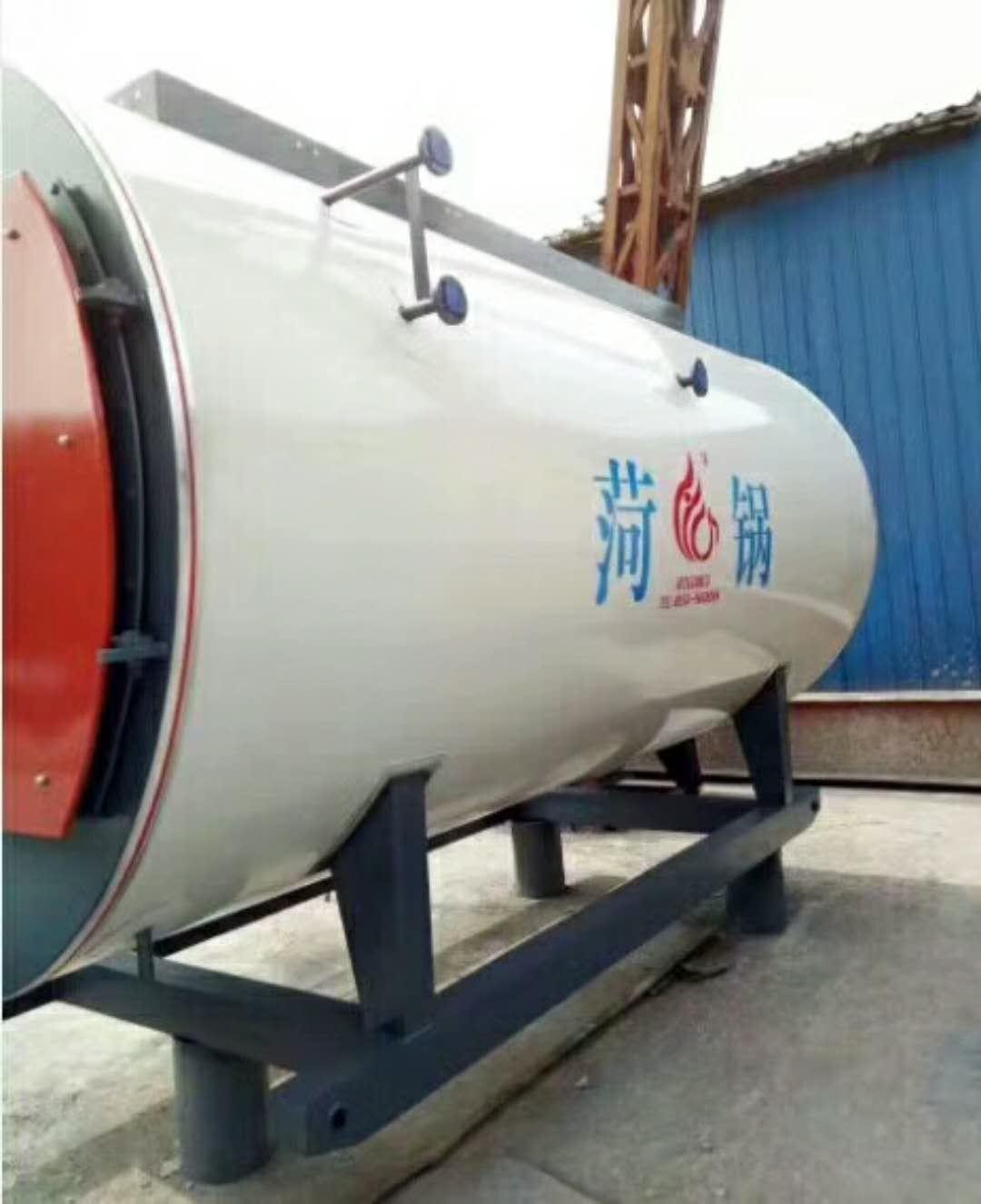
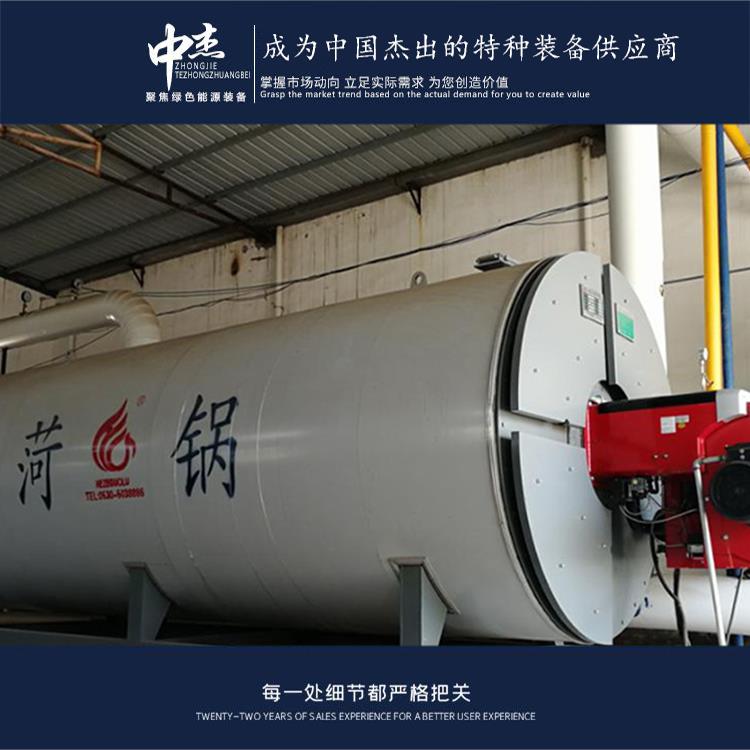


















Shandong Zhongjie Special Equipment (formerly Heze Boiler Factory Co., Ltd.) holds an A-grade boiler manufacturing license, A2-grade pressure vessel manufacturing license, A2-grade pressure vessel design license, B-grade boiler installation license, and GB2/Class, GC2/Class pressure pipeline installation license, as well as an equipment and machinery installation contracting qualification. It is a member of the China Boiler and Water Treatment Association, the China Chemical Equipment Association, and the理事 unit of the Shandong Equipment Manufacturing Association. The company has also passed certifications for the ISO9001 Quality Management System, ISO14001 Environmental Management System, OHSAS18001 Occupational Health and Safety Management System, and the American ASME/U2 certification.
After the hot water boiler is shut down, here are some common maintenance measures:
1. Clean the boiler: After shutdown, the boiler should be cleaned first. Dust, dirt, and sediments inside the boiler can be washed with appropriate cleaning tools and detergents. Pay special attention to cleaning the combustion chamber, flue, and heat exchanger, among other critical areas.
2. Drain the water: Empty the water from the boiler to prevent the accumulation of scale and corrosive substances. Open the drain valve to drain the water until the interior of the boiler is completely empty.
3. Corrosion prevention: Before shutdown, apply corrosion prevention measures to prevent internal metal corrosion in the boiler. Use suitable corrosion inhibitors or coatings and apply them to the key areas inside the boiler.
4. Inspection and maintenance: During shutdown, regularly inspect the various components and connections of the boiler to ensure there are no loose, damaged, or leaking issues. If problems are found, repair or replace them promptly.
5. Keep dry: After shutdown, maintain the dryness inside the boiler. Open the ventilation and exhaust ports of the boiler to maintain air circulation, preventing moisture and mold growth.
6. Regular inspections: Regularly check the condition of the boiler to ensure there are no abnormal situations. Develop a corresponding inspection plan based on the boiler's usage and requirements, such as a comprehensive check every quarter or year.
7. Preparations before startup: Before restarting the boiler, perform the necessary preparatory work. This includes cleaning the boiler, checking the connections of equipment and pipelines, and inspecting the fuel supply.
The decline in the consumption of thermal oil boilers may be due to several reasons:
1. Combustion Technology: Modern thermal oil boilers utilize advanced combustion technologies, such as premixed combustion and flame combustion, enabling complete fuel combustion, enhancing energy efficiency, and thus reducing energy consumption.
2. Heat Recovery Utilization: Thermal oil boilers often produce a significant amount of excess heat during flue gas emissions. By employing heat recovery systems like flue gas heat recovery boilers or heat exchangers, the excess heat from flue gas can be recovered and utilized, improving energy efficiency and reducing consumption.
3. Intelligent Control System: Modern thermal oil boilers are equipped with intelligent control systems that can monitor and adjust operating parameters in real-time, such as temperature, pressure, and flow rate. Through precise control and adjustment, the boilers can operate at optimal conditions, avoiding energy waste and loss.
4. Energy-saving Retrofitting and Optimization: For older thermal oil boilers, energy-saving retrofitting and optimization can be carried out. This includes installing energy-saving equipment like variable frequency drives or modified burners to enhance energy efficiency. Additionally, optimizing the boiler system, such as improving pipe insulation and reducing leaks, can minimize energy loss.
5. Energy Management and Maintenance: Effective energy management and regular equipment maintenance are crucial factors in reducing energy consumption. Through reasonable energy management measures like energy monitoring, metering, and fostering energy-saving awareness, issues of energy waste can be identified and resolved. Regular equipment maintenance ensures proper operation and prevents unnecessary energy loss.
In summary, the decline in the consumption of thermal oil boilers can be attributed to combustion technology, heat recovery utilization, intelligent control systems, energy-saving retrofitting, and optimization, as well as effective energy management and maintenance.
Before starting the heating gas hot water boiler, the following correct procedures must be followed:
- Check the gas supply system: Ensure the gas supply system is operating properly, inspect the gas pipes, valves, and pressure regulators, and ensure there are no leaks or blockages in the gas supply.
- Check the water system: Inspect the water circulation system of the heating system, including the pump, valves, and pipes, to ensure the waterways are clear of leaks and blockages.
- Check the electrical system: Inspect the boiler's electrical system, including power connections, controllers, and sensors, to ensure the electrical equipment is functioning correctly.
- Check the safety devices: Inspect the boiler's safety devices, including safety valves, pressure switches, and water level controllers, to ensure they are operating properly and guaranteeing safe boiler operation.
- Prepare for ignition: According to the boiler's operating instructions, prepare the tools and equipment needed for ignition, including the igniter and ignition electricity.
- Open the gas valve: Gradually open the gas valve to ensure a steady gas supply and avoid gas surges.
- Ignition start-up: Follow the boiler's operating instructions for ignition start-up. Perform the appropriate operations according to the model and control system of the boiler to ensure smooth ignition.
- Monitor operating status: After start-up, closely monitor the boiler's operating status, including combustion, water level, and pressure, to ensure normal operation without any abnormalities.
- Adjust parameters: Adjust the boiler's parameters as needed, including temperature, pressure, and water level, to meet the requirements of the heating system.
- Regular maintenance: After start-up, perform regular maintenance, including cleaning the burner, checking water level and pressure, and replacing worn parts, to ensure normal and safe operation of the boiler.
- It is recommended to refer to the boiler's operation manual and manufacturer's guidelines before starting the heating gas hot water boiler to ensure correct and safe operation. If necessary, hire personnel for operation and maintenance.
The inspection contents and requirements for gas boilers typically include the following aspects:
- Safety valve and pressure gauge: Check the installation and securing of the safety valve and pressure gauge to ensure proper operation and accurate pressure display.
- Combustion system: Inspect the status of the burner, including ignition, combustion, and combustion stability. Check the connections of the gas supply pipeline and valves to ensure no leaks.
- Flue and heat exchanger: Inspect the cleanliness of the flue and heat exchanger, for dust and dirt, to ensure heat exchange efficiency and smoke emissions meet requirements.
- Water level control system: Check the operation of the water level controller and gauge to ensure accurate and reliable water level control, preventing excessive or insufficient water levels.
- Gas supply system: Inspect the installation and connections of the gas supply pipeline and valves to ensure normal gas supply and no leaks.
- Electrical system: Check the wiring and connections of the electrical system, including power supply, controllers, and sensors, to ensure normal operation of electrical equipment and avoid electrical failures.
- Safety devices: Inspect the operation of safety devices, including safety valves, pressure switches, and temperature controllers, to ensure proper functioning and guarantee safe boiler operation.
- Records and documents: Review the boiler's operating records, maintenance records, and inspection reports, ensuring complete and accurate documentation.
The inspection of gas boilers should be conducted by an institution or personnel with the appropriate qualifications, adhering to relevant laws, regulations, and standards. The frequency and specific requirements for inspections can be determined based on the boiler's usage and local regulations. Timely inspections and maintenance ensure the safe operation and performance of gas boilers.
Shandong Zhongjie Special Equipment, welcome customers to our factory for business talks.
WeChat Official Account

Scan to follow Official Account



















