


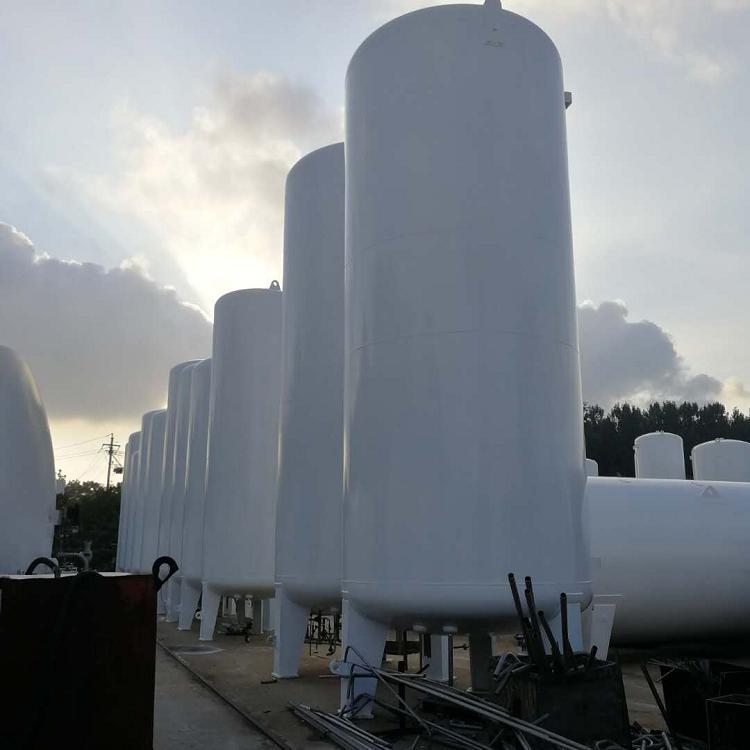

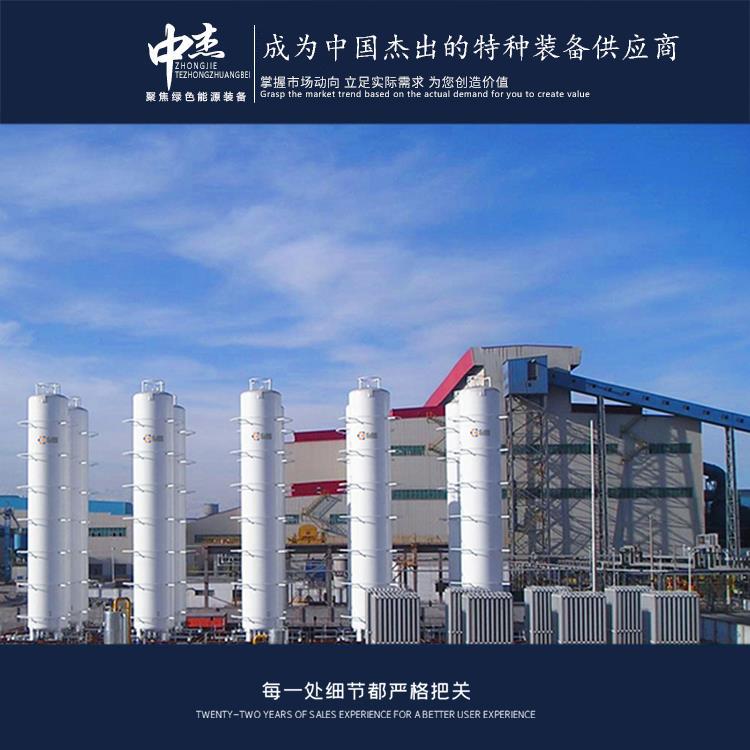
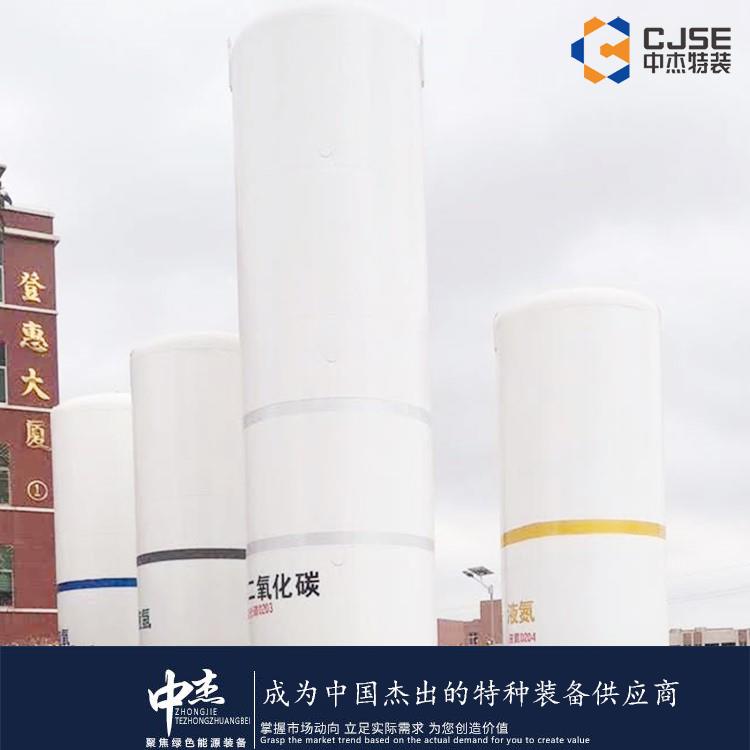


















Shandong Zhongjie Special Equipment (formerly Heze Boiler Factory Co., Ltd.) holds an A-grade boiler manufacturing license, an A2-grade pressure vessel manufacturing license, an A2-grade pressure vessel design license, B-grade boiler installation and GB2, GC2 class pressure pipeline installation licenses, as well as a mechanical and electrical equipment installation contracting qualification. It is a member of the China Boiler and Water Treatment Association, the China Chemical Equipment Association, and the council unit of the Shandong Equipment Manufacturing Association. The company has also passed the ISO9001 Quality Management System, ISO14001 Environmental Management System, OHSAS18001 Occupational Health and Safety Management System certifications, and the American ASME/U2 certification.
When using carbon dioxide tanks, the following safety procedures must be adhered to ensure safety:
Tank Operator Training: All operators must receive training to understand the characteristics, operational requirements, and safety measures of carbon dioxide tanks. Training should include safe tank operation, leak handling, emergency procedures, etc.
Safety Operating Procedures: Establish and follow relevant safety operating procedures, including tank startup, shutdown, inspection, and maintenance. Operators should operate in accordance with the procedures to ensure safe tank operation.
Leak Handling: Develop a leak handling program, including leak detection, emergency shutdown, and isolation of the leak source. Operators should be familiar with the leak handling procedures and able to respond quickly and correctly to leak incidents.
Fire Prevention Measures: Carbon dioxide is flammable; therefore, fire prevention measures must be taken when in use. Smoking, open flame operations, or the placement of flammable materials near the tank are prohibited. Ensure that fire protection equipment around the tank is in good condition and fire drills are conducted regularly.
Waste Gas Emission: When using carbon dioxide tanks, waste gases must be emitted properly to avoid the accumulation of carbon dioxide in enclosed spaces, which can cause asphyxiation and safety risks. Ensure the waste gas emission system is unobstructed and operating correctly.
Regular Inspections and Maintenance: Regularly inspect the tank's appearance, seals, valves, and pipe connections. Promptly repair or replace any abnormalities or damage. Also, regularly check and maintain the tank's safety valves and pressure sensors.
Emergency Response Plan: Develop and implement an emergency response plan, including procedures for leak incidents, evacuation, and first aid measures. Operators should be familiar with the emergency response plan and conduct drills regularly.
Monitoring and Alarm Systems: Install and maintain monitoring and alarm systems for the tank.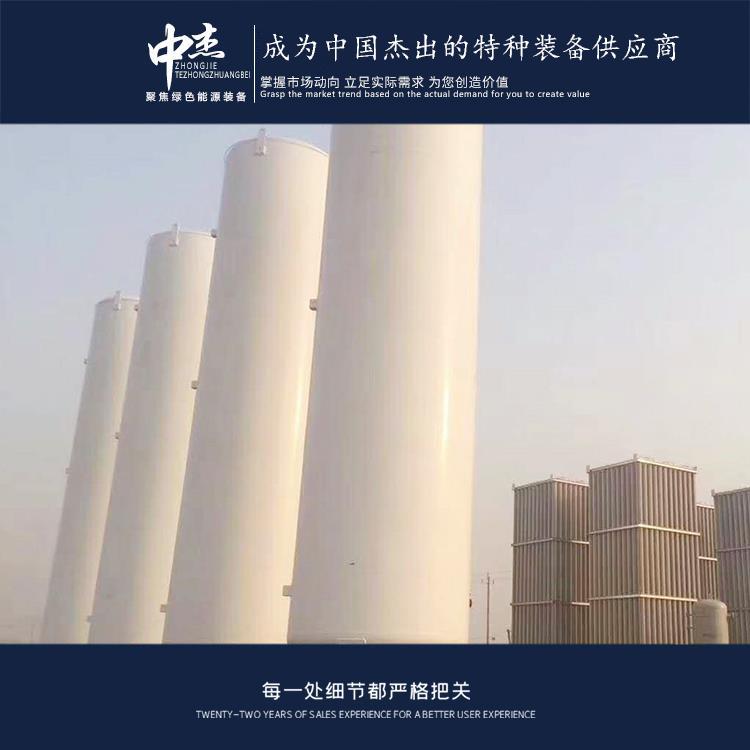
二氧化碳储罐的检验频率应根据当地的法规、标准和制造商的建议来确定。一般来说,以下几个因素会影响二氧化碳储罐的检验频率: 法规和标准要求:不同和地区可能有不同的法规和标准,规定了储罐的检验要求和频率。例如,美国的DOT标准要求液化气体储罐每5年进行一次外部检验和每10年进行一次内部检验。 制造商建议:储罐的制造商通常会提供关于检验频率的建议。这些建议基于储罐的设计、材料和使用寿命等因素,可以作为制定检验计划的参考。 使用环境和条件:储罐的使用环境和条件也会影响检验频率。例如,如果储罐暴露在腐蚀性环境中或经常受到机械应力,可能需要更频繁的检验。 一般来说,液化气体储罐的外部检验通常是通过目视检查、超声波检测、磁粉检测等方法进行的,以评估储罐的外部状况和可能存在的缺陷。内部检验可能需要排空储罐,并通过内部检查、厚度测量、焊缝检测等方法来评估储罐的内部状况。 重要的是,储罐的检验应由经过培训和有经验的人员进行,并严格按照相关的法规、标准和制造商的建议进行。定期的检验和维护可以确保储罐的安全性和可靠性,减少事故的风险。
Carbon dioxide storage tanks offer several advantages:
- High storage density: These tanks can compress carbon dioxide gas into a liquid state, significantly increasing storage density. Compared to storing in gas form, liquid carbon dioxide can store more CO2 in a smaller tank, saving space and costs.
- Multiple application areas: Carbon dioxide storage tanks are widely used in various fields, including the food and beverage industry, manufacturing, firefighting, and gas supply. CO2 serves as a preservative, carbonation agent, gas, and extinguishing agent, with broad applications and market demand.
- Environmental and renewable: Carbon dioxide is an environmentally friendly gas, and its increased concentration in the atmosphere contributes to warming and climate change. By storing and utilizing CO2, we can reduce its emissions into the atmosphere, promoting environmental protection and sustainable development.
- Safe and reliable: During design and manufacturing, carbon dioxide storage tanks typically use high-strength materials (such as carbon steel or stainless steel) with excellent pressure resistance and safety. The tanks are usually equipped with safety valves, pressure gauges, and level indicators to ensure safe operation. Moreover, CO2 is a non-flammable and non-explosive gas, making it relatively safe.
- Supply: Carbon dioxide storage tanks provide a stable supply of CO2. Through tank design and control systems, precise measurement and supply of CO2 can be achieved to meet the demands of various industries and applications.
These advantages make carbon dioxide storage tanks an essential storage and supply equipment, widely used across multiple industries. However, when using carbon dioxide storage tanks, it is crucial to follow relevant safety operation procedures and standards to ensure safe operation and use.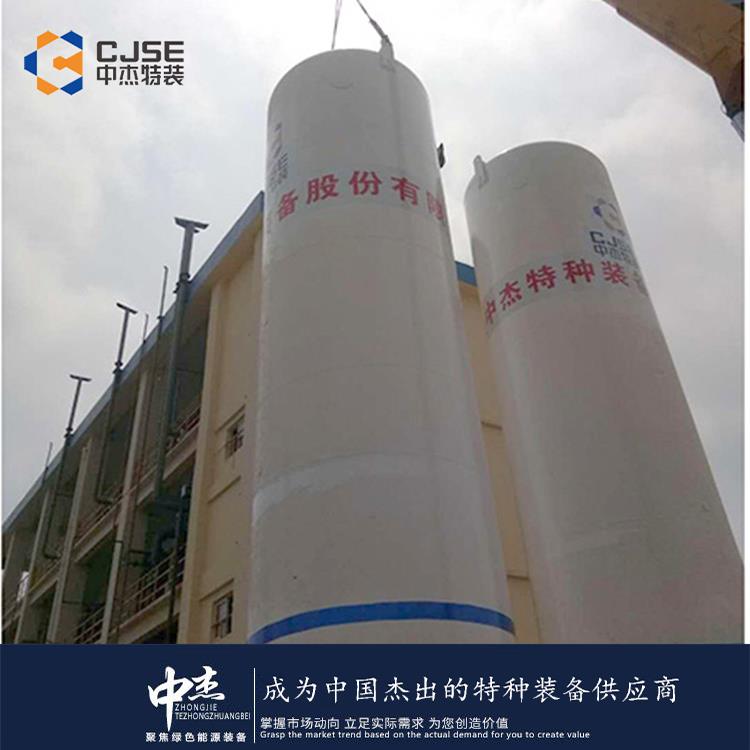
Carbon dioxide tanks are widely used in many industries. Here are some common sectors with examples of carbon dioxide tank usage:
- Beverage and Food Industry: Carbon dioxide is used as a carbonating agent for beverages and food, for producing sodas, beers, soft drinks, etc. Tanks are used for storing and supplying carbon dioxide to meet production line needs.
- Industry: Carbon dioxide has various applications in the industry, such as anesthesia, respiration, tissue freezing, etc. Tanks are used for storing and supplying medical-grade carbon dioxide to meet facility requirements.
- Fire Suppression: Carbon dioxide is extensively used in fire suppression systems, particularly in extinguishing electrical and sensitive equipment. Tanks are used for storing and supplying fire suppression carbon dioxide.
- Gas Industry: Carbon dioxide is also a significant product in the gas industry, used in the production of chemicals, metal processing, welding, gas shielding, etc. Tanks are used for storing and supplying industrial-grade carbon dioxide.
- Greenhouse Agriculture: Carbon dioxide can be used to promote plant growth in greenhouses, providing additional carbon dioxide concentration. Tanks are used to supply the required carbon dioxide for greenhouses.
- Automotive Industry: Carbon dioxide is used for tire inflation and airbag systems in cars. Tanks are used for storing and supplying carbon dioxide to meet the needs of car manufacturing and maintenance.
These are just some common industry examples. In reality, carbon dioxide tanks are also widely used in many other sectors, such as chemicals and frozen food. Specific applications may vary depending on industry needs and scenarios.
Shandong Zhongjie Special Equipment, welcome clients for factory talks and cooperation.
WeChat Official Account

Scan to follow Official Account



















