


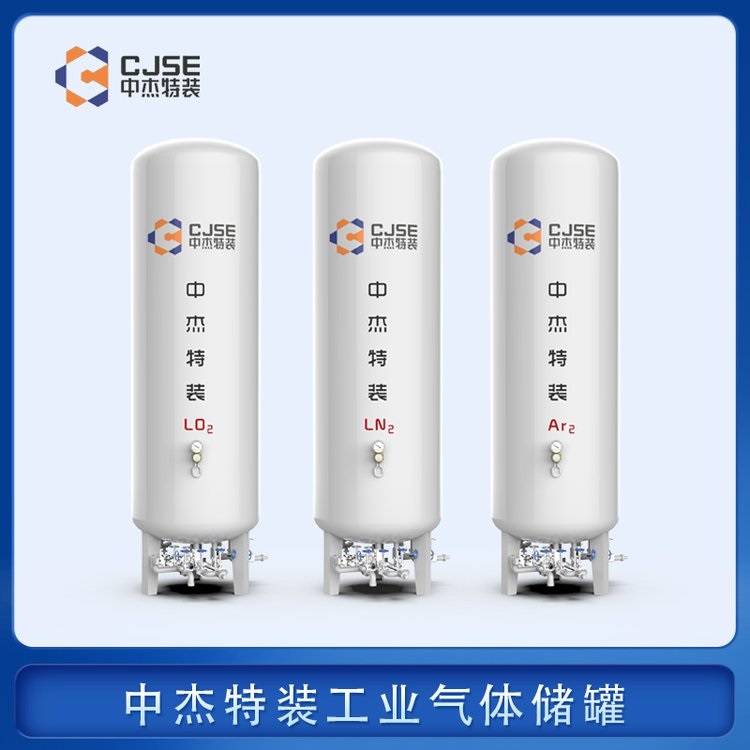

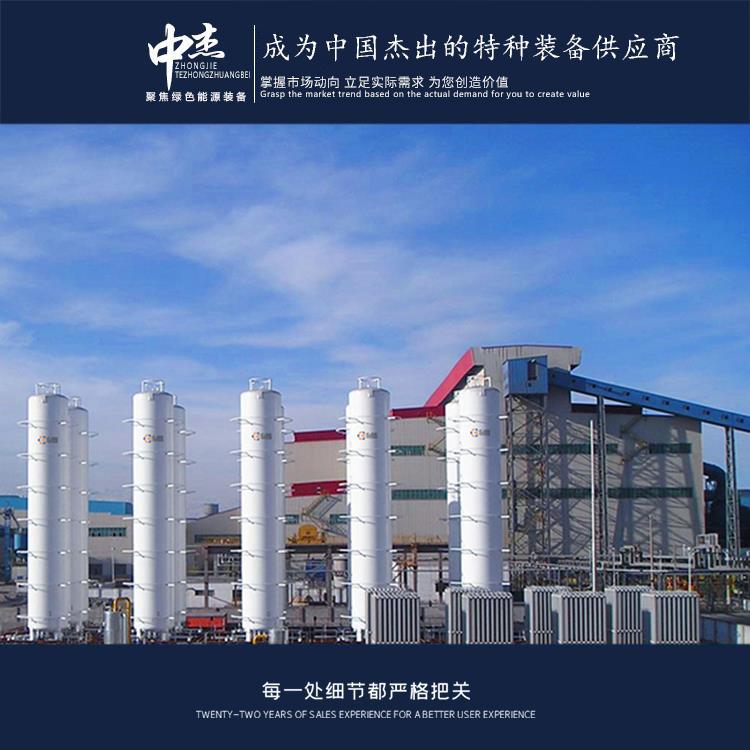
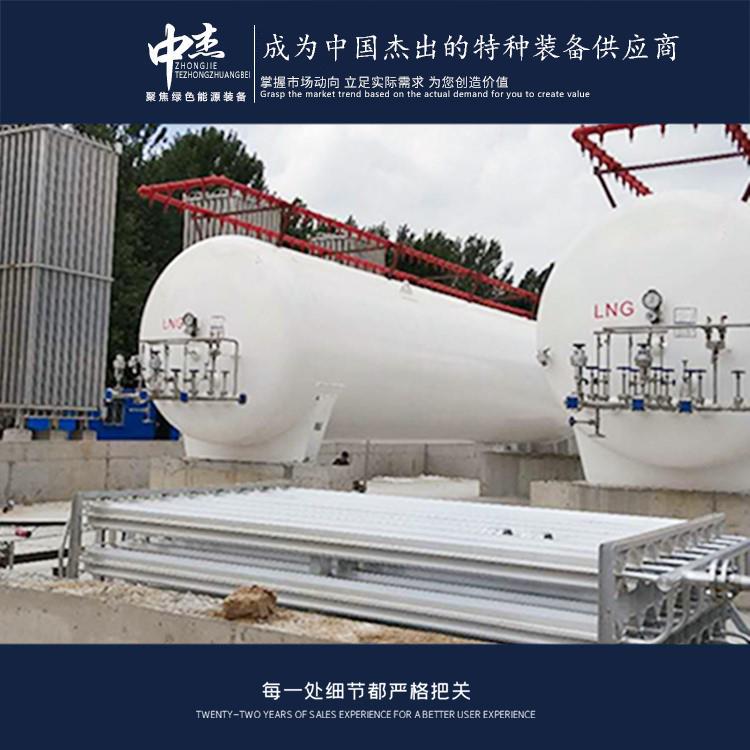


















Shandong Zhongjie Special Equipment (formerly Heze Boiler Factory Co., Ltd.) was established in 2001, located at No. 2218 Jinnan Road, Economic and Technological Development Zone, Heze City. With a registered capital of 50 million yuan and total assets of 500 million yuan, the company has 7 business centers: boilers, deep-freezing vessels, pressure vessels, central air conditioning, engineering installation, international trade, and Internet of Things. It operates three factory sites on Jinnan Road, East Changjiang Road, and Bohai Road, covering a total area of 200,000 square meters, with the main workshop spanning 83,000 square meters. The company currently employs 710 staff, including 247 engineering and technical personnel and 82 intermediate-level technical staff. In December 2016, it was recognized as a "High-Tech Enterprise" by the Science and Technology Department. In June 2021, it was identified as a "Specialized and New Enterprise of Shandong Province" by the Ministry of Industry and Information Technology. In June 2022, it was recognized as a "Gazelle Enterprise of Shandong Province," and in August 2022, it was identified as a "Specialized and New Small Giant Enterprise" by the Ministry of Industry and Information Technology.
Key measures to ensure the quality of CO2 storage tanks include the following aspects:
- Selecting qualified suppliers: Choose suppliers with a good reputation and experience, ensuring that the tanks they provide meet relevant quality standards and regulations. This can be achieved by evaluating the supplier's qualifications, referencing customer reviews, and conducting on-site inspections to select the appropriate supplier.
- Strict quality control: Implement strict quality control measures during the manufacturing process of the tanks. This includes selecting and inspecting raw materials, controlling production processes, monitoring process parameters, and conducting product testing and inspections to ensure the tanks meet quality requirements.
- Compliance with standards and regulations: The design, manufacturing, and installation of the tanks should comply with relevant standards and regulations, such as industry standards and specifications. These include the structural design of the tank, material selection, welding processes, corrosion prevention measures, and the configuration of safety valves and pressure sensors.
- Regular inspections and maintenance: Tanks in use should undergo regular inspections and maintenance to ensure safety and reliability. This involves checking the tank's appearance, sealing, valves, and pipeline connections, conducting regular pressure tests and leak detection, and promptly addressing any anomalies.
- Establishing a quality management system: Set up a comprehensive quality management system, including quality control processes, documentation, quality training, and internal audits. By establishing a quality management system, tank quality control and continuous improvement can be ensured.
- Third-party testing and certification: Entrust third-party institutions to conduct testing and certification of the tanks to verify their quality and compliance. Third-party testing and certification bodies typically offer independence and impartiality, providing objective assessment and certification results.
- Through the implementation of these measures, the quality of CO2 storage tanks can be effectively ensured, enhancing their safety and reliability.
The primary reason for pre-cooling a carbon dioxide tank before use is to ensure that the carbon dioxide inside remains in a liquid state and maintains a stable temperature during storage and supply. The pre-cooling process typically involves several steps:
1. Tank Cooling: Before the tank is put into operation, the internal temperature of the tank must be cooled to a sufficiently low level to convert the carbon dioxide from a gas to a liquid. This can be achieved by injecting a cooling medium (such as liquid nitrogen) into the tank or by using an external cooling device.
2. Tank Pre-filling: After the tank has been cooled, liquid carbon dioxide needs to be pre-filled into the tank to fill it and maintain a certain pressure. The purpose of pre-filling is to provide sufficient carbon dioxide supply during storage and supply and to maintain stable pressure within the tank.
Through pre-cooling, it ensures that the carbon dioxide inside the tank remains in a liquid state, avoiding premature evaporation and energy loss. Additionally, pre-cooling helps to lower the tank's temperature in advance, reducing carbon dioxide evaporation and pressure fluctuations, thereby improving the tank's operational efficiency and safety.
It should be noted that the specific operation methods and requirements for pre-cooling may vary depending on the tank design and application scenarios. When performing pre-cooling operations, relevant safety operation procedures and standards should be followed to ensure the safety and effectiveness of the operation.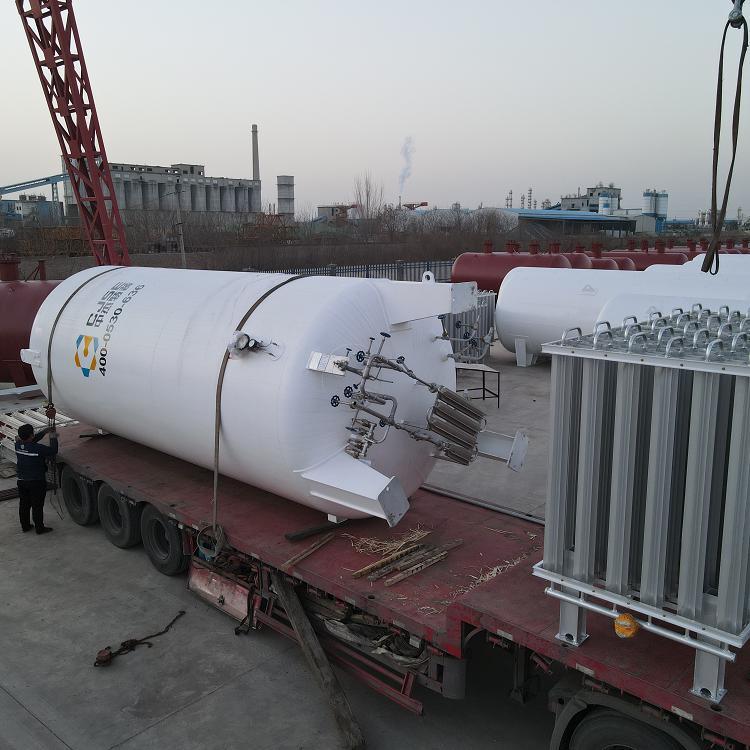
Leakage issues in carbon dioxide storage tanks may be caused by the following reasons: Material Corrosion: Carbon dioxide has some corrosive properties, and prolonged exposure may lead to corrosion of the tank material. Corrosion can damage the surface protective layer of the tank, causing it to lose its sealing properties and leading to leakage. Welding Defects: There may be welding defects at the tank's焊接 joints, such as crack in the welds, gas pores, etc. These defects can weaken the strength of the welded area, causing leakage. Design Defects: Inadequate design or defects in the tank's design may also result in leakage. For example, improperly designed interfaces, unreasonable structural design, etc., can all lead to leakage issues in the tank. Overpressure: If the internal pressure of the tank exceeds its capacity, it may cause deformation or rupture of the tank, leading to leakage. Temperature Fluctuations: During temperature changes, the carbon dioxide tank may deform or develop stress concentration due to thermal expansion and contraction, causing leakage. Incorrect Operation: Improper operation and maintenance may also cause tank leakage. For example, over-tightening valves, improper maintenance measures, etc., can all lead to a decrease in the tank's sealing performance. External Damage: Impact, scratching, or corrosion from external forces on the tank may cause surface damage or corrosion, leading to leakage. To avoid leakage issues in carbon dioxide storage tanks, it is important to select appropriate materials, adopt reasonable design and manufacturing processes, and conduct regular inspections and maintenance. Additionally, operators should receive training and adhere to operational procedures to ensure the safe operation of the tank.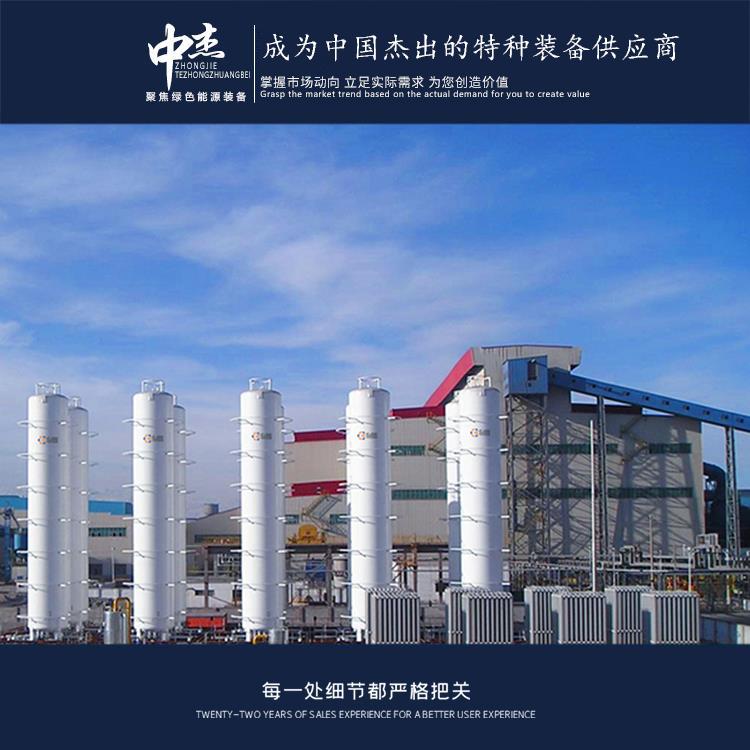
The reasons for not allowing a CO2 cylinder to remain empty for extended periods are mainly as follows:
1. Safety Risks: CO2 is a high-pressure gas that must maintain a certain pressure within the cylinder to remain in liquid form. Releasing CO2 from the cylinder into the atmosphere over a long period can lead to a drop in pressure, potentially causing structural failure or explosions, posing safety hazards.
2. Resource Waste: CO2 is a valuable resource with wide applications in industries and other sectors. Allowing a CO2 cylinder to remain empty for long periods is a waste of resources and does not align with sustainable development principles.
3. Environmental Impact: CO2 is a greenhouse gas, and prolonged release can increase its concentration in the atmosphere, exacerbating climate change and environmental issues.
Therefore, to ensure safety, conserve resources, and protect the environment, CO2 cylinders should be used and managed according to established procedures and requirements, avoiding prolonged empty storage. When CO2 in the cylinder is no longer needed, appropriate disposal methods should be employed, such as recycling, reuse, or safe discharge.
Our company attaches great importance to technological innovation and R&D design. We have one municipal-level enterprise technology center in Heze City, equipped with testing facilities for non-destructive testing, physical and chemical testing, welding testing, hydrostatic testing, etc. We have over 600 types of equipment, including CNC machine tools, X-ray flaw detectors, digital ultrasonic flaw detectors, mechanical property testing machines, chemical analyzers, spectrometers, tensile testing machines, plasma welding machines, and more. The key products we have developed, such as temperature and pressure vessel welding, biomass boiler emission reduction, and waste heat utilization, have successively been selected for multiple Shandong Provincial Department of Industry and Information Technology science and technology innovation projects, Shandong Provincial key projects, and Heze City innovation and excellence projects. We have accumulated 27 authorized utility models, 16 authorized inventions, participated in drafting 2 standards, 2 industry standards, and registered 15 trademarks. Our technical team, in collaboration with Professor Yajiang Li of Shandong University, has developed deep cryogenic container processing technology using the international plasma arc + filler wire tungsten inert gas arc welding (PAW-GTAW) technology. This technology has been appraised as reaching international standards in the field of deep cryogenic container manufacturing at the provincial level. Choose Zhongjie Special Equipment, and let's create brilliance together!
WeChat Official Account

Scan to follow Official Account



















