


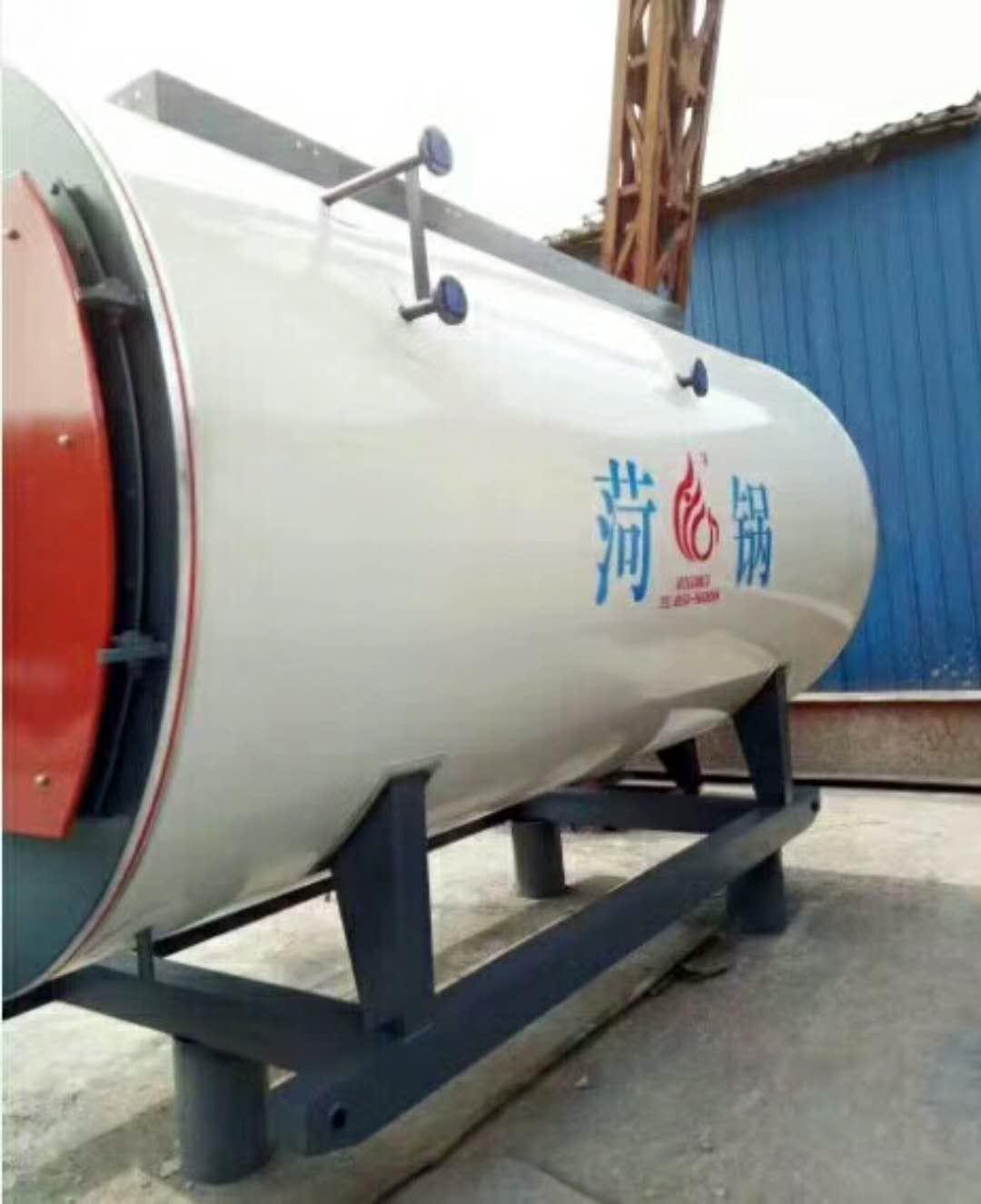

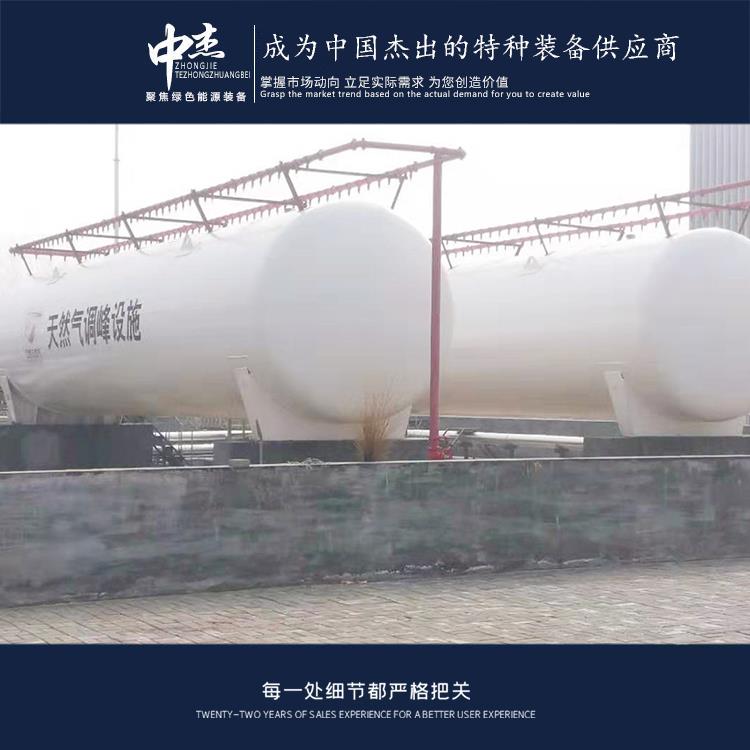
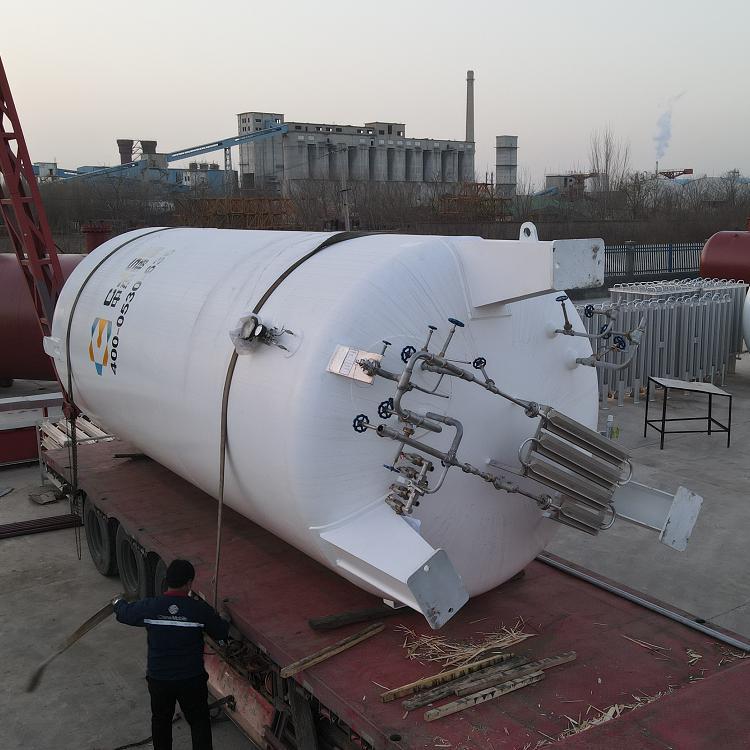


















Shandong Zhongjie Special Equipment specializes in: fuel (gas) boilers, organic heat carrier boilers, biomass boilers, waste heat recovery boilers, and other boiler products; vacuum insulation cryogenic pressure vessels such as LNG storage tanks, oxygen/nitrogen/argon storage tanks, and CO2 storage tanks; pressure vessel products including denitrification engineering equipment, heat storage and energy storage equipment, and complete chemical equipment; central air conditioning and HVAC equipment such as ground (water) source heat pumps, air source units, water-cooled screw units, and air-cooled modular units. Planned products include large-scale energy centers, LNG transport vehicles, LNG tank containers, and other green energy equipment.
To maintain the stability of liquid argon tanks, the following details should be noted:
Basic Design: The foundation design of the tank must comply with relevant standards and regulations to ensure stability and load-bearing capacity. The foundation should possess sufficient strength and seismic resistance to withstand the impact of external forces and natural disasters such as earthquakes.
Foundation Construction: During the foundation construction process, ensure the foundation is level and even to prevent tilting or uneven settlement. Additionally, the concrete pouring should comply with construction specifications to guarantee the quality and strength of the concrete.
Installation Process: During the storage tank installation, appropriate lifting equipment and safety measures must be used to ensure the vertical installation and stability of the tank. Avoid severe vibrations and impacts during the installation process to prevent damage or deformation to the tank.
Support Structure: The support structure of the tank should be designed reasonably to ensure the stability and load-bearing capacity of the tank. It should be made of sturdy materials and utilize appropriate connection methods to withstand external forces and the pressure from the liquid inside the tank.
Safety Devices: Tanks should be equipped with safety devices such as pressure relief valves and level alarms to ensure timely action can be taken in abnormal situations, safeguarding the tank's safety.
Regular inspections and maintenance: Conduct regular checks and maintenance on liquid argon tanks, including visual inspections, pressure tests, and leak detection, as well as non-destructive testing and material analysis as required. Promptly identify and address any issues with the tanks to ensure their stability and safety.
Note that the installation of liquid argon tanks should be performed by experienced personnel and in accordance with relevant safety operation procedures and standards. During the installation process, operate strictly according to the manufacturer's installation guidelines and requirements to ensure the stability and safety of the tank.
Low-temperature industrial gas filling stations are facilities used to fill gas storage tanks with liquefied low-temperature industrial gases, such as liquid oxygen, liquid nitrogen, and liquid argon. Here is some basic information about low-temperature industrial gas filling stations:
Tank Types: Low-temperature industrial gas tanks commonly use double-walled vacuum insulated tanks, with the inner wall for storing liquid gas and the outer wall for insulation and heat preservation to minimize heat transfer and evaporation loss of the liquid gas.
Filling Equipment: Low-temperature industrial gas storage tank filling stations include liquid-gas filling pumps, filling pipelines, flowmeters, pressure sensors, and other equipment. The liquid-gas filling pumps are used to extract liquid gas from storage tanks or gas holders and fill it into the target storage tank.
Filling Process: The operation procedure at the filling station typically includes the following steps: Preparations (checking equipment, preparing filling medium), Equipment Connection (connecting filling pumps, pipes, etc.), Equipment Activation (starting the filling pump, adjusting flow and pressure), Filling Operation (filling liquid gas into the target storage tank), Monitoring and Control (monitoring parameters such as pressure and flow during the filling process to ensure safety and quality), and Operation Completion (shutting down equipment, cleaning the work area).
Safety Measures: Strict adherence to relevant safety operation procedures and standards is required during the operation of low-temperature industrial gas storage tank filling stations. Operators must receive training to understand the properties and safety precautions of liquefied gases. Additionally, filling stations should be equipped with safety equipment such as pressure sensors and safety valves to ensure safety during the filling process.
Quality Control: Quality control is required during the filling process at the filling station, including monitoring parameters such as the flow, pressure, and temperature of the filling medium to ensure accuracy and quality of the filling.
It is essential that the operation of low-temperature industrial gas storage tank filling stations be conducted by trained personnel and strictly adhere to the relevant operational procedures and safety measures. Additionally, the design and manufacturing of the filling stations must comply with applicable standards and regulations to ensure the safety and reliability of the equipment.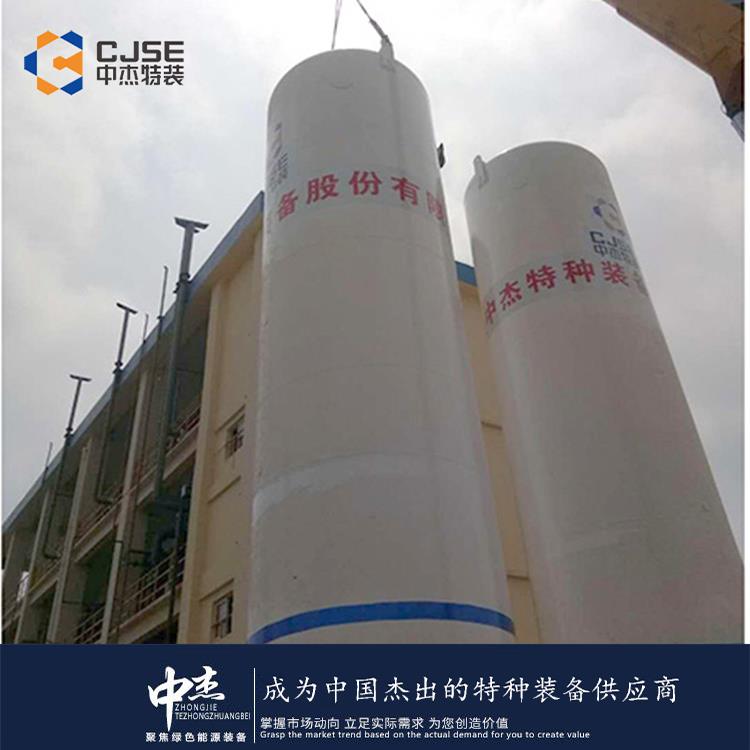
During the operation of low-temperature storage tanks, it is indeed necessary to avoid the occurrence of wrinkling. Wrinkling refers to the phenomenon where the tank walls develop creases or deformations, which may lead to a decrease in the structural integrity of the tank and could even cause leaks or ruptures.
Here are some precautions to avoid crushing in low-temperature storage tanks:
Tank Design: Select an appropriate tank design that can withstand the pressure and weight of low-temperature liquids. The tank's wall thickness, support structure, etc., should comply with relevant standards and specifications.
Material Selection: Choose materials suitable for low-temperature environments, with sufficient strength and low-temperature resistance. Common materials include low-temperature steel, stainless steel, etc.
Insulation Layer for Storage Tanks: The design and construction of the insulation layer must meet the requirements to ensure effective reduction of heat conduction and temperature variations. The material and thickness of the insulation layer should be selected based on the specific situation.
Tank Operation: During the loading and unloading of liquids in the tank, it is essential to avoid rapid or excessive liquid flow to minimize impact and stress concentration on the tank walls.
Tank Maintenance: Regularly inspect and maintain the structure and insulation of the tanks to ensure they remain undamaged. Any abnormalities or damage should be promptly repaired or replaced.
Temperature Control: During the operation of low-temperature liquid storage tanks, it is crucial to strictly control the temperature difference between the inside and outside of the tank to avoid excessive temperature changes and thermal stress.
In summary, preventing tank deformation at low temperatures hinges on proper design, material selection, insulation installation and maintenance, as well as strictly controlling temperature variations. Regular inspections and maintenance are crucial for ensuring the safe operation of the tank.
Maintenance and upkeep are crucial for ensuring the safety of low-temperature storage tanks. Here are some common maintenance measures:
Regular Inspections: Conduct regular inspections of low-temperature storage tanks, including checks on the exterior, internal structure, corrosion protection coatings, etc. Identify issues such as cracks, corrosion, wear, and promptly address potential safety hazards.
Cleaning and De-icing: Regularly clean the exterior surface and internal structure of the low-temperature storage tank to remove accumulated dirt and ice layers. The buildup of ice can lead to structural damage and corrosion; cleaning and de-icing can extend the lifespan of the tank.
Level Monitoring: Regularly monitor the liquid level in low-temperature storage tanks to ensure it remains within a safe range. Excessive or insufficient levels can lead to overpressure or over-vacuum in the tanks, increasing safety risks.
Leak Detection: Install a leak detection system to regularly check for leaks in low-temperature storage tanks. Leaks can lead to the release and evaporation of liquids or gases, increasing safety risks.
Corrosion Protection Measures: Implement appropriate corrosion protection measures, such as coating protection and corrosion-resistant coatings, to safeguard the metallic structure of low-temperature storage tanks from corrosion damage.
Emergency Fault Handling: Establish an emergency fault handling mechanism to promptly address and repair failures in low-temperature storage tanks, in order to prevent accidents from occurring or escalating.
Training and Development of Personnel: Train and develop operation and maintenance staff to ensure they possess the relevant knowledge and skills to operate and maintain low-temperature storage tanks correctly.
Be mindful that maintenance should be tailored to the specific type of storage tank and operating conditions, adhering to relevant local laws, regulations, and standards. During maintenance, it's advisable to consult with engineers or relevant agencies for guidance to ensure the tank's safety and reliability.
ZJ Special Equipment adheres to the great vision of "realizing employees' dreams, creating customer value, and striving for the prosperity and strength of our motherland," and is dedicated to the development of the green energy equipment industry. We commit to society with high-quality, cost-effective products and services!
WeChat Official Account

Scan to follow Official Account



















