


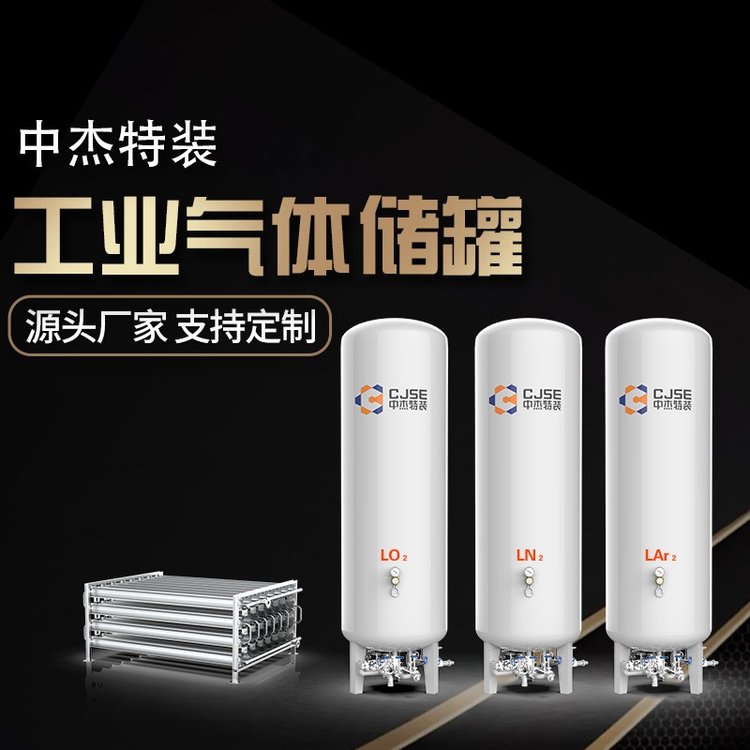

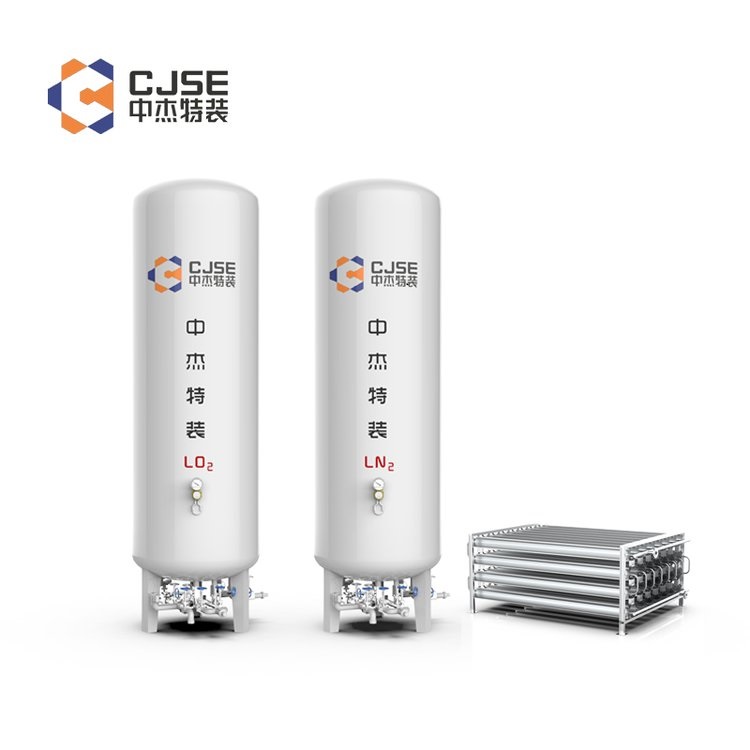
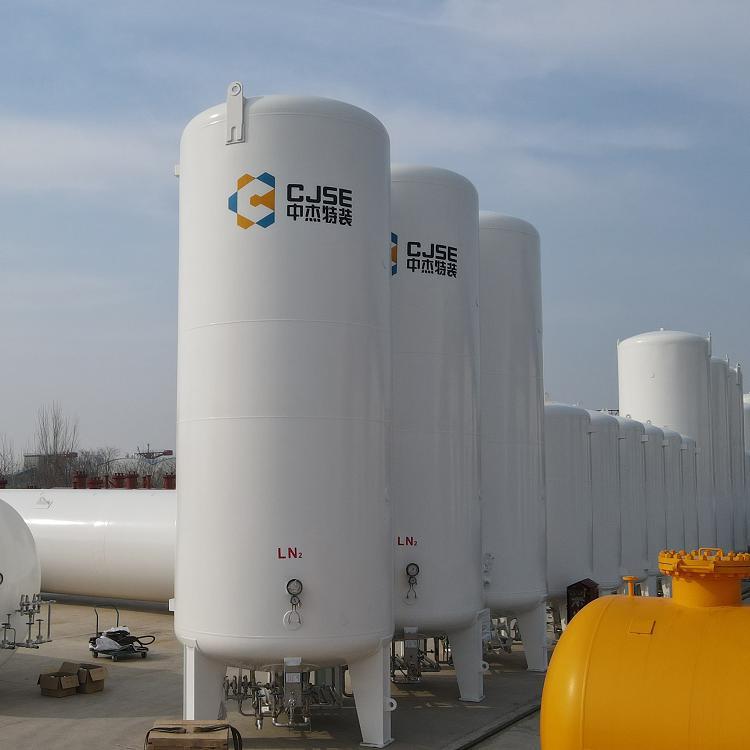


















Shandong Zhongjie Special Equipment's main products include: fuel (gas) boilers, organic heat carrier boilers, biomass boilers, waste heat boilers, and other boiler products; vacuum insulation cryogenic pressure vessels such as LNG tanks, oxygen/nitrogen/argon tanks, and CO2 tanks; pressure vessel products like denitrification engineering equipment, heat storage and energy storage equipment, and complete chemical equipment sets; central air conditioning and HVAC equipment such as ground (water) source heat pumps, air source units, water-cooled screw units, and air-cooled modular units. Planned products include large-scale energy centers, LNG transport vehicles, LNG tank containers, and other green energy equipment.
Daily inspections and maintenance of CO2 storage tanks can be conducted following these steps:
- **Visual Inspection**: Check for any obvious damage, corrosion, or oil leakage signs on the tank's exterior. Pay attention to any anomalies in the tank shell, valves, and pipe connections.
- **Internal Inspection**: If access to the interior is permitted, perform an internal check. Look for corrosion, scale, or blockages in the lining, valves, and pipes.
- **Valve and Pipe Inspection**: Verify that the tank's inlets and outlets, as well as pipe connections, are functioning normally, with no leaks or loose fittings. Ensure valves operate smoothly and reliably.
- **Pressure Relief Device Inspection**: Check that the tank's pressure relief devices (such as safety valves) are operating correctly. Confirm that the set pressure of the relief devices meets requirements.
- **Measurement and Control System Inspection**: Ensure the tank's level, pressure, and temperature measurement and control systems are functioning properly. Calibrate and test the accuracy of measuring equipment.
- **Cleaning and Draining**: Regularly clean the tank's interior of accumulated impurities and sediment. Also, perform regular draining to remove liquid and gas impurities from the tank.
- **Maintenance and Repair**: Conduct necessary maintenance and repairs based on inspection results. Repair damaged components, replace worn seals, etc., to ensure the tank operates normally.
- **Documentation and Reporting**: Document the inspection and maintenance process, including dates, inspection contents, identified issues, and measures taken. Submit inspection reports to relevant departments or management as needed.
- These are general steps for daily inspections and maintenance of CO2 storage tanks. Specific procedures should be adapted to the tank's characteristics and requirements. When conducting inspections and maintenance, follow relevant safety operating procedures and have personnel perform the tasks.
Carbon dioxide storage tanks are equipment designed for storing and transporting carbon dioxide gas, operating on the principles of pressure vessels and the physical properties of carbon dioxide. Pressure Vessel Principle: A carbon dioxide storage tank is a pressure vessel capable of withstanding the pressure of the internal gas. Typically made from high-strength materials like steel, the tank's design and structure are engineered to withstand high pressures, ensuring safe storage and transport of the gas. Compressed Gas Storage: Carbon dioxide is a gas at room temperature but can be compressed into a liquid under high pressure. Storage tanks use high pressure to compress the gas into a liquid state, achieving higher storage density. The liquid carbon dioxide occupies less volume, allowing for more gas to be stored. Level Control: The tank is equipped with a level control system to monitor and control the liquid level of carbon dioxide. This system usually includes level sensors and control valves, ensuring the tank's liquid level remains within a safe range. Pressure Control: The tank also features a pressure control system to monitor and control the internal gas pressure. This system typically includes pressure sensors and safety valves, ensuring the pressure remains within a safe range, preventing damage or safety risks from excessive or insufficient pressure. Through these principles, carbon dioxide storage tanks can safely store and transport carbon dioxide gas to meet the needs of various fields, such as food processing, beverage manufacturing, and fire suppression. When using carbon dioxide storage tanks, it is essential to follow relevant safety operating procedures and guidelines to ensure safe operation and usage.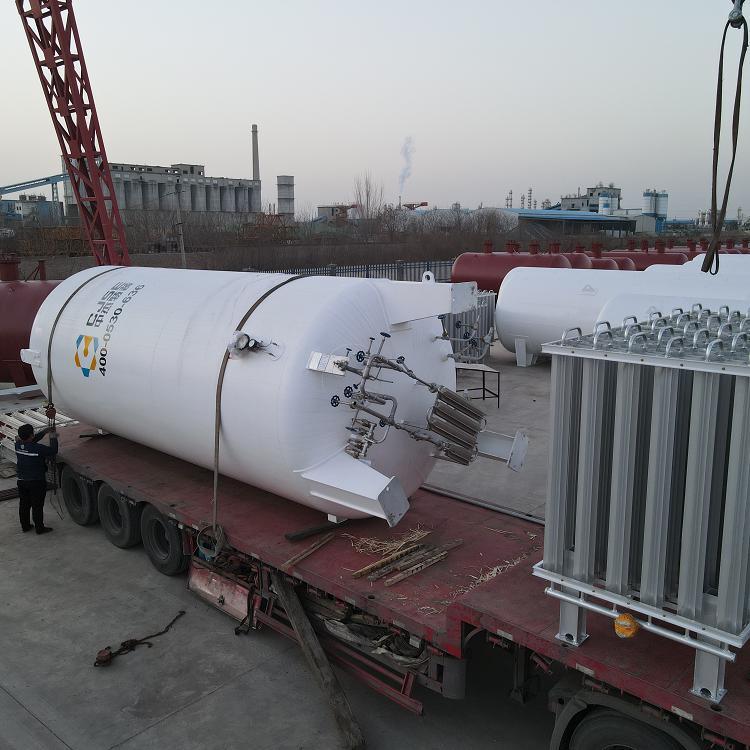
Carbon dioxide storage tank standard parameters can vary depending on design and application requirements. Here are some common standard parameters:
- Tank Capacity: The capacity of a carbon dioxide storage tank is typically expressed in kiloliters (L) or cubic meters (m). Common capacity ranges vary from a few thousand to tens of thousands of liters.
- Working Pressure: The working pressure of a carbon dioxide storage tank is usually around 20 to 25 MPa (megapascals) at room temperature, with the specific pressure determined by application needs and design standards.
- Design Temperature: The design temperature of a carbon dioxide storage tank usually falls within a low-temperature range, generally between -40°C and -60°C, to accommodate the liquefaction and storage requirements of carbon dioxide.
- Material: Carbon dioxide storage tanks are commonly made of high-strength steel or alloy materials to withstand the stresses and loads under high-pressure and low-temperature environments.
- Insulation: The interior of the tank is equipped with an insulation layer to reduce heat conduction and liquid evaporation. The insulation is typically a multi-layer structure, including insulating materials and an external protective layer.
- Safety Valve and Pressure Relief Devices: The tank is fitted with a safety valve and pressure relief devices to control internal tank pressure and prevent overpressure and explosion.
- Level Monitoring and Control: The tank is equipped with level monitoring devices to monitor the liquid level inside. Timely monitoring and control of the level ensure the liquid stored within the tank is within a safe range.
- Note that specific standard parameters for carbon dioxide storage tanks may vary due to different design standards, application requirements, and manufacturers. When selecting and using carbon dioxide storage tanks, it is important to consider these factors.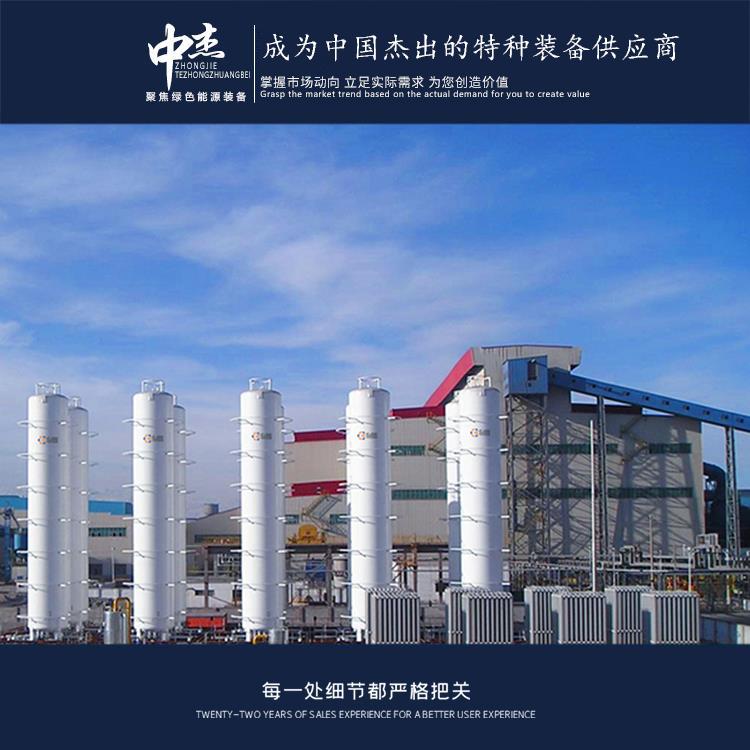
There are several types of carbon dioxide storage tanks: Atmospheric Pressure Tanks: Atmospheric pressure tanks are containers for storing carbon dioxide with operating pressures close to atmospheric pressure. They are suitable for low-pressure applications such as the beverage industry and gas fire suppression systems. High Pressure Tanks: High pressure tanks are containers for storing carbon dioxide with operating pressures above atmospheric pressure. They are commonly used in industrial fields like chemicals and refrigeration. Liquefied Storage Tanks: Liquefied storage tanks are containers for storing liquid carbon dioxide at temperatures below room temperature. They are typically used for scenarios requiring large amounts of liquid carbon dioxide, such as food freezing and pharmaceutical manufacturing. Vaporization Storage Tanks: Vaporization storage tanks are containers for storing gaseous carbon dioxide after liquefaction, with temperatures and pressures suitable for vaporization. They are usually used for situations where liquid carbon dioxide needs to be vaporized for supply, such as carbonation in beverages and welding. Insulated Storage Tanks: Insulated storage tanks are containers with excellent thermal insulation properties, used to reduce heat transfer and liquid evaporation. They are typically used for long-term storage of liquid carbon dioxide, such as in scientific research and refrigeration. It is necessary to select the appropriate type of carbon dioxide storage tank based on specific application and scenario requirements, and to operate and manage them in accordance with relevant regulations and standards.
Shandong Zhongjie Special Equipment, welcome customers to visit our factory for business discussions.
WeChat Official Account

Scan to follow Official Account



















