


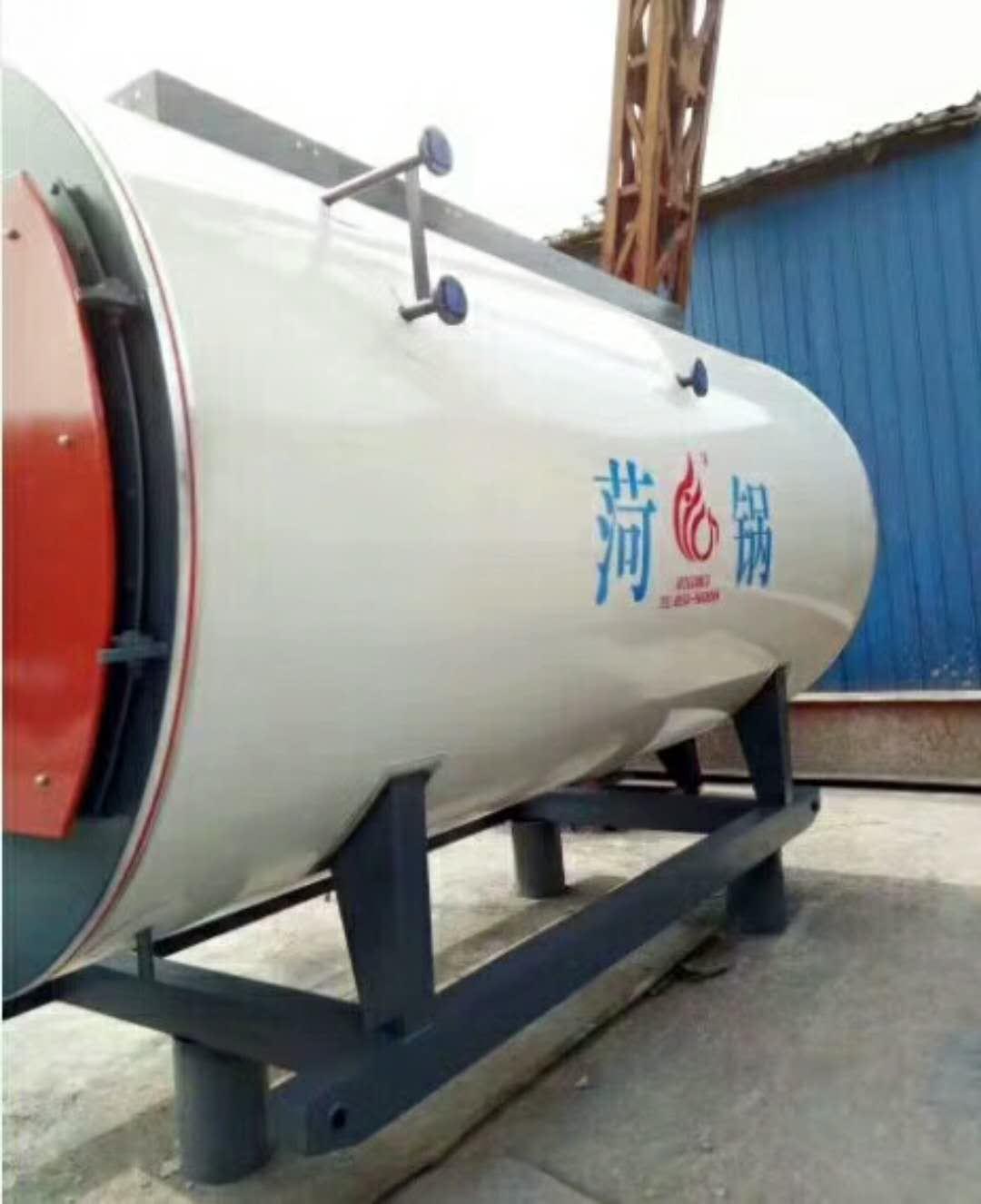

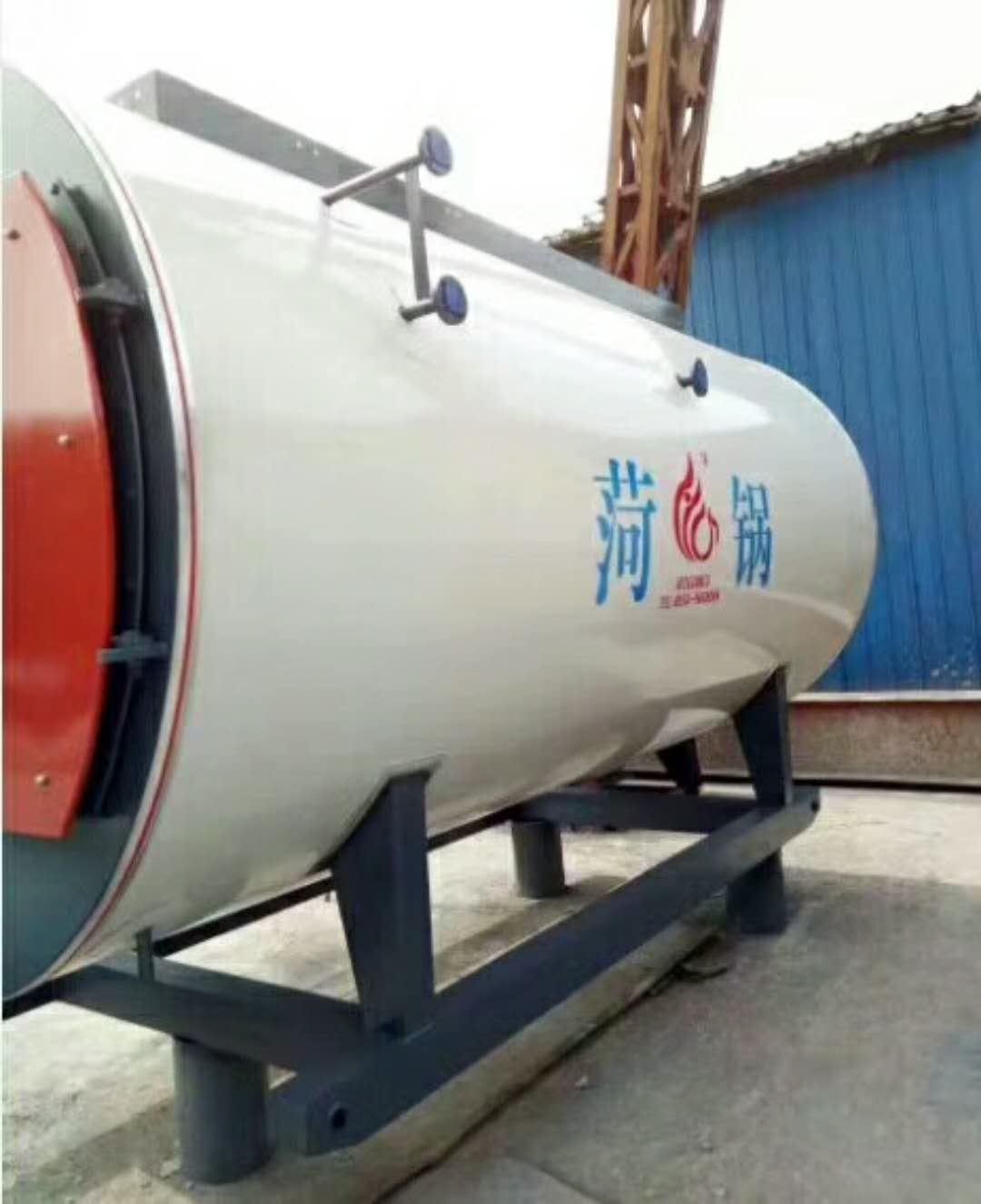
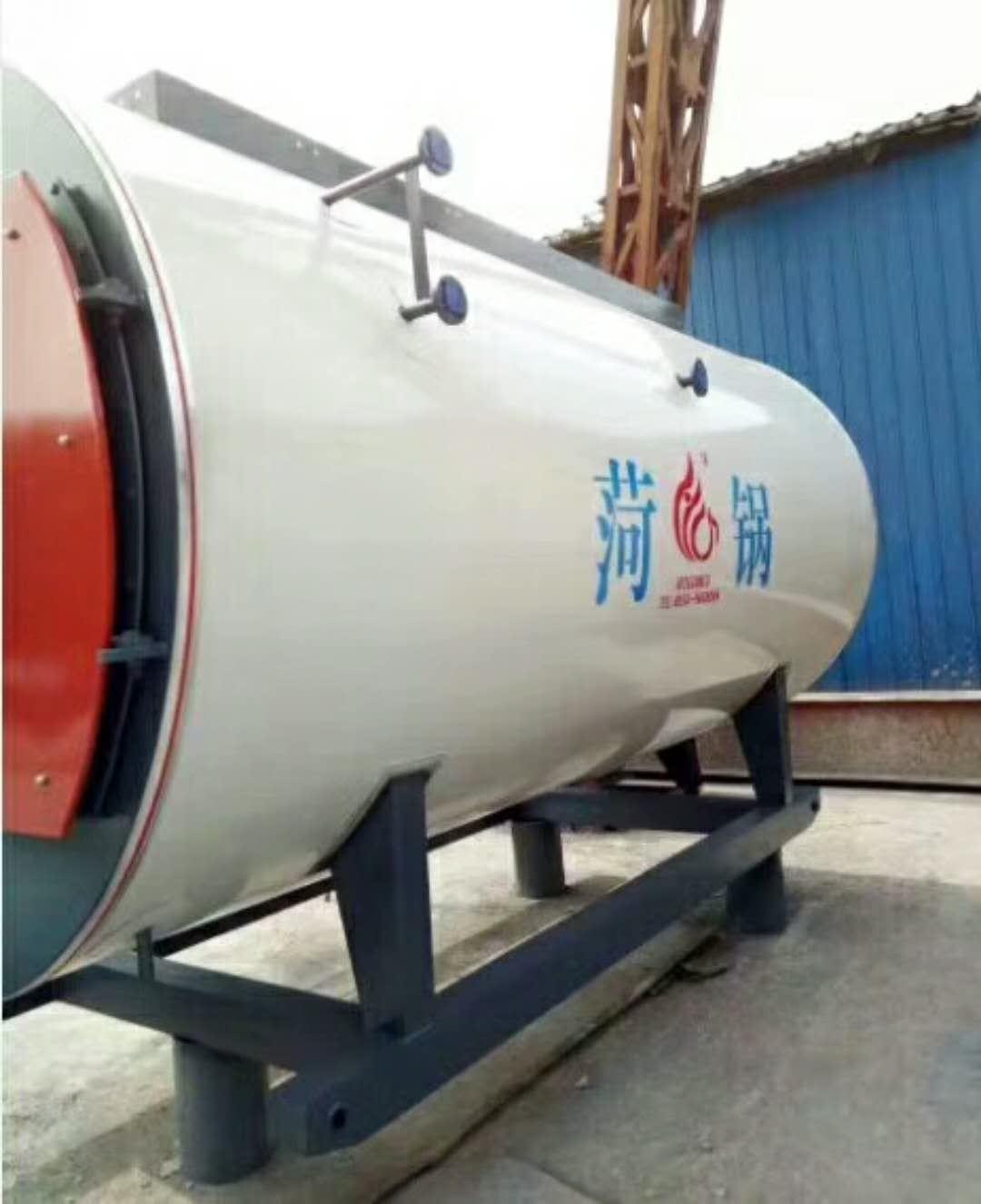


















Shandong Zhongjie Special Equipment's main products include: fuel (gas) boilers, organic heat carrier boilers, biomass boilers, waste heat recovery boilers, and other boiler products; vacuum insulation cryogenic pressure vessels such as LNG tanks, oxygen/nitrogen/argon tanks, CO2 tanks; pressure vessel products such as denitrification engineering equipment, heat storage and energy storage equipment, complete chemical equipment; central air conditioning and ventilation equipment such as ground (water) source heat pumps, air source units, water-cooled screw units, and air-cooled modular units. Planned products include large-scale energy centers, LNG transport vehicles, LNG tank containers, and other green energy equipment.
Tanks are specialized storage equipment that require regular inspections and maintenance to ensure safe operation. Here are common inspection methods for tanks:
Appearance Inspection: Regularly inspect the exterior of the storage tank for any signs of leakage, corrosion, deformation, cracks, etc. Pay special attention to the integrity of the tank's joints, welds, and valves.
Pressure Test: Conduct pressure tests to inspect the tank's sealing performance and pressure resistance. Use a pressure gauge or pressure sensor to perform pressure tests on the tank to ensure it can withstand the designed pressure.
Ultrasonic Testing: Ultrasonic testing is used to detect corrosion, cracks, and other issues in tank walls. By scanning the tank with an ultrasonic detection instrument, potential defects and problems are identified.
Magnetic Particle Inspection: Magnetic particle inspection is used to detect cracks and weld quality in storage tank walls. By applying magnetic particles to the tank surface and then using a magnetic particle inspection device to observe for particle accumulation, it can determine the presence of cracks or weld issues.
Environmental Monitoring: Regularly conduct environmental monitoring around storage tanks, including gas concentration and temperature measurements, to ensure the safety of the surrounding environment.
Note that the inspection of storage tanks should be conducted by a certified inspection agency or qualified inspectors. The frequency and methods of inspection should be determined based on the tank's usage, size, and relevant regulatory requirements. Regular inspections and maintenance can help identify potential issues early on, ensuring the safe operation of the storage tank.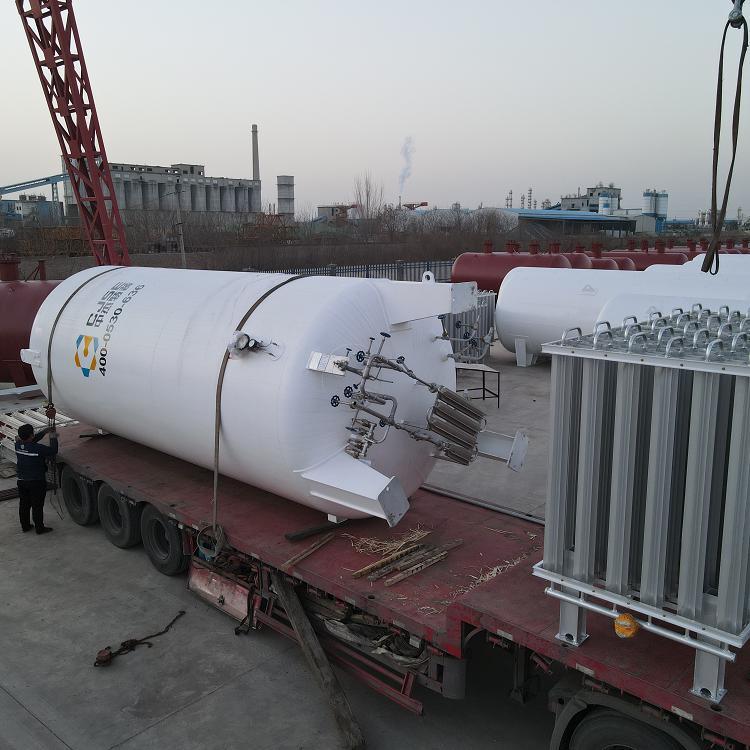
Liquid nitrogen tanks are equipment used for storing and transporting liquid nitrogen. To ensure safe operation, here are some common operational protection procedures for liquid nitrogen tanks:
Tank Installation: Tanks should be installed on a sturdy and level foundation, away from fire sources and flammable materials. Good ventilation around the tank is essential to prevent gas accumulation. Adequate safety distances should be maintained between the tank and other equipment or buildings.
Liquid Nitrogen Filling: When filling with liquid nitrogen, appropriate liquid nitrogen transfer equipment should be used to avoid direct contact. During the filling process, the flow rate and pressure of the liquid nitrogen should be controlled to prevent over-filling, which could lead to excessive pressure in the storage tank.
Tank Pressure Control: Tanks should be equipped with pressure control devices to ensure the internal pressure of the tank remains within a safe range. Regularly inspect and maintain the pressure control devices to ensure their proper functioning.
Leak Detection and Alarm Systems: Storage tanks should be equipped with leak detection and alarm systems to promptly detect and alert of any tank leaks. Regularly inspect and maintain the leak detection equipment to ensure proper functioning.
Fire and Explosion Prevention Measures: A fire-resistant isolation zone should be established around the storage tank, keeping it away from fire sources and flammable materials. The tank itself should adopt fire and explosion prevention measures, such as fire-resistant coatings and explosion-proof devices, to prevent fires and explosions.
Regular inspections and maintenance: Regularly inspect the tank's exterior, valves, and connections, ensuring they are undamaged. Conduct regular leak tests and pressure tests to ensure the tank's safety performance meets requirements.
Safety Training and Awareness Enhancement: Conduct safety training for operators to enhance their awareness and ability to safely handle liquid nitrogen tanks. Regularly hold safety training and drills to respond to emergencies.
Manage records and documents: Establish comprehensive management records and documents, including tank usage, inspection logs, maintenance records, etc. Regularly review and update the management records to ensure safe management and maintenance of the tanks.
Note that the above are some common protective procedures, which may vary depending on the type of storage tank and application. When using liquid nitrogen tanks, operate according to relevant specifications and standards, and consult with experts to ensure safety and effectiveness.
Liquid nitrogen storage tanks feature the following characteristics during construction:
Low-Temperature Construction: The construction of liquid nitrogen tanks must be carried out in a low-temperature environment, as liquid nitrogen has a low boiling point of approximately -196 degrees Celsius. Construction personnel must take appropriate protective measures, such as wearing insulated clothing and gloves, to protect themselves from cold injuries.
Welding Technology: Extensive welding is required during the manufacturing process of liquid nitrogen tanks, including the connections of the tank walls, bottom, top, and seams. Welding technology is crucial for the quality and safety of the tank, necessitating the use of appropriate welding methods and materials to ensure the strength and密封性 of the seams.
Insulation Layer Installation: Liquid nitrogen tanks must have excellent insulation properties to minimize heat conduction and retain the low temperature state of liquid nitrogen. The installation of the insulation layer requires materials such as polyester foam and glass wool, ensuring the thickness and quality of the insulation layer.
Proper installation steps for a liquid nitrogen tank are as follows:
Site Preparation: Select an appropriate site for tank installation, ensuring it is level, sturdy, and has adequate load-bearing capacity. The site should be located away from flammable, explosive materials, and other hazardous sources.
Foundation Construction: Construction of the foundation based on the tank's dimensions and weight, including excavation of the foundation pit, pouring of concrete foundation, etc. The design and construction of the foundation should comply with relevant standards and specifications.
Tank Installation: Transport the tank to the site and install it vertically. Appropriate lifting equipment and safety measures must be used during installation to ensure the stability and safety of the tank.
Pipe Connection: Connect the tank to the relevant pipeline system as required, including intake pipes, exhaust pipes, and liquid supply pipes. Sealing and testing must be performed during the connection process to ensure the safety of the pipes.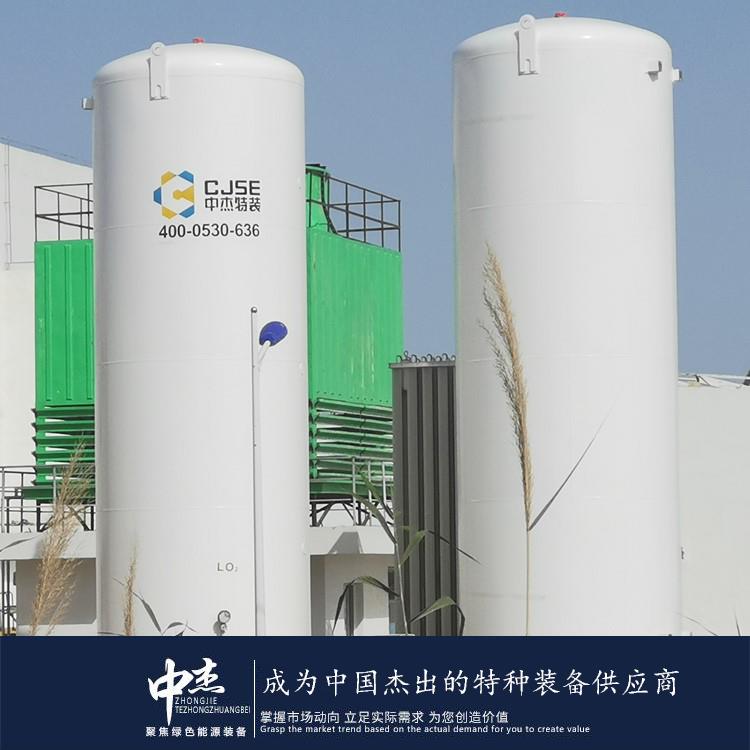
Maintenance and care of liquid nitrogen tanks are crucial for ensuring safe operation and extending their lifespan. Here are the maintenance and care methods for liquid nitrogen tanks:
Regular Inspections: Conduct regular inspections of the exterior and interior of liquid nitrogen tanks, including checking for leaks, corrosion, wear, or other damage. Pay special attention to inspecting the tank's interfaces, valves, and pipelines to ensure proper operation.
Cleaning and Defrosting: Regularly clean the exterior surface of the liquid nitrogen tank to remove dust and dirt. If there is ice or frost inside the tank, defrosting is required to maintain the normal operation of the tank.
Level Monitoring: Regularly monitor the liquid nitrogen tank's level to ensure the stored quantity of liquid nitrogen remains within a safe range. In case of an abnormal level, adjust or replenish liquid nitrogen promptly.
Regular inspection and replacement of components: Periodically inspect and replace critical parts of liquid nitrogen storage tanks, such as safety valves, pressure sensors, and temperature sensors. Ensure the normal operation and accuracy of these components.
Inspect Insulation Layer: Regularly inspect the liquid nitrogen tank's insulation layer to ensure its integrity and insulating properties. In case of any damage or aging of the insulation, timely repair or replacement is required.
Regular Calibration: Regularly calibrate the gauges and sensors of liquid nitrogen tanks to ensure accuracy and reliability. Calibration should be performed according to relevant standards and specifications.
Safety Training and Operating Procedures: Conduct regular safety training for liquid nitrogen tanks to ensure operators are familiar with the safe operating procedures and emergency response measures.
It's important to note that maintenance of liquid nitrogen tanks should be performed by trained and authorized personnel. Adhere to relevant safety regulations and operational guidelines to ensure the safety and effectiveness of the maintenance work.
Shandong Zhongjie Special Equipment, welcome customers to our factory for business discussions.
WeChat Official Account

Scan to follow Official Account



















