


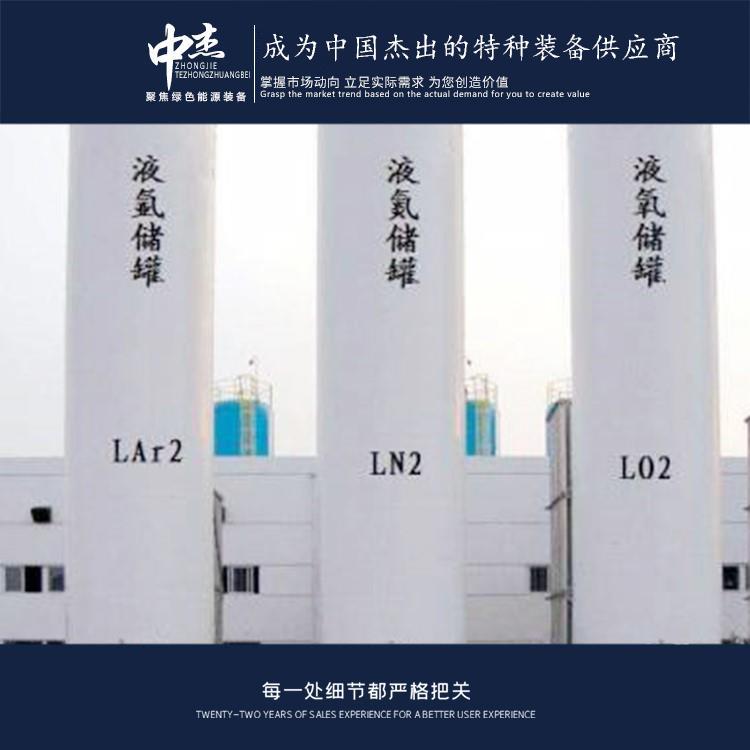

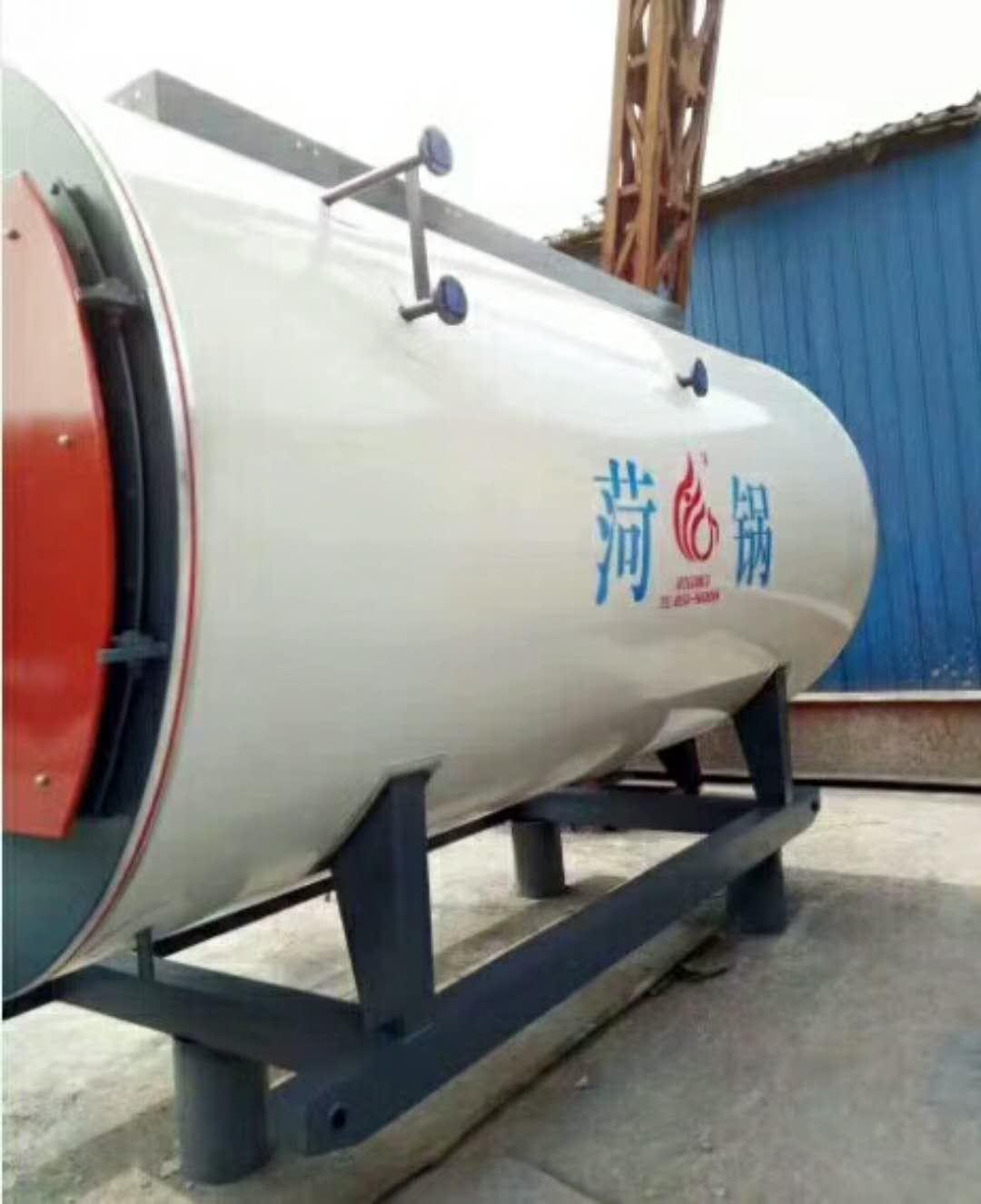


















Shandong Zhongjie Special Equipment (formerly Heze Boiler Factory Co., Ltd.) holds an A-grade boiler manufacturing license, an A2-grade pressure vessel manufacturing license, an A2-grade pressure vessel design license, a B-grade boiler installation license, and GB2/Class, GC2/Class pressure pipeline installation licenses, as well as an electromechanical installation contracting qualification. It is a member of the China Boiler and Water Treatment Association, the China Chemical Equipment Association, and a council member of the Shandong Equipment Manufacturing Association. The company has also passed certifications for the ISO9001 Quality Management System, ISO14001 Environmental Management System, OHSAS18001 Occupational Health and Safety Management System, and the American ASME/U2 certification.
Pressure Vessel Standards: Liquid carbon dioxide storage tanks are generally considered pressure vessels, and their design, manufacturing, and use should comply with the relevant pressure vessel standards. In China, common pressure vessel standards include GB150 "Steel Pressure Vessels" and GB18435 "Storage Tanks." Safety Standards: The use of liquid carbon dioxide storage tanks should comply with relevant safety standards and regulations. For instance, in China, the safe use of liquid carbon dioxide storage tanks should follow standards such as GB50028 "Design Code for Petroleum and Chemical Enterprises" and GB50016 "Building Design Fire Prevention Code." Inspection and Testing Standards: The inspection and testing of liquid carbon dioxide storage tanks should comply with the corresponding standards and regulations. For example, the regular inspection of liquid carbon dioxide storage tanks can refer to GB/T 19638 "Regulations for Periodic Inspection of Pressure Vessels." Environmental Protection Standards: The use of liquid carbon dioxide storage tanks should comply with relevant environmental protection standards and regulations. For instance, in China, the exhaust emissions from liquid carbon dioxide storage tanks should meet standards such as "Emission Standards of Air Pollutants."
Carbon dioxide has several key applications in carbonated beverages:
1. Creating bubbles and texture: Carbon dioxide is the key ingredient responsible for the effervescence and fizzy texture in carbonated drinks. When dissolved in the beverage, it forms bicarbonate ions, resulting in the bubbling and effervescence. This creates a unique texture and taste in carbonated drinks.
2. Adjusting pH levels: Carbon dioxide reacts with water to form carbonic acid, which helps regulate the pH levels in carbonated beverages. By controlling the amount of carbon dioxide dissolved, the acidity can be adjusted to achieve a suitable taste and mouthfeel.
3. Providing a refreshing sensation: The carbon dioxide bubbles in carbonated drinks give a refreshing feeling. When consumed, the bubbles stimulate the taste buds on the tongue, creating a cool and tingling sensation, enhancing the beverage's taste and mouthfeel.
4. Extending shelf life: Carbon dioxide serves as a preservative in carbonated drinks, as its acidity and properties inhibit the growth of microorganisms, thus extending the shelf life of carbonated beverages.
It is important to note that excessive consumption of carbonated drinks may have negative health effects, such as tooth decay and osteoporosis. Therefore, moderate consumption is recommended.
To maintain the stability of carbon dioxide storage tanks, the following details should be taken into account:
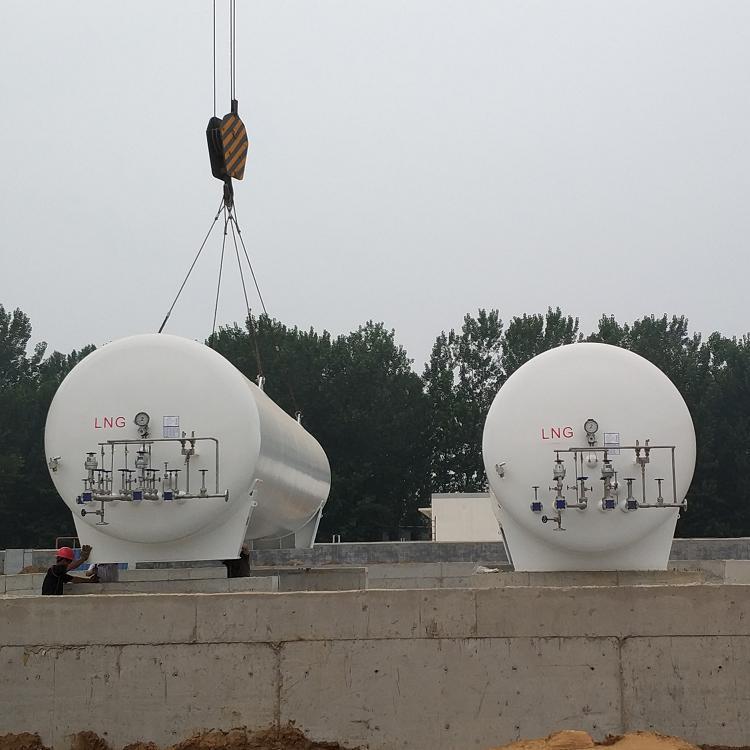
- Foundation Design: The foundation design of the tank must comply with relevant standards and regulations, ensuring adequate strength and stability. The foundation should consider the tank's weight, pressure, and geological conditions to ensure the tank is securely placed on the foundation.
- Padding and Fastening Devices: Appropriate padding, such as rubber or steel plates, should be placed between the tank and the foundation to reduce friction and vibration. Additionally, use fastening devices like bolts or welding to secure the tank to the foundation, preventing movement and tilting.
- Leveling the Site: The site for installing the tank should be kept level with no significant tilt or unevenness. If there are issues with tilt or unevenness, adjustments and corrections should be made to ensure the tank's stability.
- Earthquake Measures: In regions prone to earthquakes, additional earthquake-resistant measures are required, such as installing earthquake supports and enhancing the tank's seismic resistance to improve stability.
- Regular Inspections: Conduct regular checks on the tank's fastening devices and connection points to ensure they are intact. If loose, worn, or damaged conditions are found, repairs or replacements should be made promptly.
- Load Distribution: Uniformly distribute loads above the tank, such as platforms or pipelines, to balance the weight distribution of the tank and reduce the impact of uneven loads on stability.
- Safety Distance: The tank should maintain a sufficient safety distance from other equipment, buildings, and fire sources to prevent accidental collisions or fires from affecting the tank's stability.
It is important to note that the installation of carbon dioxide
There are several types of carbon dioxide storage tanks:
- Atmospheric Pressure Tanks: These are containers designed for storing carbon dioxide at pressures close to atmospheric pressure. They are suitable for low-pressure applications such as the beverage industry and gas fire suppression systems.
- High Pressure Tanks: High pressure tanks are designed for storing carbon dioxide at pressures above atmospheric pressure. They are commonly used in industrial sectors like chemical processing and refrigeration.
- Liquid Storage Tanks: These tanks are used to liquefy and store carbon dioxide at temperatures below room temperature. They are typically employed in scenarios requiring large quantities of liquid carbon dioxide, such as food freezing and pharmaceutical manufacturing.
- Gasification Tanks: Gasification tanks are for storing liquid carbon dioxide in a gaseous state, with temperatures and pressures suitable for the gasification process. They are often used when supplying gaseous carbon dioxide, such as for carbonation in beverages or welding.
- Insulated Tanks: Insulated tanks have excellent thermal insulation properties to minimize heat transfer and liquid evaporation. They are commonly used for long-term storage of liquid carbon dioxide, such as in scientific research and cold storage.
It is essential to select the appropriate type of carbon dioxide storage tank based on specific application requirements and scenarios, and to operate and manage them in accordance with relevant regulations and standards.
Shandong Zhongjie Special Equipment, welcome customers to our factory for business discussions.
WeChat Official Account

Scan to follow Official Account



















