


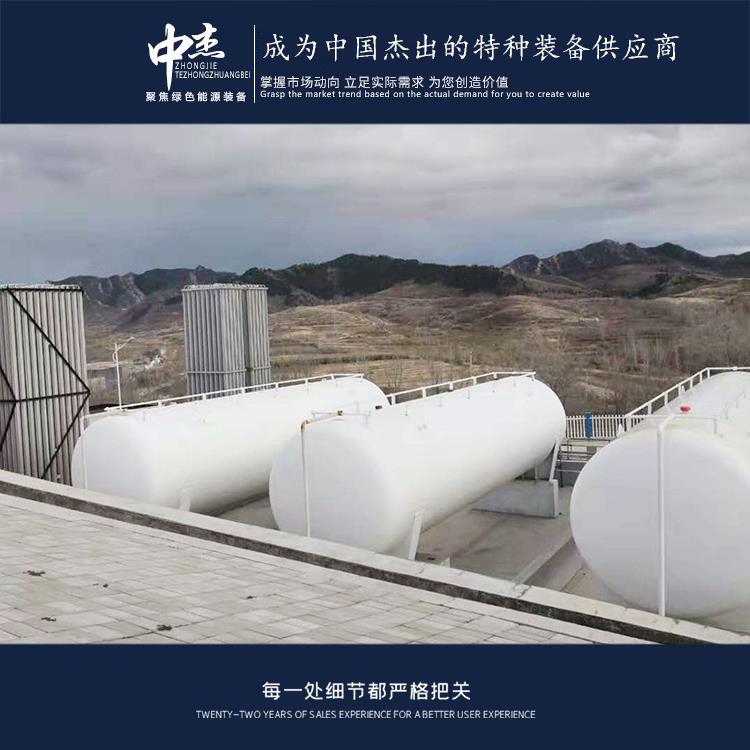

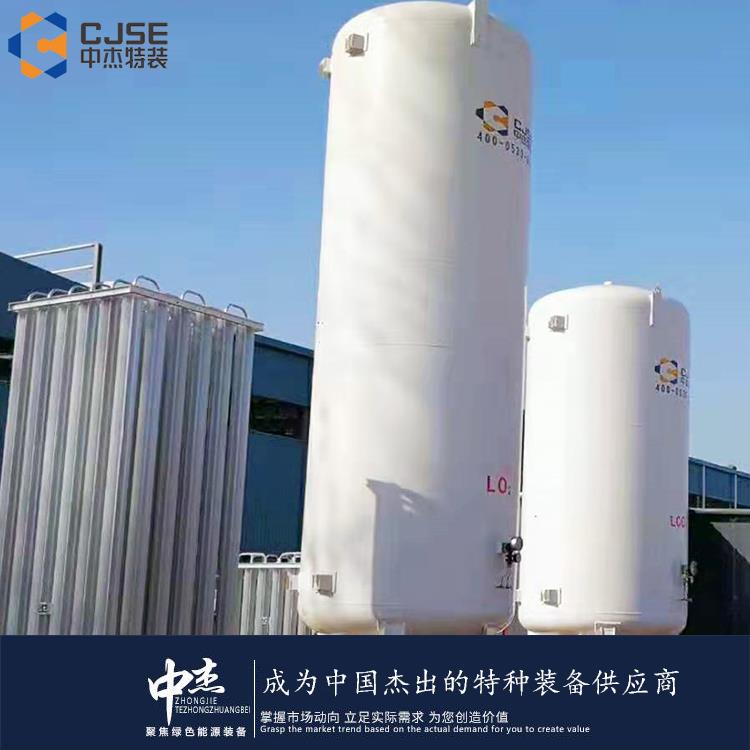
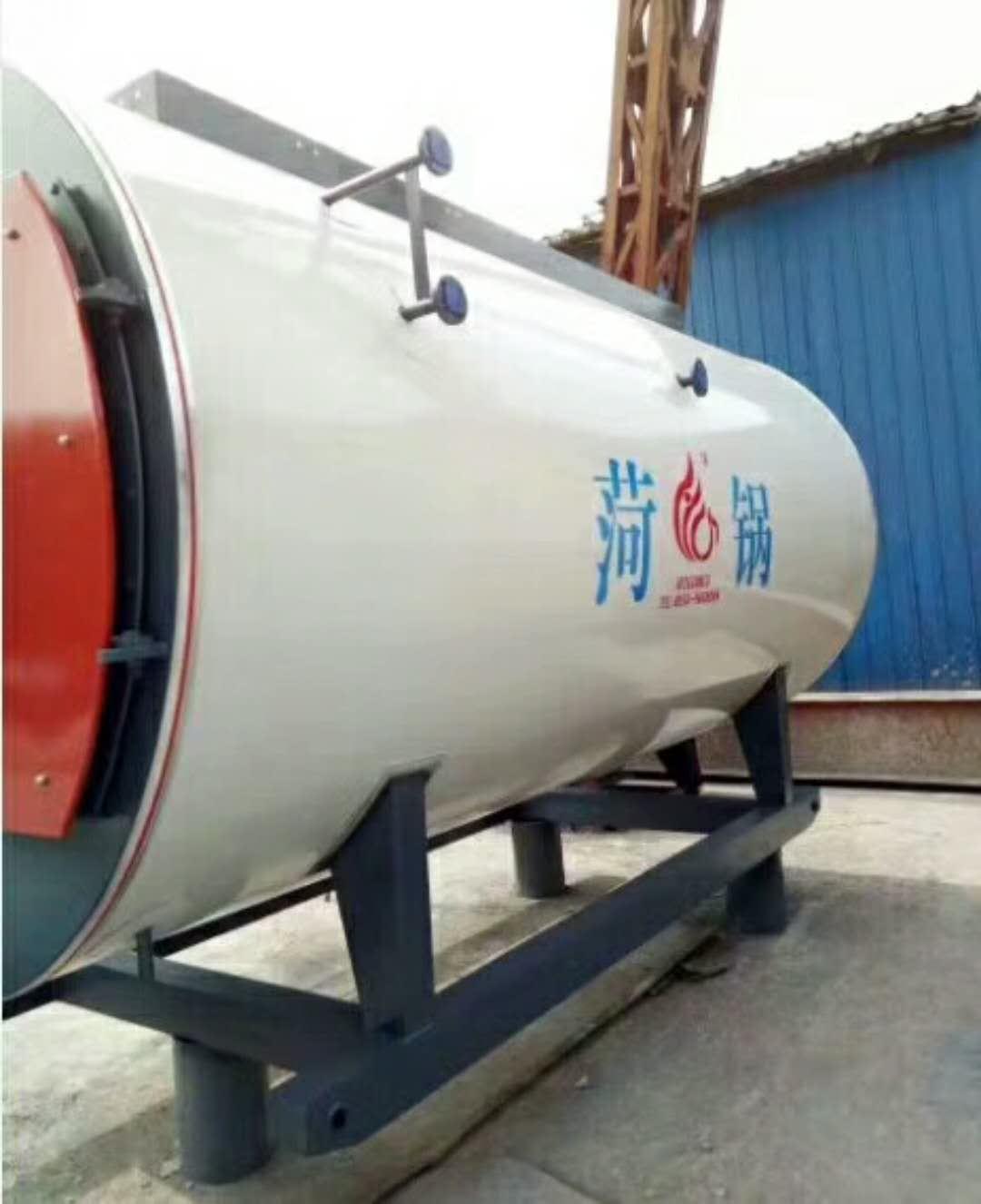


















Shandong Zhongjie Special Equipment (formerly Heze Boiler Factory Co., Ltd.) holds an A-grade boiler manufacturing license, an A2-grade pressure vessel manufacturing license, an A2-grade pressure vessel design license, a B-grade boiler installation license, and GB2/Class GC2 pressure pipeline installation licenses, as well as an electromechanical equipment installation contracting qualification. It is a member of the China Boiler and Water Treatment Association, the China Chemical Equipment Association, and a director unit of the Shandong Equipment Manufacturing Association. The company has also passed certifications for the ISO9001 Quality Management System, ISO14001 Environmental Management System, OHSAS18001 Occupational Health and Safety Management System, and the American ASME/U2 certification.
Carbon dioxide storage tanks are equipment used for storing and supplying carbon dioxide gas. The parameters, functions, and features are as follows:
Parameters:
- Capacity: The capacity of carbon dioxide storage tanks can be customized to meet requirements, typically expressed in the volume of liquid carbon dioxide, such as kiloliters or cubic meters.
- Pressure: The internal pressure of the tank is usually controlled within a safe range to ensure the safety of storage and supply.
- Temperature: Carbon dioxide storage tanks typically need to be maintained at low temperatures to maintain the liquid state of carbon dioxide.
Functions:
- Storage: Carbon dioxide storage tanks can compress carbon dioxide gas into a liquid state, achieving high-density storage, saving space and costs.
- Supply: Carbon dioxide within the tank can be supplied to the required fields through pipelines or other methods, such as the food and beverage industry, fire extinguishing, etc.
Features:
- Eco-friendly and Renewable: Carbon dioxide is an environmentally friendly gas. By storing and utilizing carbon dioxide, its emissions into the atmosphere can be reduced, achieving environmental protection and sustainable development.
- Safe and Reliable: During the design and manufacturing process, carbon dioxide storage tanks usually employ high-strength materials with good pressure resistance and safety. The tank is equipped with safety valves, pressure gauges, and other accessories to ensure safe operation.
- Multiple Application Fields: Carbon dioxide storage tanks are widely used in the food and beverage industry, fire extinguishing, and other fields. Carbon dioxide can be used as a preservative, carbonation agent, gas, and fire extinguishing agent, with a wide range of applications and market demand.
In summary, carbon dioxide storage tanks feature high-density storage, safety and reliability, eco-friendliness and renewability, and multiple application fields, making them an important device for storing and supplying carbon dioxide gas.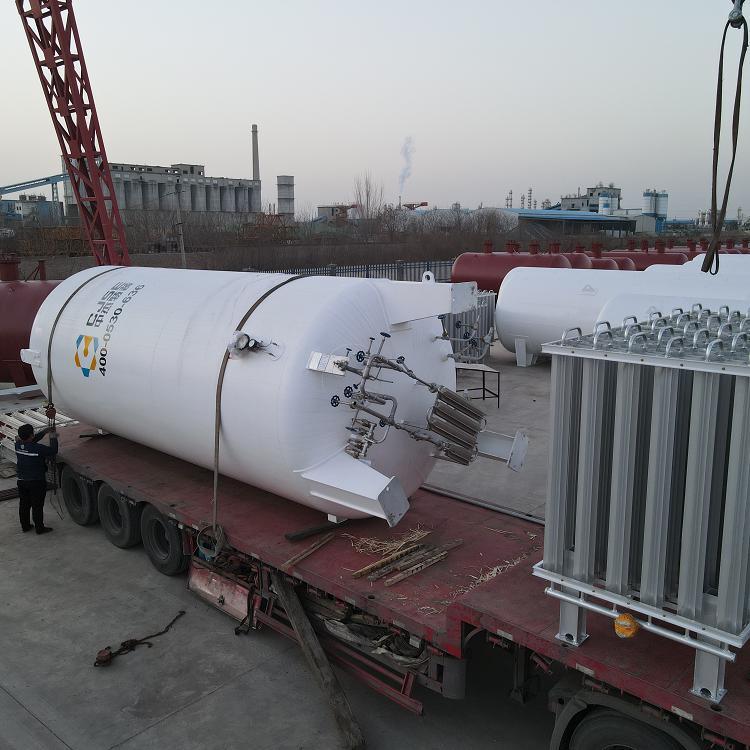
Carbon dioxide tanks are equipment used for storing and transporting carbon dioxide (CO2). They are typically sealed containers with special design and structure to ensure safe storage and use of CO2. Below is some common information about carbon dioxide tanks:
- Storage Form: CO2 is a gas at room temperature but can be compressed into a liquid under high pressure for easier storage and transportation. Carbon dioxide tanks usually store liquid CO2.
- Storage Pressure: These tanks commonly store high-pressure CO2, with pressures around 20-25 bar. This high-pressure state helps maintain CO2 in its liquid state.
- Storage Capacity: The capacity of carbon dioxide tanks can vary from small ones holding a few thousand liters to large ones with tens of thousands of liters. The capacity choice depends on specific application needs.
- Safety: CO2 is colorless, odorless, and non-toxic, but it can be dangerous to humans at high concentrations, causing asphyxiation. Therefore, appropriate safety measures, such as ventilation and protective gear, must be taken when using carbon dioxide tanks to ensure the safety of operators.
- Applications: Carbon dioxide tanks are widely used in various fields, including the food and beverage industry, construction, fire suppression, and gas supply. They store and provide CO2 to meet various industry needs.
- Note: The design, manufacturing, and use of carbon dioxide tanks must comply with relevant regulations, standards, and safety provisions. Operators should follow the operation manual and safety guidelines, and cooperate with local regulatory authorities to ensure the tank's safety and reliability.
Low Temperature Carbon Dioxide Storage Tank Related Knowledge
1. Structure of Low Temperature Carbon Dioxide Storage Tank
The low temperature carbon dioxide storage tank typically features a double-layered cylindrical structure. The inner cylinder is made of 6MnDR alloy steel, while the outer cylinder is constructed from Q245R or Q345R pressure vessel steel plate. The piping is made of austenitic stainless steel, and the insulation space is filled with high-vacuum sintered sand or wrapped with multiple layers of insulation. The storage tank is equipped with valves for operation, which are arranged for ease of use. Pressure gauges and level indicators are also installed to monitor the internal pressure and liquid level of the low temperature carbon dioxide storage tank.
2. Key Features of Low Temperature Carbon Dioxide Storage Tank
(1) The storage tank is fitted with a liquid filling connection for tanker trucks, allowing liquid supply to vaporizers, tanker trucks, and pumps.
(2) Both the inner and outer cylinders of the storage tank are equipped with safety devices to ensure safe operation for users.
(3) The insulation material of the low temperature carbon dioxide storage tank is specially treated to provide a longer vacuum life. Additionally, the tank is equipped with a vacuum gauge for measuring the insulation space vacuum when necessary.
3. Transportation of Low Temperature Carbon Dioxide Storage Tank
(1) During road transportation, the storage tank should be securely fastened to the vehicle, travel at moderate speeds, and avoid collisions with other objects.
(2) After the storage tank arrives, the unloading crew should work with the equipment supervisor to develop a scientific and reasonable unloading plan.
4. Installation of Low Temperature Carbon Dioxide Storage Tank
(1) Once the low temperature carbon dioxide storage tank arrives at the installation site, it can be positioned when installation conditions are met. During the installation process, avoid impacts and strikes, and pay special attention to the explosion-proof equipment on the outer cylinder and the vacuum valve, which should not be touched.
(2) Perform a gas-tightness test on the inner cylinder system of the storage tank using nitrogen to the working pressure. After confirming that valves, pipes, flanges, etc., are leak-free, the installation is complete.
(3) The installation dimensions of the low temperature carbon dioxide storage tank are specified in the supply materials. When considering liquid loading and unloading with tanker trucks, account for the vehicle's travel path.
Low-temperature CO2 storage tanks are equipment used for storing and transporting low-temperature liquid CO2. Here are some key points related to low-temperature CO2 storage tanks: Tank Structure: These tanks typically feature a double-walled design, with the inner wall for storing liquid CO2 and the outer wall for insulation. The interior is usually made of stainless steel or aluminum alloy, offering excellent corrosion resistance. Storage Temperature: The storage temperature for low-temperature CO2 tanks usually ranges from -40°C to -196°C, depending on specific application requirements. Temperature control is crucial to ensure the stability and safety of the liquid CO2. Storage Capacity: The capacity of low-temperature CO2 storage tanks can be selected based on actual needs, ranging from a few thousand to tens of thousands of liters. The capacity selection should consider storage requirements, supply frequency, and spatial constraints. Safety Protection: These tanks require safety protection devices such as pressure relief valves, pressure sensors, and temperature sensors to ensure internal pressure and temperature remain within safe limits. Transportation: Low-temperature CO2 storage tanks can be transported via road, rail, or ship. Proper insulation measures must be taken during transportation to maintain the low-temperature state of the liquid CO2 inside. Safe Operation: The operation of low-temperature CO2 storage tanks requires training and adherence to relevant safety procedures. Operators should be familiar with the tank's characteristics and safety precautions to ensure safe and effective operation. Regular Inspection and Maintenance: Regular inspections and maintenance are necessary for low-temperature CO2 storage tanks, including visual inspections, valve and pipeline checks, and pressure relief device checks. Regular maintenance ensures the tank operates normally and safely. The above points cover some knowledge related to low-temperature CO2 storage tanks. When using and operating these tanks, it is essential to follow relevant safety regulations and standards and consult with experts to ensure safety and effectiveness.
ZJ Special Equipment adheres to the great vision of "realizing employees' dreams, creating value for customers, and striving for the prosperity and strength of our motherland," wholeheartedly committed to the development of green energy equipment. We dedicate high-value products and services to society!
WeChat Official Account

Scan to follow Official Account



















