





















Shandong Zhongjie Special Equipment (formerly Heze Boiler Factory Co., Ltd.) holds an A-grade boiler manufacturing license, an A2-grade pressure vessel manufacturing license, an A2-grade pressure vessel design license, a B-grade boiler installation license, and GB2/Class, GC2/Class pressure pipeline installation licenses, as well as an electromechanical installation contracting qualification. It is a member of the China Boiler and Water Treatment Association, the China Chemical Equipment Association, and a council member of the Shandong Equipment Manufacturing Association. The company has also passed certifications for the ISO9001 Quality Management System, ISO14001 Environmental Management System, OHSAS18001 Occupational Health and Safety Management System, and the U.S. ASME/U2 certification.
When operating gas-fired boilers, there are three key points to keep in mind:
1. Safe Operation: Gas-fired boilers are heat energy equipment, so safety is paramount. First, ensure the operator has the necessary skills and knowledge, understanding the boiler's working principle and operating procedures. Second, strictly prohibit placing flammable materials around the boiler and maintain good ventilation. Additionally, regularly inspect and maintain the safety devices such as the safety valve and pressure gauge to ensure they function properly.
2. Proper Gas Supply Adjustment: The combustion of gas-fired boilers requires an appropriate amount of gas supply. During operation, adjust the gas supply according to actual needs to ensure stable combustion. At the same time, regularly check the tightness of the gas pipelines and valves to prevent gas leaks.
3. Regular Maintenance and Cleaning: Regular maintenance and cleaning are crucial for the normal operation and extended lifespan of gas-fired boilers. Regularly inspect all parts of the boiler, clean the burner, flue, and heat exchanger of accumulated dust and dirt to ensure heat transfer efficiency and combustion effectiveness. Moreover, regularly replace filters and clean water treatment equipment to ensure clean water quality and prevent scale and corrosion.
It's important to note that these three points are just basic operating tips, and specific operation and maintenance requirements may vary depending on the model and specifications of the gas-fired boiler. Therefore, before operating a gas-fired boiler, it's advisable to refer to the boiler's operation manual or consult with experts to ensure correct and safe operation.
When designing a fuel-gas boiler room, the following considerations should be taken into account:
Safety Considerations: Ensure the design of the boiler room complies with relevant safety standards and regulations. Consider fire risks and set up appropriate firewalls, fire doors, and fire isolation facilities. Ensure good ventilation in the boiler room with suitable ventilation equipment and flue systems to expel harmful gases produced by combustion.
Space and Layout: Plan the space and layout of the boiler room according to the number and size of the boilers. Ensure there is sufficient space for operation, maintenance, and cleaning. Arrange the boilers, fuel storage equipment, flue systems, and pipe layouts in a way that facilitates operation and maintenance.
Fuel Supply and Storage: Consider the requirements for fuel supply and storage. Ensure the safety and reliability of fuel supply pipelines and equipment to avoid leaks and contamination. Plan the capacity and location of fuel storage equipment reasonably to ensure adequate fuel supply and compliance with relevant safety requirements.
Emission and Exhaust Gas Treatment: Consider the exhaust gas emissions and treatment resulting from combustion. Set up appropriate flue systems and exhaust gas treatment equipment to minimize the impact of emissions on the environment. Ensure the design and layout of the flue system are reasonable and can effectively expel smoke and exhaust gases.
Control and Monitoring Systems: Design appropriate control and monitoring systems to ensure the safety and operation of the boilers. This includes monitoring and control equipment for parameters such as temperature, pressure, and flow, as well as alarm and automatic shutdown devices. Ensure that operators can promptly understand the operating status of the boilers and take necessary actions.
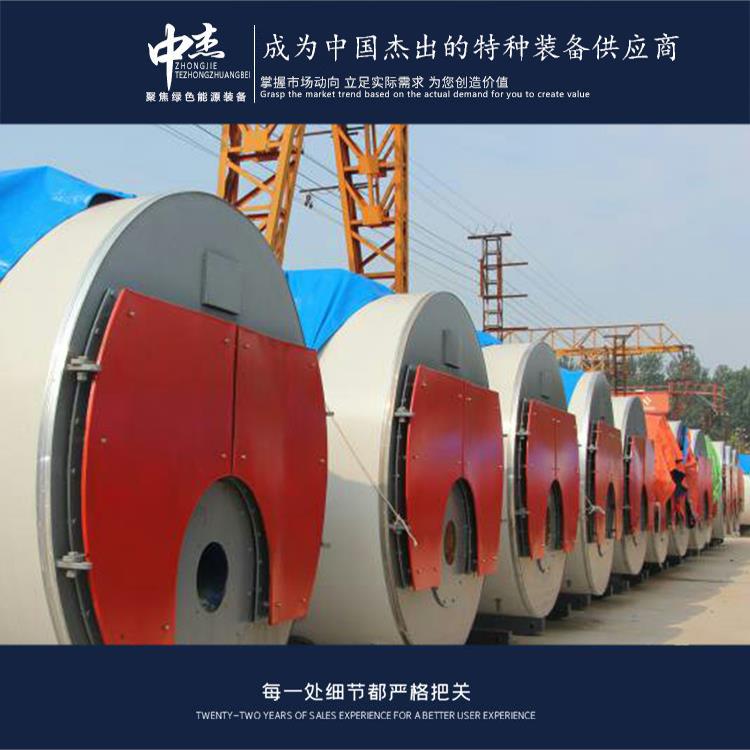
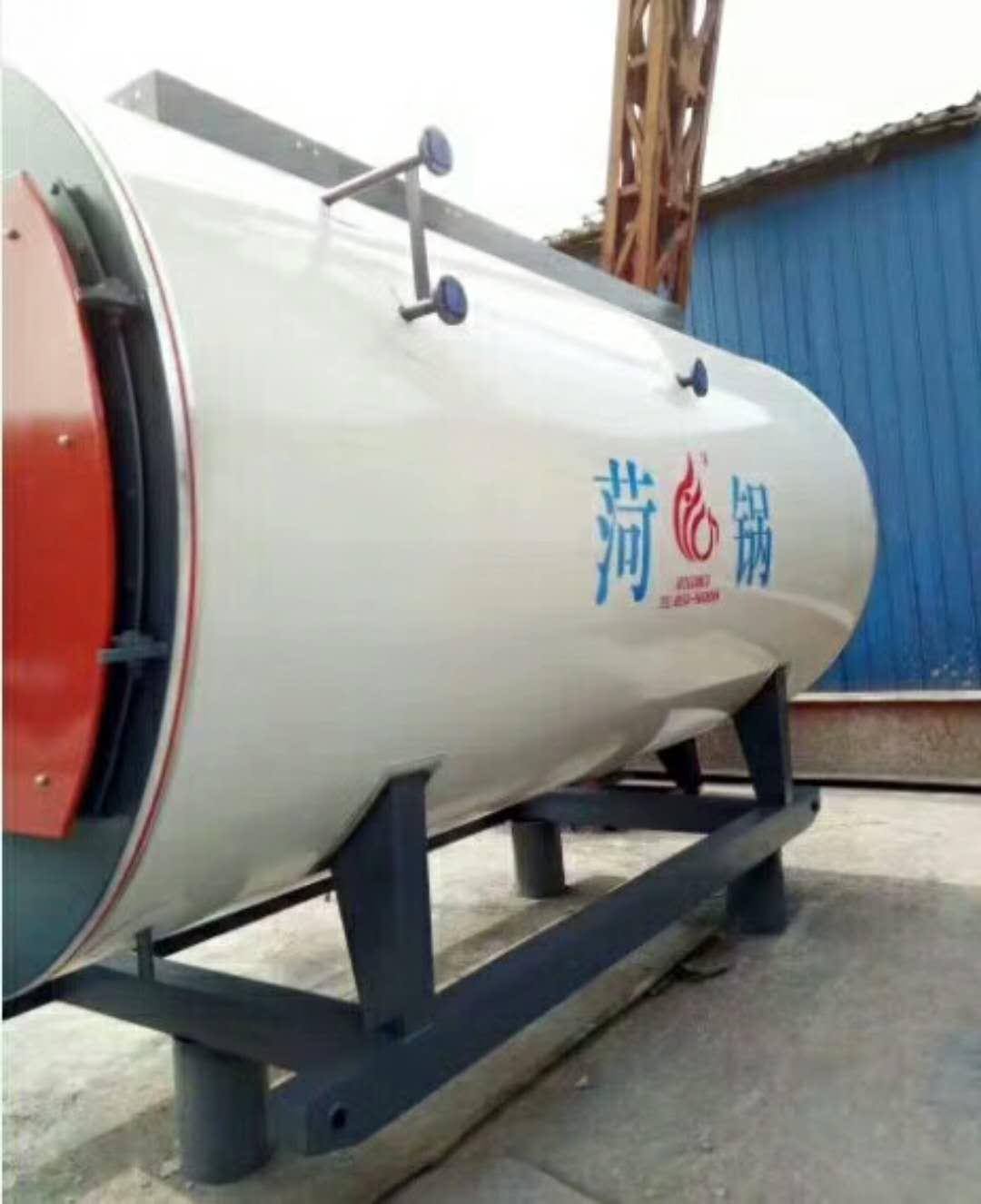
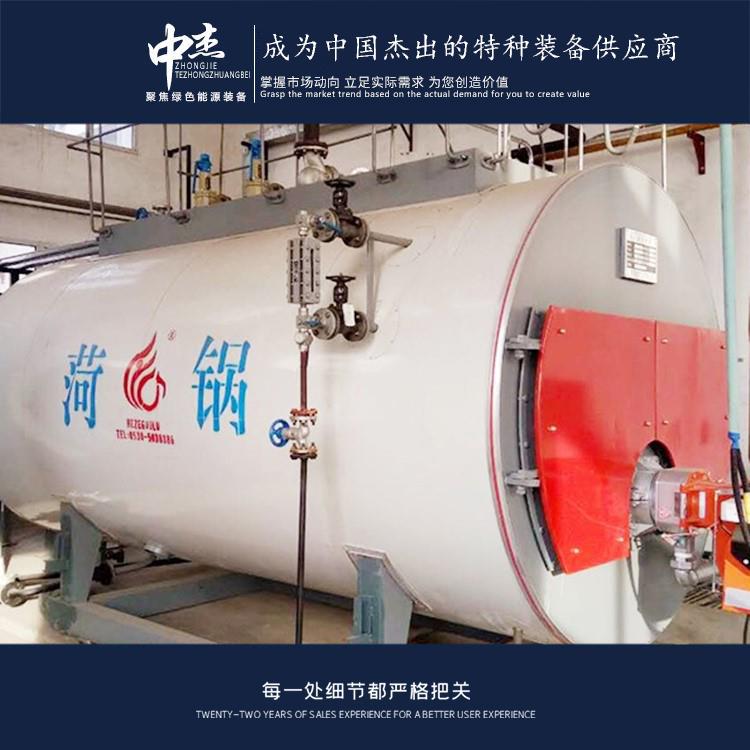
A gas boiler is a heating equipment that uses gas or similar fuels. It generates heat by burning gas, heating water into steam or hot water, which is used for heating, hot water supply, or industrial production. The working principle of a gas boiler involves mixing gas with air, igniting the mixture, and producing high-temperature combustion gases. These gases then transfer heat to the water through a heat exchanger, raising the water temperature. Gas boilers are known for their environmental friendliness, safety, and other advantages, and are widely used in residential, commercial, and industrial applications.
The importance of energy-saving in steam boilers is significant, mainly due to the following reasons: Energy Costs: Steam boilers typically use fuels (such as coal, gas, oil, etc.) to generate steam, with energy costs accounting for a substantial portion of the boiler's operational expenses. Energy-saving can reduce energy consumption and lower energy costs. Environmental Protection: The combustion process of steam boilers produces exhaust gases and dust, causing environmental pollution. Energy-saving can decrease fuel consumption and reduce emissions, positively impacting environmental protection. Sustainable Development: Energy-saving is one of the key aspects of sustainable development. By reducing energy consumption and extending the boiler's lifespan, resources can be conserved and waste minimized, achieving sustainable development. Measures for energy-saving include: Improving Boiler Thermal Efficiency: By enhancing the boiler's combustion system, optimizing combustion parameters, and increasing heat exchange efficiency, the boiler's thermal efficiency can be raised, reducing energy waste. Heat Recovery Utilization: Using heat recovery systems, the excess heat in the flue gas emitted by the boiler can be recovered and utilized for heating water or other processes requiring heat, improving energy utilization efficiency. Application of Energy-Saving Equipment: The use of energy-saving equipment, such as variable-frequency drives, energy-saving burners, and heat pumps, can lower energy consumption and enhance efficiency.
Our company highly values technological innovation and R&D, boasting one city-level technical center in Heze City. We have established testing facilities for non-destructive testing, physical and chemical testing, welding testing, hydrostatic testing, etc. We are equipped with over 600 types of equipment, including CNC machine tools, X-ray flaw detectors, digital ultrasonic flaw detectors, mechanical property testing machines, chemical analyzers, spectrometers, tensile testing machines, plasma welding machines, and more. The key products we have developed, such as welding for temperature-pressure vessels, biomass boiler emissions reduction, and waste heat utilization, have successively been included in multiple Shandong Provincial Department of Industry and Information Technology science and technology projects, key provincial projects, and Heze City innovation and excellence projects. We have accumulated a total of 27 authorized utility model patents, 16 authorized invention patents, participated in drafting 2 standards, 2 industry standards, and registered 15 trademarks. Our technical team, in collaboration with Professor Li Yajiang of Shandong University, has jointly developed deep cryogenic container processing technology, utilizing the international plasma arc + filler wire tungsten inert gas arc welding (PAW-GTAW) technology. After being appraised as a provincial-level scientific and technological achievement, our technology level has reached international standards in the field of deep cryogenic container manufacturing.
Choose ZJET Tailor-Made Solutions, let's create brilliance together!
WeChat Official Account

Scan to follow Official Account



















