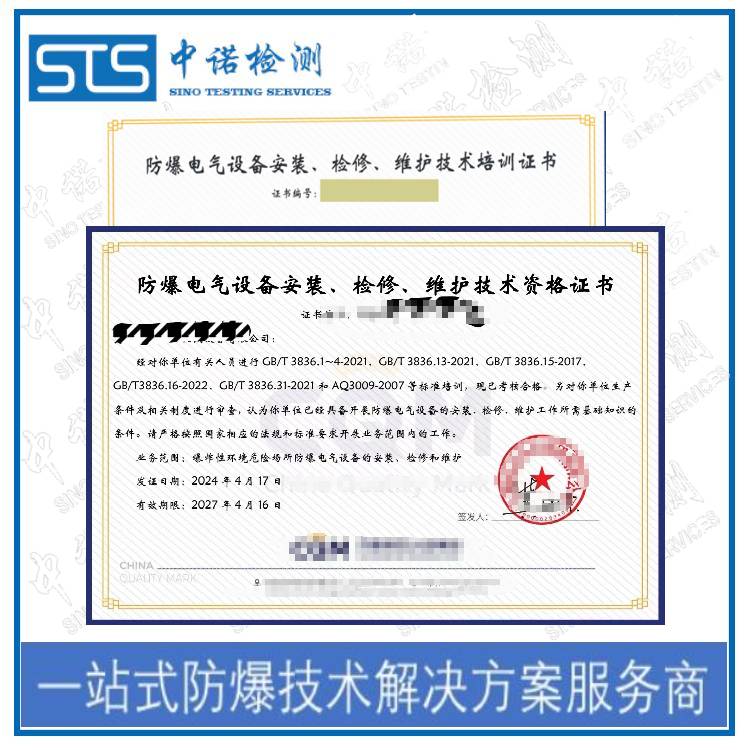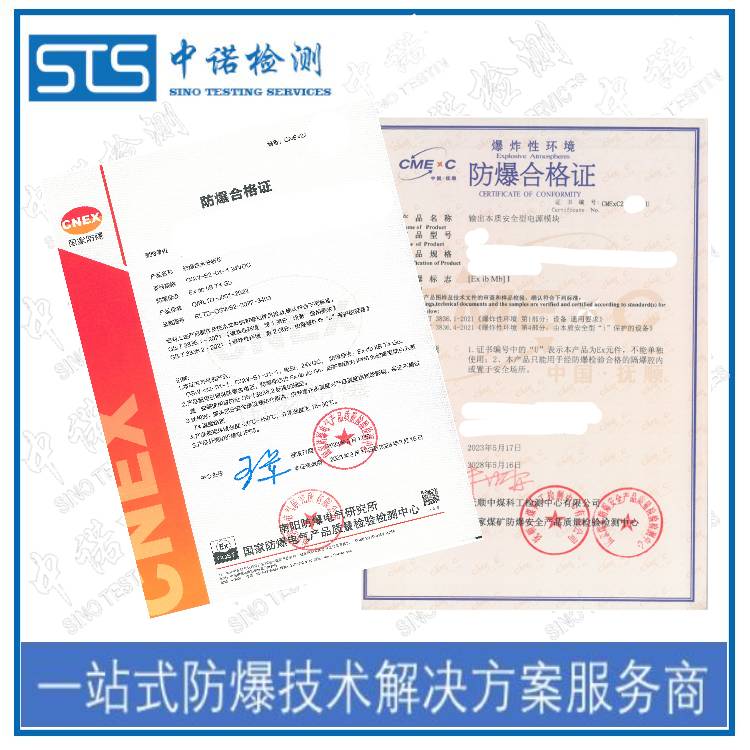

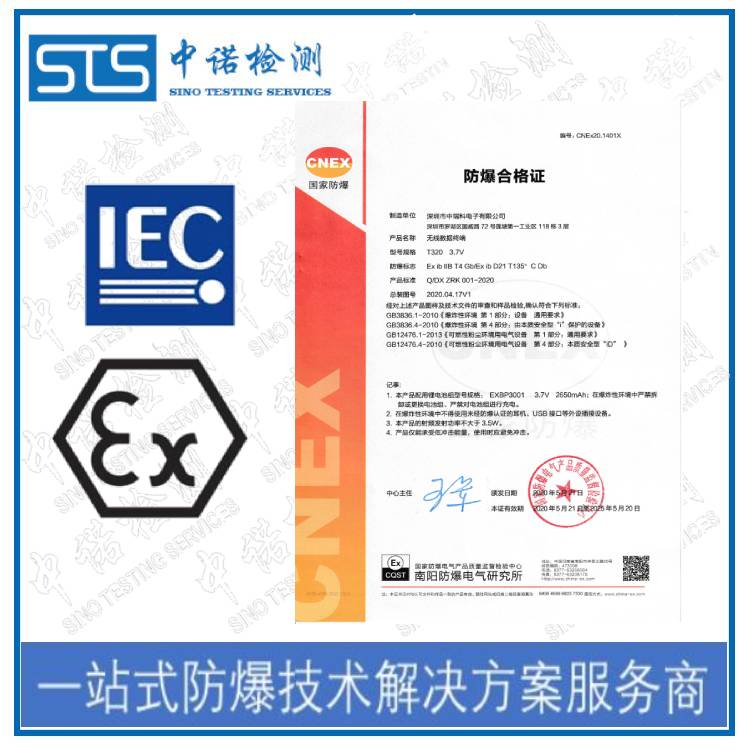
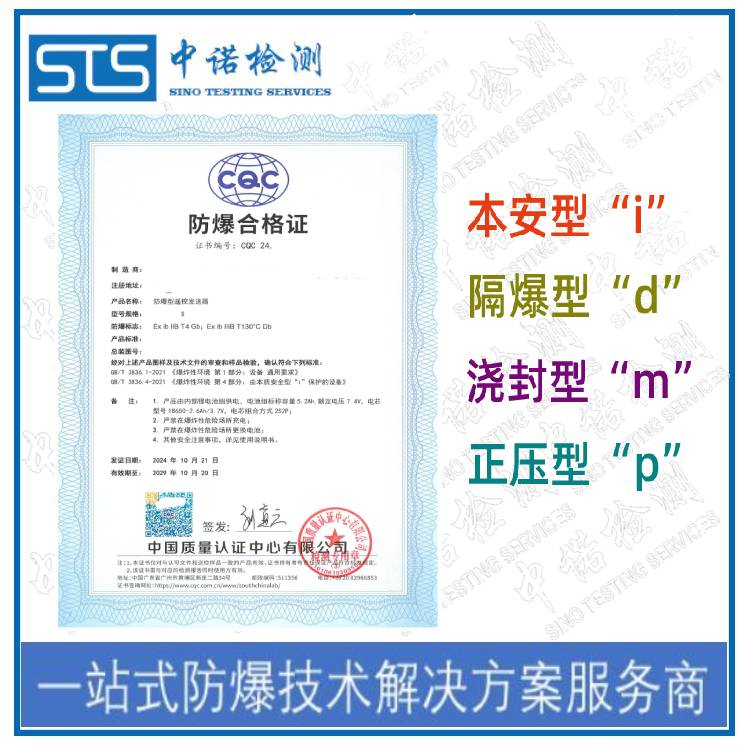


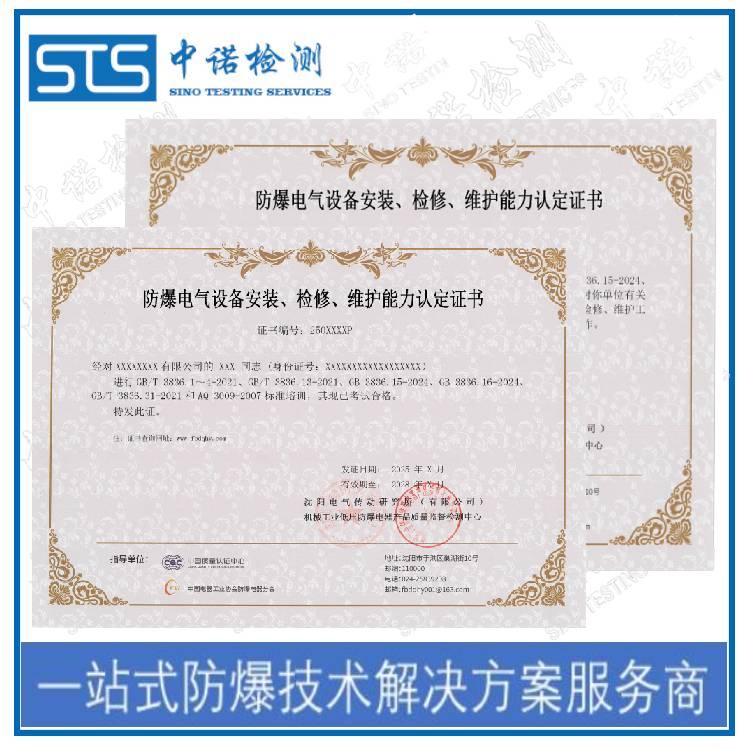
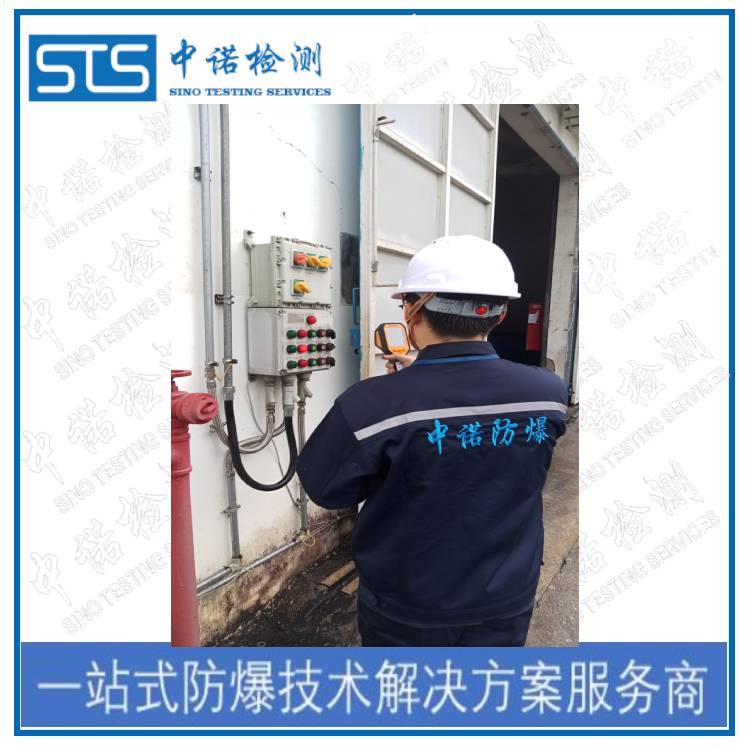
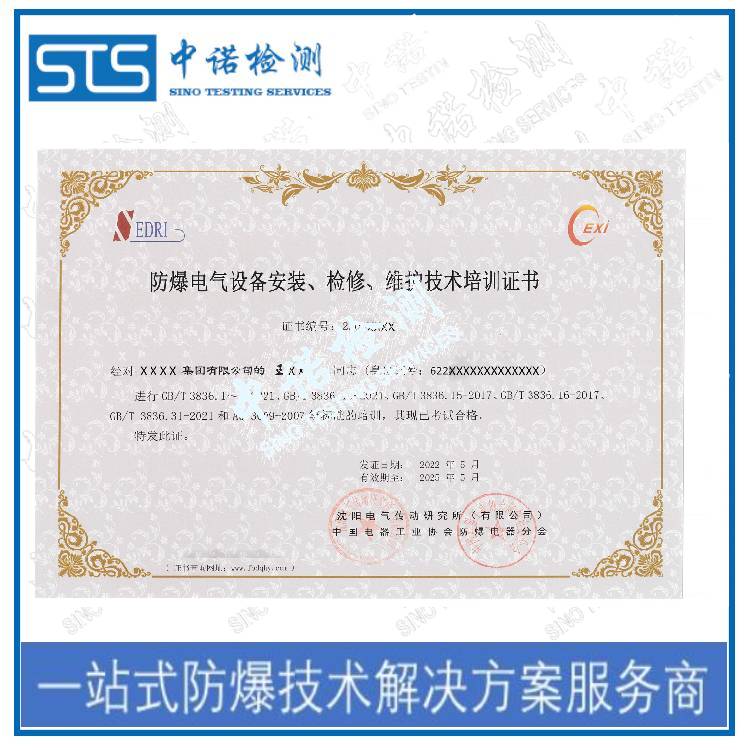
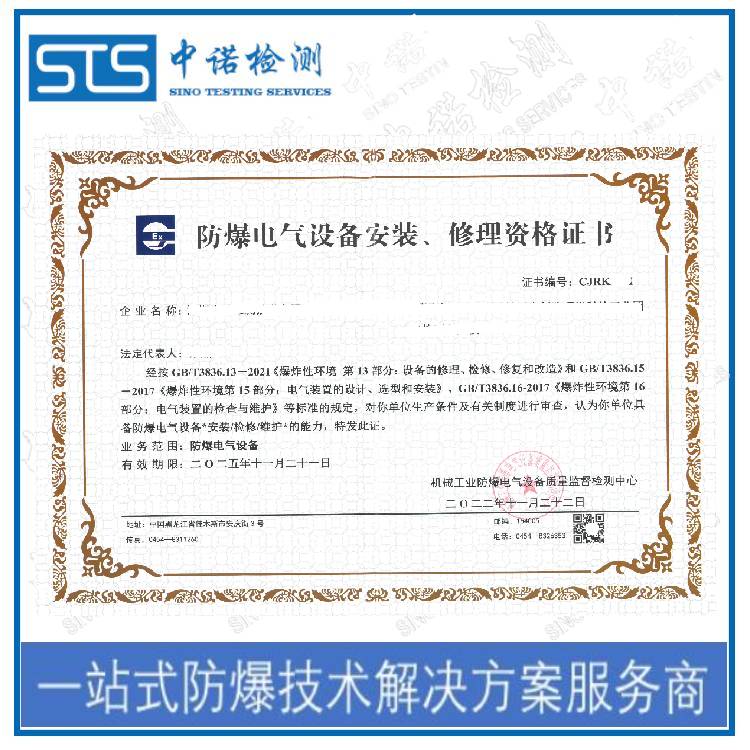
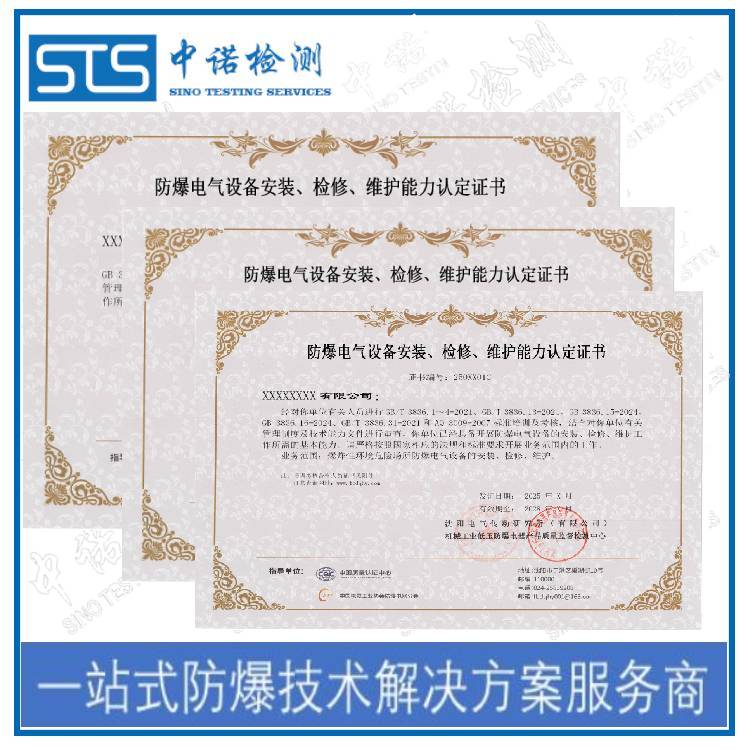





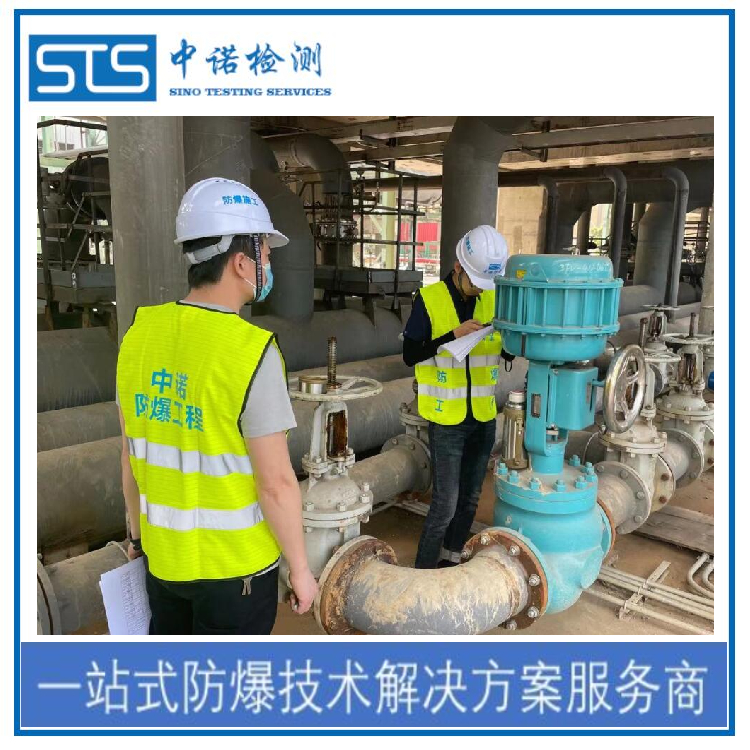
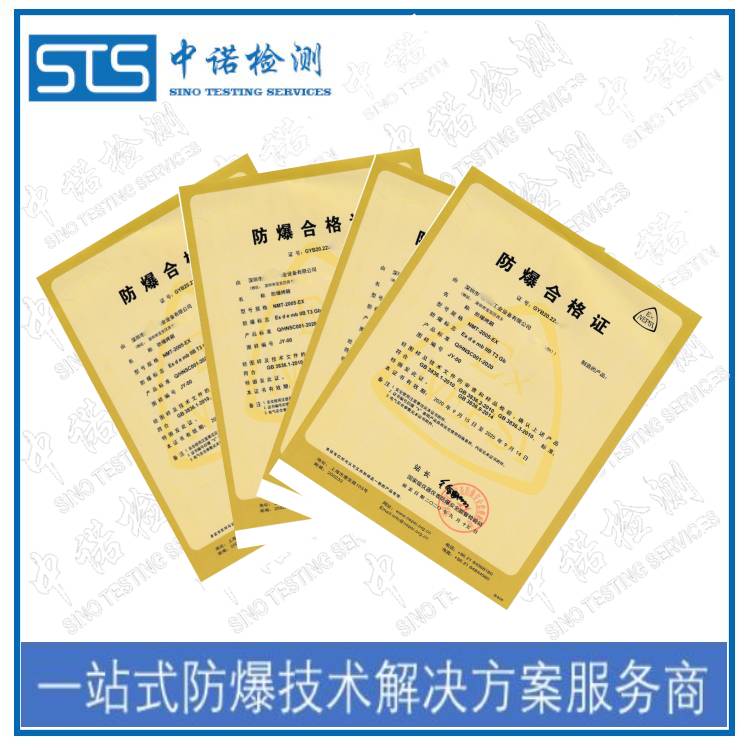
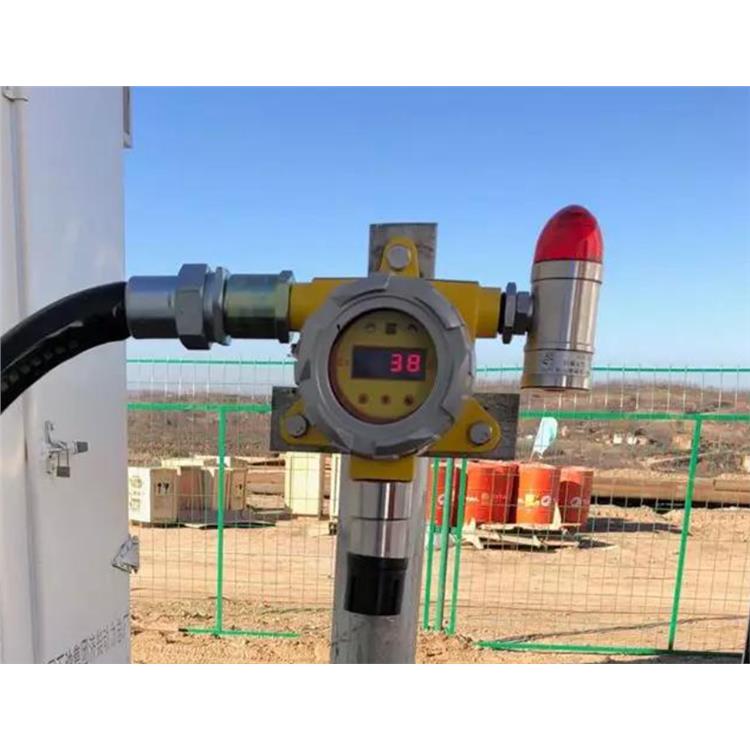
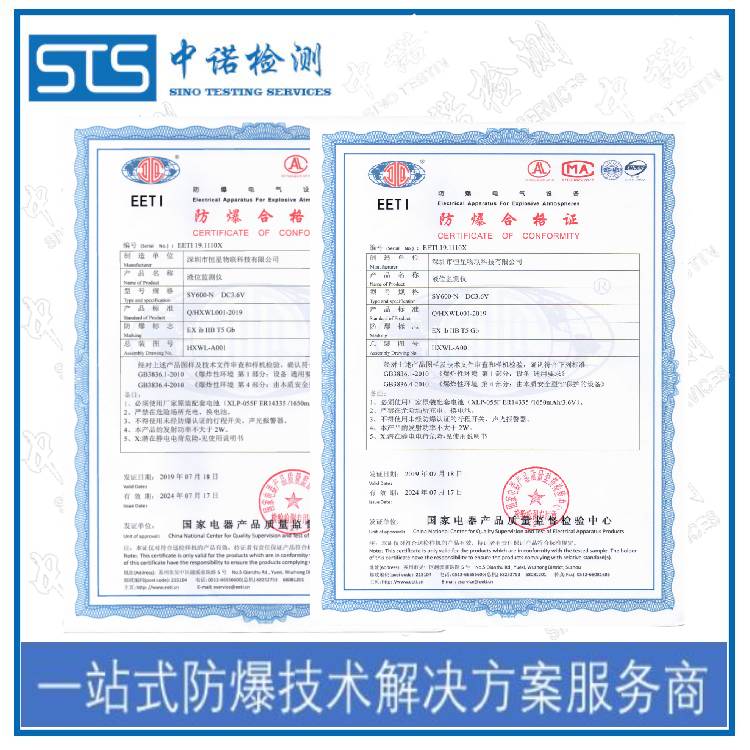
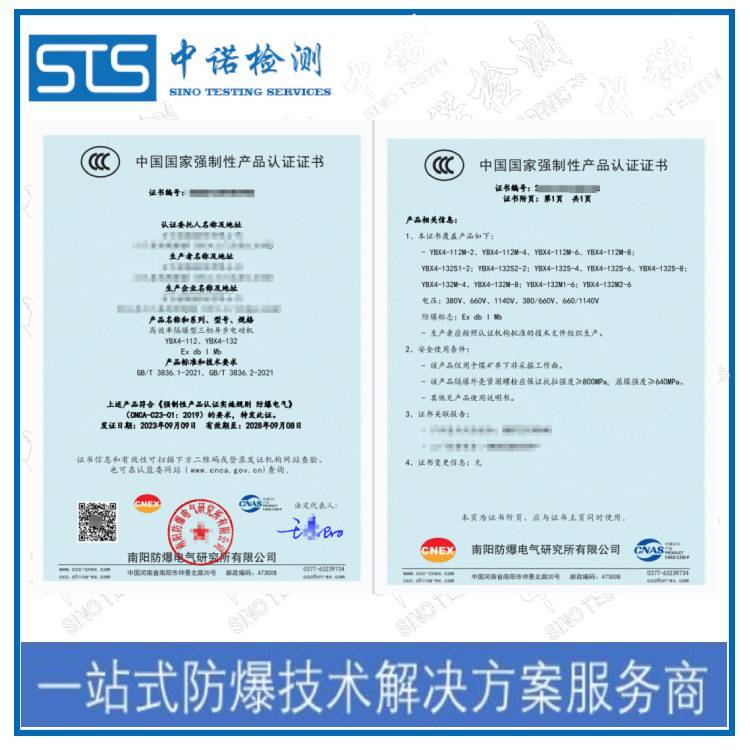
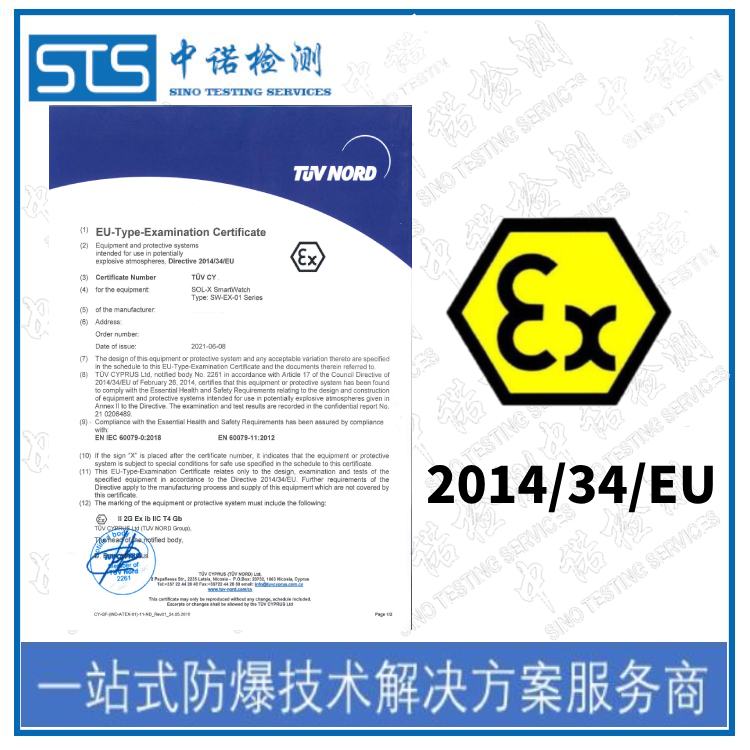
Shenzhen Zhongnuo Testing Technology Co., Ltd. is based in South China and specializes in explosion-proof certification and coal safety certification application consulting services, offering one-stop explosion-proof technology consulting services.
What's the difference between corrosion protection grade, protection grade, and explosion-proof certification grade?
Many corporate clients are often in the dark about the required corrosion resistance, protection, and explosion-proof certification levels for their products.
Due to the products' names being only one character different, and both referring to a specific aspect of the product's grade, they are similar yet distinct. So, what are the differences between them?
Corrosion prevention involves taking measures to protect metal items prone to rusting, thereby extending their service life. It typically employs methods such as physical, chemical, and electrochemical corrosion prevention. Common classifications include indoor F1, F2, and outdoor WF, WF1, and WF2, totaling five grades.
Protection Level, commonly known as IP rating, refers to the dust and water resistance level of the equipment, typically consisting of "IP" followed by two digits.
The explosion-proof rating generally refers to the equipment's explosion-proof certification level. Each electrical device applying for explosion-proof certification will have a corresponding explosion-proof mark, including the type and rating. The explosion-proof rating indicates the product's applicable explosion-proof area, gas/dust groups, temperature groups, and equipment protection level, etc.
Clearly, these are different concepts from different fields. For more information, feel free to message us anytime!
What are the standards for explosion-proof certification? What technical requirements are there?
An explosion-proof type is a type of explosion-proofing for electrical equipment.
Its housing is capable of withstanding explosive mixtures that enter the housing through the housing joint surfaces or structural gaps, and they can explode internally without damaging the housing.
And ignite an explosive gas atmosphere formed by one, several gases or vapors.
The explosion-proof casing must possess both anti-explosion and explosion-proof properties. Generally, the casings for explosion-proof products are rather heavy, suitable for fixed installations and equipment use.
Explosion-proof face width, gap, and roughness are the three key elements of explosion-proof housing design.
Design requirements for explosion-proof three elements vary depending on the different explosive gas environments in mining Class I, non-mining Class IIA, IIB, and IIC.
Please refer to the design standards of GB/T3836.1 and GB/T3836.2.
ZhongNuo Inspection has long been dedicated to explosion-proof product design, testing, and certification services.
Our team in the explosion-proof field is well-versed in the requirements of explosion-proof standards.
We offer explosion-proof housing design, drafting, modification guidance, and certification agency services.
If you have a similar need, feel free to message us anytime!
List of Domestic Explosion-Proof Certification Agencies:
1. Nanyang CNEX
2. Shanghai Coal Research Institute
3. National Electrical Appliance Quality Supervision and Inspection Center
4. Guangdong CQCEx National Explosion-Proof Equipment Quality Supervision and Inspection Center
5. National Coal Mine Explosion-Proof Safety Product Quality Supervision and Inspection Center
6. Jiamusi Explosion-Proof Institute
7. Tianjin PCEC
8. Shanghai NEPSI
9. Beijing Coal Research Institute CCRI, etc.
For applicants, what type of explosion-proof and what level of explosion-proof to apply for is actually the same across all authorized institutions. They are all state-approved and authorized institutions with standardized testing conditions, adhering to the same standards and conducting the same testing. In identical conditions, the trend is inevitably towards choosing institutions offering services at more affordable prices. This is also a significant reason for the increasing popularity of emerging explosion-proof companies.
Certification standards for explosion-proof equipment used in environments with explosive gas:
GB/T 3836.1-2021 Explosive Atmospheres, Part 1: Equipment – General Requirements
GB/T 3836.2-2021 Explosive Atmospheres Part 2: Equipment protected by a "d" type explosion-proof enclosure
GB/T 3836.3-2021 Explosive Atmospheres, Part 3: Equipment protected by intrinsic safety "i"
GB/T 3836.4-2021 Explosive Atmospheres Part 4: Equipment protected by intrinsic safety "i"
GB/T 3836.5-2021 Explosive Atmospheres, Part 5: Equipment protected by positive pressure enclosures "p"
GB/T 3836.6-2017 Part 6: Equipment protected by liquid immersion type “o” for explosive environments
GB/T 3836.7-2017 Explosive Atmospheres, Part 7: Equipment protected by filling with sand type “q”
GB/T 3836.8-2021 Explosive Atmospheres, Part 8: Equipment protected by "n" type of protection
GB/T 3836.9-2021 Explosive Atmospheres, Part 9: Equipment protected by "m" type encapsulation
Explosion-proof Certification Application Consulting Services - Shenzhen ZhongNuo Testing Technology Co., Ltd.
WeChat Official Account

Scan to follow Official Account