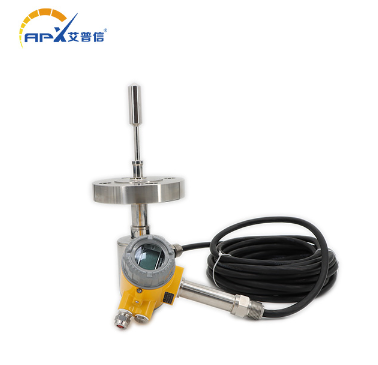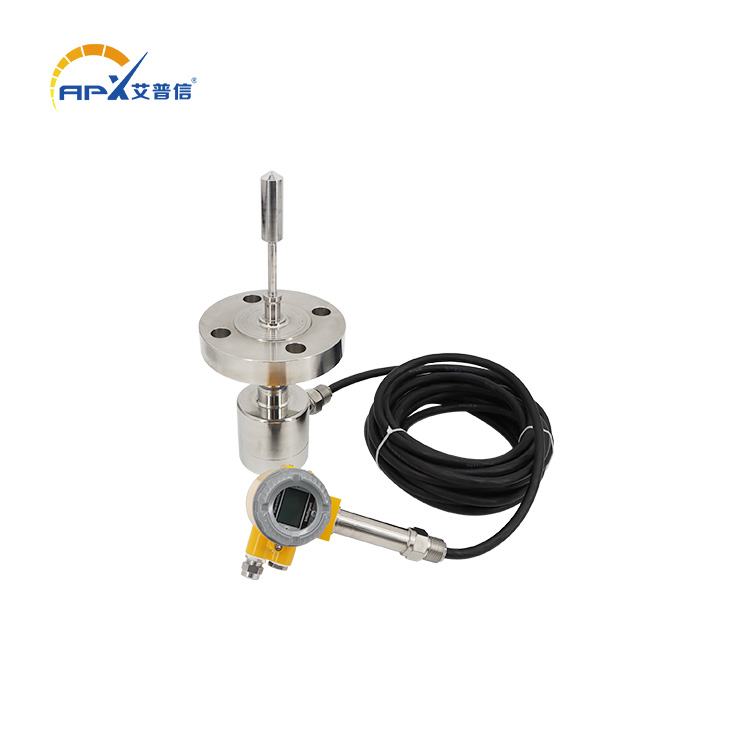









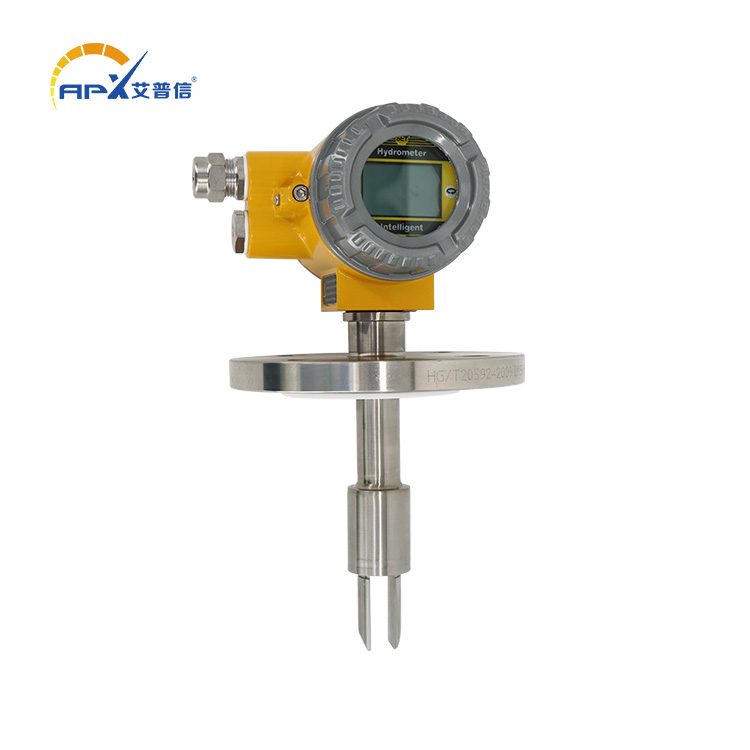
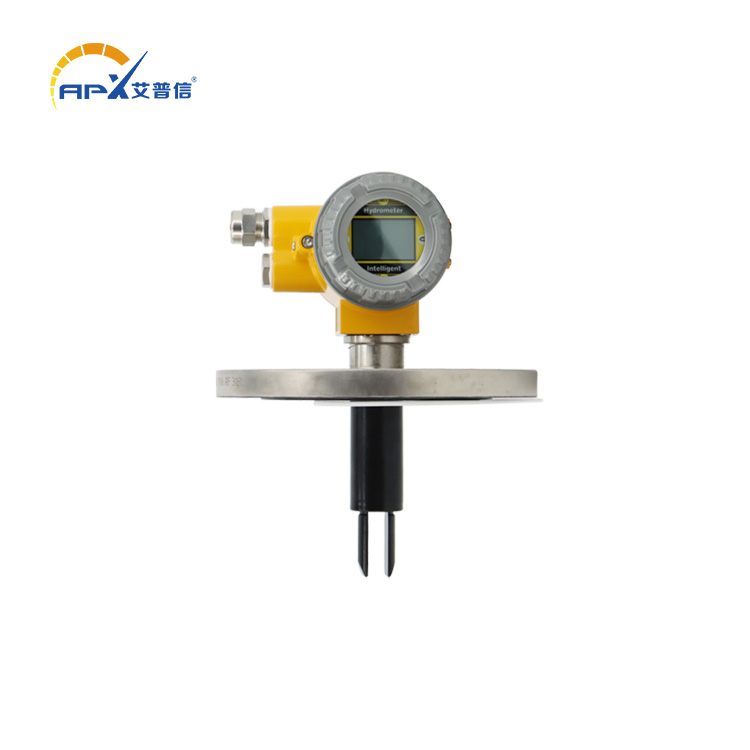
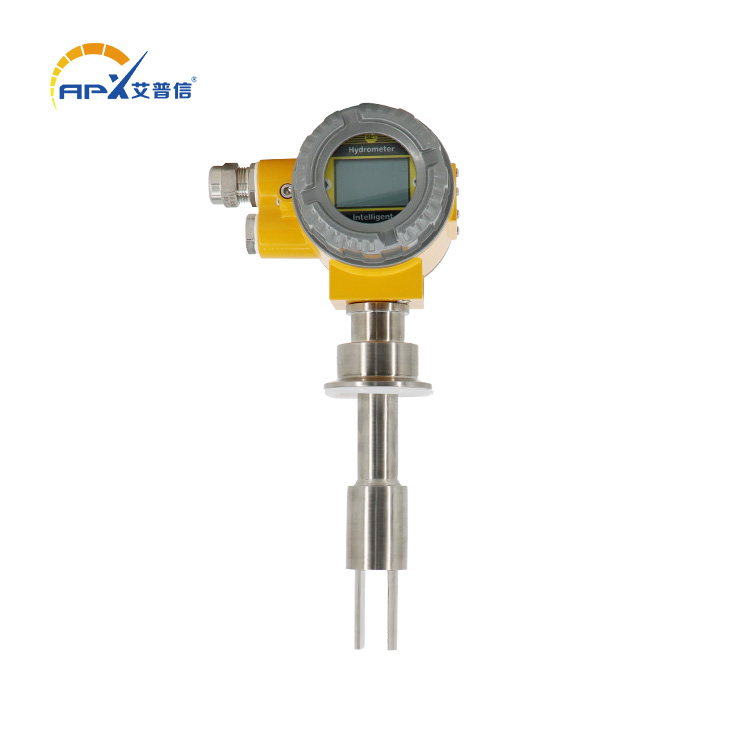
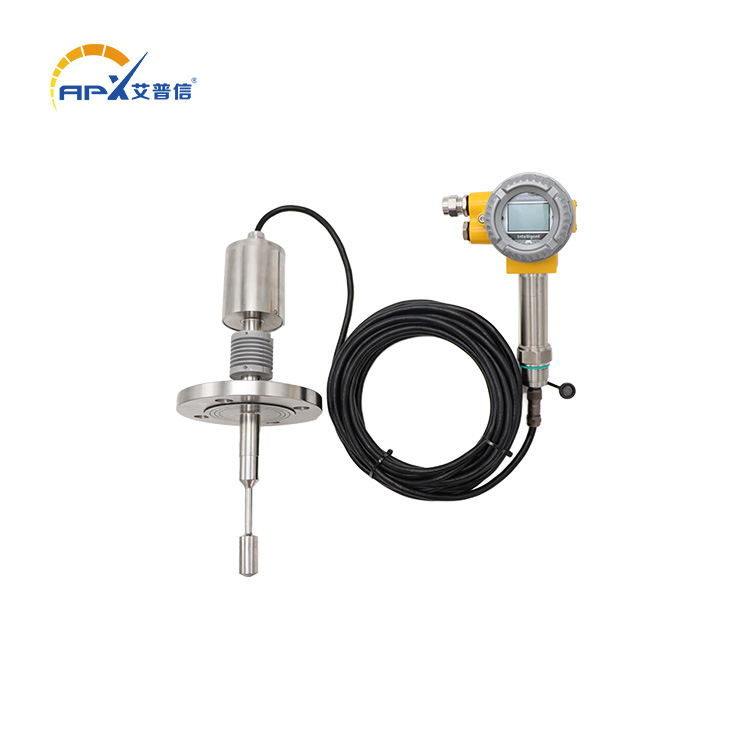
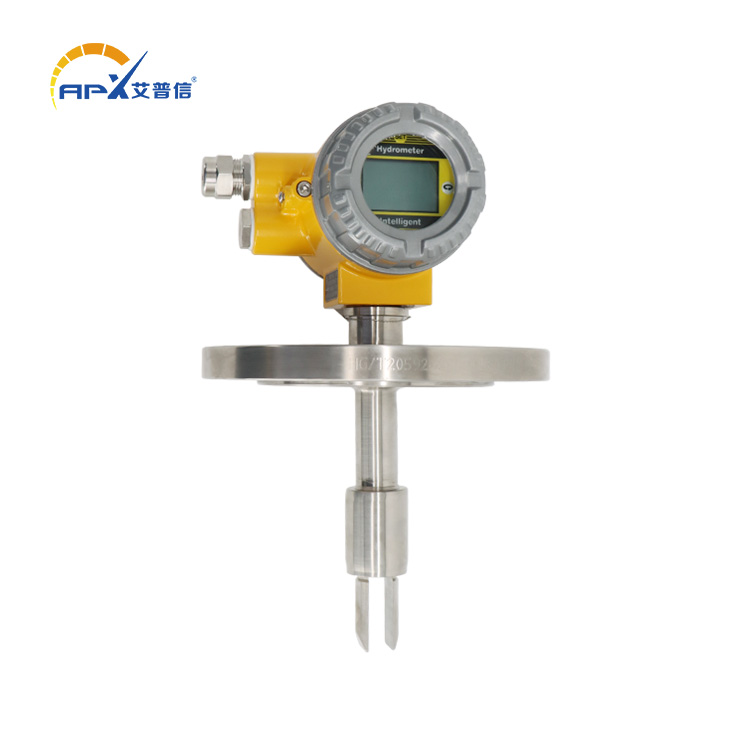
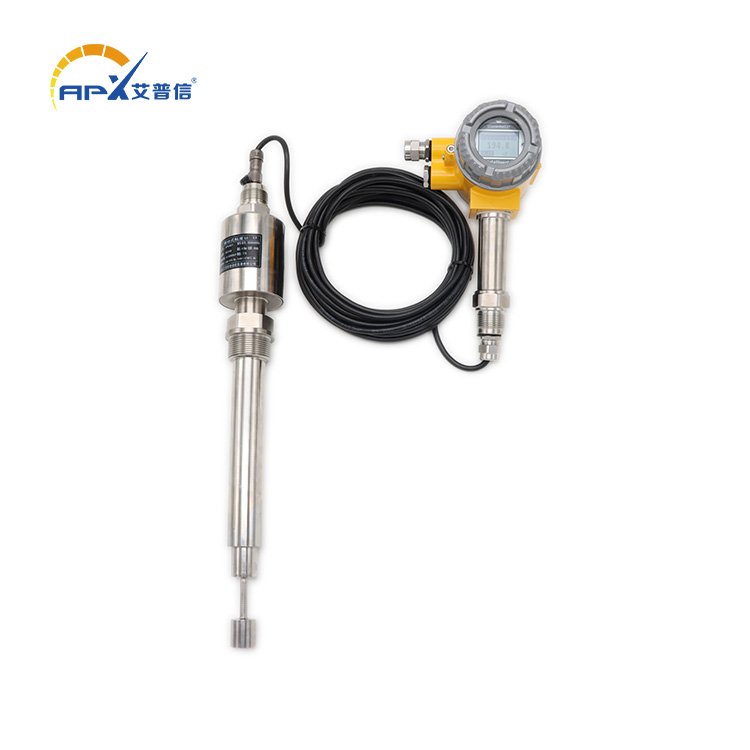
Vibrating ViscometerA high-precision viscosity measurement instrument widely used in various industries, it assists users in quickly and accurately determining the viscosity characteristics of liquids. The device employs vibration sensors to detect the resistance of the liquid to vibration, easily calculating the viscosity value by measuring the change in vibration frequency or amplitude. Whether in a laboratory, production line, or industrial field, the vibrational viscometer provides stable and reliable measurement results, making it the ideal choice for liquid viscosity measurement.
Vibration Viscometer Advantages:
High Accuracy: Vibratory viscometers achieve high sensitivity to detect even slight vibration changes, offering exceptional measurement stability and repeatability, ensuring the accuracy of each measurement result.
2. Easy Operation: Equipment operation is straightforward, with users simply dipping the probe into the liquid to be tested for immediate viscosity readings. No complex calibration or sample preparation is required, significantly enhancing work efficiency.
3. Wide Application Range: This device is suitable for measuring the viscosity of various fluids, whether it's low-viscosity aqueous solutions or high-viscosity oils and greases, providing precise data. This makes it widely used in industries such as chemicals, pharmaceuticals, food, and oil.
4. Durable Design: The vibration viscometer is made from corrosion-resistant materials, offering excellent corrosion resistance. It is particularly suitable for environments with high acidity or alkalinity, or high corrosiveness, ensuring long-term stable operation of the equipment.
5. Real-time Monitoring: Some models support connection with production line systems, enabling real-time online viscosity monitoring. Users can keep track of viscosity changes during the production process at any time, ensuring product quality consistency and enhancing production efficiency.
Vibration-type Viscosity Meter Application Scenarios:
1. Chemical Industry: Vibration viscometers enable companies to monitor liquid viscosity in real-time during the reaction process, optimize reaction conditions, and ensure consistent quality of the final product.
2. Food Processing: Controlling the viscosity of fluids is crucial in food manufacturing. Vibrating viscometers can ensure that products like dairy products, sauces, and fruit purees maintain their viscosity within the standard range, enhancing both taste and quality.
3. Pharmaceutical Industry: In the process of pharmaceutical production, the viscosity of the liquid is crucial to the efficacy and proportionality. A vibration viscometer can ensure that the viscosity of the solution remains within the ideal range, guaranteeing product stability and effectiveness.
4. Petroleum and Lubricant Industry: Vibration viscometers are widely used for the viscosity measurement of petroleum products and lubricants, helping enterprises monitor the quality and performance of oil.
5. Research Laboratory: As a crucial tool for liquid property research in scientific institutions, the vibratory viscometer provides researchers with reliable viscosity data, facilitating the development of new materials and formulations.
Vibration viscometers, with their high energy efficiency, accurate measurement capabilities, and broad application scope, have become a crucial piece of equipment for industries aiming to enhance production efficiency and ensure product quality.