







Resin Cable Trench Cover Overview
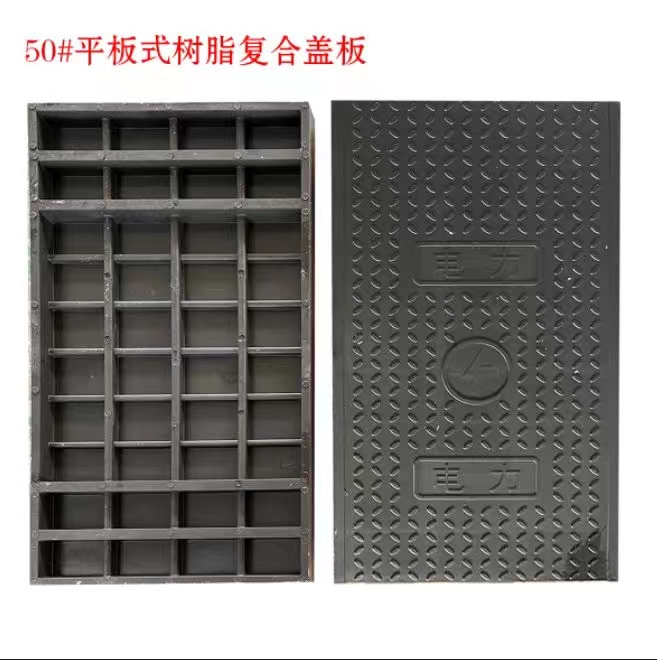
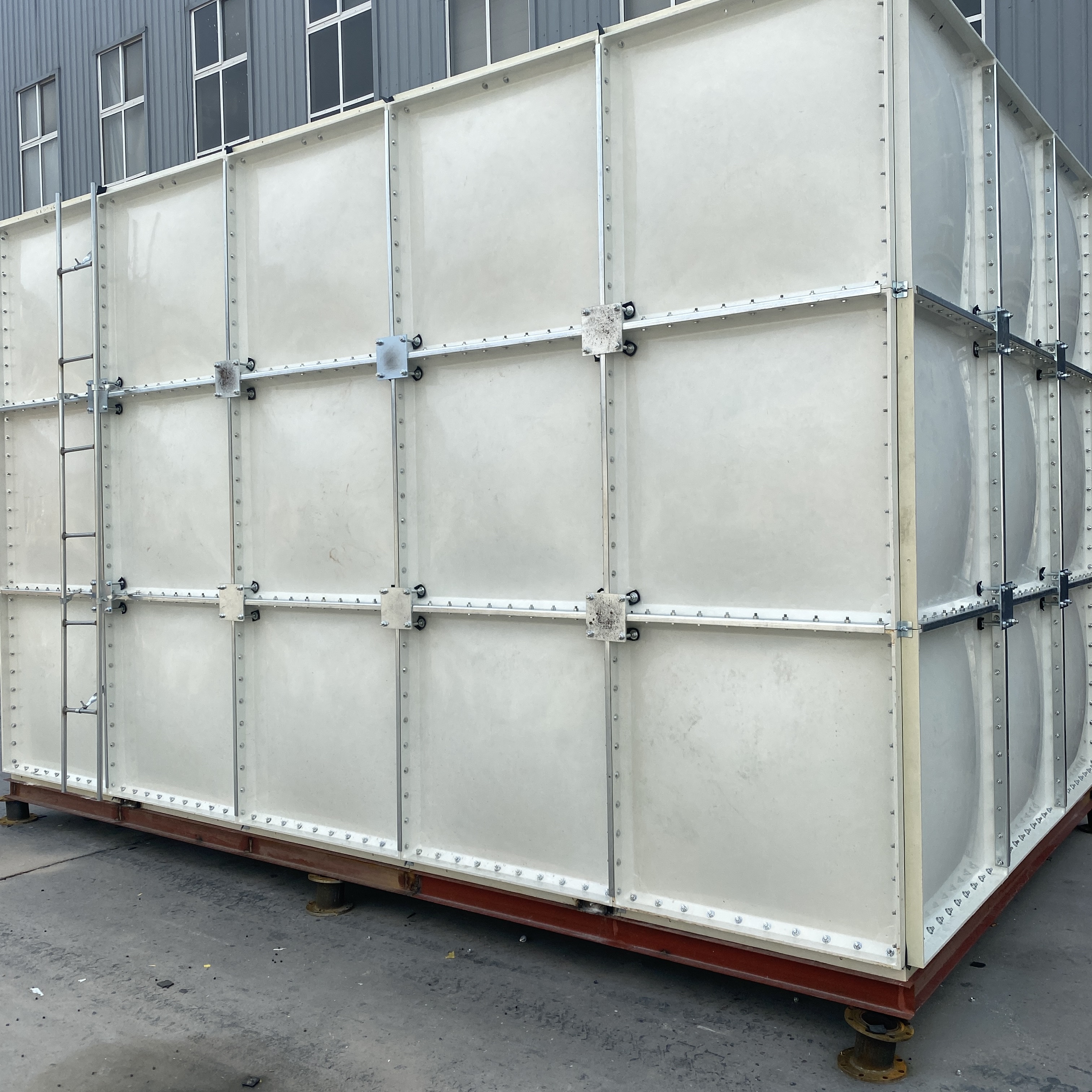
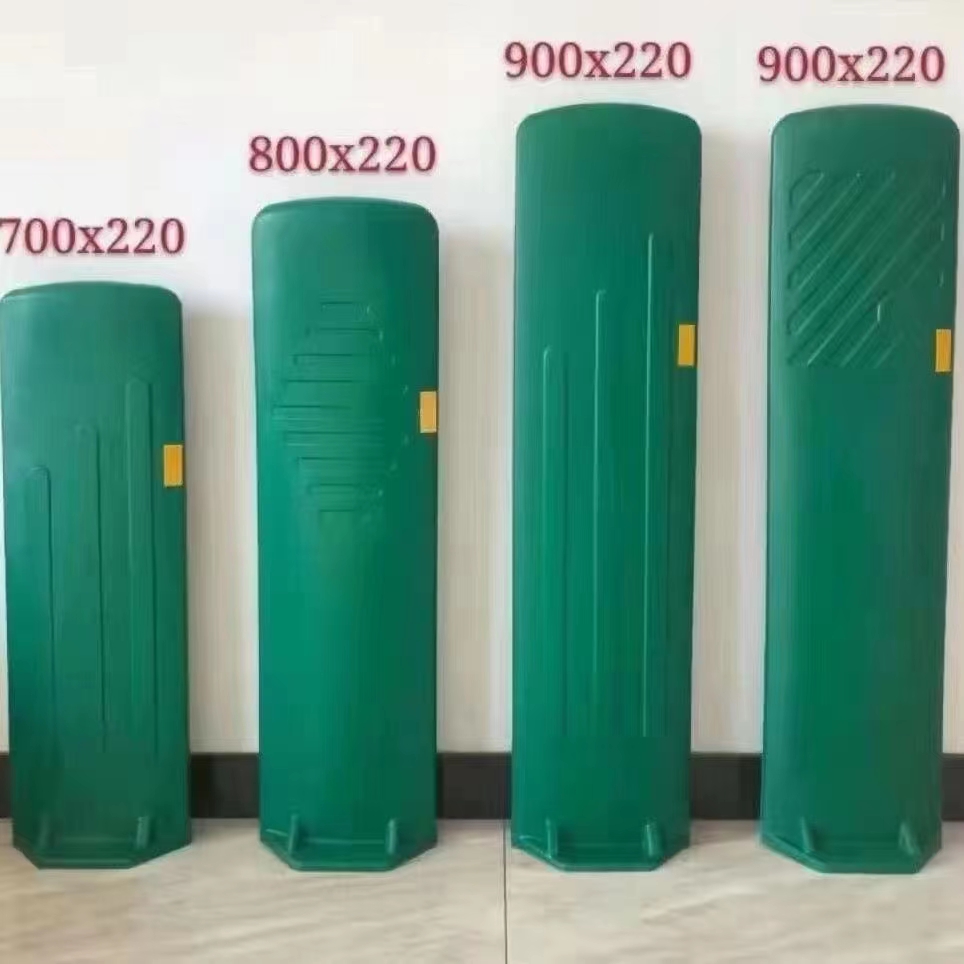
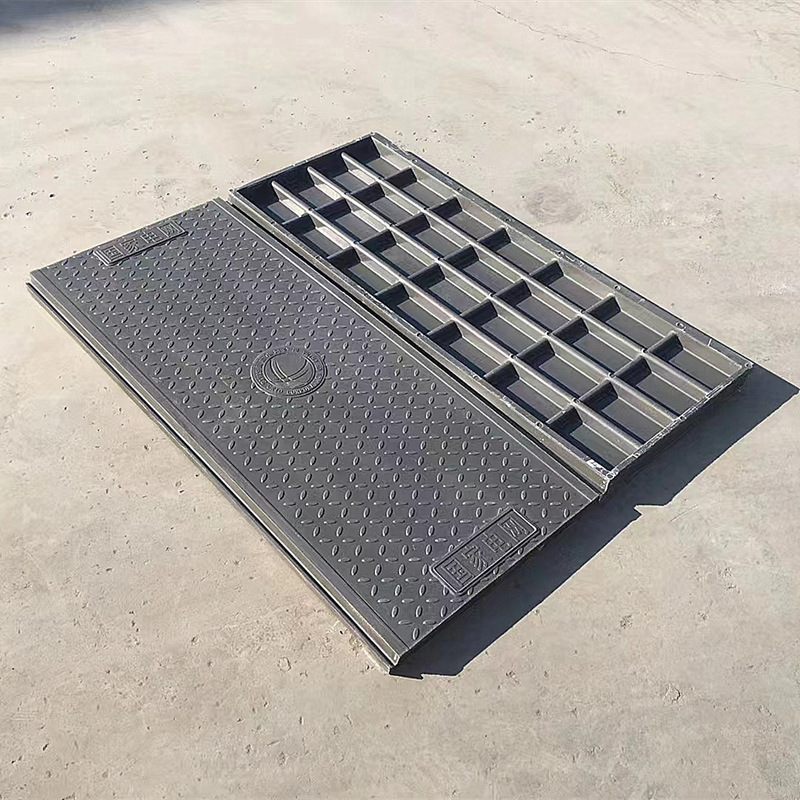
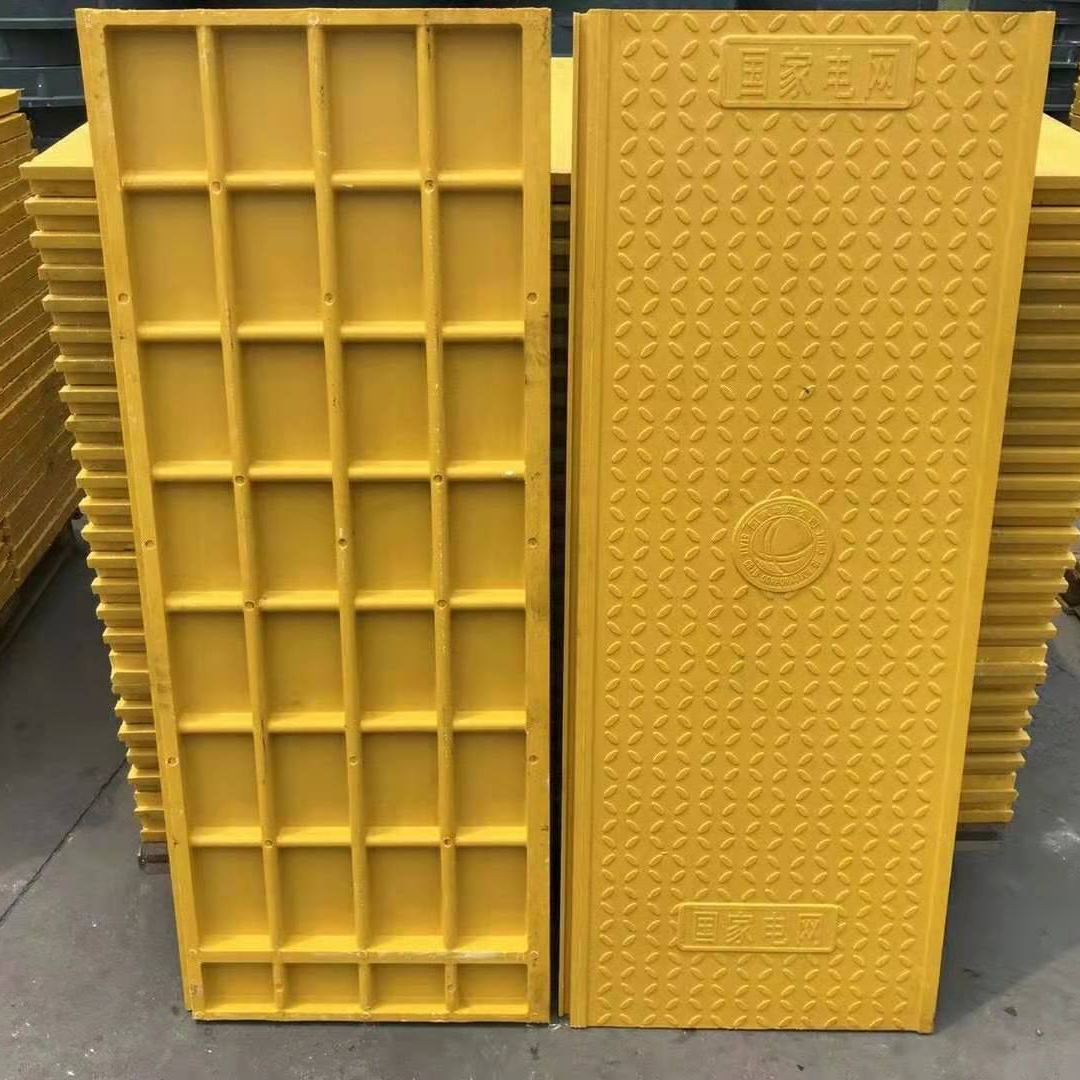
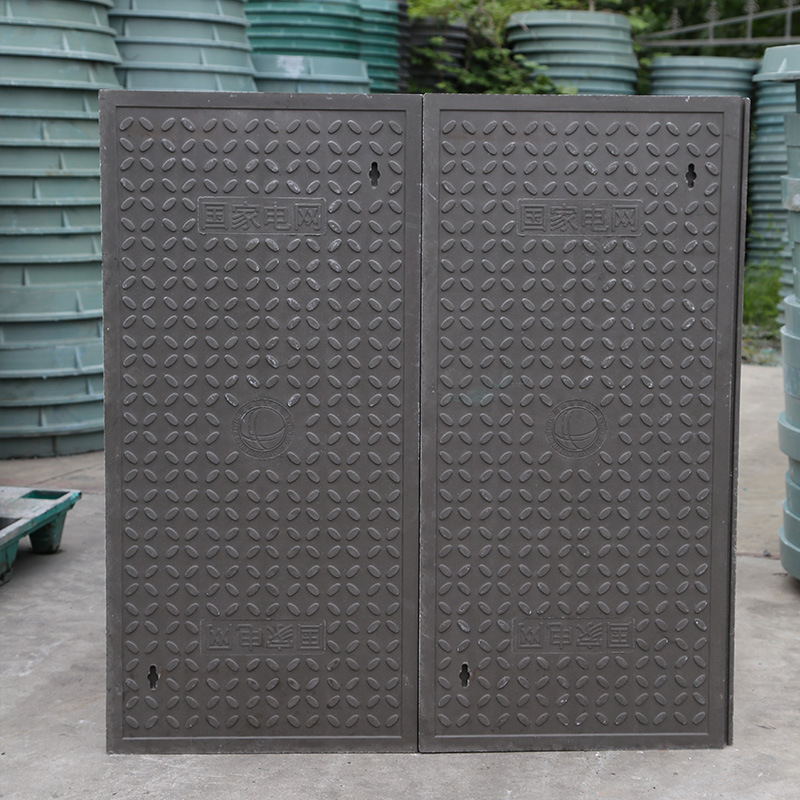
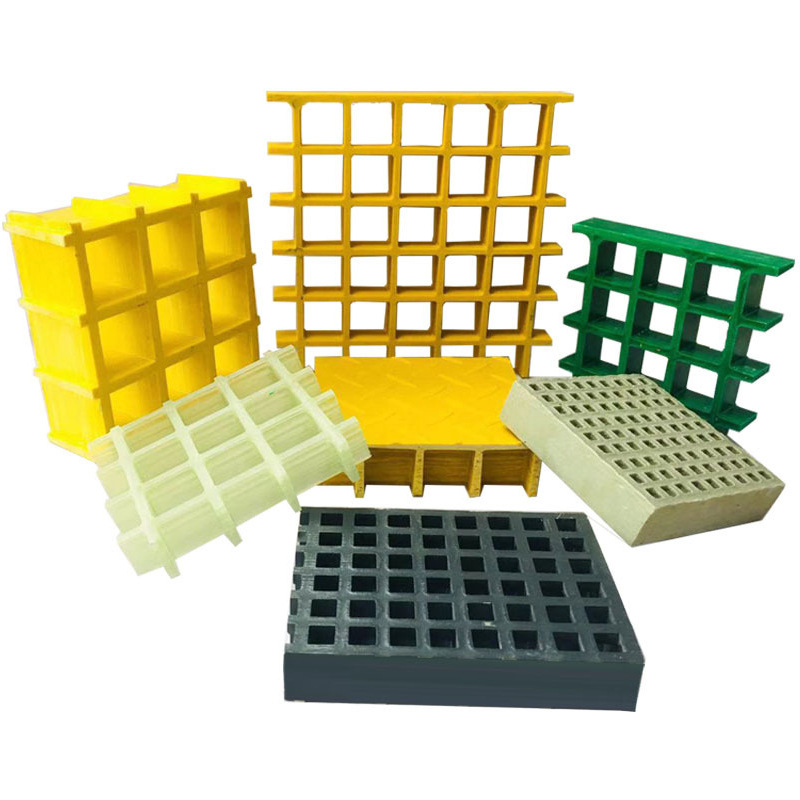
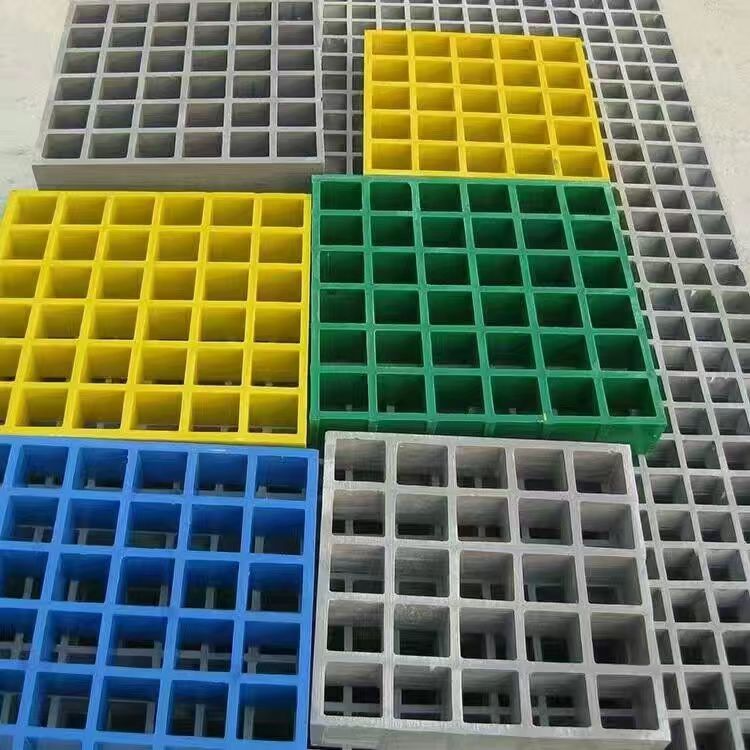
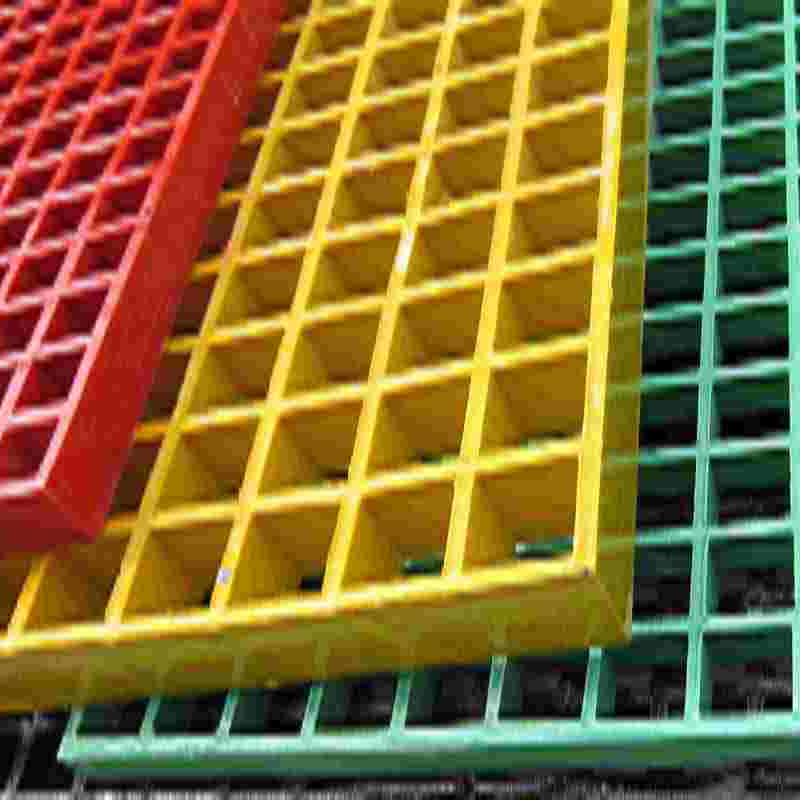
Resin cable trench covers are a type of cover primarily made from resin-based composite materials for municipal or electrical engineering projects. They are mainly used to cover cable trenches, drainage channels, and similar facilities, providing protection for cables, supporting pedestrian traffic, and preventing safety hazards. Their core advantages include lightweight, corrosion resistance, excellent insulation, and aesthetic durability, gradually replacing traditional cast iron and steel grating covers.
Key Materials and Structure
Material Composition
- Base Material:
- Typically, thermosetting resins (such as epoxy resins) are used, which feature high strength after curing, heat resistance, and resistance to chemical corrosion.
- Enhanced Materials:
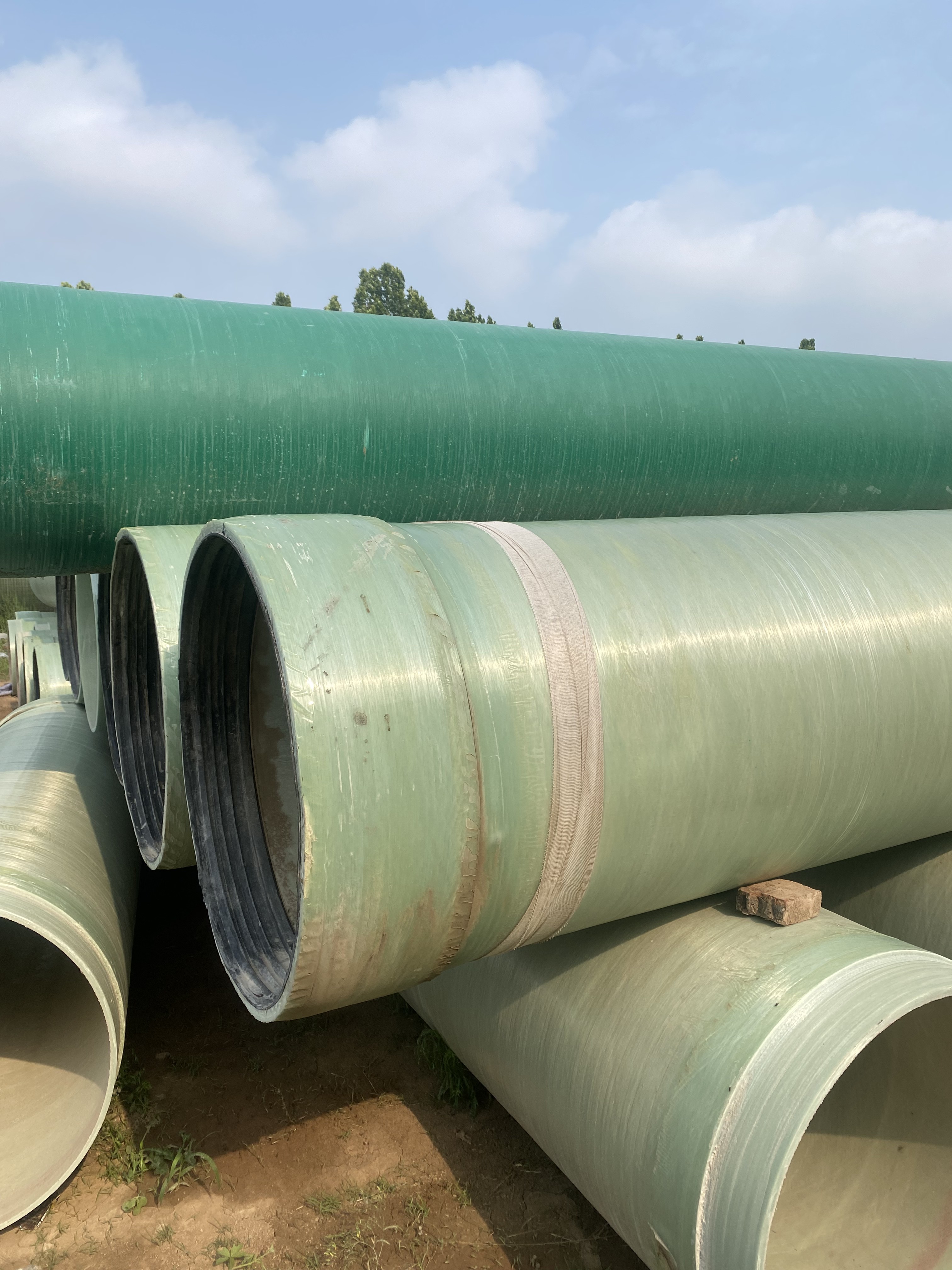
- Glass Fiber (most commonly used): Offers high strength and rigidity, available in forms such as glass fiber yarn and glass fiber felt.
- Carbon Fiber (high-end scenarios): Further enhances strength and lightweighting, but with higher cost.
- Filling Materials & Additives:
- Enhanced wear resistance is achieved by adding fillers such as quartz sand and calcium carbonate, while flame retardants and colorants are added to realize fireproofing and coloring functions.
2. Structural Design
- Overall Molding: Formed in one go via molds, the surface can be designed as flat, anti-slip textured, or raised dot finish, with reinforced ribs on the bottom to enhance load-bearing capacity.
- Layered structure:
- Surface layer: Wear-resistant, anti-aging, and can be added with UV stabilizers.
- Structural layer: Glass fiber reinforced resin, bearing the main load.
- Bottom layer: Sealant layer, to prevent resin leakage or foreign matter intrusion.