



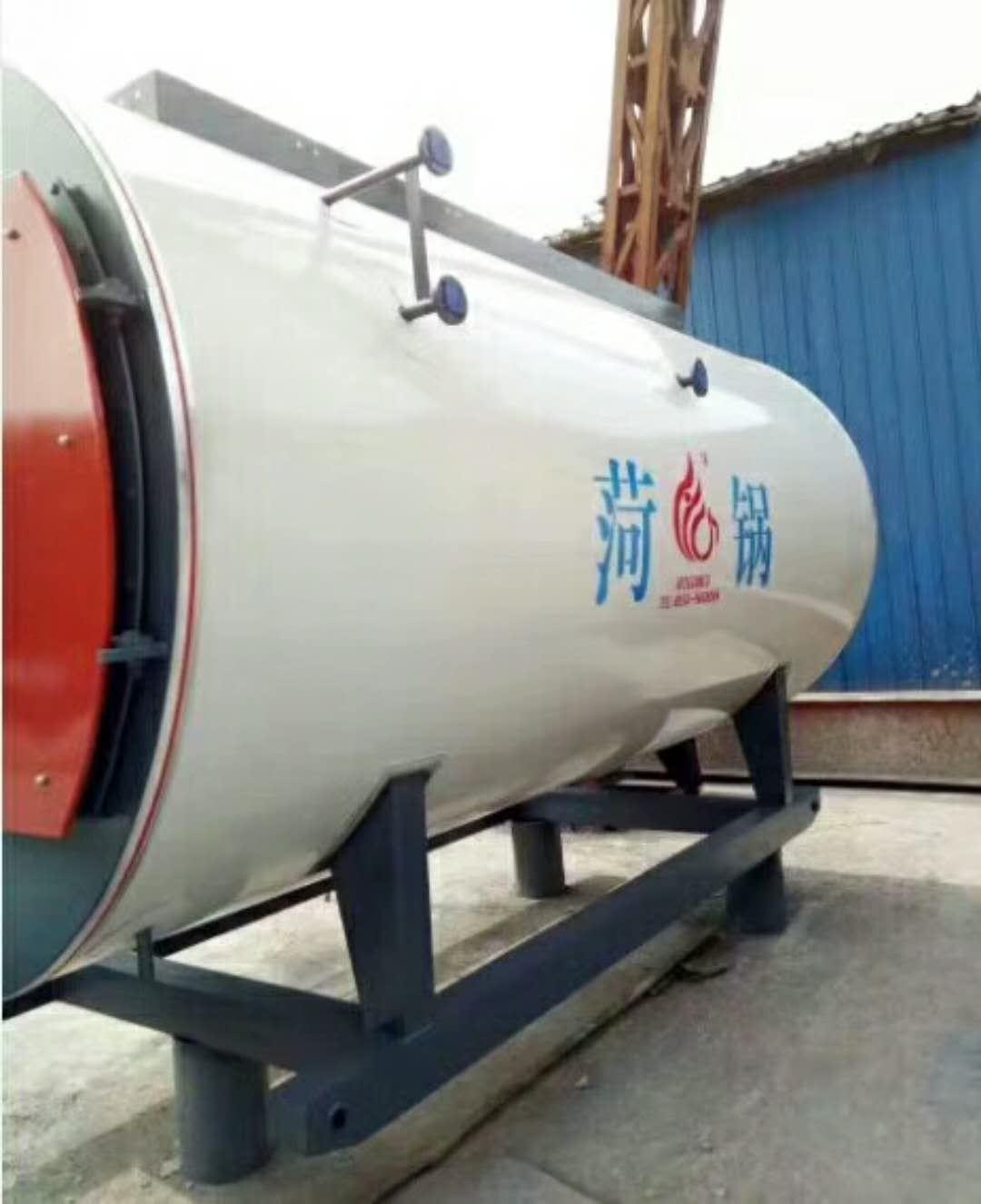

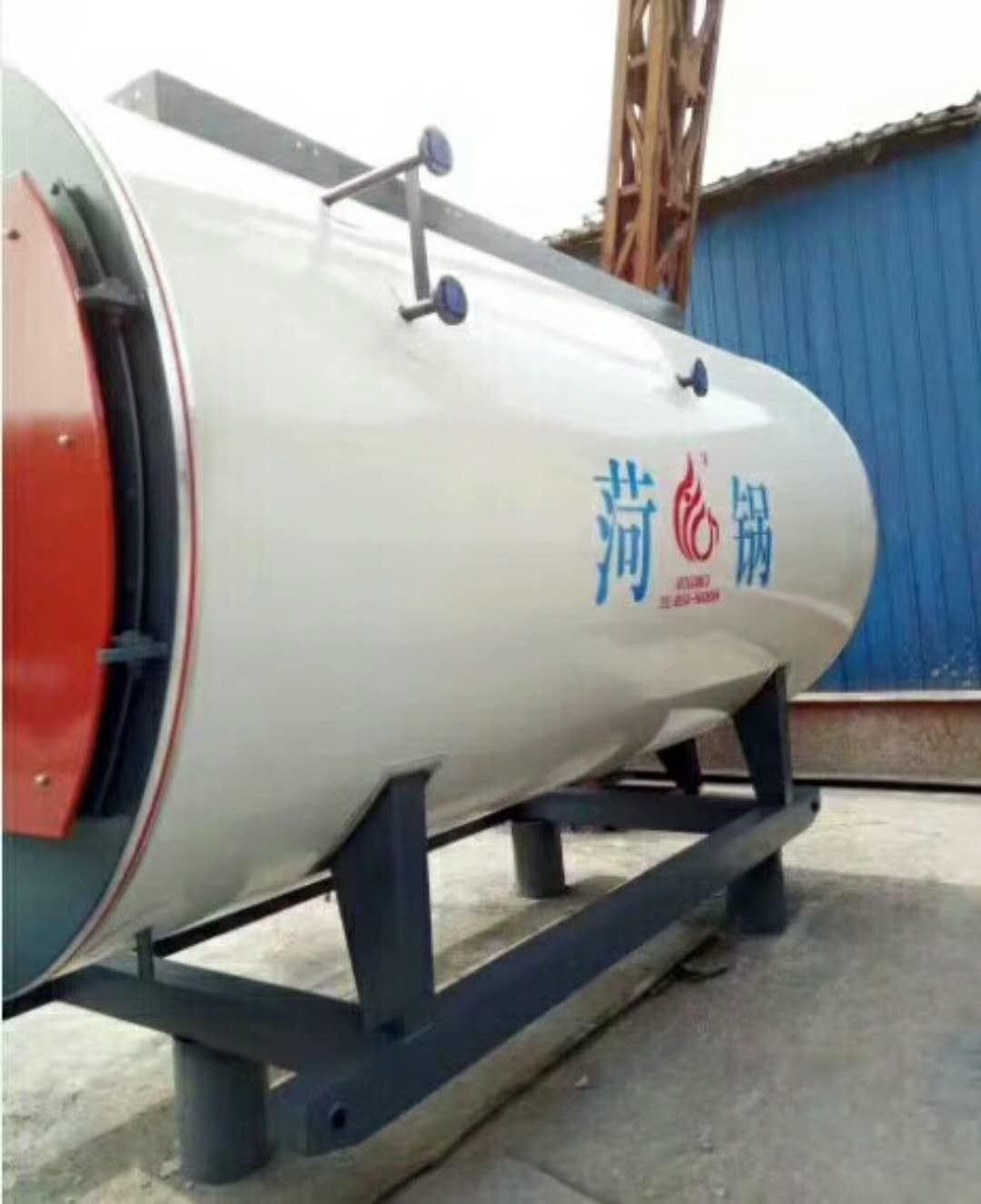
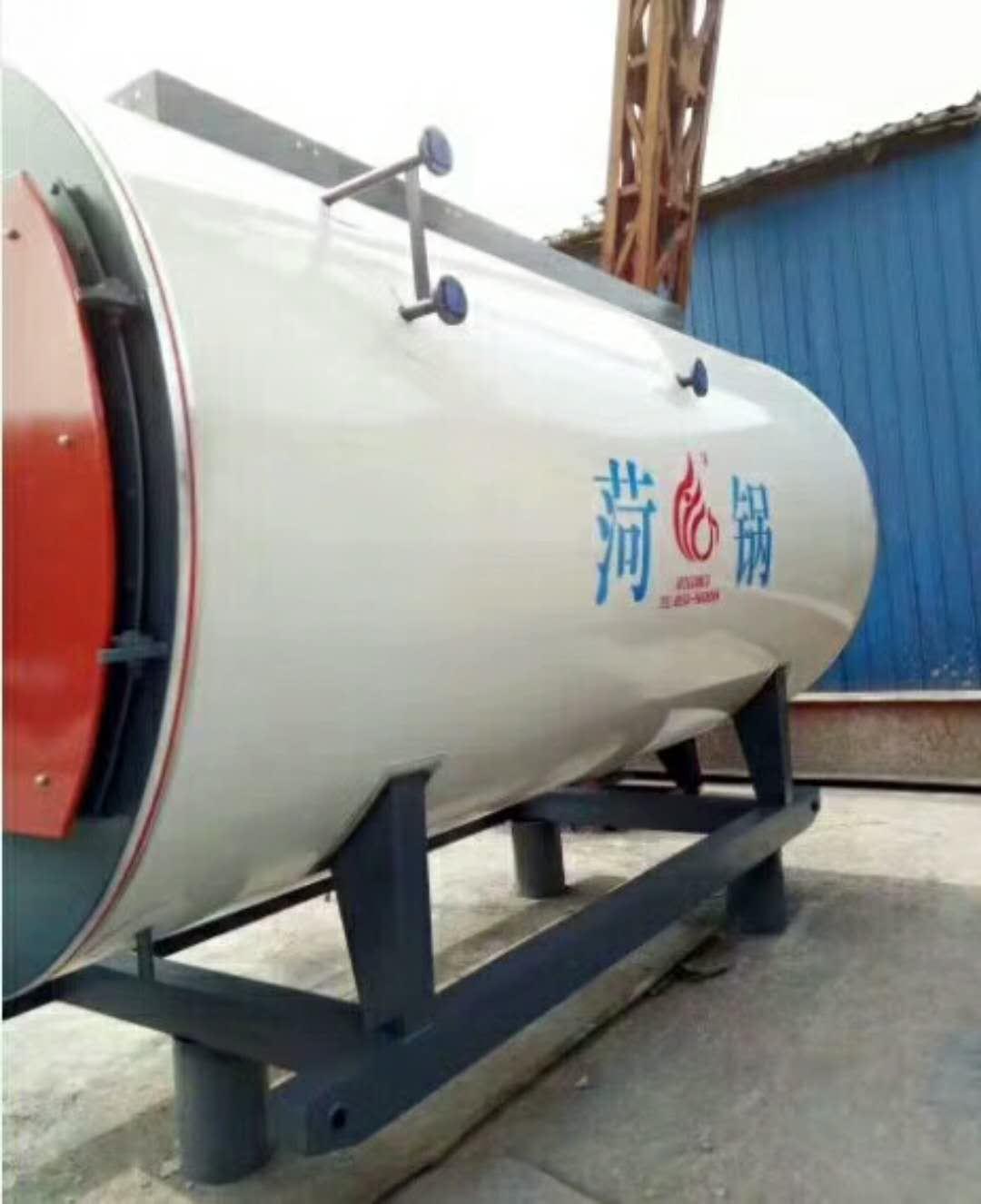



















The LNG storage tank is a double-walled structure, comprising an inner tank, an outer tank, internal and external supports, an insulating layer, a pressure safety system, a vacuum extraction device, and a pipeline system. All vacuum-insulated structures rely on vacuum. Due to the high degassing rate and suction resistance of the insulating space materials, and the inability of the sealing material to withstand high baking temperatures or slow degassing, suction is challenging. To achieve the required vacuum level within the designed extraction time, aside from the vacuum pump and extraction process, it also depends on the flow area of the annular extraction pipes. To ensure a high vacuum level and improve extraction speed, a vacuum extraction device is installed at both ends of the equipment. One device consists of three extraction pipes, placed in the lower annular space and extracted from the bottom, while the other device, also with three extraction pipes, is placed in the upper annular space and extracted from the top. The two sets of extraction pipes cross and overlap along the tank's length. By increasing the flow area of the extraction pipes and using auxiliary methods such as heating and nitrogen displacement, the vacuum extraction structure for a 100m³ annular insulating space reduces the vacuum achievement time to one-third of the conventional structure.


特价天然气储罐哪家质量好-天然气储罐生产商-哪家天然气储罐多少钱-天然气储罐品牌



















