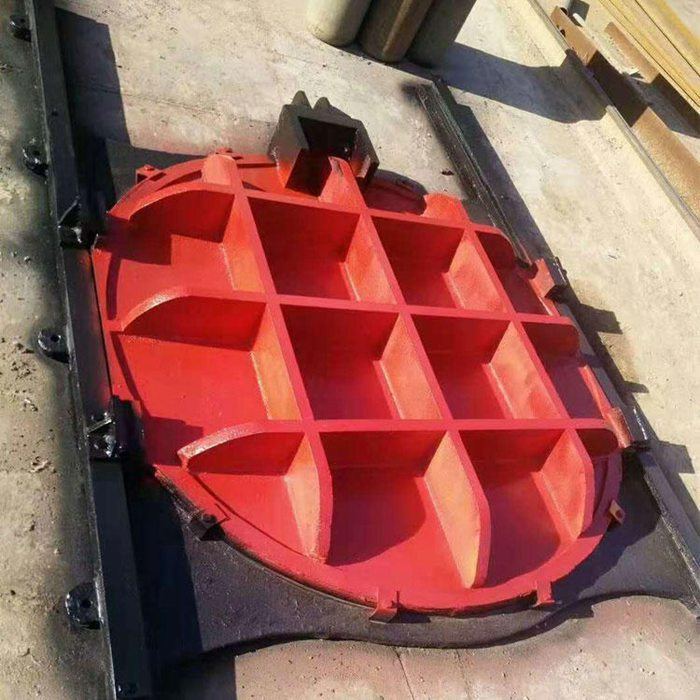







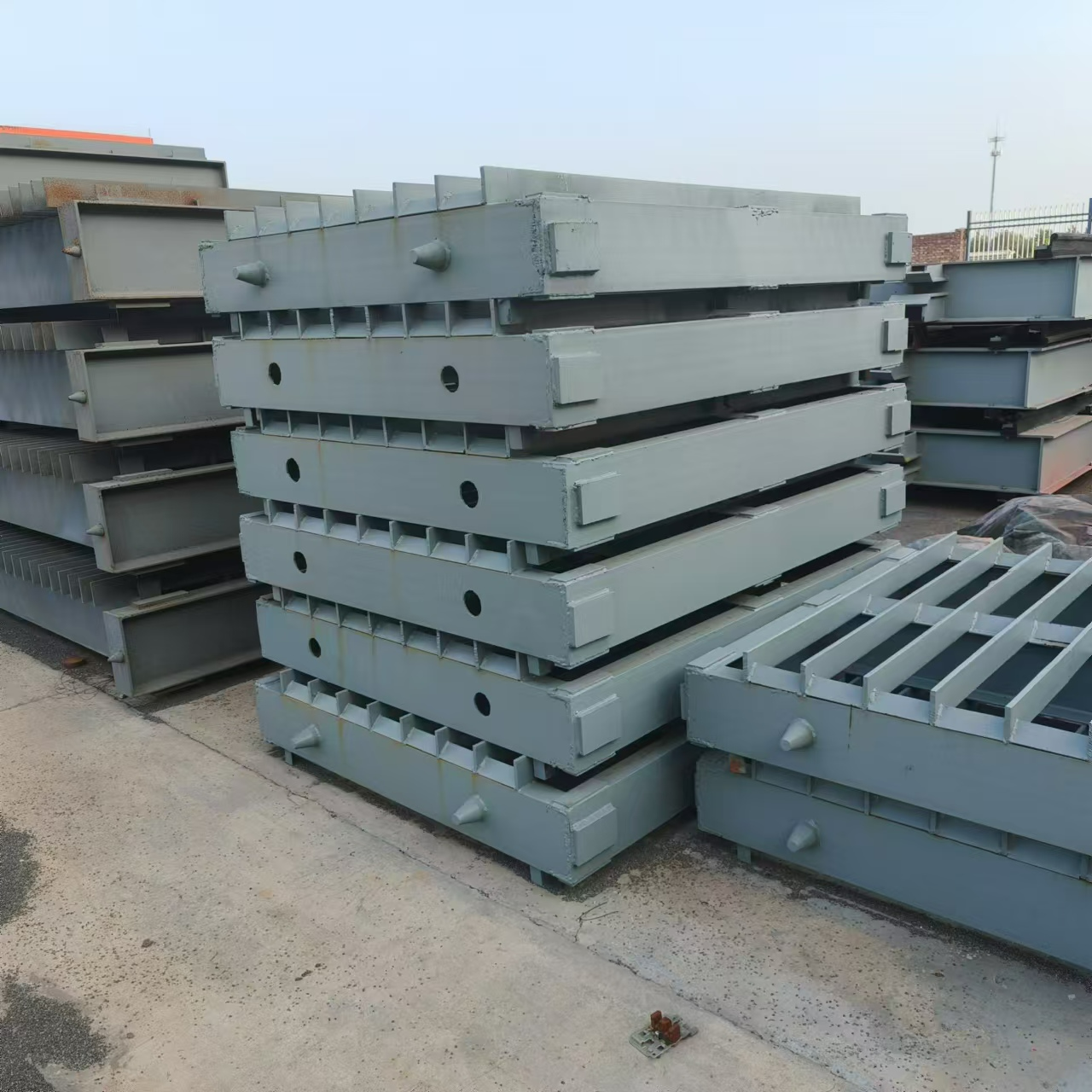
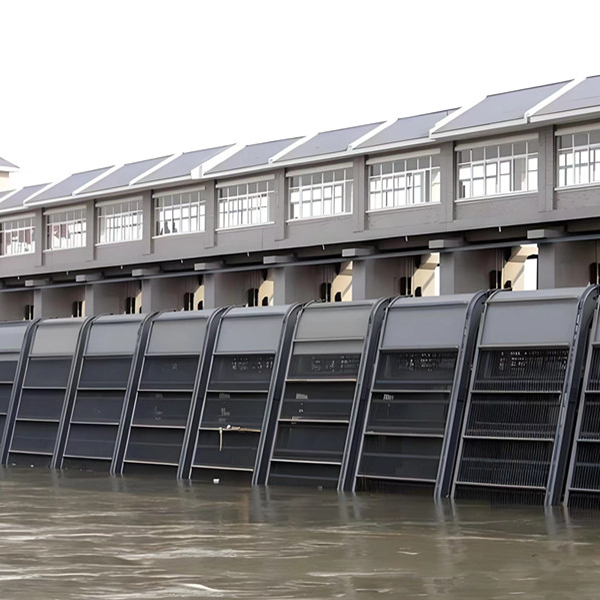
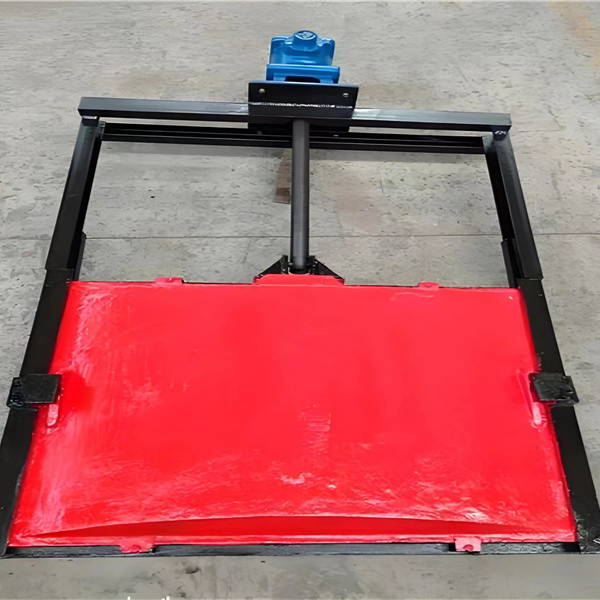
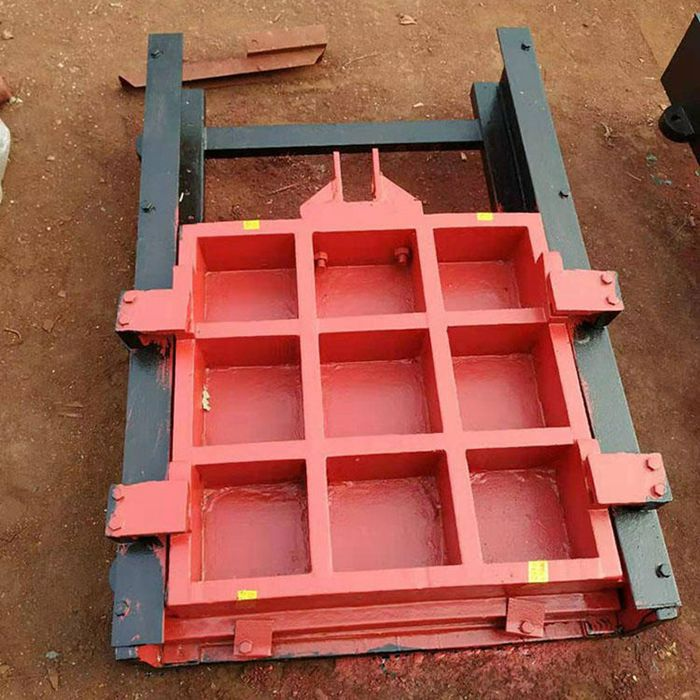
There are two types of cast iron gates: square and round. Cast iron gates typically consist of a gate body and a frame, both made of cast iron. The gate leaf and frame are usually cast separately. The whole-body processed gate usually features a panel and reinforcing ribs structure, with the panel being either flat or arched. The gate body is generally cast and processed as a whole, but larger sizes can be divided into parts. Generally, an integral metal or bronze sealing strip is used as the support slider, with bronze sealing strips secured to the gate body using identical material countersunk screws, completing the water stop work surface at the screw head.
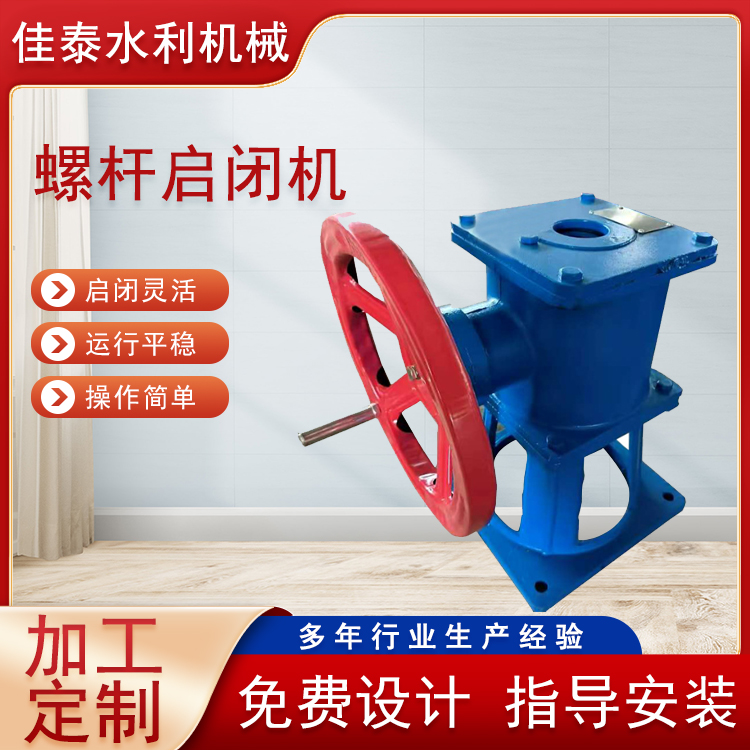
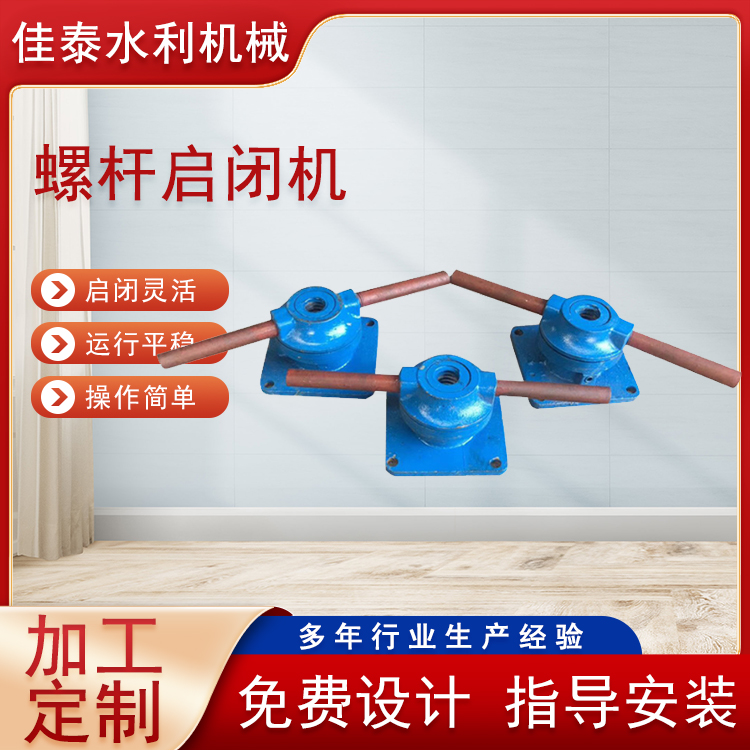
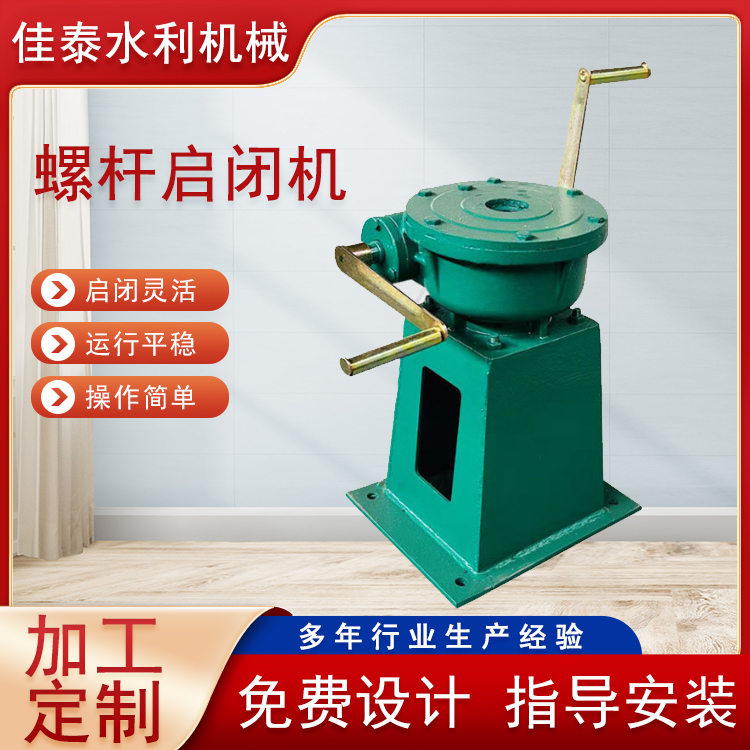
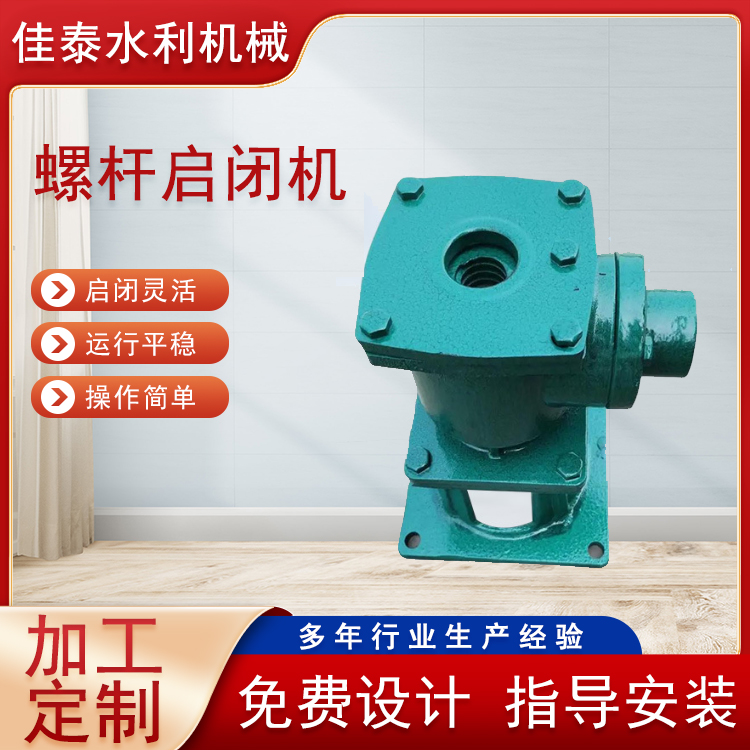
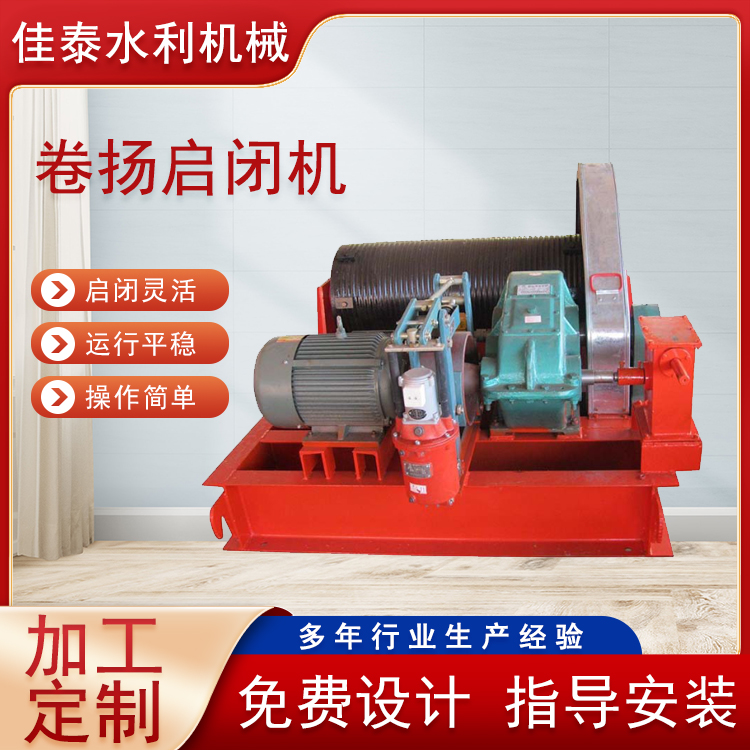
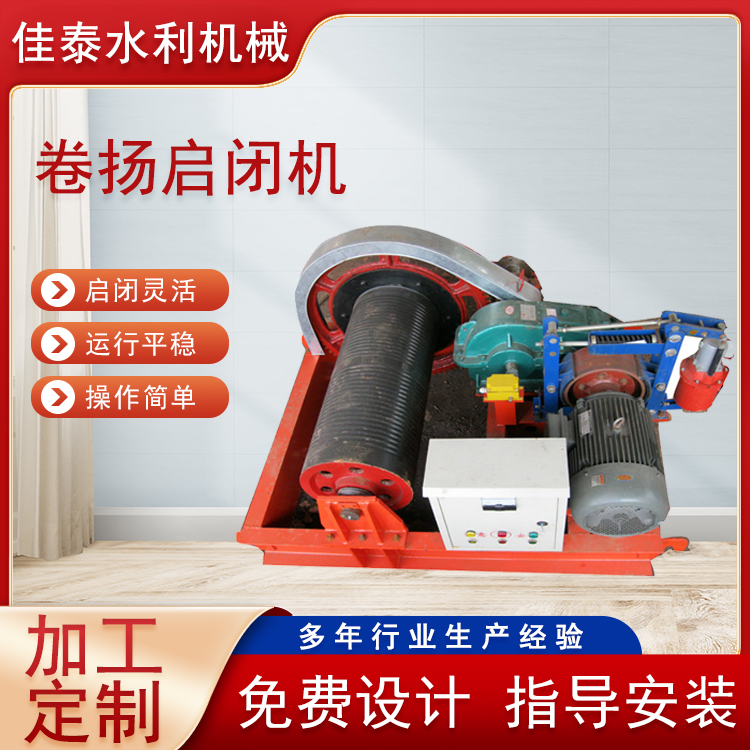
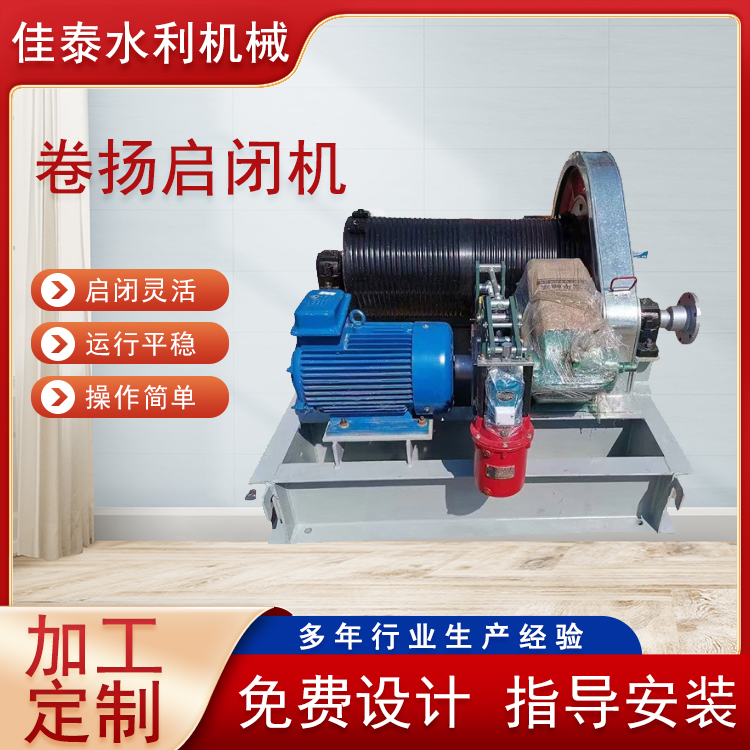
Cast iron sluice gates offer excellent corrosion resistance. The installation process forms a single mold, resulting in lower maintenance costs compared to other gate types. Cast iron sluice gates are generally used in combination with small screw hoists. After long-term use, wear may occur, but we can adjust the water barrier module to ensure the gate continues to function normally. Compared to steel gates, cast iron gates have a simpler structure and can withstand higher water pressure. Due to their lower manufacturing costs, cast iron gates are suitable for smaller waterways. Steel gates, on the other hand, are larger and are only used in large waterways. The use of cast iron gates addresses issues such as high labor intensity, high costs, and poor water-sealing performance in gate production.