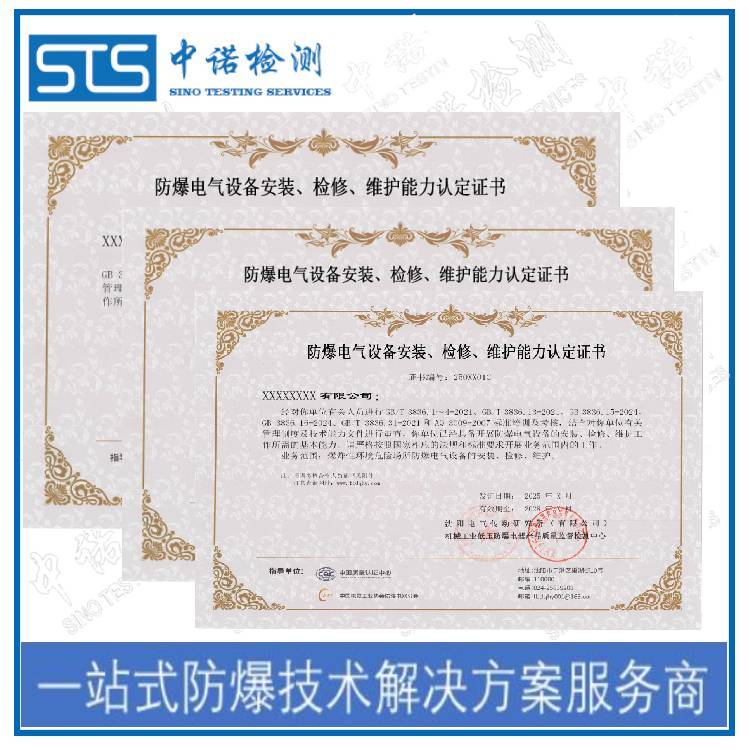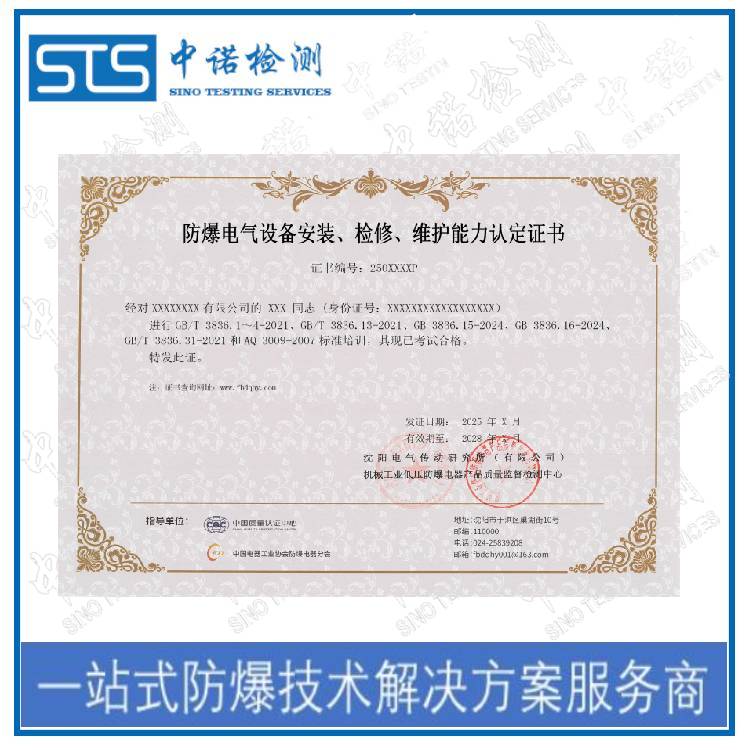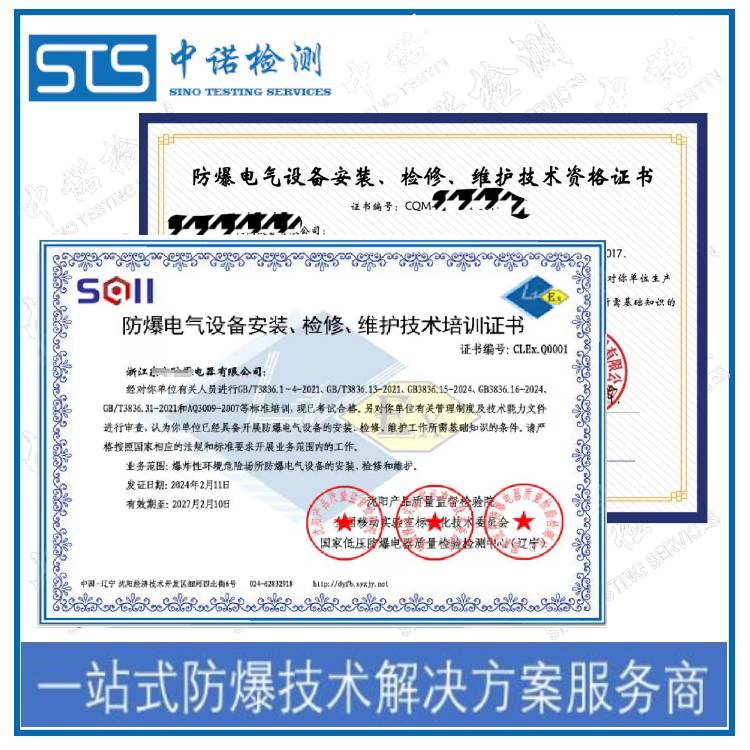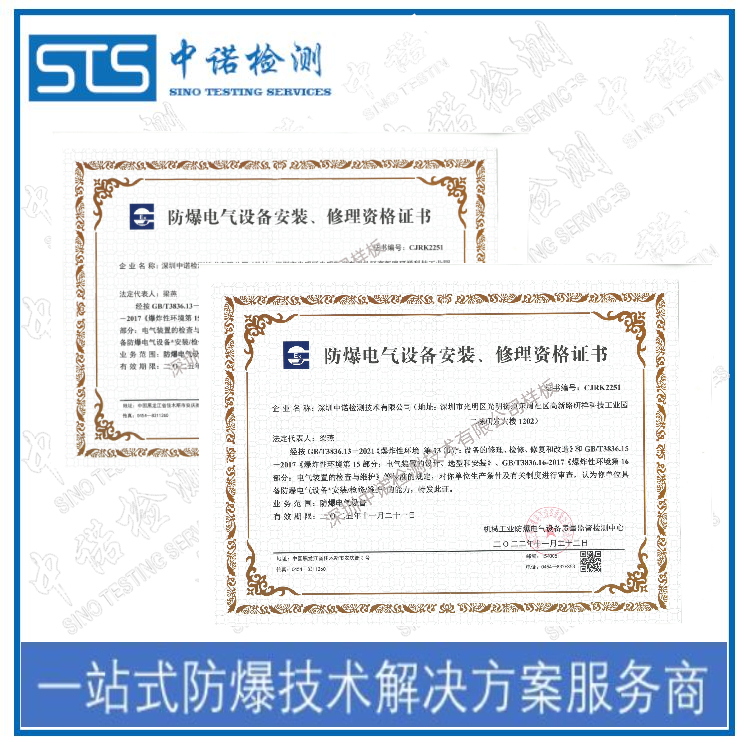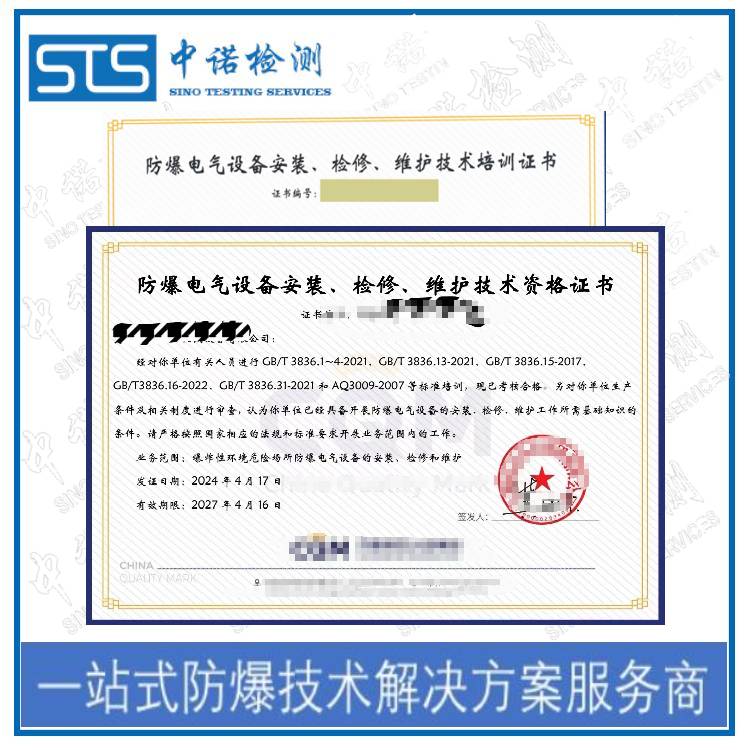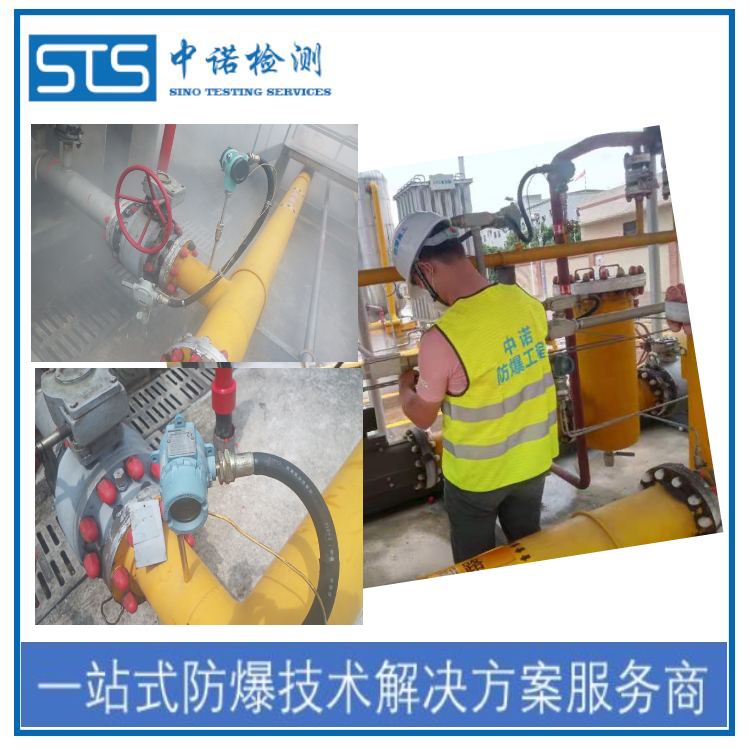

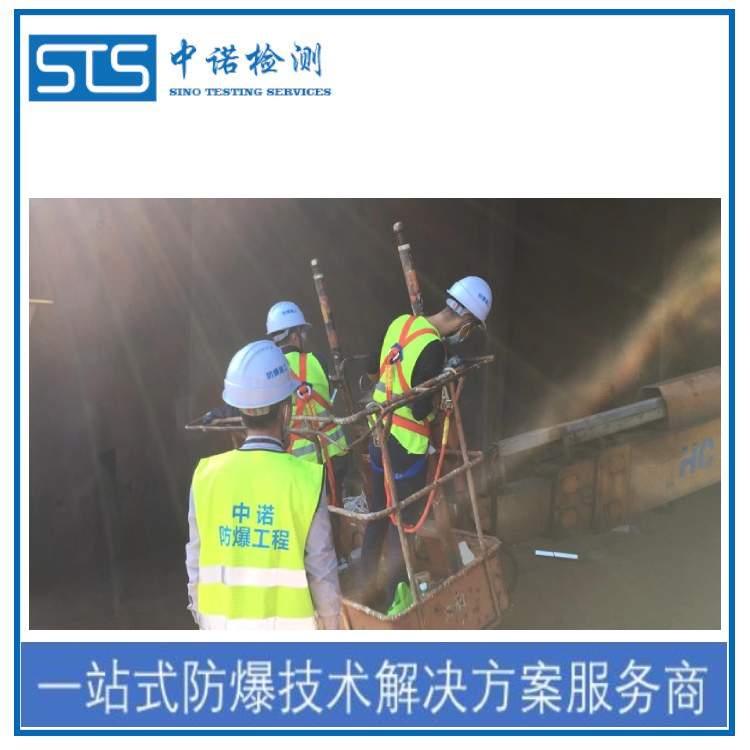
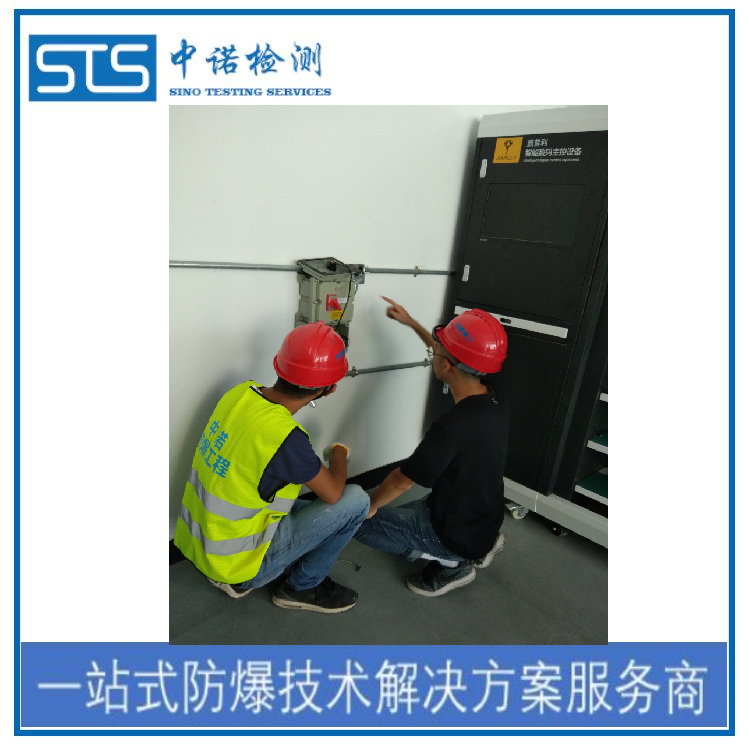


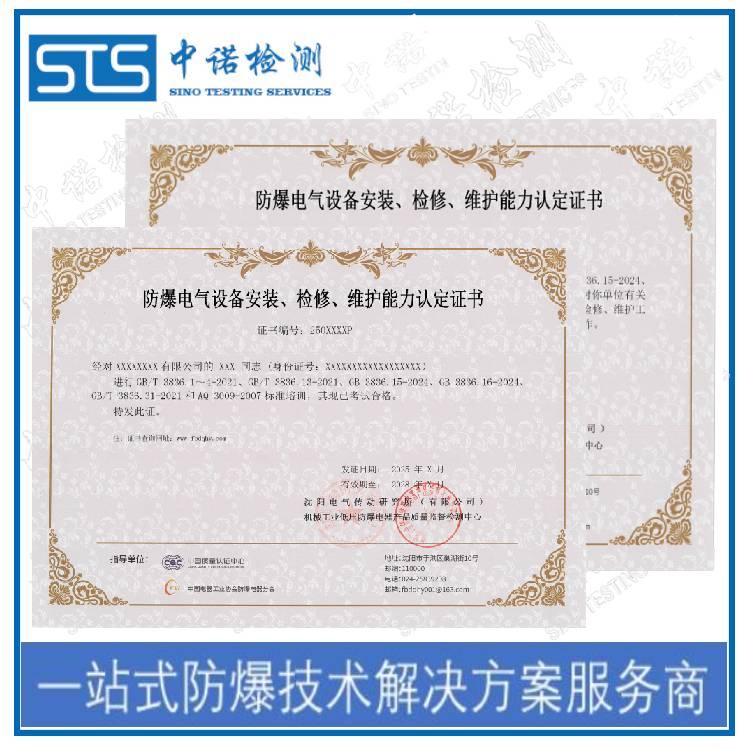
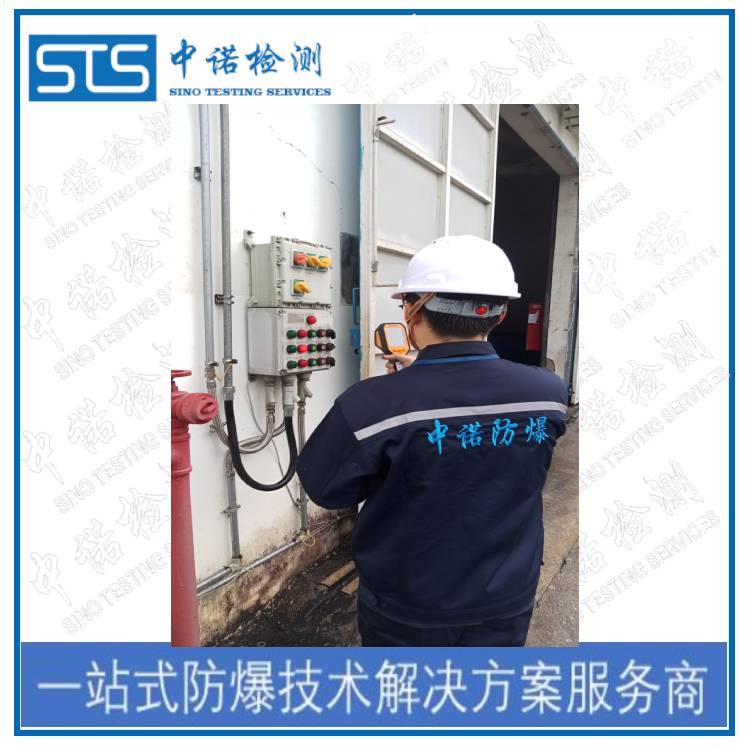
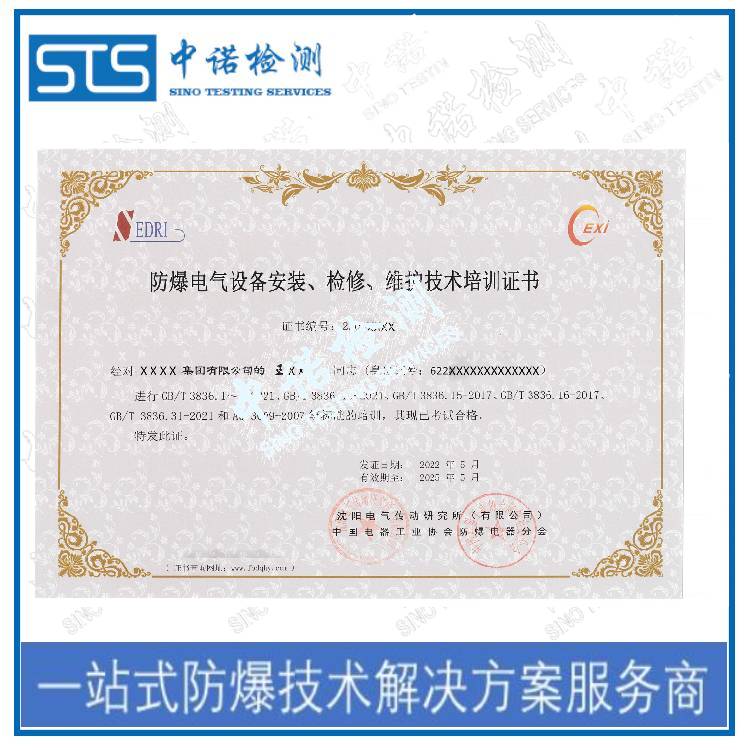
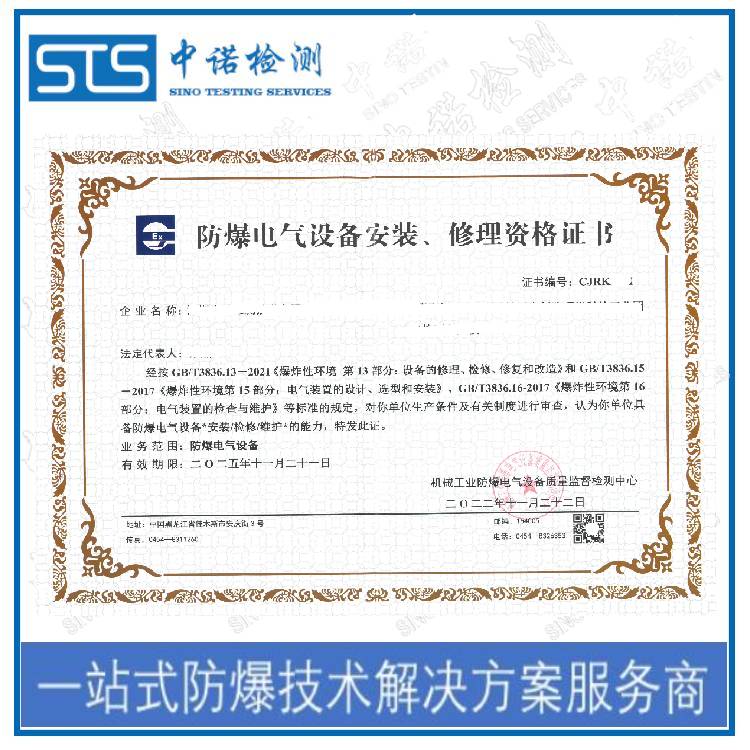
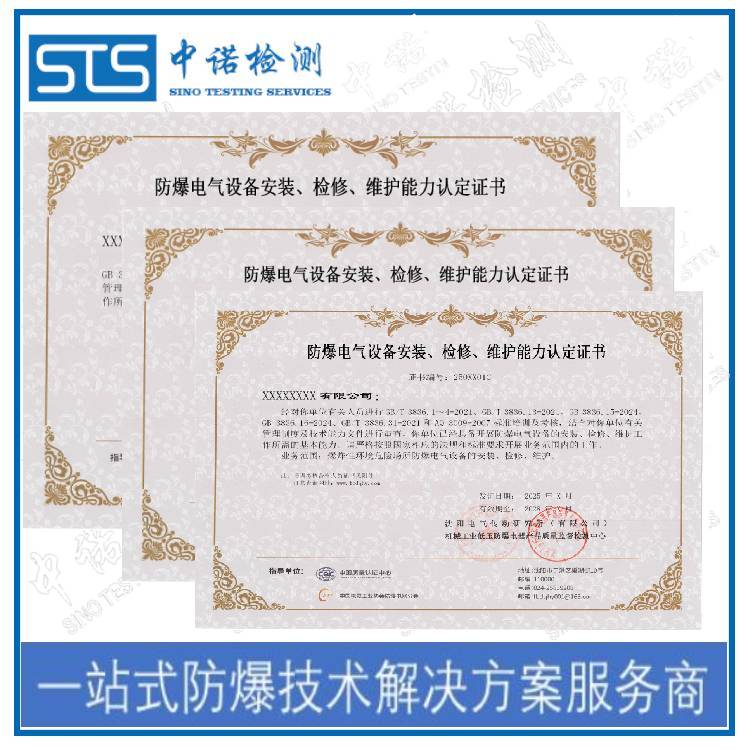





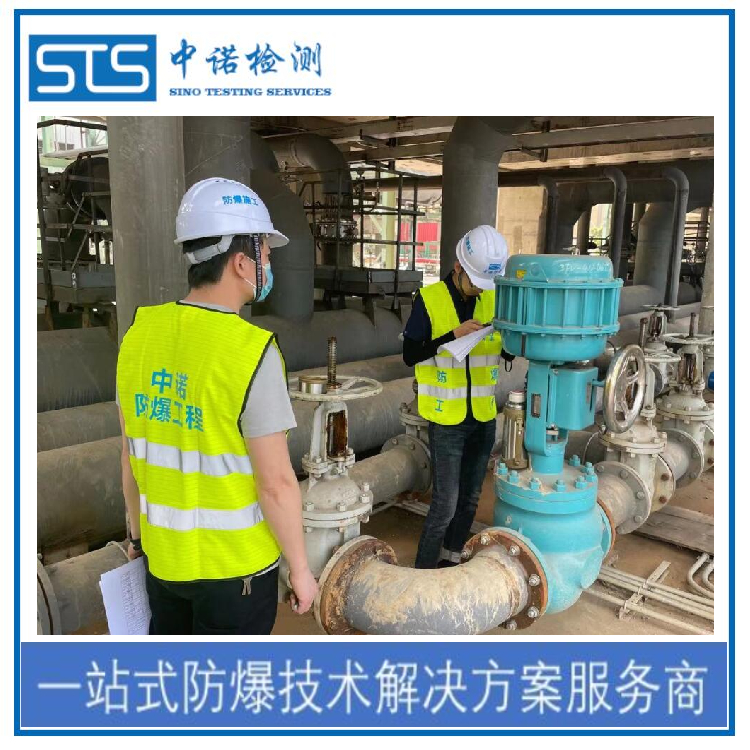
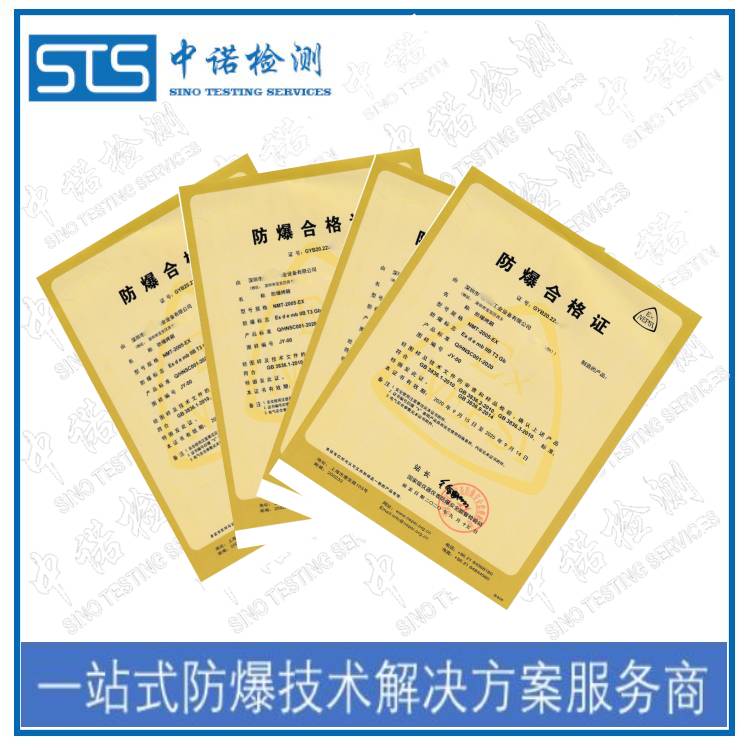
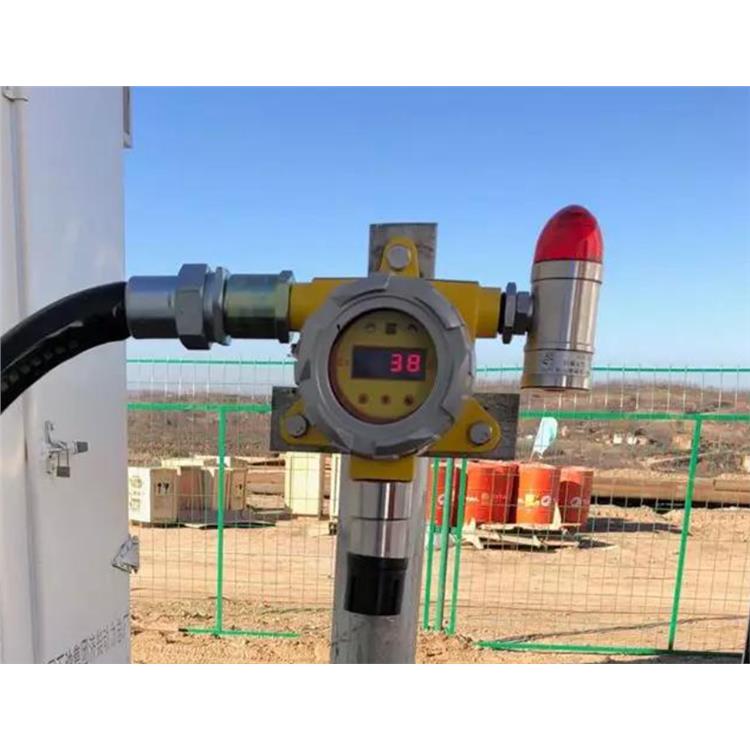
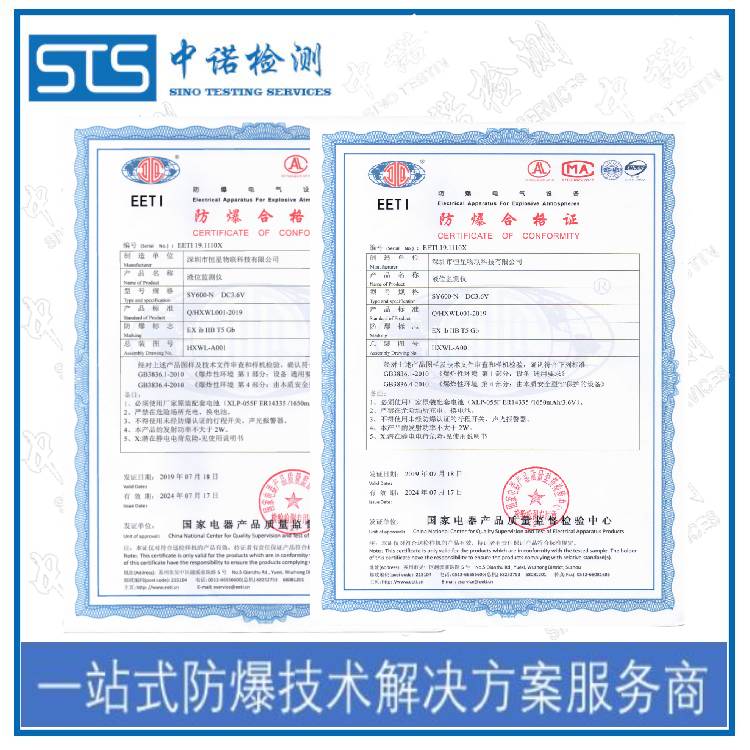
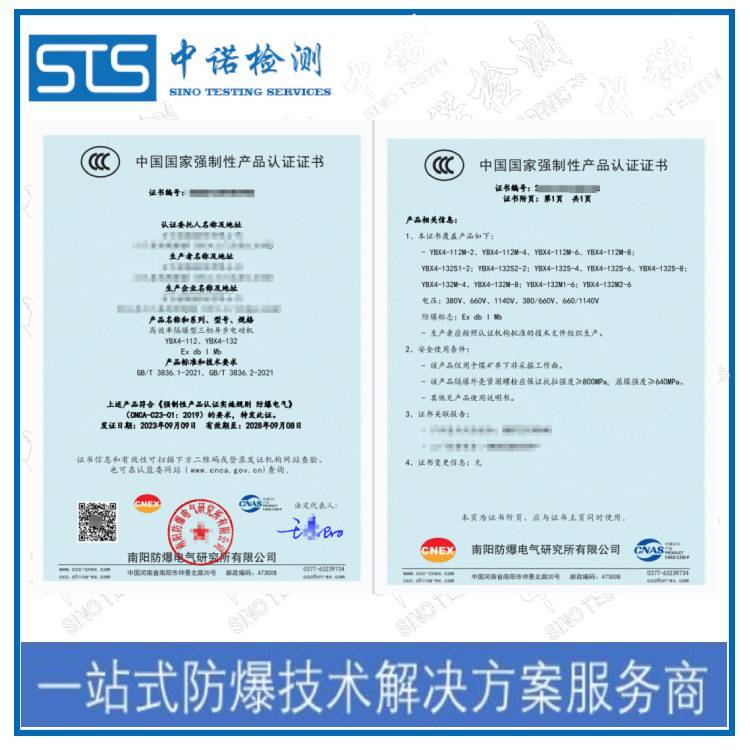

Shenzhen Zhongnuo Inspection & Technology Co., Ltd. is based in South China and offers explosion-proof technical consulting services including on-site construction, safety inspections, modifications, project acceptance, and explosion-proof installation. We are well-versed in explosion-proof construction standards, with experienced construction teams and a wealth of practical experience. We have served major corporations like PetroChina, LG, Huanlan Environment, BOE, and Sinovac, earning consistent positive feedback and trust from our clients!
Basic Dust Explosion-proof Construction Standards
In facilities where explosive dust is present, such as flour mills, feed factories, grinding workshops, and plastic production plants, the requirement for explosion-proof measures on-site is particularly important. The installation and use of explosion-proof wiring, electrical equipment, dust removal systems, architectural layout, and explosion-proof and deflagration venting must all comply with the relevant dust explosion-proof standards. Based on a wealth of explosion-proof electrical construction and retrofit cases, Shenzhen ZhongNuo Testing Technology Co., Ltd. has summarized the following points:
4. Explosion-proof electrical equipment
Electrical equipment used in dust explosion hazard areas must comply with the relevant standards of GB/T3836. The power design should be executed in accordance with the provisions of GB50058. Explosion-proof electrical equipment should be selected based on the grade of the explosion hazard area and the category, level, and group of the hazardous substances.
Options for explosion-proof electrical equipment. In addition to dust explosion-proof electrical equipment with dust-tight construction for environments in Zone 21 with combustible non-conductive dust and combustible fibers, dust explosion-proof electrical equipment with dust-tight construction is used in Zone 20 of explosive dust environments and other explosive dust environments in Zone 21. The equipment is selected based on different ignition temperature groups according to the varying ignition temperatures of the dust.
(2) Galvanized Welded Steel Pipe for Low-Pressure Fluid Transmission
(3) Connections between steel pipes, steel pipes and electrical equipment, and steel pipe fittings should be made with threaded joints. Soldering with sleeves is not allowed and the following requirements must be met: threading should be smooth, complete, and free of corrosion; power composite grease or conductive anti-rust grease should be applied to the threads. Do not wrap the threads with hemp or insulating tape, nor should other paints be applied. For steel pipes with a diameter of 25mm or less, there should be at least 5 threads, and for pipes with a diameter of 32mm or more, there should be at least 6 threads.
(4) Flexible explosion-proof conduits should be installed at the following locations: at the motor's incoming line clamp, where direct connection between the steel pipe and electrical equipment is difficult, and where the pipeline passes through the expansion joints or settlement joints of the building.
(5) In Zones 20, 21, and 22, it is not advisable to use portable electrical equipment. If portable electrical equipment must be used, YC or YCW rubber cables should be selected for the wiring.
AQ3009-2007 "Electrical Explosion Protection Safety Regulations for Hazardous Areas" categorizes dust explosion areas into 20 zones, 21 zones, and 22 zones.
5. Ventilation and Dust Removal
(1) The dust removal systems should be set up in opposition, categorized by process sections.
(2) All dust-generating points should be equipped with dust collectors.
(3) There should be no dust settling in the ductwork.
(4) Bag dust collectors should be used, with the external filter type being given priority.
(5) Dust collectors should be installed outdoors. If installed indoors, the explosion relief pipe should be directly connected to the outside, with a length less than 3 meters, and a flame arrester should be set based on the dust properties.
(6) It is advisable to install isolation valves at the inlet and outlet of the dust collector, as well as temperature monitoring devices.
(7) Pulse-jet baghouse dust collectors should ideally use nitrogen, carbon dioxide, or other inert gases as the cleaning gas source.
Fire Protection
(1) Select the appropriate fire extinguisher based on the physical and chemical properties of the dust.
(2) During fire extinguishing, prevent dust from being lifted to form a dust cloud.
(3) If the combustible material reacts with water to produce explosive gases, do not use water to extinguish the fire.
7. Job Safety
(1) Measures should be taken to prevent collisions when dust clouds can be ignited by sparks produced from impacts, and explosion-proof tools should be used during maintenance.
(2) Do not use rotating grinding wheels and rotating cutting disks for grinding and cutting without equivalent protection measures to flame operations.
(3) All production workshops and storage rooms where dust may accumulate should be cleaned promptly.
(4) Compressed air井下 blowing should not be used.
(5) At the workplace, production personnel should not wear synthetic fiber garments or pants next to their skin.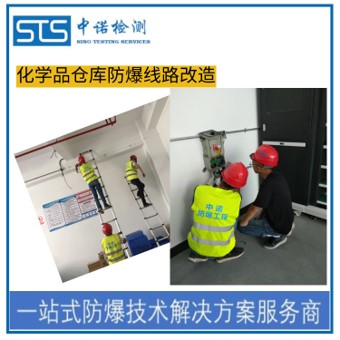
Installation of electrical wiring in explosive environments shall comply with the following regulations (Shared by Shenzhen ZhongNuo Inspection Technology Co., Ltd.)
Electrical wiring should be installed in environments with low explosion hazards or far from the source of release, and it should comply with the following regulations:
1) When the material is heavier than air, electrical wiring should be installed at a higher level or directly buried. For overhead installation, cable trays should be used; for trench installation, the trench should be filled with sand, and drainage measures should be in place.
2) Electrical wiring should be installed outside the walls of buildings or structures that pose an explosion hazard.
3) In explosive dust environments, cables should be laid in locations where dust does not accumulate easily and is easy to remove.
(2) Holes in walls or floors between different areas that electrical wiring conduits, cable trays, or conduits pass through should be tightly sealed with non-combustible materials.
(3) When laying electrical lines, it is advisable to avoid areas prone to mechanical damage, vibration, corrosion, ultraviolet radiation, and heat. If avoidance is not possible, preventive measures should be taken.
(4) Conduit wiring can use insulated single-core or multi-core wires without sheath. When the conduit contains three or more wires, the total cross-sectional area of the wires including insulation should not exceed 40% of the conduit's cross-sectional area. The conduit should be made of galvanized steel pipe for low-pressure fluid conveyance. The threaded section of the steel pipe connection should be coated with lead oil or phosphating paste. At locations where condensation water may form, a sealed joint for draining condensation water should be installed on the pipeline.
(5) Electrical wiring for steel pipe wiring in explosive gas environments should be properly insulated and sealed, and should comply with the following regulations:
1) During normal operation, the 450mm radius around all ignition source enclosures should be sealed off.
2) Steel pipes with a diameter of 50mm or more should be isolated and sealed within 450mm of the incoming junction box.
3) Isolation and sealing should be provided between adjacent explosive atmospheres, as well as between explosive atmospheres and adjacent other hazardous or non-hazardous environments. During sealing, the inner part of the seal should be lined with fiber as the base or separator layer. The effective thickness of the filling layer should not be less than the inner diameter of the steel pipe, and it must not be less than 16mm.
4) Connection parts for isolation seals should not be used for wire connections or branching.
(6) Intermediate joints are strictly prohibited in cable lines within Zone 1, and intermediate joints should not be present in Zones 2, 20, and 21.
(7) When terminating cables or wires, if the internal conductors are braided, the terminations should be made using crimped terminals or splicing nuts. Connections and terminations of aluminum-core insulated conductors or cables should be made by crimping, soldering, or spot welding. When connecting to equipment (excluding lighting fixtures), use a copper-aluminum transition connector.
(8) Overhead power lines must not cross explosive gas environments. The horizontal distance between overhead lines and explosive gas environments should not be less than 1.1 times the height of the pole tower. In special cases, after taking effective measures, the distance may be appropriately reduced.
Basic Standards for Explosion-Proof Design in Hazardous Areas (Shared by Shenzhen Zhongnuo Testing Technology Co., Ltd.)
1. First, conduct an overall explosion protection design
2. Directed release of explosive energy. Around the source of explosion, utilize both anti-explosion and venting technologies comprehensively. Set anti-explosion walls and windows in the direction of high population density, office areas, and critical equipment. In areas with little human access and without critical equipment, install venting walls and windows.
3. Determine the safe distance. Minimize the placement of office areas, residential areas, and critical equipment areas within the range less than the safe distance unless necessary; if set, implement necessary explosion-proof measures.
4. Conversion of non-blast-resistant buildings to blast-resistant. In areas within the unsafe distance, blast resistance assessments of buildings should be conducted, and reinforcement for buildings not meeting blast resistance requirements should be implemented: to prevent building collapse; to prevent the breakage of brittle materials such as bricks, concrete, glass, etc., and the resulting flying debris.
5. Locate explosion-proof shelters in hazardous blast zones.
Standard for Explosion-proof Construction Acceptance — Shenzhen ZhongNuo Testing Technology Co., Ltd.
G50058 Specification for Design of Electrical Installations in Explosive Hazardous Environments
GBJ54-83 "Code for Design of Low-Voltage Power Distribution Equipment and Lines"
G50016 Building Design Fire Prevention Code
AQ3009 Electrical Explosion Protection Safety Code for Hazardous Locations
GB/T 3836.1 "Explosive Atmospheres – Part 1: Equipment – General Requirements"
GB/T3836.15 "Design, Selection, and Installation of Electrical Equipment for Explosive Atmospheres"
GB50257 "Code for Construction and Acceptance of Electrical Installations in Explosive and Flammable Gas and Dust Environments"
14J938 "Explosion-Resistant and Explosion-Relieving Doors, Windows, Roof, and Wall Building Structures"
Explosion-proof electrical renovations and on-site explosion-proof construction consulting services for hazardous areas - Shenzhen Zhongnuo Inspection Technology Co., Ltd.
WeChat Official Account

Scan to follow Official Account