


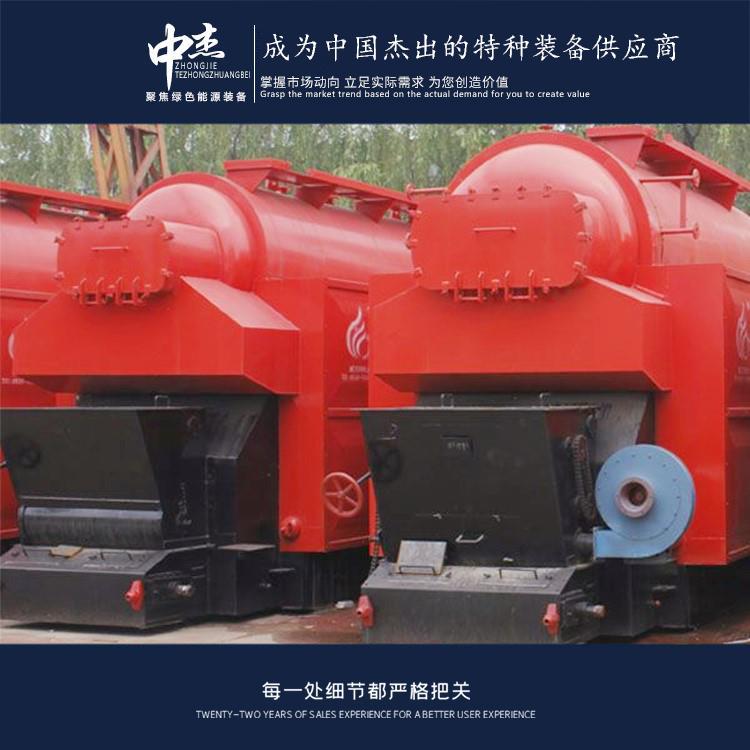

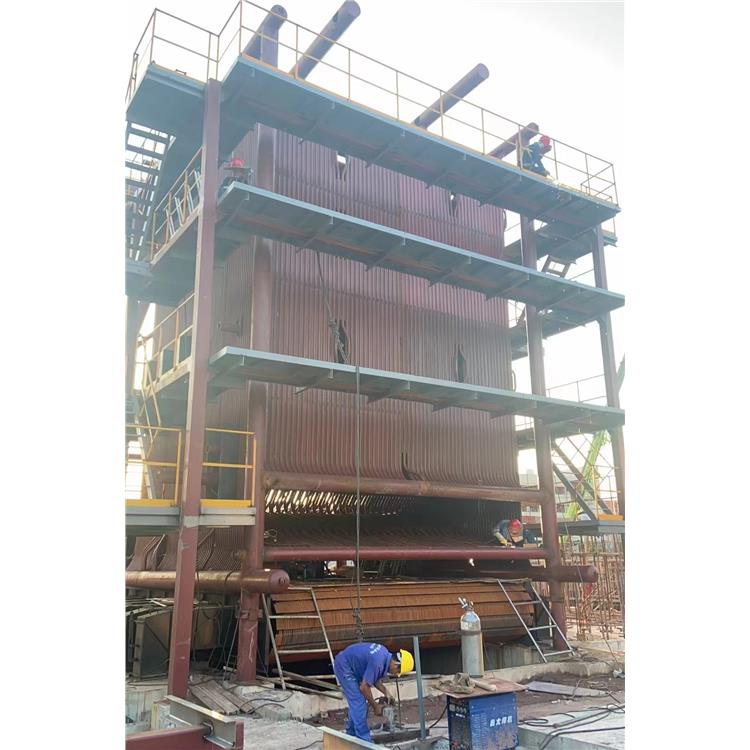
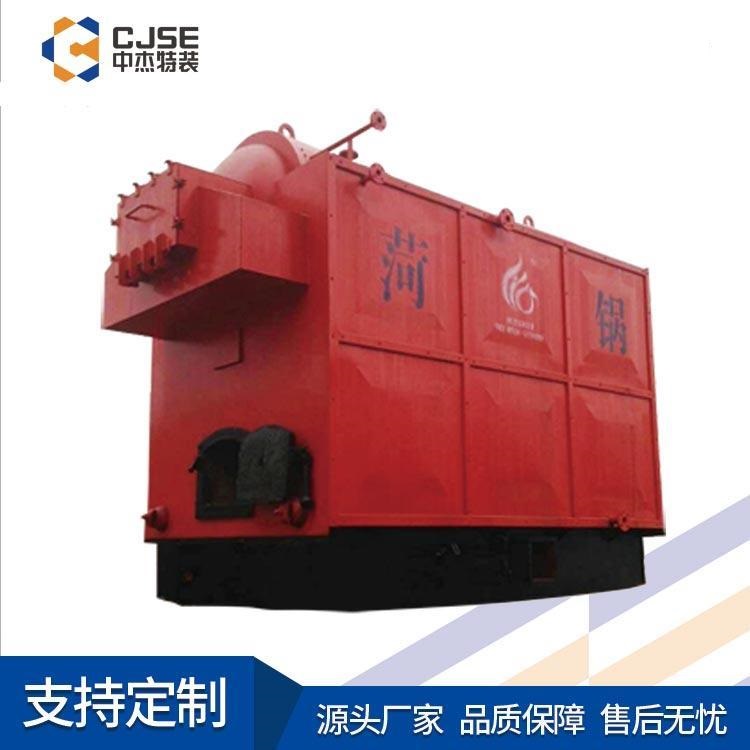


















Shandong Zhongjie Special Equipment Co., Ltd. (formerly Heze Boiler Factory Co., Ltd.) was established in 2001 and is located at No. 2218 Jinnan Road, Development Zone, Heze City. With a registered capital of 50 million yuan and total assets of 500 million yuan, the company operates seven business centers: boilers, deep-freeze containers, pressure vessels, central air conditioning, engineering installation, international trade, and Internet of Things. It has three factory sites on Jinnan Road, East Changjiang Road, and Bohai Road, covering a total of 200,000 square meters, with the main workshop spanning 83,000 square meters. It currently employs 710 people, including 247 engineering technicians and 82 middle-level technical personnel. In December 2016, it was recognized as a "High-tech Enterprise" by the Science and Technology Department. In June 2021, it was named a "Specialized and New Enterprise of Shandong Province" by the Ministry of Industry and Information Technology. In June 2022, it was identified as a "Gazelle Enterprise of Shandong Province" and in August 2022, it was recognized as a "Specialized and New Small Giant Enterprise" by the Ministry of Industry and Information Technology.
Blowing ash refers to the process of removing dust and scale from the flue, furnace, and heat exchange surfaces of a boiler during its operation, by means of injecting high-pressure steam or compressed air. The function of blowing ash and its impact on the operation of biomass boilers are as follows:
Function:
Dust and dirt: Biomass combustion generates a substantial amount of dust and dirt, which can adhere to the flue pipes, furnace walls, and heat exchange surfaces of the boiler, affecting the efficiency of heat transfer. Blowing ash can remove this dust and dirt, maintaining the cleanliness of the boiler.
Enhance Heat Transfer Efficiency: Ash and dirt buildup on boiler flues, furnace walls, and heat exchange surfaces create thermal resistance, hindering heat transfer. Blowing away this residue can eliminate thermal resistance, boost heat transfer efficiency, and reduce energy waste.
Prevent scaling and corrosion: Ash and dirt accumulation on boiler flues and furnace walls can lead to excessively high local temperatures, causing scaling and corrosion issues. Blowing dust can lower local temperatures and prevent the occurrence of scaling and corrosion.
Impact:
Boiler thermal efficiency: Blowing dust can remove ash and dirt from the boiler flue, furnace, and heat exchange surfaces, improving the efficiency of heat transfer, thereby enhancing the boiler's thermal efficiency.
Boiler Safety: Blowing ash prevents scaling and corrosion in the boiler flue and furnace, reducing safety hazards and ensuring the safe operation of the boiler.
Boiler Stability: Blowing dust can maintain the cleanliness of the boiler, reduce the impact of accumulated ash and dirt on boiler operation, and enhance the efficiency of the boiler.
slagging in biomass boiler furnace is caused by the ash and other impurities in the biomass fuel forming slag during the combustion process, which accumulates in the furnace. The following are some operating factors that affect slagging in biomass boiler furnace:
Fuel Characteristics: Different types of biomass fuel have varying ash content, ashing temperature, and ashing properties. Fuel with high ash content is prone to producing a large amount of ash residue, while fuel with a lower ashing temperature is more likely to form slag inside the furnace.
Combustion Temperature: Combustion temperature is a critical factor affecting slagging in biomass boiler furnaces. An excessively low combustion temperature can result in incomplete fuel combustion and insufficient melting of ash, increasing the likelihood of slag formation.
Air Supply: Excessive air supply can lower combustion temperatures, increase the time fuel stays in the furnace, and raise the risk of slagging. At the same time, insufficient air supply can lead to incomplete fuel combustion, increasing the generation of ash and slag.
Furnace Design: The design of the furnace chamber significantly impacts the airflow and temperature distribution within. A well-designed furnace chamber promotes complete fuel combustion and efficient slag removal, reducing the likelihood of slag buildup.
Dust Removal System: The performance and operation of the dust removal system also affect the slagging condition inside the furnace. Regularly cleaning the ash and accumulated dust inside the furnace maintains the furnace's ventilation.
To prevent high-temperature corrosion issues in biomass boilers, the following measures can be taken:
Select appropriate materials: Choose metal materials with good corrosion resistance for boiler components, such as stainless steel and heat-resistant steel. These materials possess excellent anti-corrosion properties and can maintain stability in high-temperature and corrosive environments.
Control combustion conditions: Reasonably control parameters such as the temperature, oxygen content, and combustion rate of biomass combustion to avoid excessive temperatures and oxygen, thereby reducing corrosion.
Pre-treatment Fuel for Combustion: Pre-treat biomass fuel, such as drying, sieving, and decontamination, to reduce ash and salt content in the fuel, and minimize the risk of corrosion.
Regulate acidic substances in flue gas: By adding corrosion inhibitors or flue gas treatment devices, control the acidity level in flue gas, and reduce its corrosive effect on metal surfaces.
Regular Cleaning and Maintenance: Regularly clean the boiler's interior of accumulated dust and dirt to maintain cleanliness. During the cleaning process, use appropriate cleaning agents and tools to remove internal dirt, preventing corrosion from occurring.
Regular Inspections and Maintenance: Regularly inspect and maintain biomass boilers to promptly identify and address corrosion issues. Entrust a qualified maintenance team for scheduled inspections and maintenance work.
slagging in biomass boilers refers to the solid residues formed by ash and other impurities in the fuel during the biomass combustion process at high temperatures. Slagging is a common issue in the operation of biomass boilers and may affect the heat transfer and combustion efficiency. Here is a brief discussion on slagging in biomass boilers:
Coke Formation Causes: The biomass fuel contains a high ash content, and the ash may include some sticky substances. These substances tend to melt and adhere to the heat exchange surface of the boiler at high temperatures, forming coke. Additionally, certain elements in the biomass fuel, such as calcium, can also promote the formation of coke.
slagging effects: Slagging can obstruct heat transfer in boilers, reduce combustion efficiency, and increase energy consumption. It can also lead to increased temperatures in the boiler, accelerate corrosion of metal materials, and shorten the boiler's lifespan.
Preventive and remedial measures: To prevent and address the slagging issue in biomass boilers, the following measures can be taken:
Fuel Pre-treatment: Pre-treat biomass fuel through processes such as drying, screening, and decontamination to reduce ash and salt content in the fuel, and minimize slagging risks.
Control combustion conditions: Reasonably control parameters such as the temperature, oxygen content, and combustion rate of biomass combustion to avoid excessive temperatures and oxygen levels, reducing slag formation.
Cleaning and Maintenance: Regularly clean the accumulated dust and dirt inside the boiler to maintain its cleanliness. During the cleaning process, use appropriate cleaning agents and tools to remove internal dirt and prevent slagging from forming.
Shandong Zhongjie Special Equipment, welcome customers to our factory for business discussions.
WeChat Official Account

Scan to follow Official Account



















