


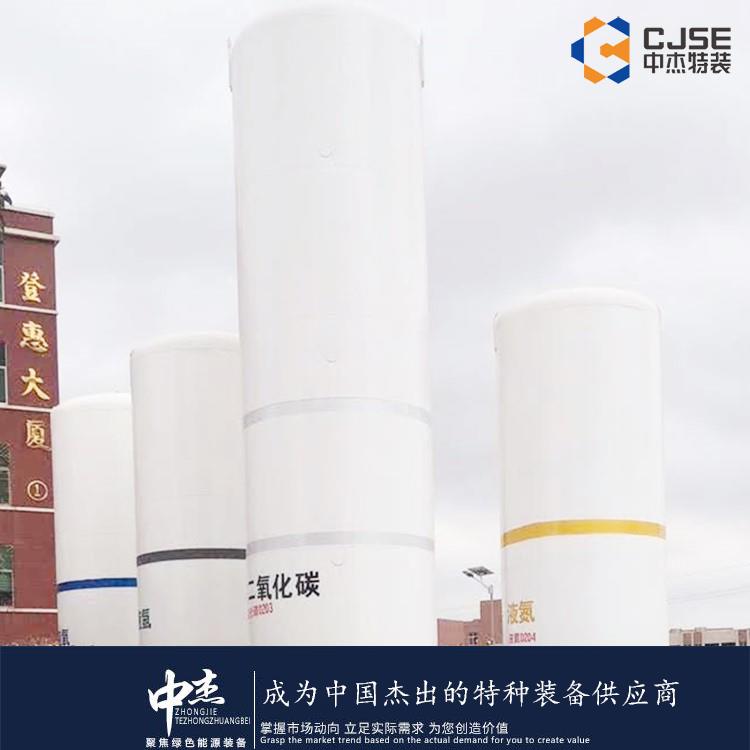

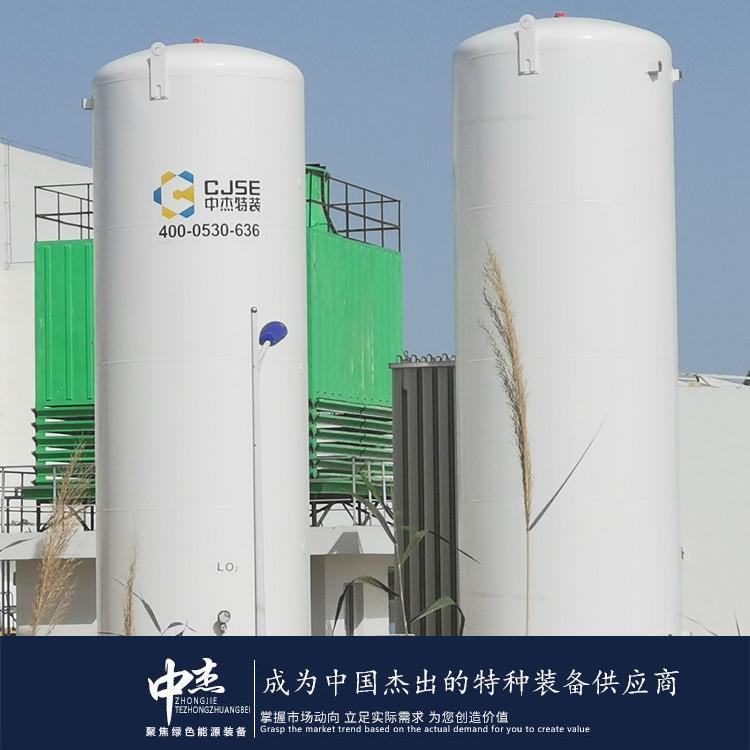
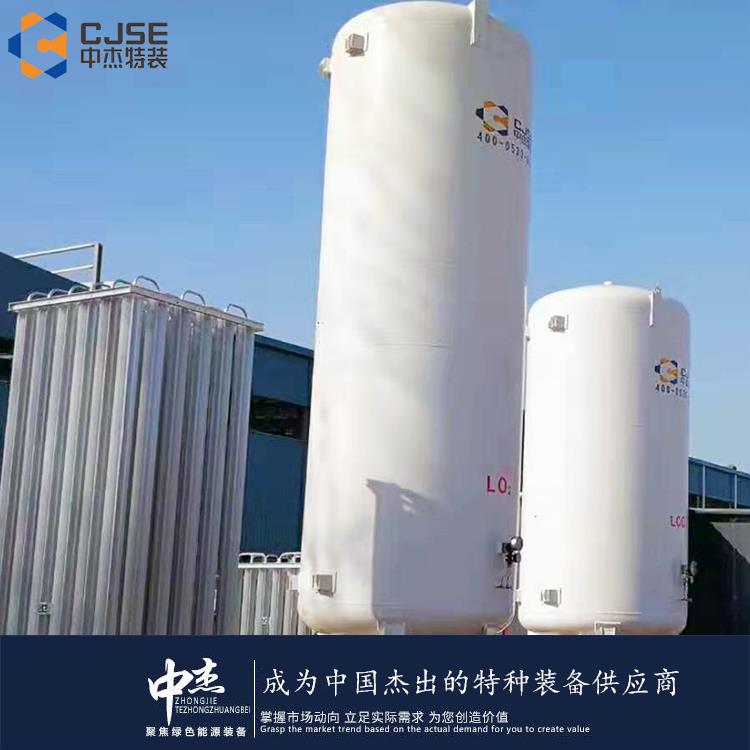


















Shandong Zhongjie Special Equipment (formerly Heze Boiler Factory Co., Ltd.) was established in 2001, located at No. 2218 Jinnan Road, Development Zone, Heze City. With a registered capital of 50 million yuan and total assets of 500 million yuan, the company has seven business centers: boilers, deep-freeze containers, pressure vessels, central air conditioning, engineering installation, international trade, and Internet of Things. It has three factory sites on Jinnan Road, East Changjiang Road, and Bohai Road, covering a total of 200,000 square meters, with the main workshop spanning 83,000 square meters. Currently, there are 710 employees, including 247 engineers and technicians, and 82 intermediate-level technicians. In December 2016, it was recognized as a "High-tech Enterprise" by the Science and Technology Department. In June 2021, it was identified as a "Specialized and New Enterprise in Shandong Province" by the Ministry of Industry and Information Technology. In June 2022, it was recognized as a "Gazelle Enterprise in Shandong Province" and in August 2022, as a "Specialized and New Small Giant Enterprise" by the Ministry of Industry and Information Technology.
In accordance with China's "Regulations for the Safe Supervision of Pressure Vessel Technology," carbon dioxide storage tanks are classified as Category II pressure vessels. According to these regulations, pressure vessels are categorized as follows:
- Category I pressure vessels: Pressure vessels with working pressures of 10 MPa (MegaPascals) or more, such as steam boilers and pressure vessels.
- Category II pressure vessels: Pressure vessels with working pressures of 0.1 MPa (MegaPascals) or more but less than 10 MPa, such as air compressors and liquefied gas storage tanks.
- Category III pressure vessels: Pressure vessels with working pressures of 0.05 MPa (MegaPascals) or more but less than 0.1 MPa, such as storage tanks.
- Category IV pressure vessels: Pressure vessels with working pressures less than 0.05 MPa, such as gas cylinders.
Based on this classification, the working pressure of carbon dioxide storage tanks is typically above 0.1 MPa, thus falling under Category II pressure vessels. It should be noted that specific classification criteria may vary depending on different regions' regulations and standards. When using and managing carbon dioxide storage tanks, it is essential to comply with the corresponding regulations and standards.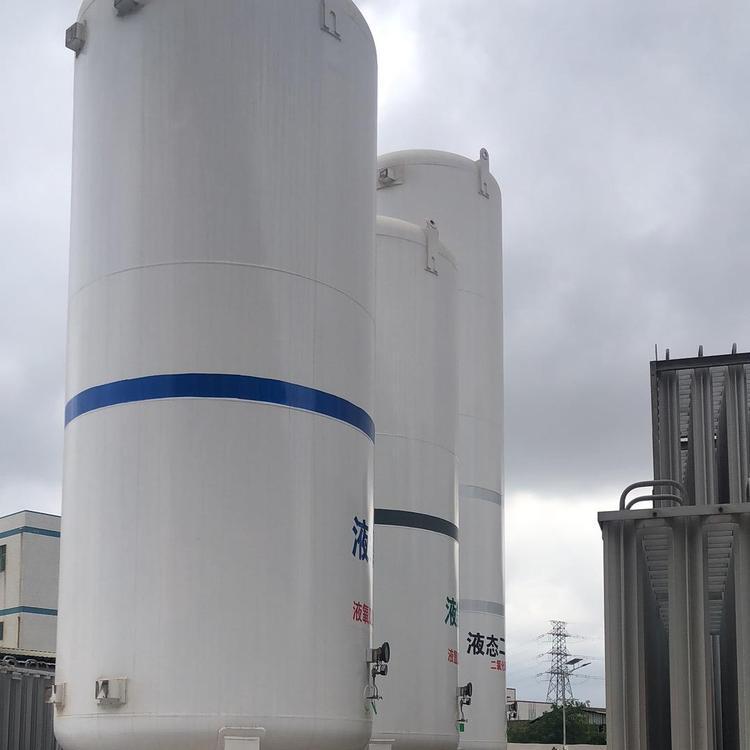
Dry ice is a frozen agent obtained by directly converting carbon dioxide gas into a solid under high pressure. It has several applications:
Frozen Food and Pharmaceuticals: Dry ice is widely used for the transportation and storage of frozen food and pharmaceuticals. Due to its low temperature and rapid cooling speed, it can effectively maintain the freshness and quality of food and medicines. Special Effects and Stage Performances: Dry ice is also extensively used in special effects and stage performances. When it comes into contact with environmental heat, it quickly transforms into gas, producing a large amount of white smoke effect, creating a mysterious and dramatic atmosphere. Cleaning and Disinfection: Dry ice can also be used for cleaning and disinfection. When in contact with surfaces, the low temperature and physical impact of the sublimation process can effectively remove dirt, bacteria, and viruses without leaving residues. Laboratories and Scientific Research: Dry ice finds applications in laboratories and scientific research as well. It can be used to freeze samples, prepare low-temperature experimental environments, and create cold traps and condensers, among others. It is important to note that safety should be a priority when using dry ice, avoiding direct contact with skin and eyes, and not using it in confined spaces to prevent carbon dioxide buildup and oxygen depletion.
When using CO2 storage tanks, the following points should be noted:
Safety Operation: When using CO2 storage tanks, it is mandatory to adhere to relevant safety operation procedures and standards. Operators should receive training to understand the tank's characteristics, operational requirements, and safety measures, and operate strictly according to the procedures.
Tank Inspection: Regularly inspect the tank's appearance, sealing, valves, and pipeline connections to ensure the tank's integrity and safety. If any abnormalities or damage are found, they should be repaired or replaced promptly.
Tank Pressure Control: The tank's pressure should be controlled within a safe range. Regularly check and calibrate pressure sensors and safety valves to ensure the normal operation of the pressure control system.
Temperature Control: CO2 storage tanks typically need to be maintained at low temperatures. Ensure the proper operation of cooling equipment, regularly check and calibrate temperature sensors to maintain appropriate storage temperatures.
Leak Protection: CO2 is a gas prone to leakage, which can lead to safety risks and environmental pollution. Ensure the tank and pipeline sealing, regularly inspect and replace seals, and promptly address any leak situations.
Fire and Explosion Prevention: Avoid open flame operations near the tank to prevent fire sources from contacting CO2. Maintain good ventilation around the tank to prevent CO2 accumulation.
Waste Disposal: Disposed CO2 storage tanks or residues should be handled according to relevant regulations and standards. Follow environmental protection requirements to ensure the safe disposal of waste and environmental protection.
Regular Maintenance: Regularly maintain and inspect the tank, including cleaning and painting.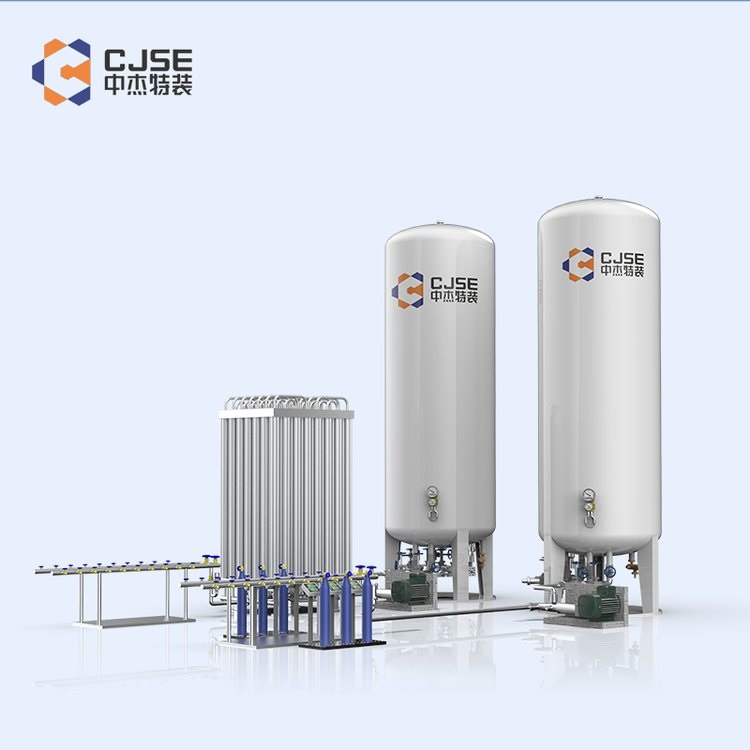
The defining features of CO2 storage tanks mainly include the following aspects:
- High storage density: CO2 storage tanks can compress CO2 gas into a liquid state, significantly increasing the storage density. Compared to storing it in gaseous form, liquid CO2 can store more CO2 in relatively smaller tanks, saving space and costs.
- Stable storage and supply: CO2 storage tanks can stably store and supply CO2. Through tank design and control systems, accurate measurement and supply of CO2 can be achieved, meeting various industrial and application needs.
- Environmental friendly and renewable: CO2 is an environmentally friendly gas, and its increased concentration in the atmosphere can lead to warming and climate change. By storing and utilizing CO2, the amount released into the atmosphere can be reduced, contributing to environmental protection and sustainable development.
- Safe and reliable: During design and manufacturing, CO2 storage tanks typically use high-strength materials (such as carbon steel or stainless steel), offering good pressure resistance and safety. Safety valves, pressure gauges, and level indicators are usually equipped inside the tank to ensure safe operation. Additionally, CO2 is a non-flammable and non-explosive gas, making it relatively safe.
- Multiple application areas: CO2 storage tanks are widely used in various fields, including the food and beverage industry, fire suppression, gas supply, and more. CO2 can serve as a preservative, carbonation agent, gas, and fire extinguisher, among other uses, with a broad range of applications and market demand.
In summary, the defining features of CO2 storage tanks encompass high storage density, stable storage and supply, environmental friendliness and renewability, safety and reliability, and multiple application areas. This makes CO2 storage tanks an essential...
ZJ Special Equipment adheres to the great vision of "realizing employees' dreams, creating value for customers, and striving for the prosperity and strength of our motherland," and is dedicated to the development of the green energy equipment industry. We commit to society with high-value products and services!
WeChat Official Account

Scan to follow Official Account



















