


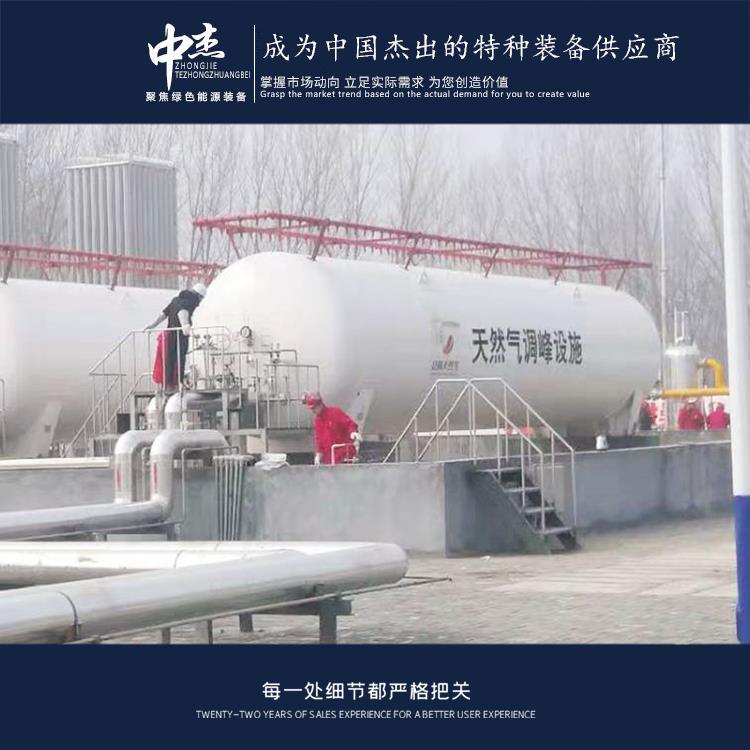


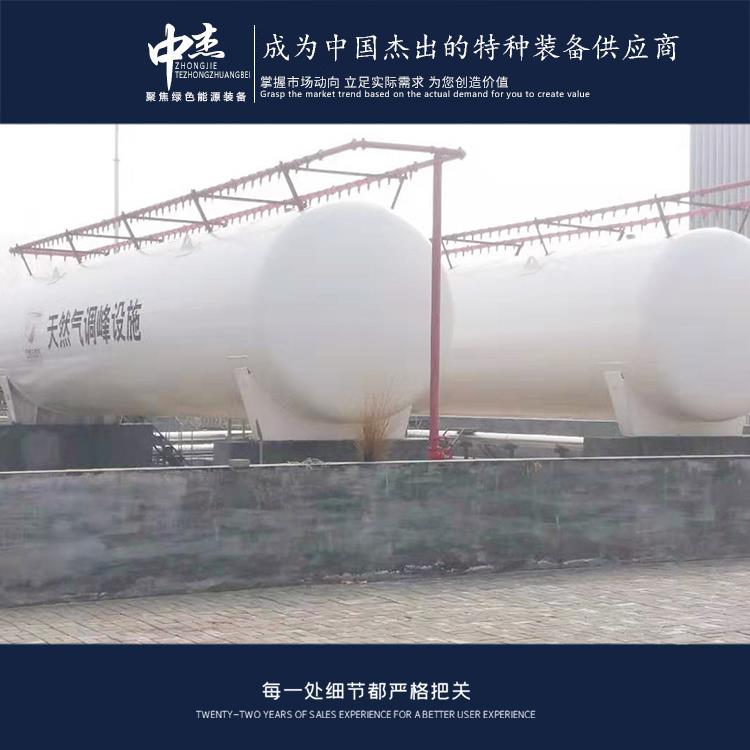


















Shandong Zhongjie Special Equipment Co., Ltd. specializes in: fuel (gas) boilers, organic heat carrier boilers, biomass boilers, waste heat boilers, and other boiler products; vacuum insulation cryogenic pressure vessels such as LNG storage tanks, oxygen/nitrogen/argon storage tanks, and CO2 storage tanks; pressure vessel products including denitrification engineering equipment, heat storage and energy storage equipment, and complete chemical equipment; central air conditioning and ventilation equipment such as ground (water) source heat pumps, air source units, water-cooled screw units, and air-cooled modular units. Planned products include large-scale energy centers, LNG transport vehicles, LNG tank containers, and other green energy equipment.
Carbon dioxide tanks are widely used across various industries. Below are some common industries where carbon dioxide tanks are utilized as examples:
Dairy and Food Industry: Carbon dioxide is used as a carbonating agent for beverages and foods, in the production of sodas, beers, soft drinks, etc. Tanks are used for storing and supplying carbon dioxide to meet production line requirements.
Industry: Carbon dioxide has multiple applications in industry, such as anesthesia, respiratory support, tissue freezing, etc. Tanks are used for storing and supplying medical-grade carbon dioxide to meet facility needs.
Fire Suppression: Carbon dioxide is extensively used in fire suppression systems, particularly in extinguishing electrical and sensitive equipment. Tanks are used for storing and supplying fire-suppression carbon dioxide.
Gas Industry: Carbon dioxide is also a significant product in the gas industry, used in chemical manufacturing, metal processing, welding, gas shielding, etc. Tanks are used for storing and supplying industrial-grade carbon dioxide.
Greenhouse Agriculture: Carbon dioxide can be used to promote plant growth in greenhouses, providing additional carbon dioxide concentration. Tanks are used to supply the carbon dioxide required in greenhouses.
Automotive Industry: Carbon dioxide is used for tire inflation and airbag systems in vehicles. Tanks are used for storing and supplying carbon dioxide to meet the demands of automotive manufacturing and repair.
These are just a few examples of common industries. In reality, carbon dioxide tanks have wide applications in many other sectors, such as chemical industry, frozen food, and more. Specific applications may vary based on industry requirements and usage scenarios.
The primary reason for pre-cooling a carbon dioxide tank before use is to ensure that the carbon dioxide inside the tank remains in a liquid state and maintains a stable temperature during storage and supply. The pre-cooling process typically involves the following steps:
Tank Cooling: Before the tank is put into service, the internal temperature of the tank must be cooled to a sufficiently low level to convert the carbon dioxide from a gas to a liquid. This can be achieved by injecting a cooling medium (such as liquid nitrogen) into the tank or by using an external cooling device.
Tank Pre-filling: After the tank has been cooled, liquid carbon dioxide must be pre-filled into the tank to fill it and maintain a certain pressure. The purpose of pre-filling is to provide an adequate supply of carbon dioxide during storage and supply, and to maintain stable pressure within the tank.
By pre-cooling, the liquid state of carbon dioxide inside the tank can be ensured, preventing premature evaporation and energy loss. Additionally, pre-cooling helps to lower the tank's temperature in advance, reducing carbon dioxide evaporation and pressure fluctuations, thereby improving the tank's operational efficiency and safety.
It should be noted that the specific methods and requirements for pre-cooling may vary depending on the tank design and application scenario. When performing pre-cooling operations, it is necessary to follow relevant safety operation procedures and standards to ensure the safety and effectiveness of the operation.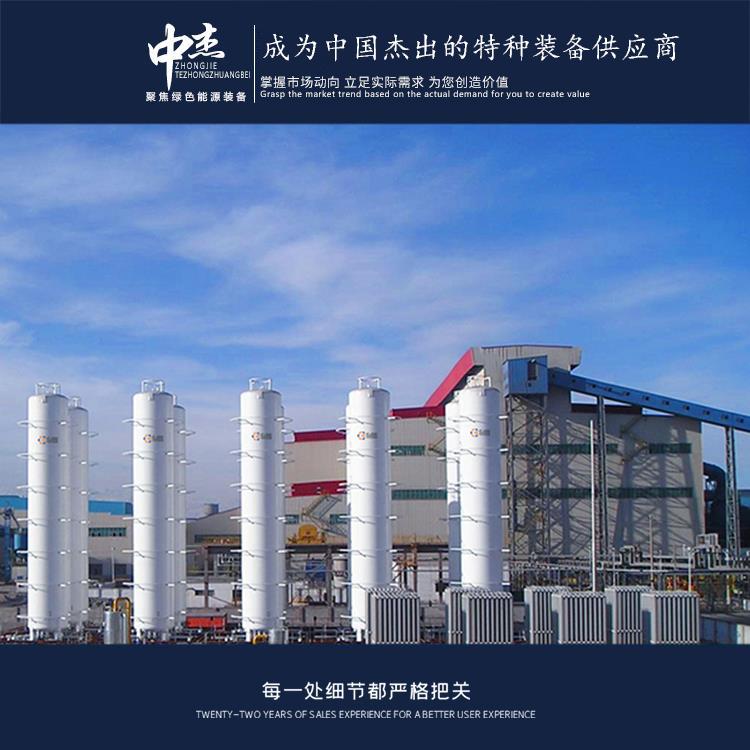
The spacing regulations for carbon dioxide storage tanks are typically governed by relevant safety codes and standards, with specific spacing requirements potentially varying due to factors like location, use, and tank capacity. Here are some common spacing rules:
- Small spacing between tanks: Generally, the small spacing between adjacent tanks should comply with the requirements of relevant safety codes and standards. This spacing ensures that if one tank leaks or has an accident, the adjacent tank is not affected.
- Spacing between tanks and buildings: The spacing between tanks and buildings must also meet the requirements of relevant codes and standards. This spacing ensures that the building is not affected in the event of a tank leak or accident.
- Spacing between tanks and equipment: The spacing between tanks and other equipment (such as pipelines, pumps, etc.) should also adhere to the relevant codes and standards. This spacing ensures the proper operation and maintenance of the equipment.
- Safety and evacuation routes: Adequate safety and evacuation routes should be provided around the tanks to allow for safe evacuation of personnel in emergencies.
It is important to note that specific spacing rules may vary by region and industry. Therefore, when installing and using carbon dioxide storage tanks, it is essential to refer to local safety codes and standards and consult with experts to ensure compliance with all requirements.
When selecting a carbon dioxide tank support, consider the following factors: Load Capacity: The design and selection of the support should be capable of supporting the tank's weight and pressure. The support's carrying capacity should be determined based on the tank's dimensions, weight, and working conditions. Stability: The support should have sufficient stability to prevent the tank from tilting or collapsing during use. The design of the support should take into account the tank's center of gravity and changes in gravity to provide stable support. Corrosion Resistance: As carbon dioxide is somewhat corrosive, the material chosen for the support should have good corrosion resistance to prevent corrosion and damage. Ease of Installation and Maintenance: The design of the support should consider ease of installation and maintenance to facilitate the tank's installation, adjustment, and maintenance work. Compliance with Standards and Regulations: The design and selection of the support should comply with relevant standards and regulations, such as Standard GB150 "Steel Pressure Vessels." Additionally, other factors related to the support can be considered, such as cost, reliability, and durability. When selecting a support, consult with engineers or consultancies for advice and guidance.
Our company places great emphasis on technological innovation and R&D, boasting one city-level enterprise technology center in Heze City. We have established testing facilities for non-destructive testing, physical and chemical testing, welding testing, hydrostatic testing, etc., and are equipped with over 600 pieces of various equipment including CNC machine tools, X-ray flaw detectors, digital ultrasonic flaw detectors, mechanical property testing machines, chemical analyzers, spectrometers, tensile testing machines, plasma welding machines, and more. The key products and technologies we have developed, such as welding of temperature and pressure vessels, emissions reduction of biomass boilers, and waste heat utilization, have successively been shortlisted for multiple Shandong Provincial Department of Industry and Information Technology Science and Technology Innovation projects, key projects in Shandong Province, and Heze City Innovation and Excellence projects, etc. We have accumulated a total of 27 authorized utility models, 16 authorized inventions, participated in drafting 2 standards, 2 industry standards, and registered 15 trademarks. The technical team of our company, in collaboration with Professor Li Yajiang of Shandong University, has developed deep cryogenic container processing technology, utilizing the internationally recognized plasma arc + wire filling tungsten inert gas arc welding (PAW-GTAW) technology. After the provincial-level scientific and technological achievement appraisal, the technical level has reached the international standard in the field of deep cryogenic container manufacturing. Choose Zhongjie Special Equipment, let's join hands to create brilliance together!
WeChat Official Account

Scan to follow Official Account



















