


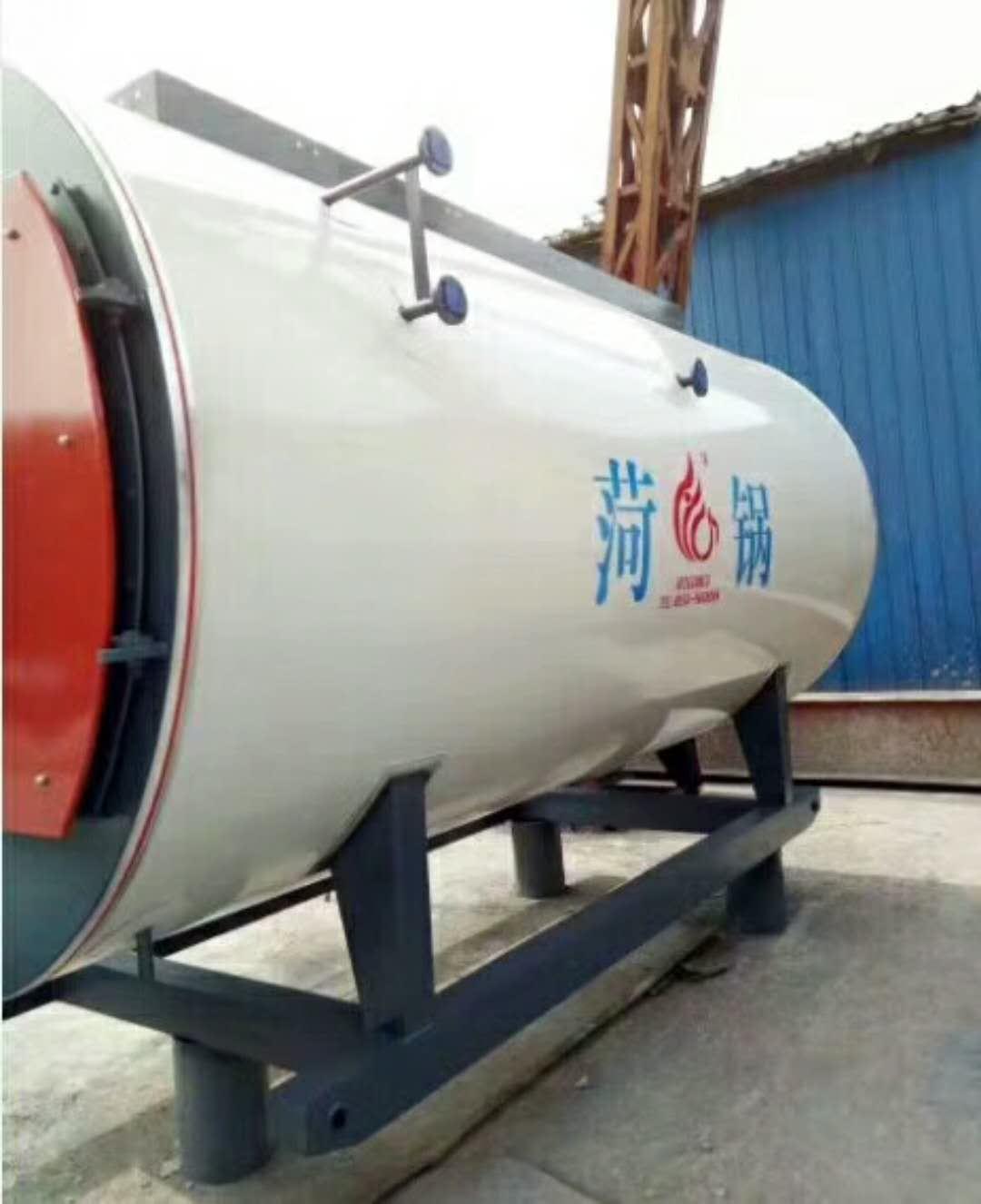

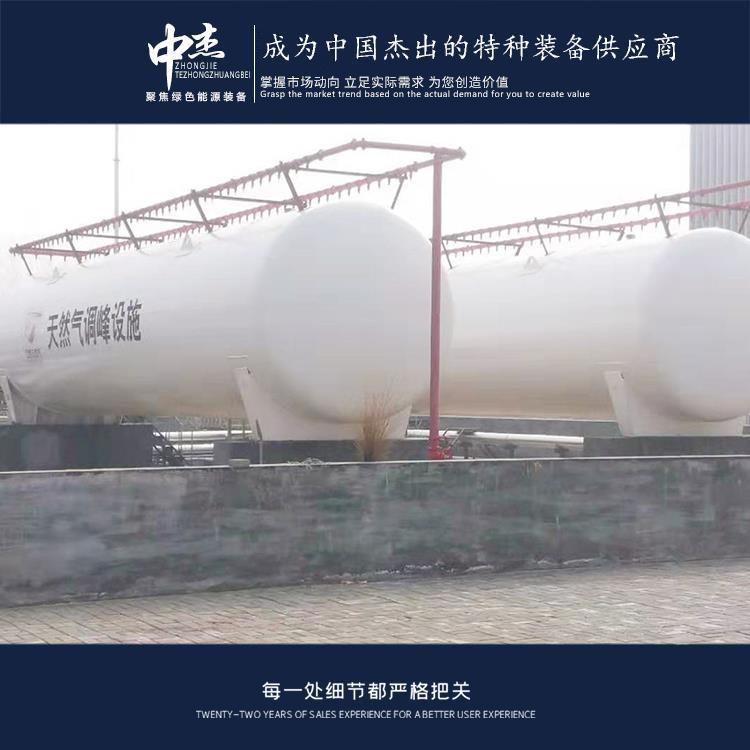
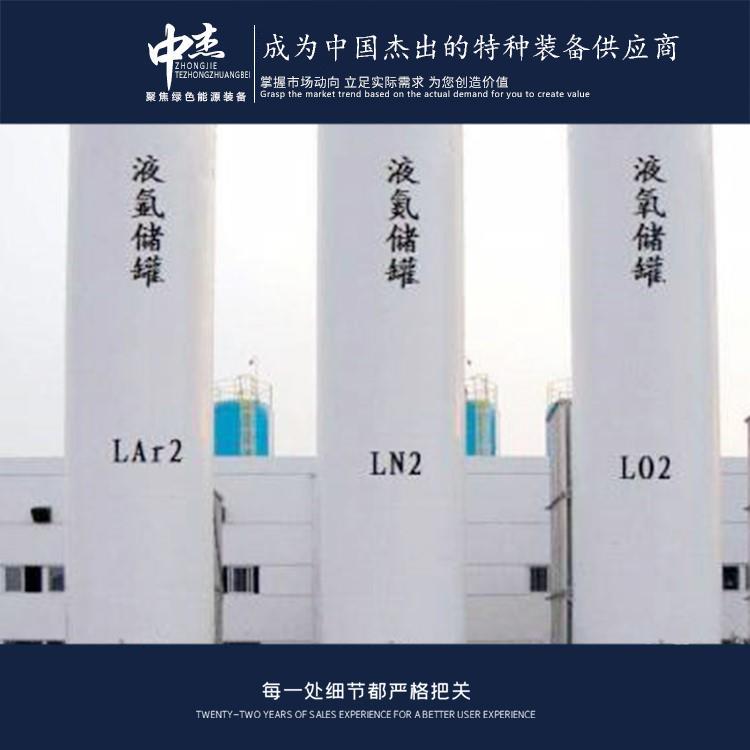


















Shandong Zhongjie Special Equipment Co., Ltd. specializes in the following products: fuel (gas) boilers, organic heat carrier boilers, biomass boilers, waste heat boilers, and other boiler products; vacuum insulation cryogenic pressure vessels such as LNG tanks, oxygen/nitrogen/argon tanks, and CO2 tanks; pressure vessel products including denitrification engineering equipment, heat storage and energy storage equipment, and complete chemical equipment; central air conditioning and ventilation equipment such as ground (water) source heat pumps, air source units, water-cooled screw units, and air-cooled modular units. Planned products include large-scale energy centers, LNG transport vehicles, LNG tank containers, and other green energy equipment.
To extend the service life of liquid argon storage tanks, the following measures can be taken:
Regular inspections and maintenance: Conduct periodic visual inspections of the liquid argon storage tank, check valves and fittings, and perform leak detection and pressure tests. Promptly identify and repair potential issues to ensure the normal operation of the tank.
Maintain the insulation layer: The insulation is crucial for the thermal preservation of liquid argon storage tanks. Regularly inspect the integrity and insulating properties of the insulation, repair or replace damaged insulation materials to ensure the tank's insulation effectiveness.
Control liquid argon temperature: The temperature of liquid argon should be maintained within an appropriate range to prevent damage to the storage tank from excessive or insufficient temperatures. Employ suitable cooling or heating measures to ensure stable temperature of the liquid argon.
Corrosion Protection: The outer shell and internal structure of the liquid argon tank should be protected against corrosion and oxidation. Regularly inspect and maintain the protective coating to ensure it remains intact and undamaged.
Avoid excessive pressure and overfilling: Prevent the internal pressure of the tank from being too high or too low, as well as overfilling with liquid argon. Excessive pressure and overfilling can lead to structural rupture or damage to the tank.
Regular cleaning and waste removal: Regularly clean the interior of the tank to remove accumulated impurities and dirt. Regularly remove waste to prevent contaminants and sediments in liquid argon from damaging the tank.
Safety Operation and Training: Ensure operators possess the knowledge and skills for safe operation of liquid argon tanks. Enhance safety training to improve operators' safety awareness and emergency response capabilities.
Establish comprehensive management records and documents, including tank usage, inspection, and maintenance records. Regularly review and update these records to ensure safe management and maintenance of the tanks.
These measures can help extend the service life of liquid argon storage tanks, but specific operations and management should be tailored to the type and application of the tank. When performing maintenance and operation, adhere to relevant regulations and standards, and consult experts to ensure safety and effectiveness.
The cooling process and precautions for liquid argon cylinders are as follows:
Cooling Process Analysis:
Clean Vessel: Prior to cooling the liquid argon cylinder, ensure the interior is clean, free of impurities and contaminants. Use an appropriate cleaning agent for washing and rinse thoroughly.
De-airing and exhaust: To remove gas from the tank and expel it through the exhaust system to reduce the gas content inside the tank.
Add Liquid Nitrogen: Inject liquid nitrogen into the tank, which can rapidly cool the air and walls inside the tank due to its low temperature, thereby reducing the tank's temperature.
Cooling off: Liquid nitrogen will gradually lower the temperature inside the tank through heat conduction until it reaches the required low temperature.
Cautionary Notes:
Safety Protection: Necessary safety precautions must be taken during the cooling process of liquid argon tanks. Liquid argon has low temperatures and high flammability, so operators should wear protective suits, gloves, and other personal protective equipment to ensure safe operation.
Fire Prevention Measures: Liquid argon is highly flammable; therefore, during the cooling process of liquid argon tanks, it is essential to ensure there are no ignition sources in the surrounding environment and to have appropriate fire extinguishing equipment on hand.
Temperature Control: During the cooling process of the liquid argon cylinder, it is necessary to control the cylinder's temperature to avoid overcooling or insufficient cooling. Temperature sensors and temperature control systems can be used to monitor and control the cylinder's temperature.
Insulation and Heat Retention: Liquid argon tanks are typically designed with double or multi-layer structures, filled with insulating material in the middle to minimize heat transfer and evaporation of liquid argon. Ensure the integrity and good insulation of the insulating layer.
Liquid oxygen storage tanks are widely used in various industries, primarily in the following aspects:
Industry: Liquid Oxygen Tanks are widely used in various fields for storing and supplying liquid oxygen as fuel and oxidizer. Liquid Oxygen Tanks play a crucial role in engine, propulsion systems, and oxygen supply systems.
Chemical Industry: Liquid oxygen storage tanks are used in chemical processes for storing and supplying liquid oxygen, employed in oxidation reactions, combustion reactions, and oxygen supply, etc. These tanks are utilized by chemical plants, oil refineries, and manufacturers of chemical products.
Industry: Liquid Oxygen Tanks are used in the field for storing and supplying liquid oxygen, utilized in oxygen therapy, respiratory support, and surgeries, etc. Liquid Oxygen Tanks are widely used in clinics and nursing facilities, among other institutions.
Experimental Research: Liquid oxygen storage tanks are used in scientific research and laboratories to provide liquid oxygen as experimental materials and fuel. Liquid oxygen storage tanks play a crucial role in experimental research across various fields, including physics, chemistry, biology, and materials science.
Metalworking Industry: Liquid oxygen tanks are used in the metalworking and welding industries to supply high-purity oxygen for processes such as metal cutting, welding, and heat treatment.
Other Industries: Liquid Oxygen Tanks are also used in various other sectors, such as the energy, environmental protection, and food industries, among others. They are employed in energy production, environmental management, and food processing fields.
It's important to note that the use of liquid oxygen tanks must strictly adhere to relevant safety regulations and operating guidelines to ensure safe operation and usage of the tanks.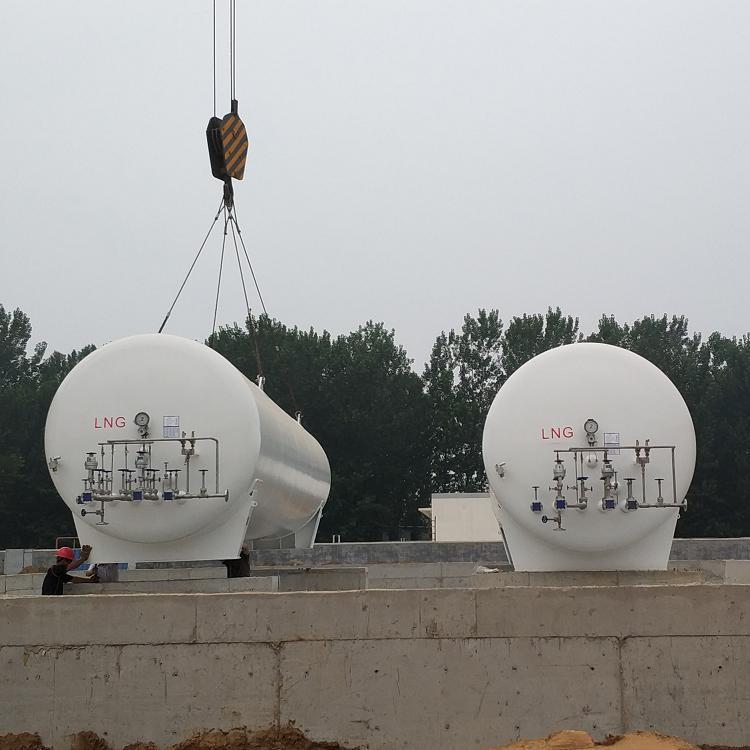
The leak treatment methods for liquid argon storage tanks mainly include the following steps:
Leak Detection: Leaks in liquid argon tanks are identified through odors, gas detection equipment, or abnormal pressure in liquid argon storage tanks.
Confirm air leak location: Use gas detection equipment or foam leak detection agents, etc., to pinpoint the exact location of the air leak. Inspect tank interfaces, valves, pipe connections, and other areas to locate the air leak points.
Cease air leaks: Take appropriate measures based on the location of the air leaks to stop the source. For instance, for leaks at junctions, inspect and adjust gaskets or tighten bolts; for valve air leaks, check and replace seals.
Isolate Air Leaks: During the process of dealing with air leaks, it is necessary to isolate the leaky areas to ensure personnel safety. Set up warning signs, restrict access to the area, and take necessary protective measures, such as wearing protective masks, gloves, etc.
Evacuate liquid argon: If air leakage cannot be repaired immediately or the leakage is significant, consider evacuating the liquid argon. By gradually reducing the pressure of liquid argon within the storage tank, convert it into gas to minimize the risk of air leakage.
Ventilation Treatment: During the air leakage treatment, ensure adequate ventilation and promptly expel the gases produced by the evaporation of liquid argon. Natural ventilation or the use of ventilation equipment can be employed to exhaust the evaporated gases of liquid argon outdoors.
Safety Assessment and Repairs: After the air leakage treatment is completed, conduct a safety assessment to ensure the tank's safety. Based on the assessment results, carry out necessary repairs and maintenance to prevent recurrence of air leakage.
Note that liquid argon is a low-temperature liquid with low boiling and freezing points. Caution is required when dealing with air leaks to prevent cold exposure from contact with liquid argon. When handling air leaks in liquid argon storage tanks, operations should be performed by personnel and in accordance with relevant safety operating procedures and standards.
Shandong Zhongjie Special Equipment, welcome customers to our factory for business discussions.
WeChat Official Account

Scan to follow Official Account



















