


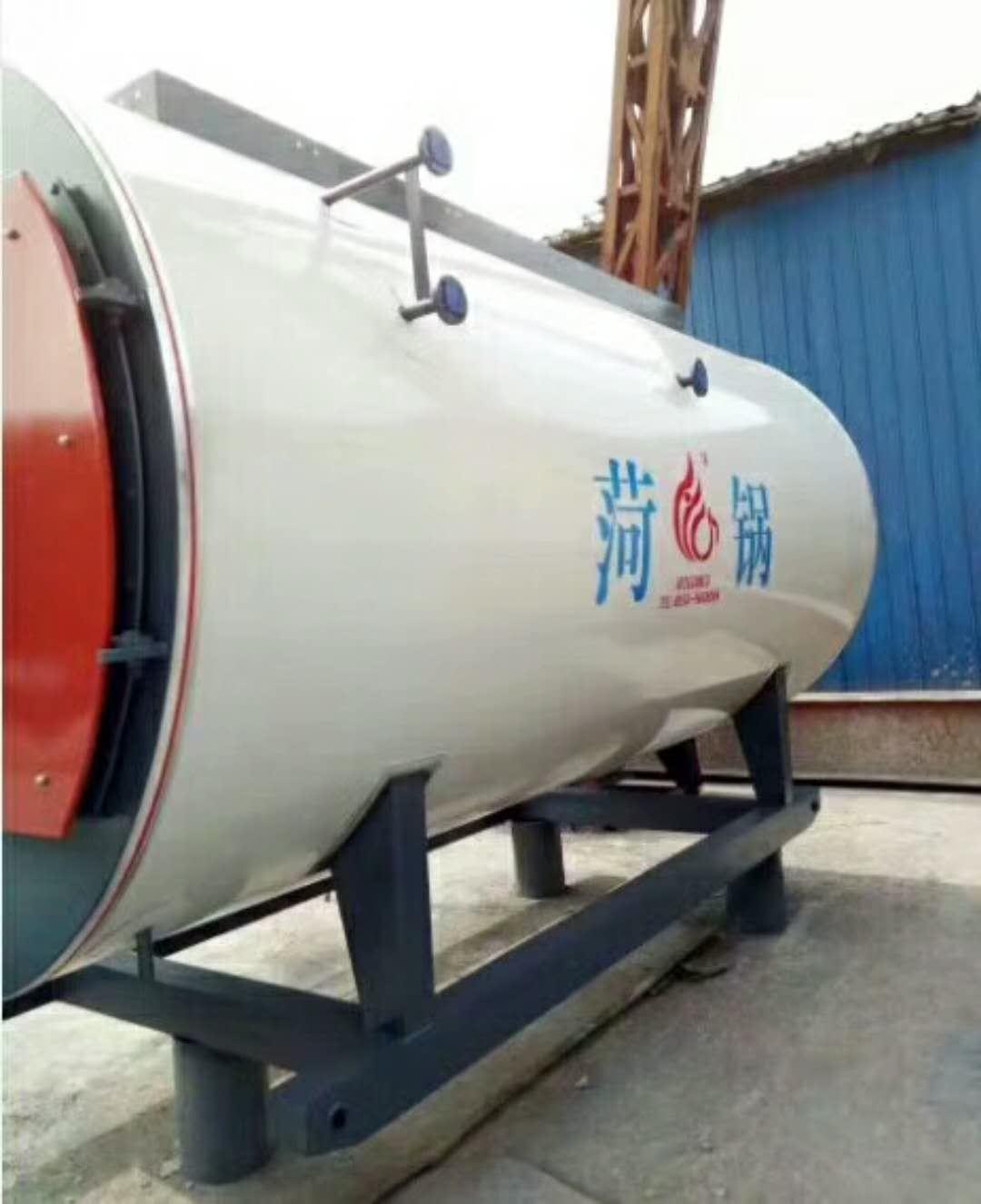

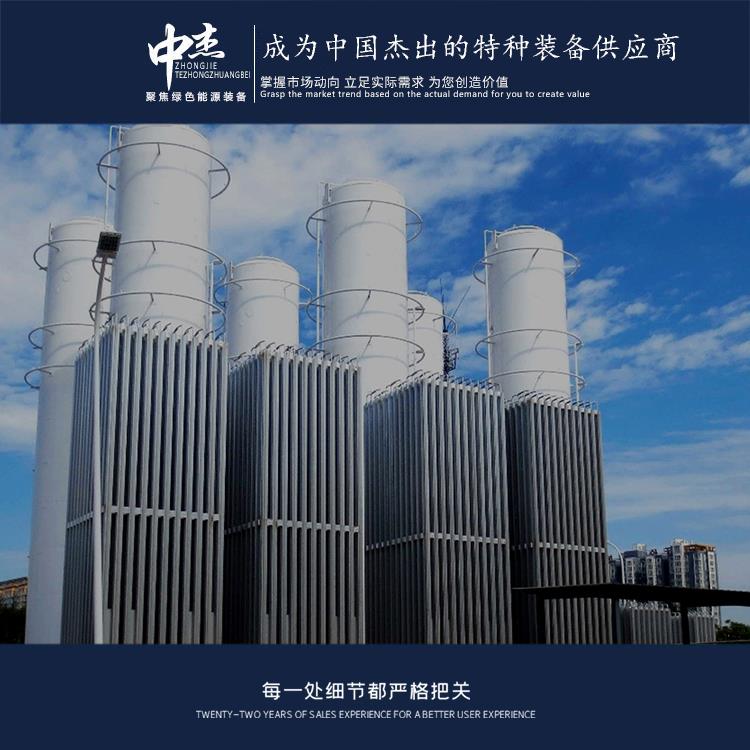
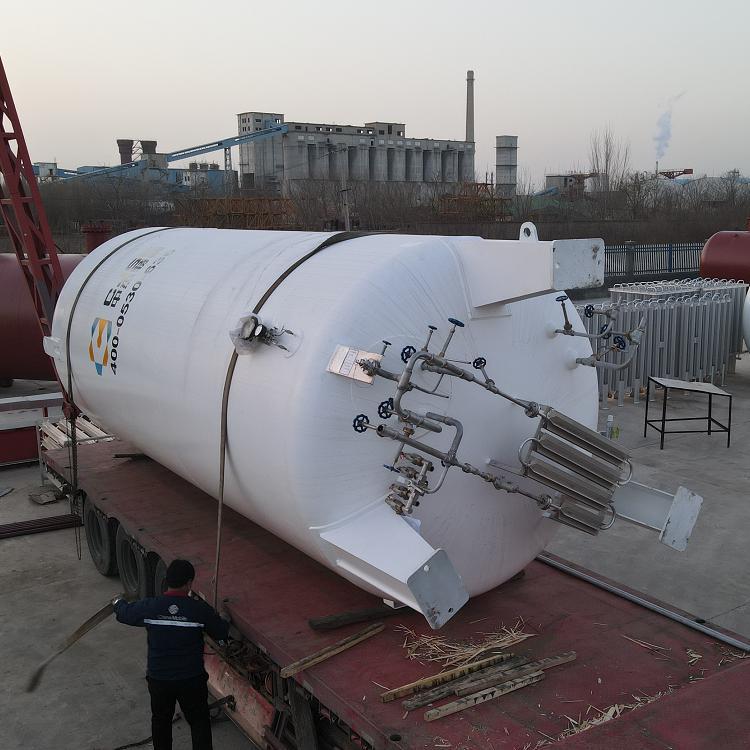


















Shandong Zhongjie Special Equipment's main products include: fuel (gas) boilers, organic heat carrier boilers, biomass boilers, waste heat boilers, and other boiler products; vacuum insulation cryogenic pressure vessels such as LNG tanks, oxygen/nitrogen/argon tanks, and CO2 tanks; pressure vessel products such as denitrification engineering equipment, heat storage and energy storage equipment, and complete chemical equipment; central air conditioning and ventilation equipment such as ground (water) source heat pumps, air source units, water-cooled screw units, and air-cooled modular units. Planned products include large-scale energy centers, LNG transport vehicles, LNG tank containers, and other green energy equipment.
Carbon dioxide has several key applications in carbonated beverages:
- Infusing bubbles and texture: Carbon dioxide is the key component responsible for creating bubbles and effervescence in carbonated drinks. When dissolved in the beverage, it forms bicarbonate ions, giving the drink a foamy and bubbly texture. This bubble and texture contribute to the unique taste and mouthfeel of carbonated drinks.
- Adjusting pH levels: Carbon dioxide reacts with water to form carbonic acid, thereby regulating the pH levels of carbonated beverages. By controlling the amount of carbon dioxide dissolved, the acidity of the drink can be adjusted to achieve a desirable taste and mouthfeel.
- Providing a refreshing sensation: The carbon dioxide bubbles in carbonated drinks can give a refreshing feeling. As you drink, the bubbles on your tongue stimulate the taste buds, creating a cool and tingling sensation, enhancing the drink's taste and mouthfeel.
- Extending shelf life: Carbon dioxide plays a certain preservative role in carbonated drinks. Due to its acidity and properties, it can inhibit the growth of microorganisms, extending the shelf life of carbonated beverages.
- Note that excessive consumption of carbonated drinks may have adverse health effects, such as tooth erosion and osteoporosis. Therefore, moderate consumption is important.
Carbon dioxide (CO2) and liquid oxygen (LOX) storage tanks are equipment used for storing different gases, with some differences in their physical properties:
- Physical State: CO2 is a gas at room temperature and requires low temperatures and high pressures to convert to a liquid. LOX is a liquid at room temperature and can maintain its liquid state without special conditions.
- Storage Temperature: The liquid CO2 storage temperature typically ranges from -40°C to -78.5°C, while the liquid oxygen storage temperature usually ranges from -183°C to -183.15°C. The storage temperature for LOX is lower, necessitating more stringent insulation measures.
- Storage Pressure: The liquid CO2 storage pressure is generally between 5-20 MPa, while the liquid oxygen storage pressure is typically between 0.2-2 MPa. The storage pressure for LOX is lower.
- Density: The density of liquid CO2 is approximately 0.8 g/cm³, while the density of liquid oxygen is about 1.14 g/cm³. The density of liquid oxygen is greater.
- Safety: LOX has a high oxygen content, making it highly flammable and oxidizing, requiring stricter safety measures. CO2 is relatively safe but can still pose health risks at high concentrations.
Technical specifications for carbon dioxide storage tanks can be formulated based on different application fields and/or regional standards. Below are some common technical specifications and standards for reference:
ASME Standards: The American Society of Mechanical Engineers (ASME) has issued a series of standards for pressure vessels, including specifications for carbon dioxide storage tanks such as ASME BPVC Section VIII Division 1 and ASME BPVC Section VIII Division 2.
ISO Standards: The International Organization for Standardization (ISO) has published some standards related to pressure vessels, such as ISO 9809-1 and ISO 9809-2, covering the design, manufacturing, and inspection requirements for steel gas cylinders.
GB Standards: The China National Bureau of Standards has issued a series of standards related to pressure vessels, such as GB 150 "Pressure Vessels" and GB 5099 "Steel Gas Cylinders," including the design, manufacturing, and inspection requirements for carbon dioxide storage tanks.
DOT Standards: The United States Department of Transportation (DOT) has issued some standards related to pressure vessels and cylinders, such as DOT-3AA and DOT-4BA, covering the design, manufacturing, and transportation requirements for liquefied gas storage tanks.
EN Standards: The European Committee for Standardization (CEN) has published some standards related to pressure vessels, such as EN 13445 and EN 14382, covering the design, manufacturing, and inspection requirements for liquefied gas storage tanks.
Additionally, other industry standards and specifications may apply to carbon dioxide storage tanks based on specific application needs, such as relevant standards in the food and beverage industry, and industry-specific standards.
When using carbon dioxide storage tanks, the appropriate technical specifications should be selected based on specific application requirements and local regulations, ensuring that the design, manufacturing, and use of the tanks comply with the corresponding standards and specifications.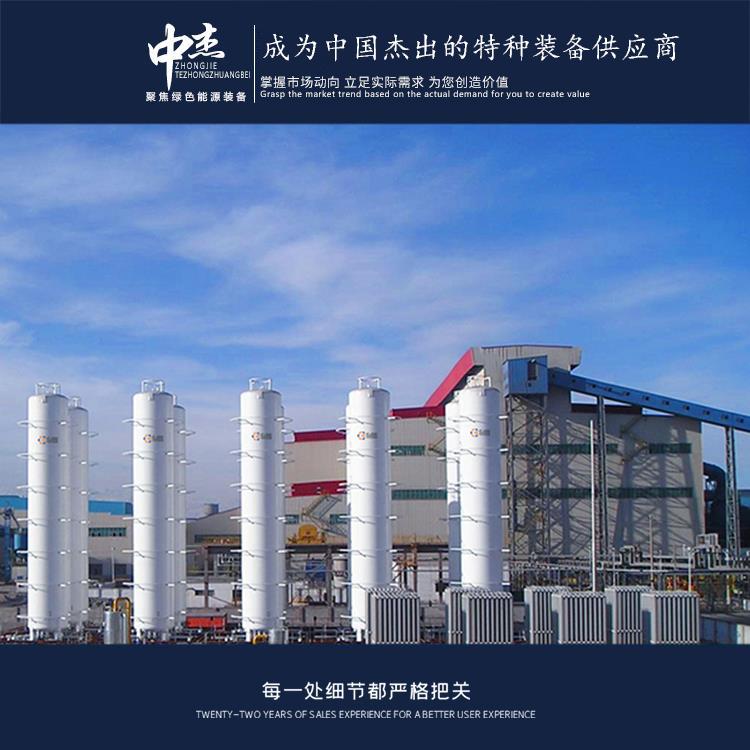
Carbon dioxide storage tank standard parameters can vary depending on different design and application requirements. Here are some common standard parameters:
- Tank Capacity: The capacity of carbon dioxide storage tanks is typically expressed in kiloliters (L) or cubic meters (m). Common capacity ranges vary from a few thousand liters to tens of thousands of liters.
- Working Pressure: The working pressure of carbon dioxide storage tanks is usually around 20 to 25 MPa (megapascals) at normal temperatures, with specific pressure determined by application needs and design standards.
- Design Temperature: The design temperature of carbon dioxide storage tanks is usually within a low-temperature range, generally between -40℃ and -60℃, to accommodate the liquefaction and storage requirements of carbon dioxide.
- Material: Carbon dioxide storage tanks are commonly made of high-strength steel or alloy materials to withstand the stresses and loads under high pressure and low-temperature environments.
- Insulation: The tank is internally insulated to reduce heat transfer and liquid evaporation. Insulation is typically a multi-layered structure, including thermal insulation materials and an external protective layer.
- Safety Valve and Pressure Relief Device: The tank is equipped with a safety valve and pressure relief device to control internal tank pressure and prevent overpressure and explosion.
- Level Monitoring and Control: The tank is equipped with a level monitoring device to monitor the liquid level inside the tank. Timely monitoring and control of the level ensure that the liquid storage volume within the tank remains within a safe range.
Note that specific standard parameters for carbon dioxide storage tanks may vary due to different design standards, application requirements, and manufacturers. When selecting and using carbon dioxide storage tanks, it is important to consider these factors.
Shandong Zhongjie Special Equipment, welcome customers to our factory for business discussions.
WeChat Official Account

Scan to follow Official Account



















