


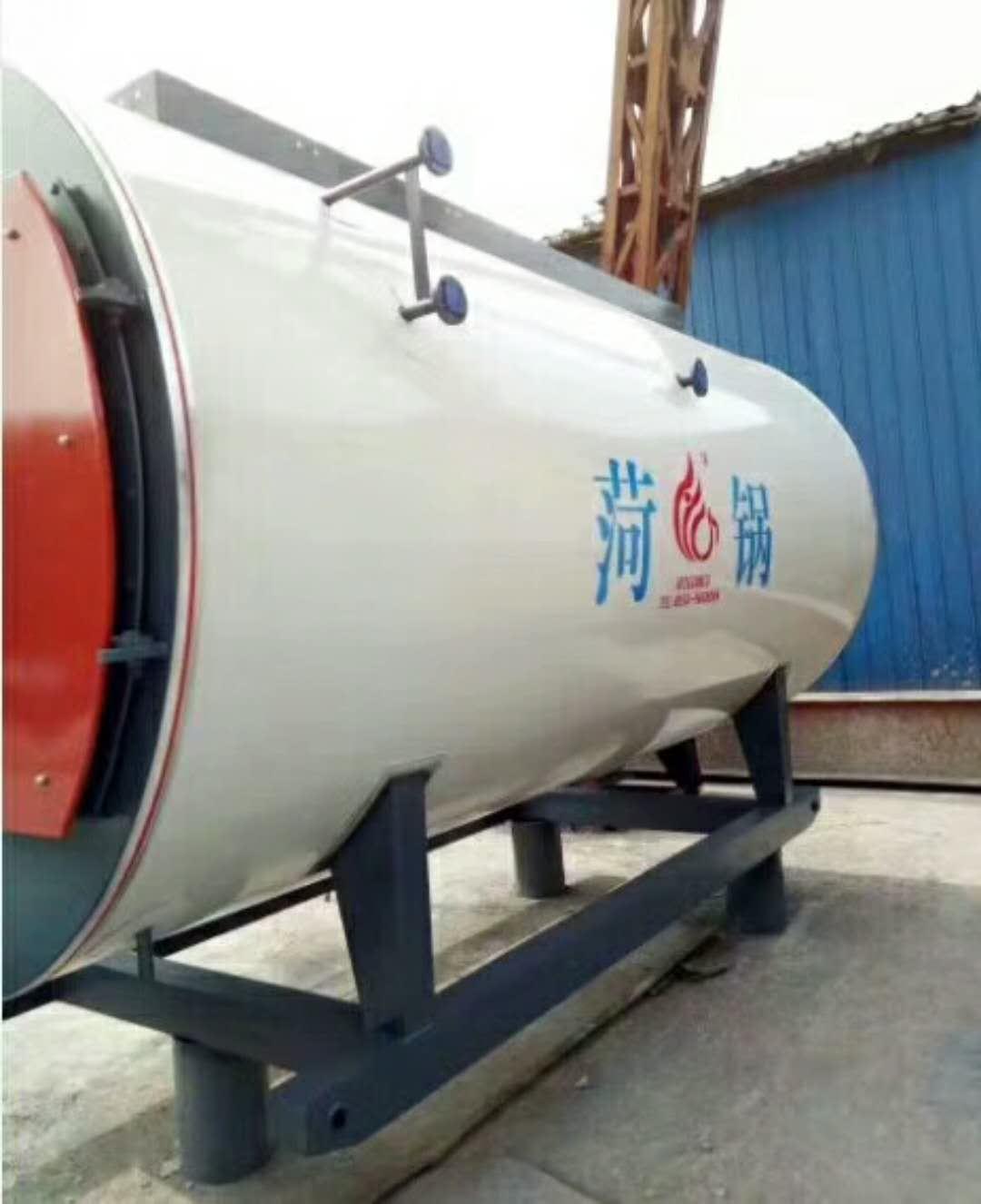

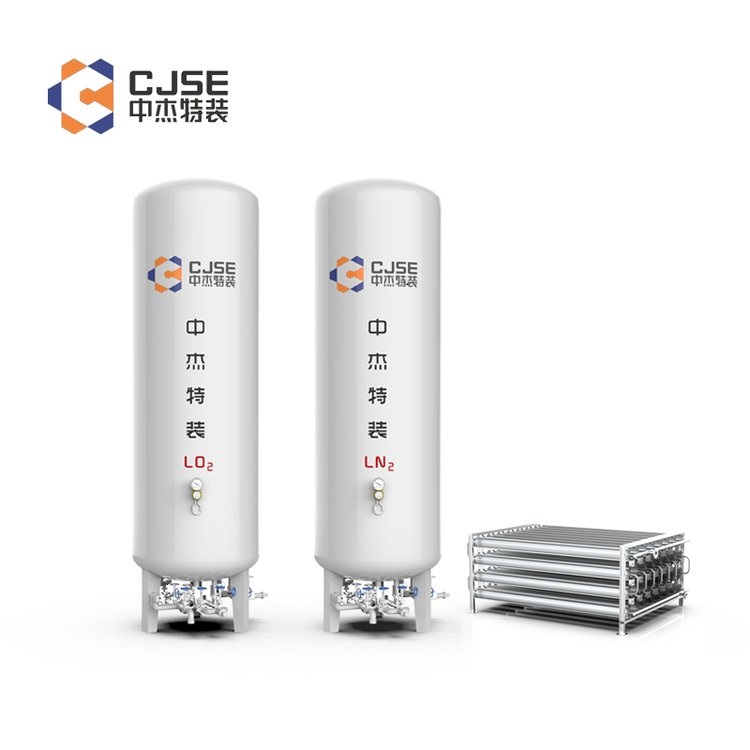
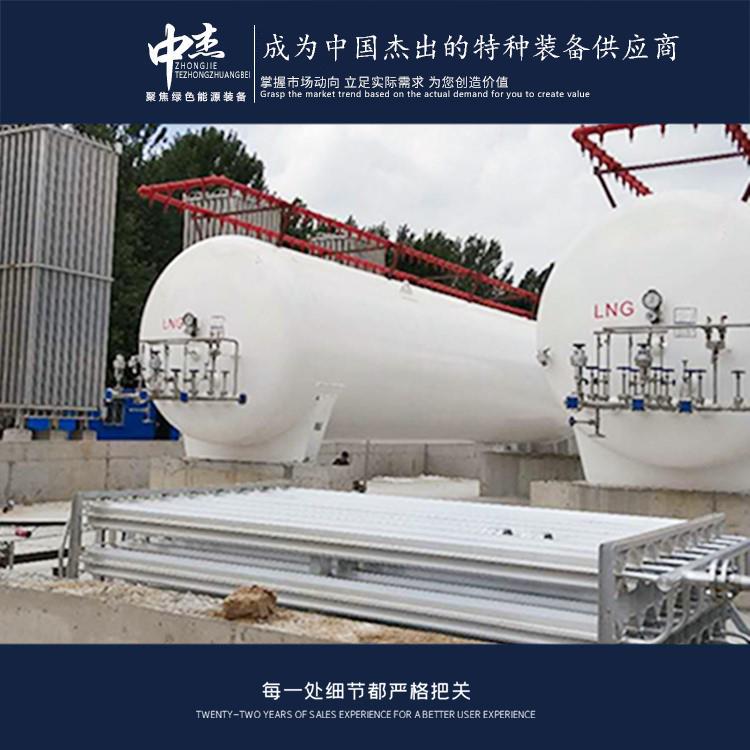


















Shandong Zhongjie Special Equipment (formerly Heze Boiler Factory Co., Ltd.) holds an A-grade boiler manufacturing license, A2-grade pressure vessel manufacturing license, A2-grade pressure vessel design license, B-grade boiler installation license, GB2 and GC2 class pressure pipeline installation licenses, and equipment and machinery installation contracting qualifications. It is a member of the China Boiler and Water Treatment Association, the China Chemical Equipment Association, and the director unit of the Shandong Equipment Manufacturing Association. The company has also passed certifications for the ISO9001 Quality Management System, ISO14001 Environmental Management System, OHSAS18001 Occupational Health and Safety Management System, and the American ASME/U2 certification.
Proper installation of the liquid oxygen tank safety valve is a crucial step to ensure safe operation of the tank. Here are the installation steps for the liquid oxygen tank safety valve:
Select the appropriate safety valve: Choose a safety valve based on the design pressure and flow requirements of the liquid oxygen storage tank. Ensure that the rated pressure and flow of the safety valve meet the tank's specifications and comply with relevant safety standards and regulations.
Valve Installation Location: Choose a suitable location for installing the safety valve. Typically, the safety valve should be mounted on the top or side of the liquid oxygen tank to allow for timely pressure release in case of overpressure conditions.
Preparation for installation interfaces: Prepare the corresponding interfaces based on the connection method of the safety valve. This may include welding interfaces, threaded interfaces, or flange interfaces, etc. Ensure the tightness and firmness of the connections.
Install the safety valve: Mount the safety valve onto the prepared interface. Follow the installation instructions for the safety valve to ensure proper connection and tightening.
Adjustment and Testing: After installation, adjust and test according to the requirements of the safety valve. Ensure that the opening and closing pressures of the safety valve meet the design specifications, and conduct a leakage test to ensure its sealability.
Identification and Record: Label the safety valve with relevant information such as rated pressure, flow rate, and installation date. Also, record the installation details and test results of the safety valve for future reference and maintenance.
When installing the liquid oxygen safety valve, it is imperative to follow relevant safety regulations and operational guidelines. If lacking in relevant experience and knowledge, it is advisable to seek assistance and guidance from professionals to ensure the correct installation and reliable operation of the safety valve.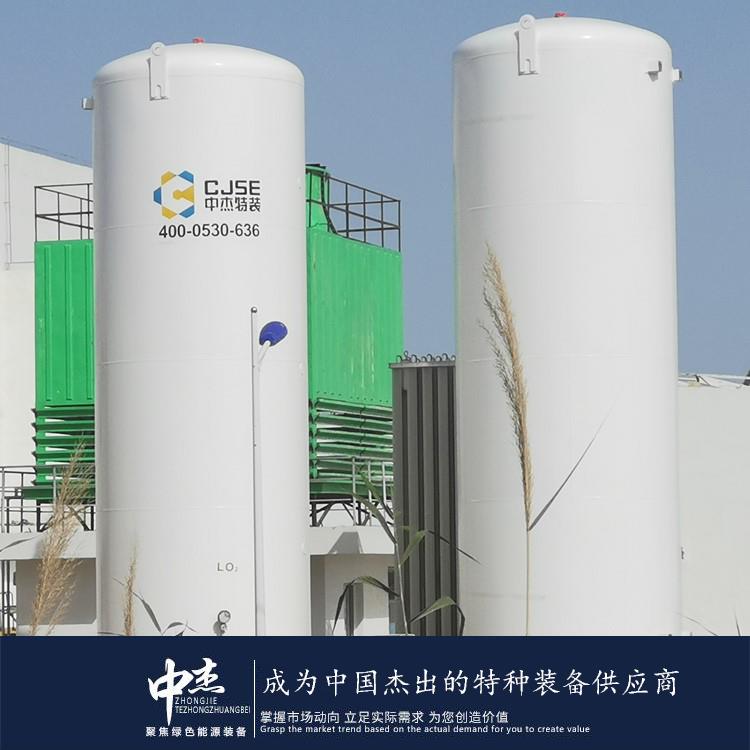
Low-temperature storage tanks possess several advantages:
Storage: Low-temperature storage tanks can store liquid cryogenic substances (such as liquid nitrogen, liquid oxygen, etc.) at low temperatures, maintaining their liquid state. Compared to gas storage, liquid storage significantly increases storage density and saves space.
Long-term Storage: Low-temperature storage tanks are ideal for long-term storage of低温 materials, extending their service life. By controlling the temperature inside the tank and the performance of the insulation layer, the evaporation and oxidation of liquid substances can be slowed down, maintaining their stability and purity.
Safety: Low-temperature storage tanks feature excellent safety performance. The tanks are made with special materials and structural design to withstand low temperatures and high pressure environments. Additionally, the tanks are equipped with safety devices such as pressure relief valves and liquid level alarms to ensure safe operation and usage.
Versatile Applications: Low-temperature storage tanks are widely used across various fields. They can be used for storing liquid oxygen and providing oxygen supply; in industrial sectors, they are utilized for storing liquefied natural gas (LNG) and liquid nitrogen, among other process gases; in scientific research, they are employed for storing low-temperature experimental samples.
Environmental Protection and Energy Saving: Low-temperature storage tanks enable effective storage and utilization of low-temperature materials, reducing energy waste and environmental pollution. During the storage and transportation of liquid substances, energy loss is minimized, enhancing energy utilization efficiency.
In summary, low-temperature storage tanks offer advantages such as storage, long-term storage, safety, multi-industry applications, and environmental protection and energy saving. This makes them a crucial equipment for storing and supplying low-temperature materials, playing a significant role in various fields.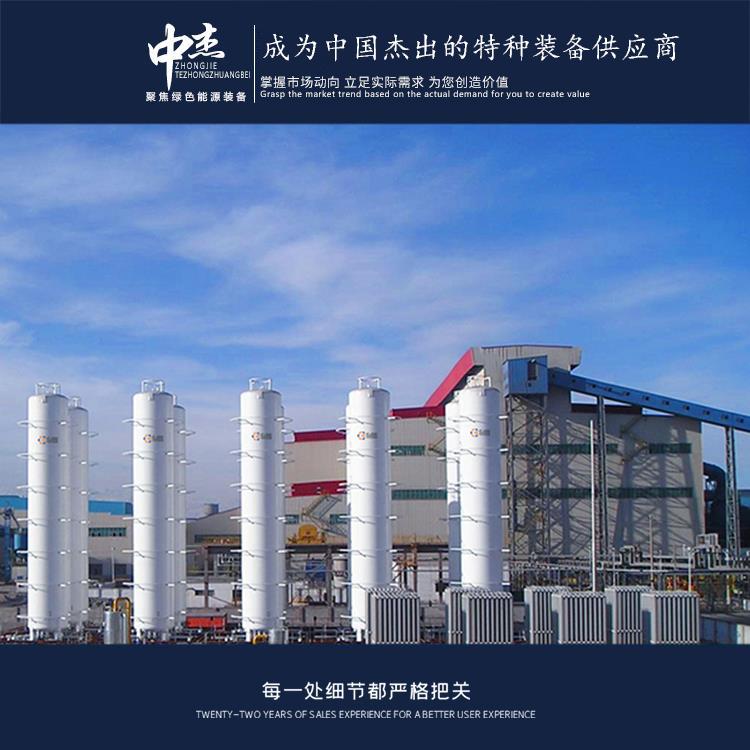
Standard parameters for liquid oxygen storage tanks typically include:
Capacity: The capacity of liquid oxygen tanks is typically expressed in liters or cubic meters, with common ranges varying from a few liters to several thousand liters.
Working Pressure: The working pressure of liquid oxygen tanks is typically expressed in megapascals (MPa) or bars, with a common working pressure range varying from 0.2 MPa to 2.5 MPa.
Design Temperature: The design temperature for liquid oxygen tanks is typically expressed in degrees Celsius, with common design temperature ranges varying from -196°C to -150°C.
Material: The primary material for liquid oxygen storage tanks is typically stainless steel, which boasts excellent corrosion resistance and low-temperature performance.
Insulation Layer: Liquid oxygen tanks are typically equipped with an insulation layer to minimize evaporation losses of liquid oxygen. The material for the insulation layer is usually a multi-layer composite material or foam glass.
Safety Valve: Liquid oxygen storage tanks must be equipped with a safety valve to control internal pressure within the tank and prevent bursting due to excessive pressure.
Leak detectors: Liquid oxygen storage tanks are typically equipped with leak detectors to promptly detect and alarm any leaks in liquid oxygen.
Appearance Design: The appearance design of liquid oxygen tanks typically conforms to relevant standards and regulations, including color, labeling, and safety warning signs.
Note that the specific parameters of liquid oxygen tanks may vary depending on the manufacturer and application requirements; the above is just a general common standard. In actual use, choose the appropriate liquid oxygen tank based on the specific circumstances.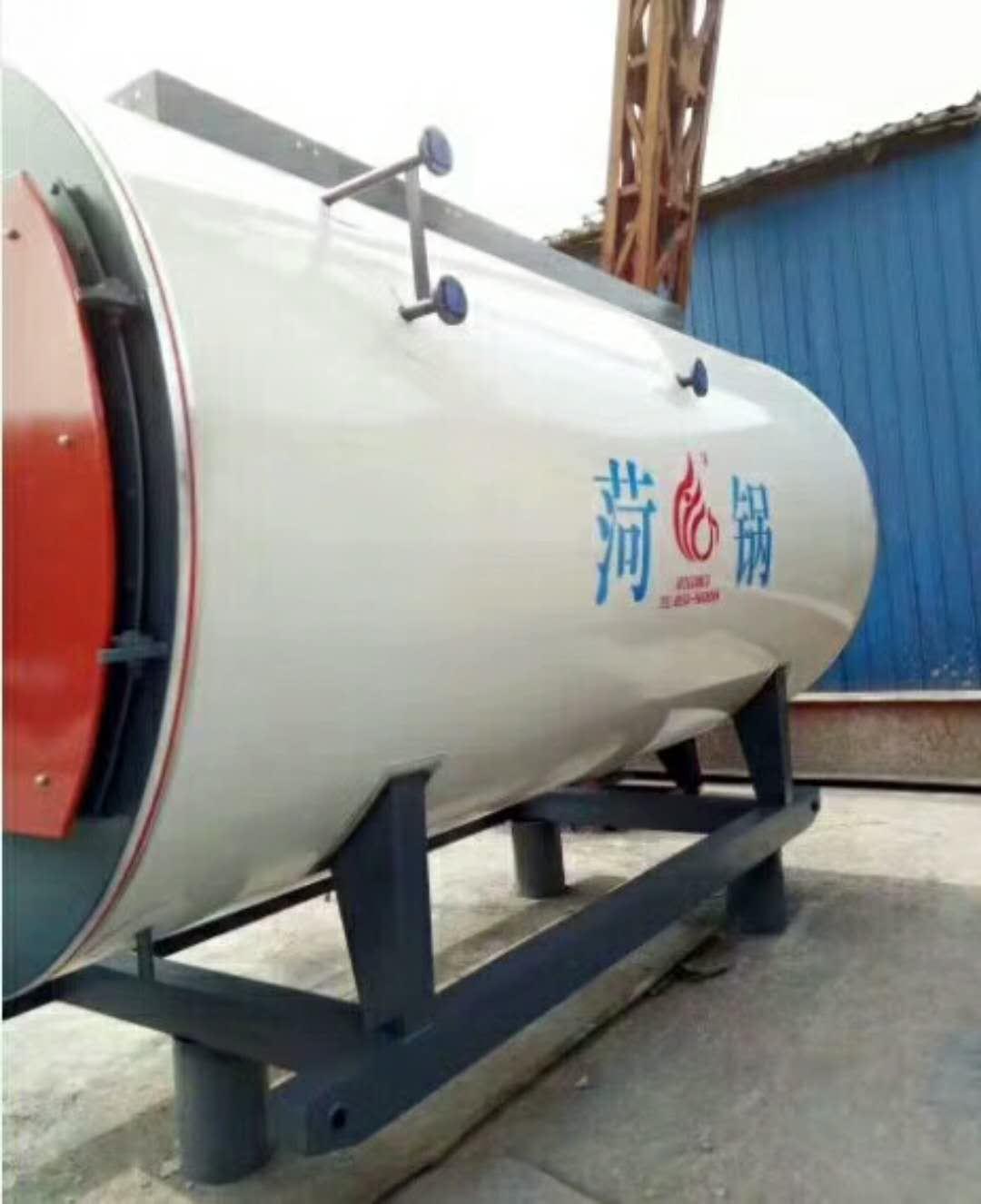
Determining the design pressure and calculated pressure for liquid oxygen storage tanks requires considering the following factors:
Design Pressure: Design pressure refers to the maximum pressure a tank can withstand under normal operating conditions. When determining the design pressure, factors such as the working pressure range of liquid oxygen, the material strength of the tank, and the safety factor must be considered. Generally, the design pressure should be slightly higher than the high working pressure of liquid oxygen to ensure the tank's safety and reliability within the normal operating range.
Calculated Pressure: The calculated pressure refers to the actual working pressure of the tank under its design pressure. This pressure is determined based on factors such as the properties of liquid oxygen, the geometric shape of the tank, and material strength. The calculated pressure should consider the expansion coefficient of liquid oxygen, temperature changes, pressure fluctuations, and other factors to ensure the safety and stability of the tank under actual operating conditions.
Determining the design pressure and calculated pressure of liquid oxygen storage tanks usually requires referring to relevant standards and specifications, such as Standard GB150 "Steel Pressure Vessels" and GB18442 "Technical Conditions for Storage Tanks of Liquid Oxygen, Liquid Nitrogen, and Liquid Argon." These standards and specifications provide detailed design and calculation methods to ensure the safety and reliability of the tanks.
In practical applications, the design pressure and calculated pressure of liquid oxygen storage tanks should be calculated and determined by the pressure vessel designer. They will consider factors such as specific engineering requirements, tank dimensions, and materials, among others, to ensure that the tank's design and use comply with relevant safety standards and regulations.
Chongjie Special Equipment adheres to the great vision of "realizing employees' dreams, creating value for customers, and striving for the prosperity and strength of our motherland," focusing on the development of the green energy equipment industry and dedicating high-quality products and services to society!
WeChat Official Account

Scan to follow Official Account



















