


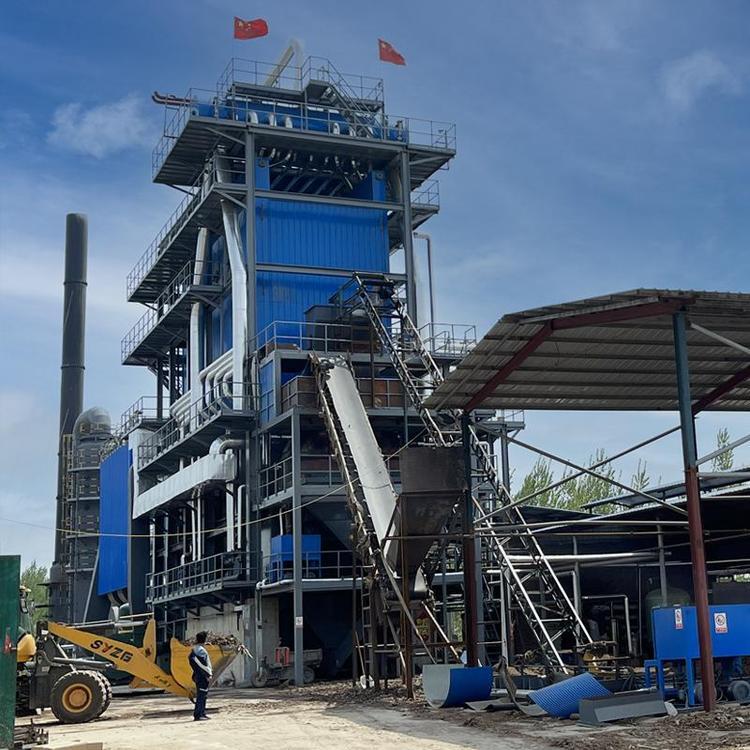

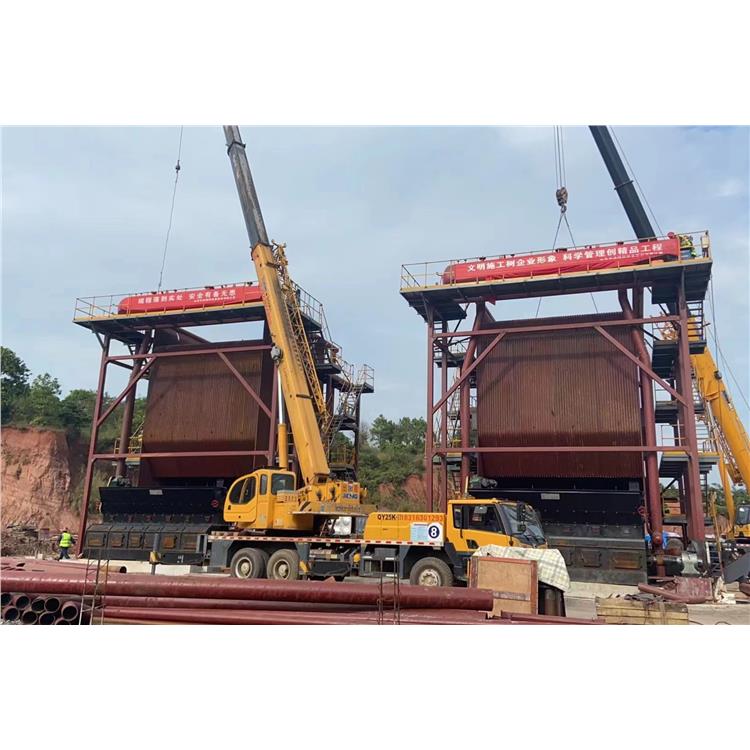
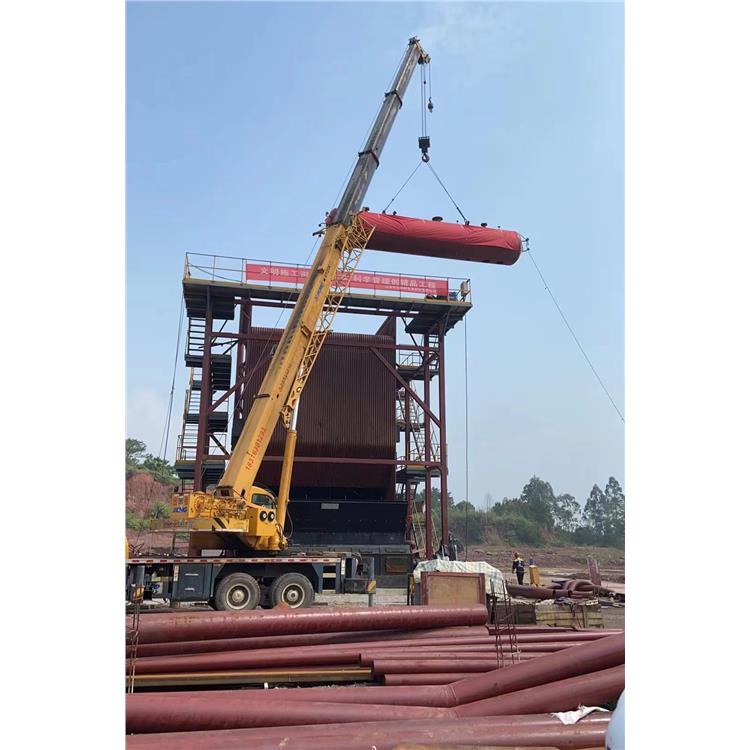


















Shandong Zhongjie Special Equipment (formerly Heze Boiler Factory Co., Ltd.) holds an A-grade boiler manufacturing license, A2-grade pressure vessel manufacturing license, A2-grade pressure vessel design license, B-grade boiler installation and GB2, GC2 pressure pipeline installation licenses, as well as equipment and machinery installation contracting qualifications. It is a member of the China Boiler and Water Treatment Association, the China Chemical Equipment Association, and the council member of the Shandong Equipment Manufacturing Association. The company has also passed certifications for the ISO9001 Quality Management System, ISO14001 Environmental Management System, OHSAS18001 Occupational Health and Safety Management System, and the American ASME/U2 certification.
Coking in biomass boilers refers to the phenomenon where ash and other impurities in the fuel deposit and form slag inside the furnace during the combustion process. Coking can negatively impact the normal operation and thermal efficiency of biomass boilers. Below are the hazards of coking and corresponding measures:
Reducing thermal efficiency: Coking can lead to carbon accumulation on the inner walls of the furnace and the heat exchange area, increasing thermal resistance and reducing the efficiency of heat conduction, thereby lowering the boiler's thermal efficiency. A decrease in thermal efficiency results in energy waste and an increase in operating costs.
Measures: Regularly clean the slag and accumulated carbon inside the furnace chamber to maintain the cleanliness of the inner wall and enhance heat exchange efficiency.
Impacts on combustion stability: Coking can lead to unevenness during the combustion process, reducing combustion stability and potentially causing incomplete combustion and unstable flames.
Measures: Reasonably adjust combustion parameters such as combustion temperature and air flow to maintain stability during the combustion process.
Increased equipment wear and maintenance costs: Carbon buildup on the inner walls of the furnace and flue ducts due to slagging adds to equipment wear and maintenance expenses.
Measures: Regularly clean and maintain boiler equipment to prevent the formation of slagging and carbon deposition.
Increased environmental pollution: Coking leads to an increase in pollutant emissions during the combustion process, affecting the environment.
Measures: Reasonably control the combustion process to ensure complete and thorough combustion, thereby reducing emissions of pollutants.
In summary, measures to prevent biomass boiler slagging include regular cleaning and maintenance of equipment, reasonable adjustment of combustion parameters, and control
Biofuel hot water boilers may produce scale during operation, which can affect the boiler's heat transfer and efficiency. Here are some methods to reduce scale:
Fuel Selection: Choose high-quality biomass fuel such as wood chips and straw to minimize soot production. Avoid fuels with excessive impurities and ash.
Combustion Adjustment: Properly regulate combustion parameters such as fuel supply, oxygen supply, and combustion temperature. Both excessively high and low combustion temperatures can lead to the formation of soot. Maintaining an appropriate combustion temperature helps reduce soot formation.
Clean combustion chamber: Regularly clean the combustion chamber to remove ash and dirt generated during the combustion process. Use appropriate tools and cleaning agents to ensure the chamber remains clear and clean.
Heat Exchanger Cleaning: Regularly clean heat exchangers, particularly those on the flue side. Combustion may produce particulates and slag that adhere to the heat exchanger surface, affecting heat transfer efficiency. Appropriate cleaning methods, such as mechanical or chemical cleaning, can reduce the accumulation of dirt.
Water Treatment: Appropriate water treatment for boiler feed water to prevent impurities and sediments from depositing inside the boiler. Methods such as water softening, deoxygenation, and scale removal can be employed to maintain the cleanliness and stability of the water supply.
Regular Maintenance: Schedule regular maintenance and inspections of the boiler, including cleaning and replacement of critical components. Early detection and resolution of soiling issues can prevent further accumulation of dirt and affect the normal operation of the boiler.
Please note that specific methods for reducing sediment may vary depending on the model and manufacturer of biomass hot water boilers. It is recommended to refer to the manufacturer's operating manual and guidelines to take appropriate sediment reduction measures based on the specific situation.
To prevent re-burning accidents at the tail end of biomass boilers, the following operational measures can be taken:
Reasonably adjust combustion parameters: Ensure the stability and completeness of the combustion process, and avoid fuel accumulation and re-burning in the tail section. Reasonably control combustion temperature, air flow, and combustion time, etc., to maintain a smooth and thorough combustion process.
Enhance combustion chamber mixing and air flow distribution: By optimizing the combustion chamber structure and combustion system design, ensure thorough mixing of fuel and air, avoiding fuel accumulation and re-burning in the tail end. Rationalize the air flow distribution within the combustion chamber to ensure uniform fuel combustion.
Regular cleaning of furnace chamber and flue: Regularly clean the ash and carbon deposits inside the furnace chamber to maintain its cleanliness. Clean the flue and waste heat recovery equipment, preventing particle accumulation and ash buildup in the flue gases, and reducing the risk of re-burning.
Install Flue Gas Recirculation Unit: Install a flue gas recirculation unit at the boiler tail, reignite the exhaust flue gas, enhance combustion efficiency, and reduce the possibility of secondary combustion at the tail.
Enhance operational monitoring and maintenance: Regularly monitor and maintain biomass boilers to promptly identify and address any anomalies. Monitor combustion parameters, flue gas emissions, and temperatures to ensure the boiler operates normally.
Ensure comprehensive safety training and operational procedures: Conduct safety training for operators to enhance their understanding of biomass boiler operations and safety protocols.
Biomass boiler drying kiln refers to the process of using a biomass boiler for kiln heating. Here are the brief steps:
Prepare fuel: Select appropriate biomass fuel, such as wood chips, straw, etc., and perform pretreatment, including drying and sieving, to ensure fuel quality and meet the requirements of the furnace.
Ignition and Ignition Adjustment: Place the fuel into the combustion chamber of the biomass boiler, ignite it, and perform the ignition adjustment. The ignition adjustment involves adjusting parameters such as the oxygen supply to the combustion chamber, fuel supply, and combustion temperature to ensure stable combustion.
Heating and Temperature Control: As fuel burns, biomass boilers produce high-temperature flue gas, which transfers its heat energy to the drying furnace through a heat exchanger. During the heating process, it is necessary to control the temperature of the drying furnace to ensure that the materials inside receive adequate heating.
Furnace Operation and Monitoring: During the furnace heating process, operation and monitoring are required. Operations include controlling fuel supply, heat transfer, and the movement of materials inside the furnace. Monitoring involves tracking parameters such as furnace temperature, pressure, and combustion efficiency to ensure normal operation and safety.
Furnace Completion and Cleaning: Upon completion of the heating process or achievement of the desired furnace effect, cease fuel supply and heating, and perform the furnace completion procedure. Post-completion, it is necessary to clean the furnace and biomass boiler, as well as the ash and soot in the combustion chamber and flue, to maintain the equipment's cleanliness and operational efficiency.
Shandong Zhongjie Special Equipment, welcome customers to our factory for business discussions.
WeChat Official Account

Scan to follow Official Account



















