


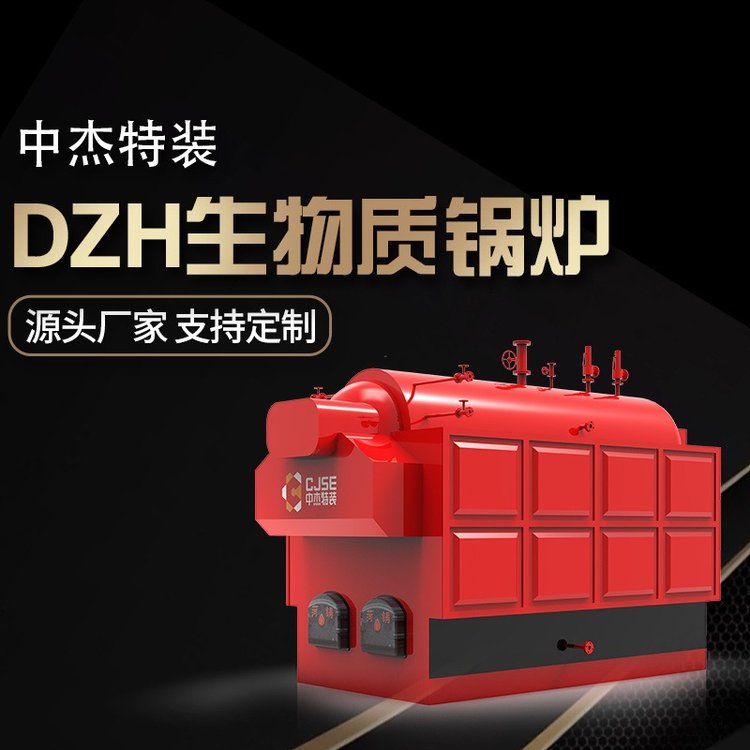

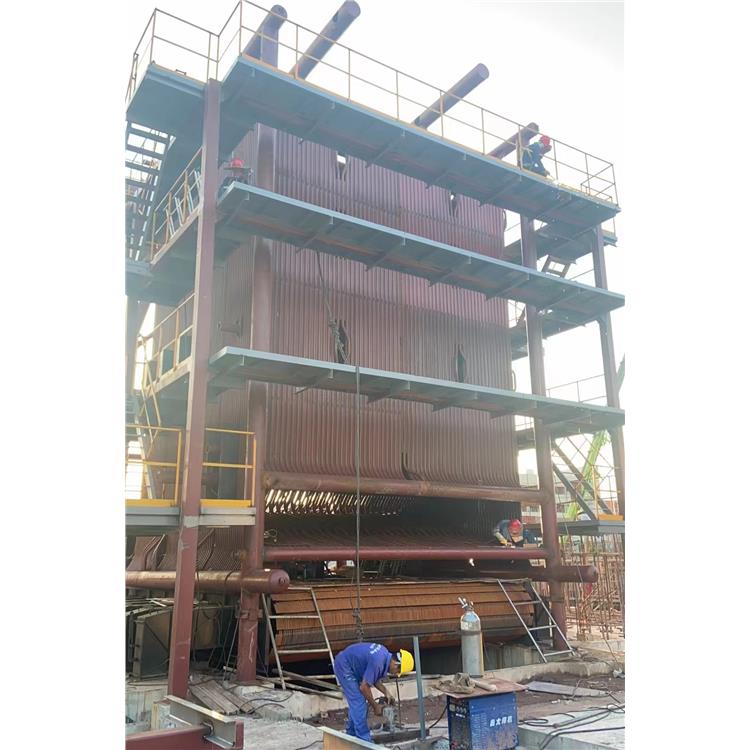
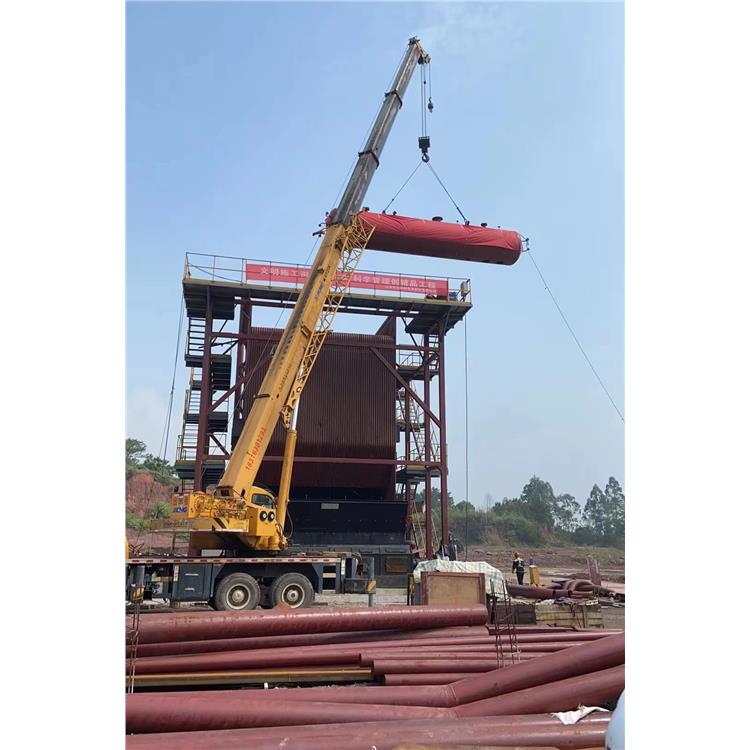


















Shandong Zhongjie Special Equipment's main products include: fuel (gas) boilers, organic heat carrier boilers, biomass boilers, waste heat boilers, and other boiler products; vacuum insulation deep-freeze pressure vessels such as LNG storage tanks, oxygen-nitrogen-argon storage tanks, and CO2 storage tanks; pressure vessel products like denitrification engineering equipment, heat storage and energy storage equipment, and complete chemical equipment; central air conditioning and HVAC equipment such as ground (water) source heat pumps, air-source units, water-cooled screw units, and air-cooled modular units. Planned products include large-scale energy centers, LNG transport vehicles, LNG tank containers, and other green energy equipment.
To prevent the coking issue in biomass boilers, the following measures can be taken:
Choose the right fuel: Opt for high-quality, moderately humid biomass fuel to avoid using overly wet or excessively contaminated fuel, which helps reduce the risk of carbon deposition.
Control fuel supply rate: Regulate the rate of fuel supply to prevent either too fast or too slow delivery, ensuring optimal combustion and minimizing the likelihood of carbon buildup.
Maintain appropriate combustion temperature: Keep the combustion temperature at an appropriate level, avoiding both too low and too high temperatures. Too low temperatures can lead to coking, while too high temperatures may cause incomplete combustion.
Control Air Supply: Properly regulate the air supply volume to ensure complete fuel combustion, avoid excessive air entering the combustion chamber, and reduce the risk of slagging.
Regular cleaning and maintenance: Regularly clean the ash and carbon deposits in the combustion chamber to maintain the boiler's cleanliness and prevent coking issues.
Install coking monitoring device: Install a coking monitoring device to continuously monitor the coking situation within the combustion chamber, and take timely measures to address it, preventing the progression of coking issues.
Above are some common measures to prevent biomass boiler slagging; specific preventive measures should be adjusted and optimized based on the specific conditions and operational requirements of the boiler.
When installing biomass boilers, the following aspects should be taken into consideration:
Safety Distance: Biomass boilers should maintain an adequate safety distance from other equipment, buildings, etc., to prevent fires and safety accidents.
Ventilation and Exhaust: Biomass boilers require an effective ventilation and exhaust system to ensure that flue gases produced during the combustion process are promptly discharged, preventing accumulation indoors and health hazards.
Fuel Storage: Biomass boilers require appropriate fuel storage facilities, such as fuel silos or storage areas. The fuel storage area should be dry, well-ventilated, and fire prevention measures should be taken to prevent spontaneous combustion and fires.
Pipe Connections: Pipe connections for biomass boilers should be sturdy and reliable to ensure normal operation of fuel supply, flue gas排放, and water circulation. Suitable sealing materials should be used at the pipe connection points to prevent leaks and energy loss.
Control System: The control system for biomass boilers should be reliable and stable, capable of accurate control and adjustment of parameters such as temperature, pressure, and fuel supply. The control system should have safety protection functions, such as overheat protection and low water level protection.
Regular Maintenance: Biomass boilers require regular maintenance and care, including cleaning the combustion chamber, inspecting pipes and valves, and clearing the flue and dust removal equipment. Regular maintenance ensures the normal operation and combustion of the biomass boiler.
Compliance Requirements: When installing biomass boilers, it is necessary to adhere to relevant laws, regulations, and standards, such as safety production regulations and environmental protection requirements. Ensure that the installation of biomass boilers complies with regulations, ensuring safety and environmental protection.
Above are some items to be noted when installing biomass boilers, ensuring safe and environmentally friendly operation. During the installation process, it is advisable to...
Biomass boilers offer several advantages:
Renewable Energy: Fuel for biomass boilers comes from organic matter such as plants, animals, and microorganisms, making it a renewable energy source. Compared to traditional fossil fuels, biomass fuel has lower carbon emissions and environmental impact, contributing to the reduction of greenhouse gas emissions and being more environmentally friendly.
Diverse fuel sources: Biomass fuel comes from a wide range, including wood, straw, discarded crops, food waste, and municipal solid waste. This diversity in fuel sources gives biomass boilers flexibility and adaptability, enabling the use of plant and animal waste and by-products.
Environmental friendliness: The carbon dioxide emitted during the combustion of biomass boilers can be absorbed by plants, forming a cycle and reducing air pollution. Additionally, the emissions and ash produced during the combustion process of biomass boilers are relatively low, causing minimal environmental impact.
Energy Security: Biomass, as a native renewable energy source, can reduce dependence on imported energy and enhance energy security. In areas with scarce resources, the use of biomass boilers can provide a reliable energy supply.
Economic Efficiency: Biomass fuel is relatively cost-effective and can reduce energy costs. Moreover, the technology and equipment for biomass boilers are continuously developing and maturing, making them more competitive economically.
Waste Utilization: Biomass boilers can utilize agricultural by-products such as crop straw and wood waste, effectively utilizing waste resources and reducing resource waste.
In summary, biomass boilers offer advantages such as renewable energy, diverse fuel sources, environmental friendliness, energy security, cost-effectiveness, and waste utilization, making them a sustainable energy solution.
Slagging in biomass boiler furnace is caused by the ash and other impurities in biomass fuel forming slag during the combustion process, which then settles in the furnace. The following are some operating factors that affect slagging in biomass boiler furnaces:
Fuel Characteristics: Different types of biomass fuels have varying ash content, ashing temperature, and ashing properties. Fuels with high ash content tend to produce large amounts of ash slag, while fuels with lower ashing temperatures are prone to slagging inside the furnace.
Combustion Temperature: Combustion temperature is a significant factor affecting slagging in biomass boiler furnace. Excessively low combustion temperature can lead to incomplete fuel combustion and insufficient melting of ash, increasing the likelihood of slagging.
Air Supply: Excessive air supply can lower the combustion temperature, increase the time fuel stays in the furnace, and raise the risk of slagging. At the same time, insufficient air supply can lead to incomplete fuel combustion, increasing the generation of ash and slag.
Furnace Chamber Design: The design of the furnace chamber significantly impacts the air flow distribution and temperature distribution within. A well-designed furnace chamber promotes complete combustion of fuel and the expulsion of ash, reducing the likelihood of slagging.
Dust Cleaning System: The performance and operation of the dust cleaning system also affect the slagging condition in the furnace. Regularly cleaning the ash and accumulated dust within the furnace maintains its ventilation.
ZJ Special Equipment adheres to the grand vision of "realizing employees' dreams, creating value for customers, and striving for the prosperity and strength of our motherland," and is dedicated to the development of the green energy equipment industry. We offer society high-value products and services!
WeChat Official Account

Scan to follow Official Account



















