


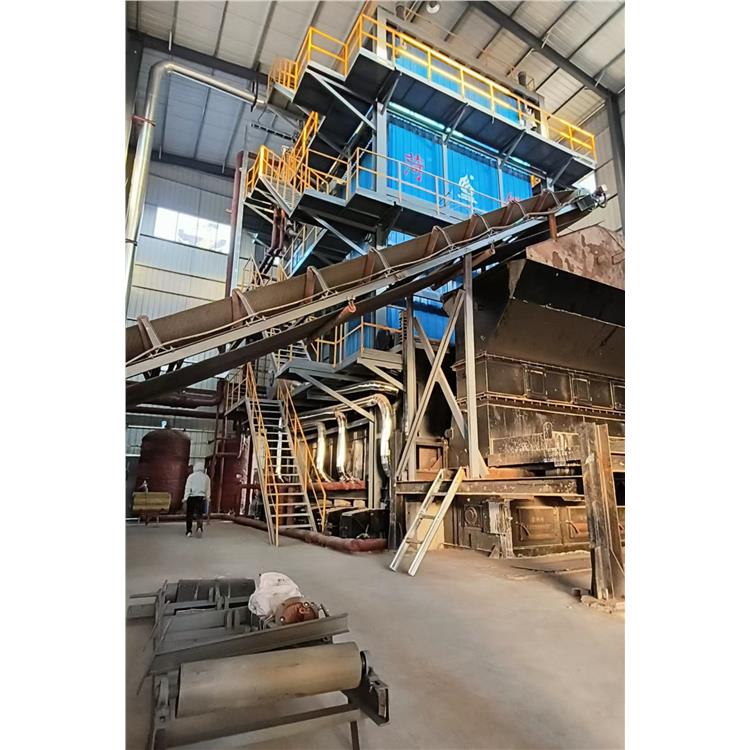

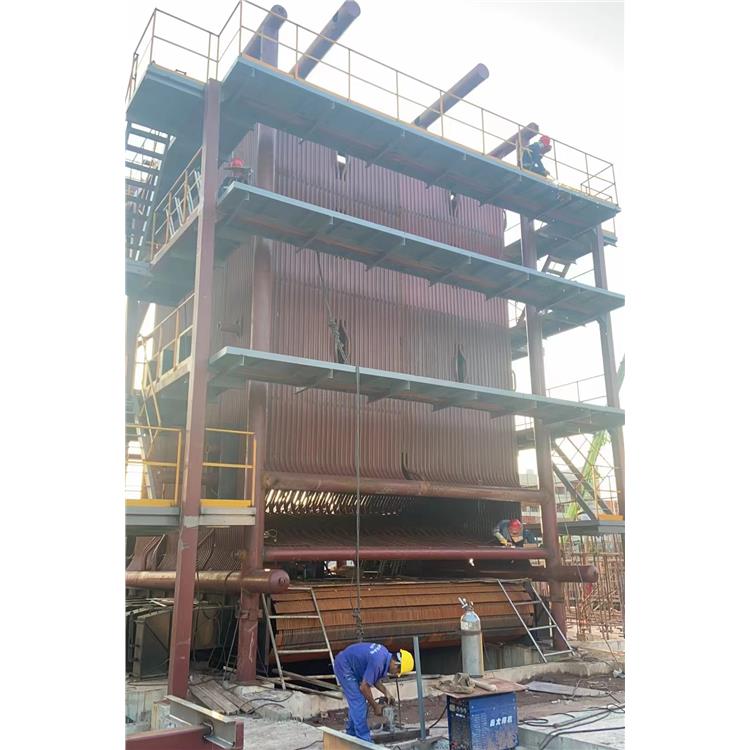
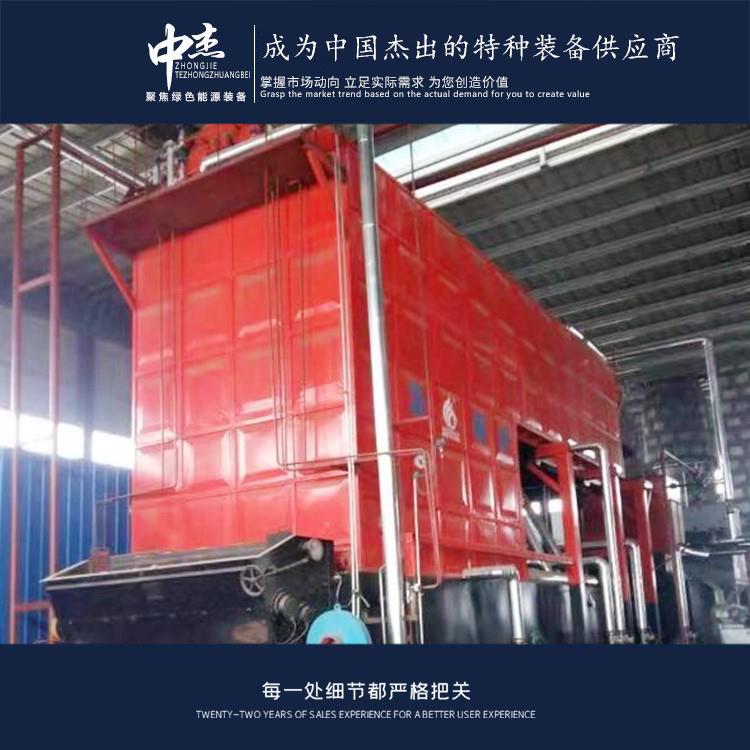


















Shandong Zhongjie Special Equipment Co., Ltd. specializes in the following products: fuel (gas) boilers, organic heat carrier boilers, biomass boilers, waste heat recovery boilers, and other boiler products; vacuum insulation cryogenic pressure vessels such as LNG storage tanks, oxygen/nitrogen/argon storage tanks, and CO2 storage tanks; pressure vessel products including denitrification engineering equipment, heat storage and energy storage equipment, and complete chemical equipment; central air conditioning and ventilation equipment such as ground (water) source heat pumps, air source units, water-cooled screw units, and air-cooled modular units. Planned products include large-scale energy centers, LNG transport vehicles, LNG tank containers, and other green energy equipment.
Biomass boiler combustion offers the following energy-saving features compared to traditional fuel boilers:
Combustion: The combustion technology and design of biomass boilers enable the combustion of biomass fuel. Compared to traditional fuel boilers, biomass boilers have higher combustion efficiency, allowing for better utilization of fuel energy and reducing energy waste.
Energy Recovery: Biomass boilers are equipped with an energy recovery system that can utilize the excess heat from combustion for heating systems, improving energy utilization efficiency. The heat from flue gases in traditional fuel boilers is often wasted, but biomass boilers can recover and utilize the heat from flue gases, reducing energy waste.
Renewable Energy Utilization: Biomass boilers utilize renewable biomass fuels such as wood chips, straw, and discarded crops, reducing reliance on finite fossil fuel resources. Compared to traditional fuel boilers, biomass boilers have a more sustainable fuel source and can achieve sustainable energy use.
Carbon Emission Reduction: The combustion of biomass fuel produces relatively lower carbon emissions compared to traditional fuel boilers, resulting in reduced carbon emissions from biomass boilers. The use of biomass boilers can decrease greenhouse gas emissions, making them more environmentally friendly.
Waste Utilization: Biomass boilers can use agricultural by-products such as crop straw and wood waste as fuel, effectively utilizing waste resources and reducing resource waste. Compared to traditional fuel boilers, biomass boilers have a more diverse fuel source and can achieve effective utilization of waste.
The extinguishing process and maintenance methods for the fully automatic biomass boiler are as follows:
Extinguishing Process:
Cease fuel supply: Prior to extinguishing the biomass boiler, stop the fuel supply first to ensure the fuel supply pipeline is closed.
Turn off the burner: Switch the burner's switch or the extinguish button on the control panel to the off position, stopping the burner from operating.
Allow to Cool: Wait until the boiler has cooled to a safe temperature, which usually takes some time. Do not operate during this period to prevent any accidents.
Shut off Power: After the boiler has completely cooled down, turn off the power switch of the boiler to ensure the boiler is de-energized.
Maintenance Instructions:
Clean combustion chamber: Regularly clean the combustion chamber to remove ash and dirt generated during the combustion process. Use appropriate tools and cleaning agents to ensure the chamber remains clear and clean.
Heat Exchanger Cleaning: Regularly clean the heat exchangers, particularly those on the flue side. The flue gases produced during the combustion process may contain particulates and ash, which can adhere to the surface of the heat exchanger, affecting heat transfer efficiency. Using appropriate cleaning methods, such as mechanical or chemical cleaning, can reduce the accumulation of dirt.
Inspect and Replace Critical Components: Regularly inspect and replace critical components such as burners, valves, and sensors. Ensure these components operate smoothly and maintain peak performance to avoid malfunctions and potential safety hazards.
Water Treatment: Proper water treatment for boiler feed water to prevent impurities and sediments from depositing inside the boiler. Methods such as water softening, deoxygenation, and scaling removal can be employed to maintain the cleanliness and stability of the supply.
Regular Maintenance: Perform regular maintenance and upkeep, including inspecting and cleaning control systems, checking electrical connections, and lubricating moving parts. Develop a corresponding maintenance schedule based on the boiler's usage and the manufacturer's recommendations.
Above is the extinguishing process and maintenance methods for the fully automatic biomass boiler. Through proper operation and regular maintenance, it ensures the safe operation of the boiler and extends its service life.
Current biomass boilers face the following issues in practical application:
Fuel supply instability: The supply of biomass fuel is subject to seasonal and regional limitations, leading to unstable fuel supply for biomass boilers. This may result in the inability of biomass boilers to operate continuously or the need for frequent fuel switching, which increases operating costs and management difficulties.
Low combustion efficiency: Due to the characteristics of biomass fuel and the complexity of the combustion process, the combustion efficiency of biomass boilers is relatively low. Some fuels have high volatile content and ash content, which may produce excessive ash and particulate matter during combustion, thereby reducing combustion efficiency and thermal energy utilization.
NOx Emission Issue: Biomass boilers produce a relatively high amount of nitrogen oxides (NOx) during the combustion process, which has a certain impact on the environment. Controlling and reducing NOx emissions is a significant challenge for biomass boilers.
Combustion Equipment Wear: High ash content in biomass fuel leads to abrasion and clogging of combustion equipment during the burning process. This may shorten the lifespan of the equipment and necessitate frequent maintenance and cleaning.
Ash residue from combustion: Ash residue produced by biomass boiler combustion requires proper handling and disposal. Improper treatment may lead to environmental pollution and harm.
Lack of unified technical standards and specifications: Currently, there is no unified standard for biomass boiler technology...
The phenomenon of biomass boiler economizer tube damage may include the following situations:
Pipe Corrosion: Flue gases produced by biomass combustion contain certain acidic substances, which may lead to corrosion of economizer pipes. Long-term corrosion can result in the thinning of pipe wall thickness, the formation of holes and cracks.
Pipe blockage: During biomass combustion, flue gas may contain some ash and particulates, which may deposit and accumulate in the economizer pipe, leading to blockage. Blockage affects the flow of flue gas and reduces heat exchange efficiency.
Pipe fatigue: The operating temperatures and pressures of biomass boilers fluctuate significantly, leading to long-term thermal expansion and contraction that can cause fatigue damage to economizer pipes, such as cracking and deformation.
In response to the above issues, the following solutions can be implemented:
Enhanced Corrosion Protection: Apply corrosion-resistant coatings or use materials made from corrosion-resistant materials internally in the economizer pipes to minimize corrosion occurrence.
Regular cleaning and maintenance: Regularly clean and maintain the economizer to prevent the accumulation of ash and particulates in the pipes, which can lead to blockages. Methods such as mechanical cleaning and water flushing can be employed.
Enhanced Monitoring and Inspection: Regularly inspect economizers, including thickness measurements of pipes and crack detection, to promptly identify issues and implement repair measures.
Optimize Operating Parameters: Reasonably adjust the operating parameters of biomass boilers, such as combustion temperature and air volume, to minimize damage to the economizer.
Shandong Zhongjie Special Equipment, welcome customers to our factory for business discussions.
WeChat Official Account

Scan to follow Official Account



















