


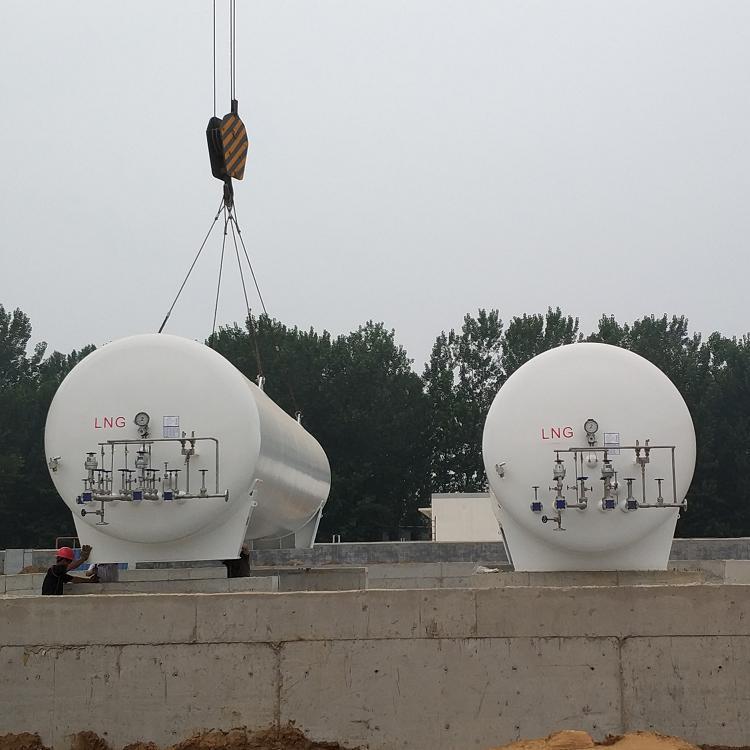

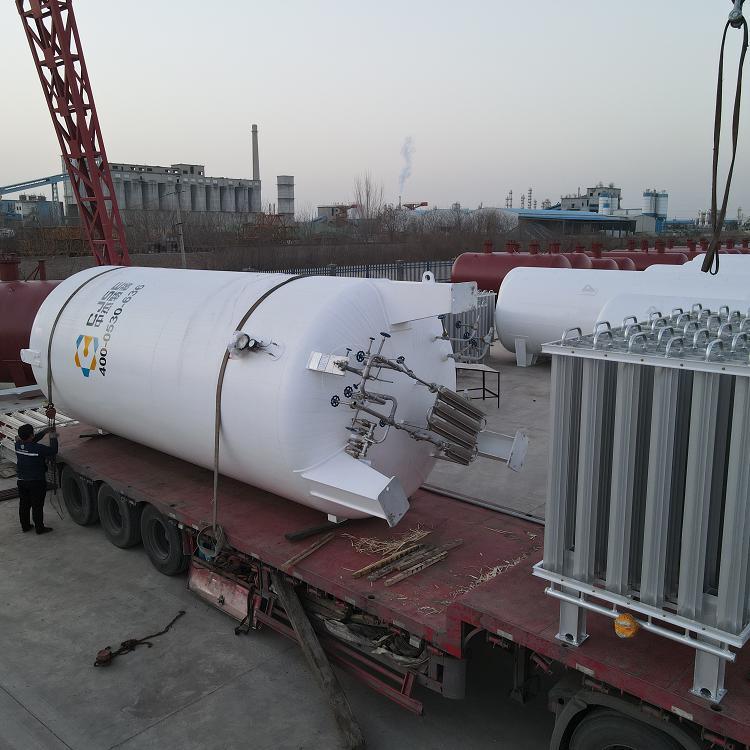
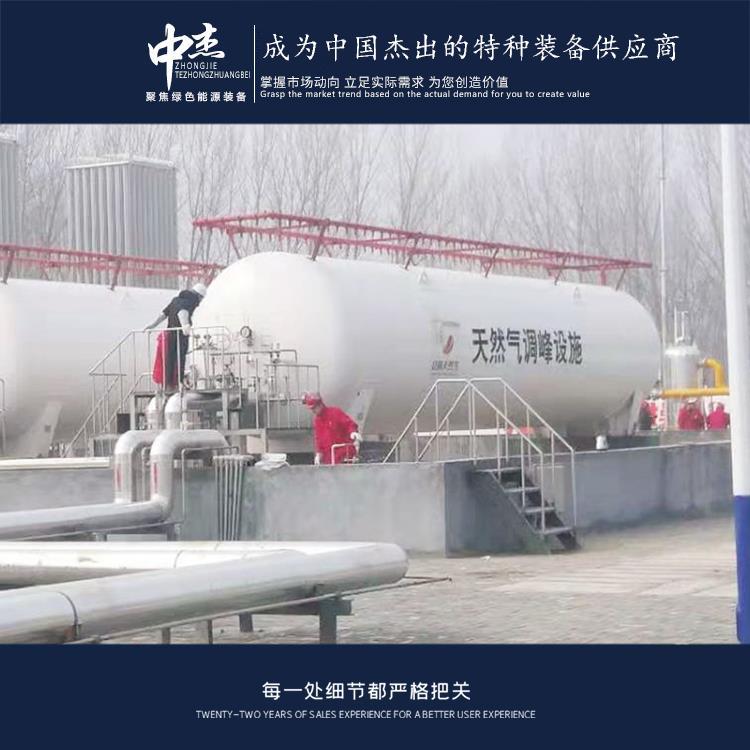


















Shandong Zhongjie Special Equipment Co., Ltd. (formerly Heze Boiler Factory Co., Ltd.) was established in 2001, located at No. 2218 Jinnan Road, Economic and Technological Development Zone, Heze City. With a registered capital of 50 million yuan and total assets of 500 million yuan, the company has 7 business centers: boilers, deep-freezing vessels, pressure vessels, central air conditioning, engineering installation, international trade, and the Internet of Things. It has three factory sites on Jinnan Road, East Changjiang Road, and Bohai Road, covering a total area of 200,000 square meters, with the main workshop spanning 83,000 square meters. It currently employs 710 people, including 247 engineers and technicians and 82 intermediate-level technicians. In December 2016, it was recognized as a "High-Tech Enterprise" by the Science and Technology Department. In June 2021, it was identified as a "Specialized and New Enterprise in Shandong Province" by the Ministry of Industry and Information Technology. In June 2022, it was recognized as a "Gazelle Enterprise in Shandong Province" and in August 2022, as a "Specialized and New Small Giant Enterprise" by the Ministry of Industry and Information Technology.
Protection tips for liquid nitrogen tanks include the following:
Wear protective gear: When handling liquid nitrogen tanks, it is mandatory to wear appropriate protective gear, including gloves, protective suits, and non-slip shoes. This gear helps protect the skin from the low temperatures of liquid nitrogen and other hazards.
Avoid direct contact: Liquid nitrogen is extremely cold and can cause frostbite. Therefore, it is essential to avoid direct contact with liquid nitrogen, especially with the skin. Use tools or equipment for handling, and never touch liquid nitrogen with your hands.
Note ventilation: In the operational area of the liquid nitrogen storage tank, ensure adequate ventilation to expel gases produced by the evaporation of liquid nitrogen. Maintain air circulation to avoid excessive oxygen concentration and reduce the risk of fire and explosion.
Prevent Leaks: Regularly inspect the liquid nitrogen storage tank for leaks and equip with leak detection and alarm systems. In case of a leak, take immediate action to contain and repair it. Avoid the hazards of liquid nitrogen leaks to personnel and the environment.
Fire Prevention Measures: Liquid nitrogen has a low boiling and freezing point, which makes it prone to fire. To prevent fires and their spread, firewalls should be set up around liquid nitrogen storage tanks and fire-resistant coatings should be used.
Static protection: The accumulation of static electricity in liquid nitrogen tanks may cause sparks, increasing the risk of fire. Measures such as using static-conductive materials and anti-static equipment are taken to reduce the accumulation and release of static electricity.
Regular inspections and maintenance: Conduct regular checks on the condition of liquid nitrogen tanks and associated equipment, including valves, pipes, pressure gauges, etc. Ensure the equipment is in perfect condition without any damage, and promptly repair or replace any damaged parts.
Waste Gas Treatment: During the operation of liquid nitrogen storage tanks, waste gas is produced, and appropriate waste gas treatment measures must be taken.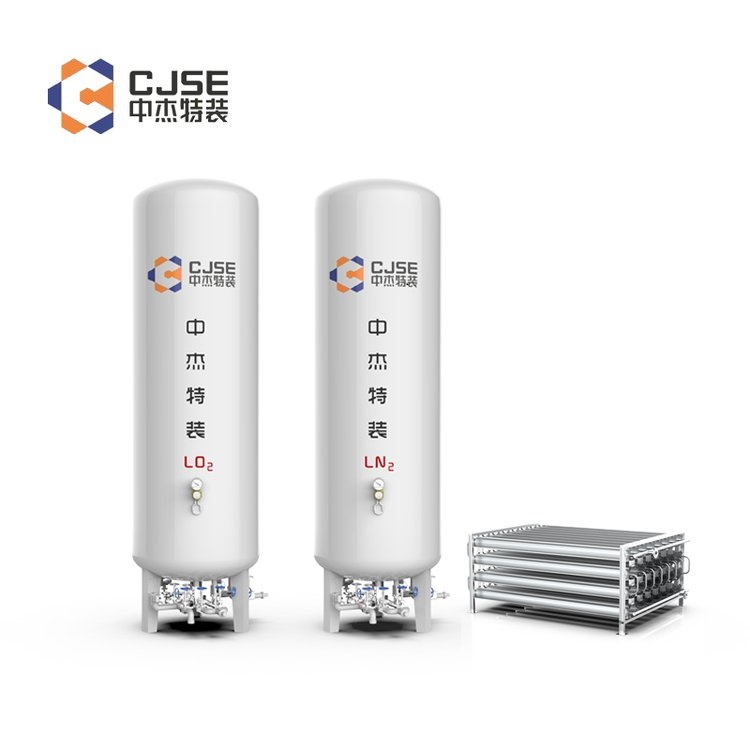
The standard specifications for liquid oxygen storage tanks may vary by region. Below are examples of some common standards:
U.S. Standards: The American National Standards Institute (ANSI) and the American Petroleum Institute (API) have issued a series of standards for liquid oxygen storage tanks, such as ANSI/API Standard 2510 "Design and Construction of Liquid Oxygen Tanks" and ANSI/API Standard 2510A "Supplement to the Design and Construction of Liquid Oxygen Tanks."
European Standards: The European Committee for Standardization (CEN) has issued a series of standards for liquid oxygen storage tanks, including EN 13458 "Design and Construction of Liquid Oxygen Tanks" and EN 14015 "Design and Construction of Vertical Welded Steel Fixed Tanks."
Chinese Standards: The Standardization Administration of the People's Republic of China (SAC) has issued a series of standards for liquid oxygen storage tanks, such as GB/T 18442 "Design Specification for Liquid Oxygen Tanks" and GB/T 18443 "Construction and Acceptance Specification for Liquid Oxygen Tanks."
These standards typically cover requirements for the design, manufacture, installation, operation, maintenance, and inspection of liquid oxygen storage tanks. They encompass provisions related to the tank's structure, materials, safety valves, insulation, leak control, fire protection measures, and safety distances to ensure the safety and reliability of the tanks.
When designing, manufacturing, and using liquid oxygen storage tanks, it is essential to follow applicable standards and collaborate with local regulatory authorities and personnel to ensure compliance with relevant safety requirements and regulations.
The Zhongjie Liquid Oxygen Storage Tank boasts the following notable advantages:
Material: Made of stainless steel, offering excellent corrosion and high-temperature resistance, ensuring the tank's long-term stable operation.
Manufacturing Process: The adopted manufacturing processes and equipment ensure the quality and precision of the tank's construction, meeting process requirements.
Safety and Reliability: Tanks are designed and manufactured to stringent standards, equipped with safety valves, pressure sensors, and other safety devices to ensure operation within normal working pressure ranges and to handle emergencies.
Energy-saving: Tanks feature optimized insulation design and materials, reducing energy loss and enhancing energy utilization efficiency.
High Capacity: The tank features a large capacity design, capable of meeting the storage needs of liquid oxygen for various scales and requirements.
Flexible and adjustable: The storage tank features a design that allows for capacity adjustment and expansion to meet actual needs.
Easy to operate and maintain: The tank features a user-friendly interface and control system, making it convenient for operators to handle and maintain.
Longevity: The tank boasts excellent durability and corrosion resistance, ensuring long-term stable operation and reducing the frequency of replacement and maintenance.
Eco-friendly Energy-saving: Tanks are constructed with environmentally friendly materials and processes, reducing environmental impact. Additionally, through energy-saving design and operation, energy consumption is lowered.
Customized Services: ZJET provides customized design and services for liquid oxygen storage tanks, tailored to meet clients' specific requirements and needs, ensuring personalized solutions.
These advantages make ZJET Liquid Oxygen Storage Tanks a reliable and safe solution for liquid oxygen storage, widely used in industries, scientific research, and other fields.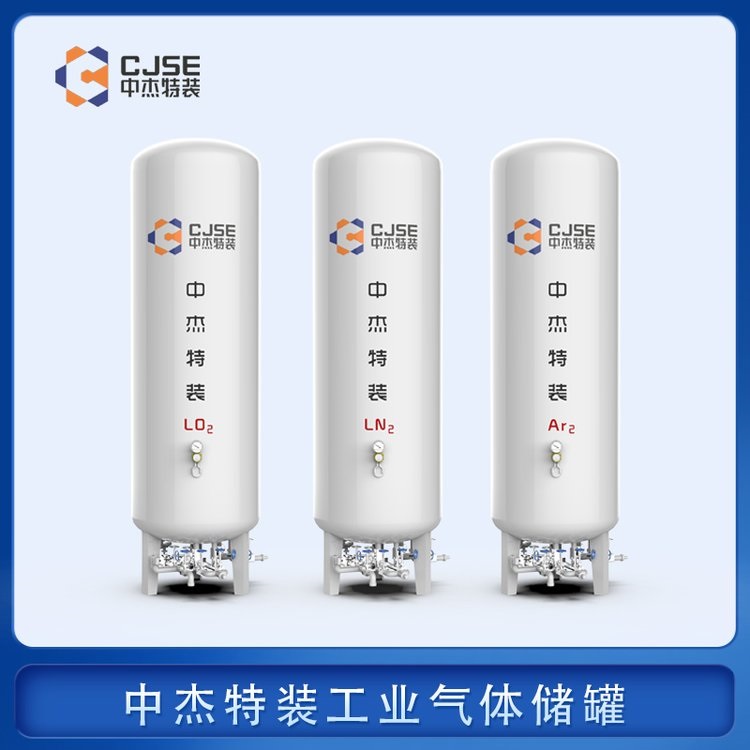
The safe operation of low-temperature liquid storage tanks primarily involves the following key aspects:
Tank Design and Material Selection: Tank design must comply with relevant safety standards and regulations, capable of withstanding the pressure and temperature of low-temperature liquids. Select appropriate materials, such as stainless steel, aluminum alloy, etc., to ensure the tank's corrosion resistance and low-temperature performance.
Insulation and Protection Measures: Low-temperature liquid storage tanks should be equipped with effective insulation to minimize heat transfer and evaporation of the liquid. The selection and installation of the insulation should comply with relevant standards and requirements. Additionally, protective measures such as anti-freezing and explosion-proof measures should be implemented to ensure the safe operation of the tank.
Pressure Control and Safety Valves: Low-temperature liquid storage tanks should be equipped with reliable pressure control systems and safety valves to ensure the pressure within the tank remains within a safe range. The pressure control system should be capable of promptly detecting and adjusting the pressure inside the tank to prevent risks from excessive or low pressure.
Leak and Fire Protection: Low-temperature liquids are highly flammable, so measures must be taken to prevent leaks and fires. Storage tanks and associated pipelines should have good sealing properties, with regular inspections and maintenance to prevent leaks. Additionally, appropriate fire protection facilities and firefighting equipment should be provided to address fire risks.
Safety Operation and Training: Operators must undergo relevant safety training, familiarize themselves with the safe operation procedures and emergency response measures for low-temperature liquid storage tanks. Adhere to the correct operational steps to ensure safe operation.
Regular inspections and
Zhong Jie Special Equipment adheres to the great vision of "realizing employees' dreams, creating customer value, and striving for the prosperity and strength of our motherland," and is dedicated to the development of the green energy equipment industry. We commit to society with high-quality, cost-effective products and services!
WeChat Official Account

Scan to follow Official Account



















