


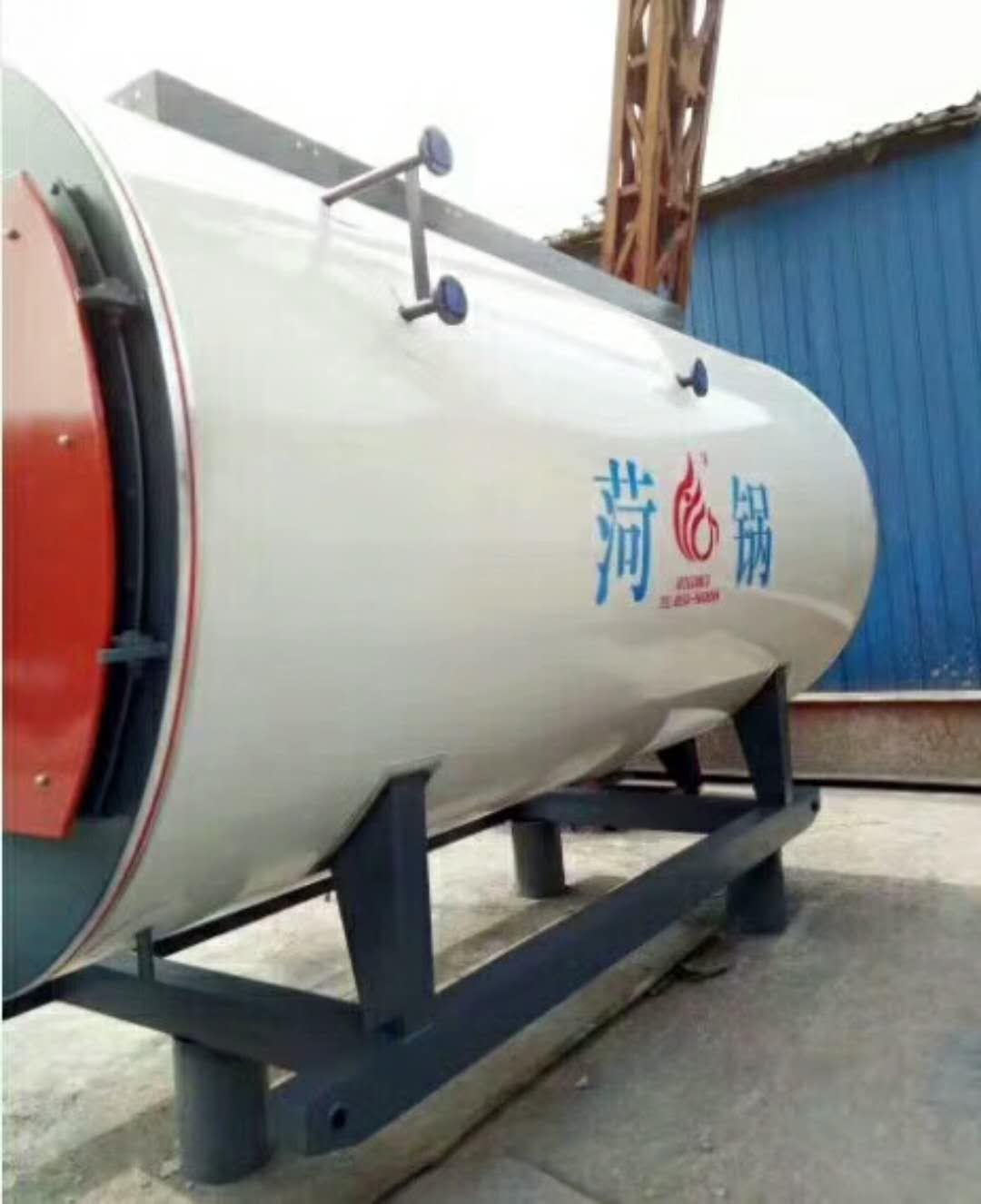

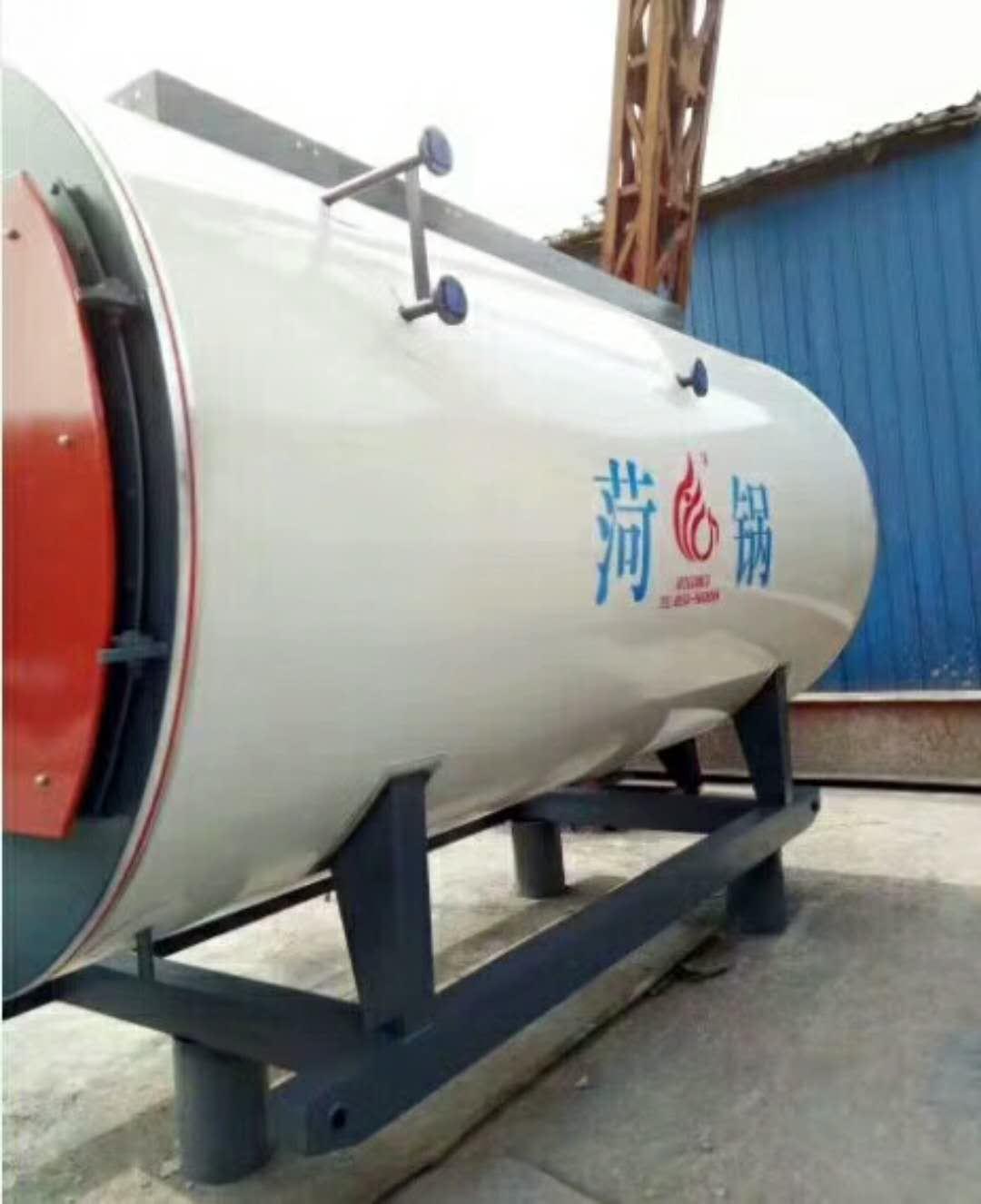
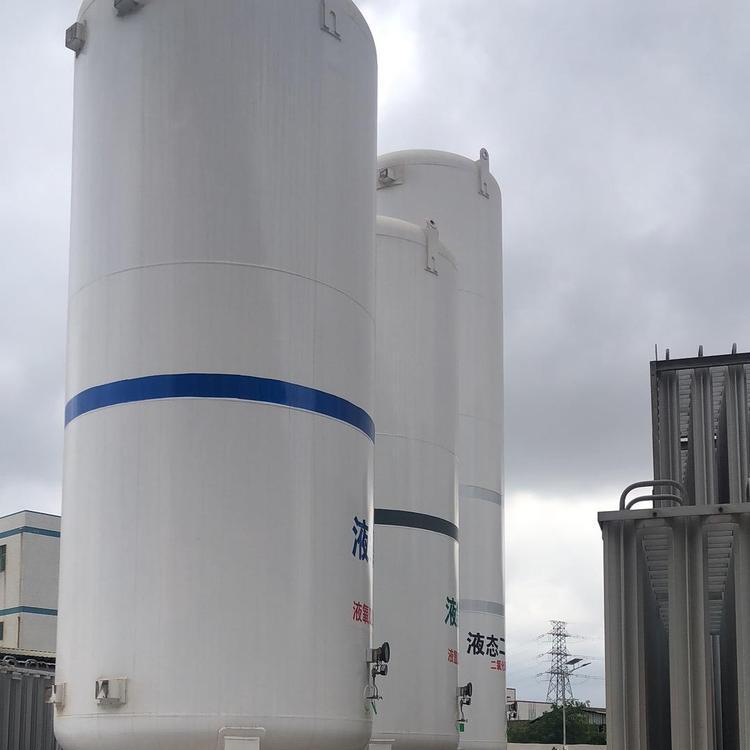


















Shandong Zhongjie Special Equipment (formerly Heze Boiler Factory Co., Ltd.) holds an A-grade boiler manufacturing license and an A2-grade pressure vessel manufacturing license. It also possesses an A2-grade pressure vessel design license, B-grade boiler installation, and GB2/Class, GC2/Class pressure pipeline installation licenses, as well as qualifications for electromechanical equipment installation contracting. It is a member of the China Boilers and Water Treatment Association, the China Chemical Equipment Association, and a director unit of the Shandong Equipment Manufacturing Association. The company has also passed certifications for the ISO9001 Quality Management System, ISO14001 Environmental Management System, OHSAS18001 Occupational Health and Safety Management System, and the U.S. ASME/U2 certification.
The application of strain-hardening in austenitic stainless steel on low-temperature pressure vessels is a common method, which can enhance the material's strength and durability. Below is some information regarding the application of strain-hardening in austenitic stainless steel on low-temperature pressure vessels:
Principle of Strain Hardening: Strain hardening is achieved by introducing plastic deformation into the material, altering the crystal structure and thereby increasing the material's strength. In Austenitic stainless steel, strain can be introduced through methods such as cold working (e.g., cold rolling, cold drawing) or heat treatment (e.g., solution heat treatment and cold deformation), leading to dislocation and grain boundary slip in the crystal structure, which enhances the material's strength.
Advantages of Low-Temperature Applications: Austenitic stainless steel exhibits excellent corrosion resistance and low-temperature toughness in cold environments. Strain hardening can further enhance the strength and durability of austenitic stainless steel, enabling it to perform in low-temperature pressure vessels. Under low-temperature conditions, strain hardening effectively resists plastic deformation and fracture, improving the material's tensile strength and impact resistance.
Application Cases: Austenitic stainless steel strain hardening is widely used in low-temperature pressure vessels. For instance, in liquid nitrogen tanks, liquid oxygen tanks, and liquid argon tanks, among other low-temperature containers, strain-hardened austenitic stainless steel is commonly employed as structural material. These vessels must withstand high pressure and impact loads at low temperatures; strain hardening enhances the material's strength and durability, ensuring safe operation of the containers.
It is important to note that the strain hardening of austenitic stainless steel must be carried out at suitable temperatures and deformation conditions to avoid excessive deformation and material embrittlement. When designing and manufacturing low-temperature pressure vessels, the specific engineering requirements and material characteristics should be considered to rationally select and apply the strain hardening of austenitic stainless steel.
Liquid Oxygen Storage Tank Possesses the Following Safety Technical Characteristics:
High-pressure Vessel: Liquid Oxygen Storage Tanks are high-pressure vessels capable of withstanding high pressure. Their design and manufacturing must comply with relevant standards and regulations to ensure the tank's strength and sealing integrity.
Low Temperature Storage: Liquid oxygen tanks are used for storing liquid oxygen, with operating temperatures typically around -183 degrees Celsius. The materials and insulation of the tanks must withstand low-temperature conditions to prevent evaporation of the liquid oxygen and the infiltration of external heat.
Fire-resistant Design: Liquid oxygen contains a high oxygen content and is highly flammable. The design of liquid oxygen storage tanks must incorporate fire-resistant measures, such as the installation of firewalls and the use of fire-retardant coatings, to prevent fires and their spread.
Leakage Control: Leaks in liquid oxygen tanks can lead to increased oxygen concentrations, raising the risk of fire and explosion. Tanks must be equipped with leak detection and alarm systems to promptly detect and control leaks, and to implement appropriate emergency measures.
Static protection: The accumulation of static electricity in liquid oxygen tanks may cause sparks, increasing the risk of fire. Tanks must be equipped with static-conductive materials and anti-static devices to reduce the accumulation and release of static electricity.
Safety Valves and Pressure Control: Liquid oxygen storage tanks must be equipped with safety valves and pressure control devices to ensure the internal pressure of the tank remains within a safe range. In the event of pressure exceeding the set value, the safety valve will automatically release pressure, protecting the tank's safety.
Regular inspections and maintenance: Liquid oxygen tanks require regular inspections and maintenance.
To safely utilize liquid oxygen tanks, attention should be given to the following aspects:
Training: Operators of liquid oxygen tanks must undergo training to understand the properties of liquid oxygen, safety operating procedures, and emergency response measures. Only trained personnel are authorized to handle liquid oxygen tanks.
Safety Operating Procedures: Establish and adhere to the safety operating procedures for liquid oxygen tanks, including proper operational procedures, protective measures, and emergency response plans. Ensure operators follow the procedures to minimize accident risks.
Equipment Inspection and Maintenance: Regularly inspect the condition of liquid oxygen storage tanks and related equipment, including valves, pipelines, pressure gauges, etc. Ensure that the equipment is in perfect condition and promptly repair or replace any damaged parts.
Leak Control: Equipped with leak detection and alarm systems to promptly identify and control leaks in liquid oxygen storage tanks. Upon detection of a leak, immediate action should be taken to contain the source of the leak and proceed with repairs.
Fire Prevention Measures: Liquid oxygen has a high oxygen content and is prone to cause fires. Measures such as setting up fire barriers around liquid oxygen storage tanks and using fire-retardant coatings are taken to prevent fires from occurring and spreading.
Static protection: The static buildup in liquid oxygen tanks may cause sparks, increasing the risk of fire. Measures such as using static-conductive materials and anti-static equipment are taken to reduce the accumulation and release of static electricity.
Ventilation Requirements: Ensure adequate ventilation within the enclosed space of the liquid oxygen storage tank to expel gases produced by the evaporation of liquid oxygen. Avoid excessive oxygen concentration and minimize
Proper installation of the liquid oxygen tank safety valve is a crucial step to ensure safe operation of the tank. Here are the installation steps for the liquid oxygen tank safety valve:
Select the appropriate safety valve: Choose a suitable safety valve based on the design pressure and flow requirements of the liquid oxygen storage tank. Ensure that the rated pressure and flow of the safety valve meet the tank's specifications and comply with relevant safety standards and regulations.
Valve Installation Location: Select a suitable location for installing the safety valve. Typically, the safety valve should be mounted on the top or side of the liquid oxygen storage tank to allow for timely pressure release in case of overpressure conditions.
Preparation for installation interfaces: Prepare the corresponding interfaces based on the connection method of the safety valve. This may include welding interfaces, threaded interfaces, or flange interfaces, etc. Ensure the tightness and firmness of the connections.
Install the safety valve: Mount the safety valve onto the prepared interface. Follow the installation instructions for the safety valve to ensure proper connection and tightening.
Adjustment and Testing: After installation, adjust and test according to the requirements of the safety valve. Ensure the opening and closing pressures of the safety valve meet the design specifications, and conduct a leak test to ensure sealing.
Identification and Record: Label the safety valve with relevant information such as rated pressure, flow rate, and installation date. Additionally, record the installation details and test results of the safety valve for future reference and maintenance.
When installing the liquid oxygen storage tank safety valve, it is imperative to adhere to the relevant safety regulations and operating guidelines. If lacking the necessary experience and knowledge, it is recommended to seek assistance and guidance from a professional to ensure the correct installation and reliable operation of the safety valve.
Shandong Zhongjie Special Equipment, welcome customers to visit our factory for business discussions.
WeChat Official Account

Scan to follow Official Account



















