


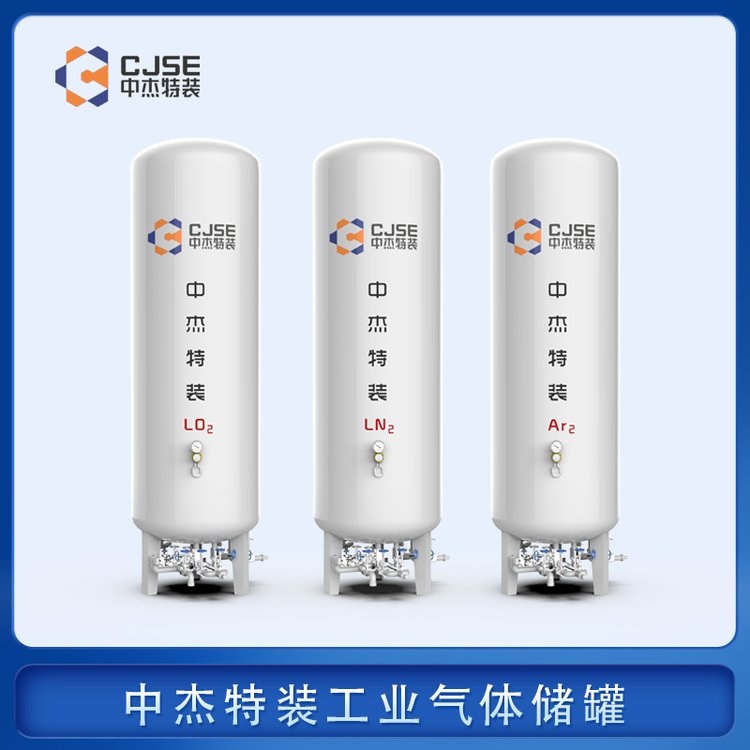

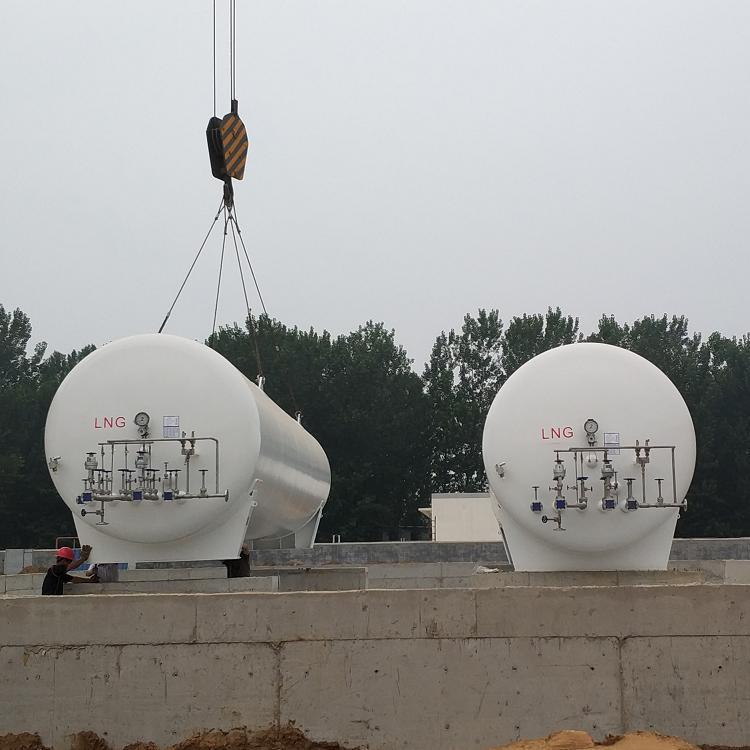
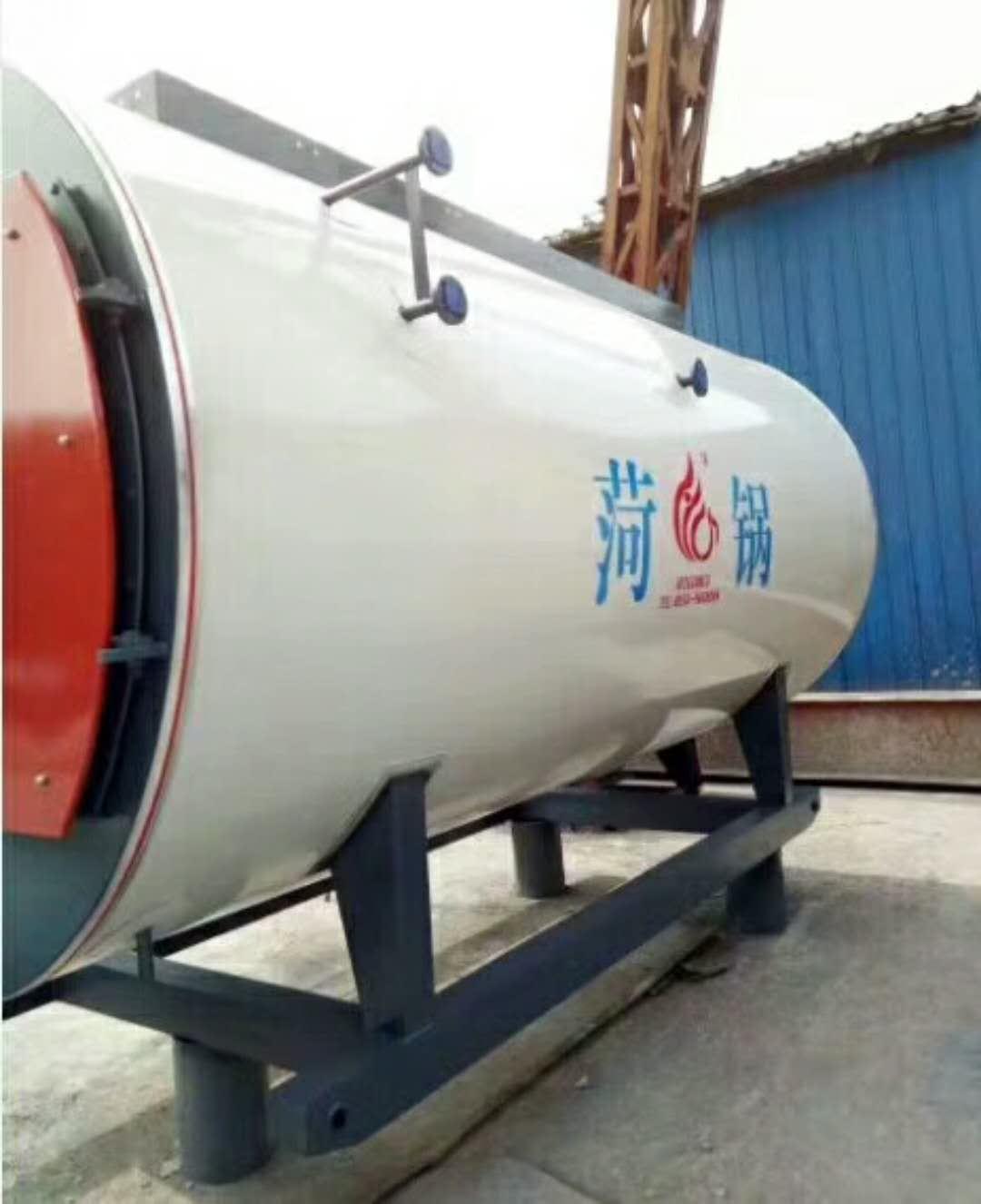


















Shandong Zhongjie Special Equipment Co., Ltd. (formerly Heze Boiler Factory Co., Ltd.) was established in 2001, located at No. 2218 Jinnan Road, Economic Development Zone, Heze City. With a registered capital of 50 million yuan and total assets of 500 million yuan, the company has seven business centers: boilers, deep-freezing vessels, pressure vessels, central air conditioning, engineering installation, international trade, and the Internet of Things. It operates three factory areas on Jinnan Road, East Yangtze Road, and Bohai Road, covering a total area of 200,000 square meters, with the main workshop spanning 83,000 square meters. Currently, it has 710 employees, including 247 engineering and technical staff and 82 intermediate-level technical personnel. In December 2016, it was recognized as a "High-Tech Enterprise" by the Science and Technology Department. In June 2021, it was identified as a "Specialized and New Enterprise in Shandong Province" by the Ministry of Industry and Information Technology. In June 2022, it was recognized as a "Gazelle Enterprise in Shandong Province." In August 2022, it was identified as a "Specialized and New Small Giant Enterprise" by the Ministry of Industry and Information Technology.
The testing and maintenance of liquid oxygen storage tanks are crucial for ensuring safe operation and extending their lifespan. Below is a general outline of the testing and maintenance procedures for liquid oxygen storage tanks:
- External Inspection: Conduct regular external inspections of the liquid oxygen storage tank to check for corrosion, wear, and cracks on the tank surface. In case of any abnormalities, repair or replacement should be carried out promptly.
- Internal Cleaning: Regularly clean the interior of the liquid oxygen storage tank to remove accumulated impurities and dirt. Pay attention to using appropriate cleaning agents and tools to avoid damaging the tank.
- Level Measurement: Regularly measure the level of liquid oxygen in the tank to ensure it remains within a safe range. Use level gauges or other measurement equipment, and record the results.
- Pressure Testing: Conduct regular pressure tests to verify the tank's pressure resistance. Be mindful of controlling pressure and time during the test to ensure safety and accuracy.
- Leak Detection: Regularly perform leak detection to ensure the tank's seal integrity. Use leak detection equipment such as gas detectors or foam leak detectors.
- Valve and Pipeline Inspection: Regularly check the valves and pipeline connections of the liquid oxygen storage tank to ensure proper sealing and no leakage. If any issues are found, repair or replacement should be done promptly.
- Maintenance Records: Keep records of the testing and maintenance activities for the liquid oxygen storage tank, including dates, inspection contents, and results. These records help track the tank's maintenance history and issue resolution.
- Scheduled Maintenance: Develop a regular maintenance plan based on the tank's usage and requirements. Maintenance tasks include lubrication, bolting tightening, and replacing seals to ensure normal operation.
Carbon dioxide tank level gauges are devices used to measure and monitor the liquid level of CO2 within the tank. Depending on different working principles and application requirements, common types of CO2 tank level gauges include the following:
- Buoy Level Gauge: Uses the buoyancy of a float to indicate liquid level, measured through a mechanical device or electrical signal sensor connected to the float.
- Pressure Level Gauge: Measures the level by utilizing the relationship between liquid pressure and level. Liquid pressure changes on the pressure sensor are measured to calculate the level height.
- Ultrasonic Level Gauge: Measures the level using the propagation time of ultrasound. An ultrasonic transmitter emits waves, and when the beam encounters the liquid surface, part of the beam is reflected back. The level height is calculated by measuring the reflection time.
- Capillary Level Gauge: Utilizes the capillary principle to measure the level. By inserting a thin tube into the liquid, the liquid rises within the tube, and the level height is calculated based on the rise.
- Level Gauge: Measures the level by reflecting waves. The transmitter emits waves, and when the beam encounters the liquid surface, part of the beam is reflected back. The level height is calculated by measuring the reflection time.
The application of these level gauges in CO2 tanks can be selected based on specific needs and tank design. When selecting and installing level gauges, factors such as liquid properties, working environment, and precision requirements must be considered, and they must be ensured to match the tank's safe operation and monitoring system.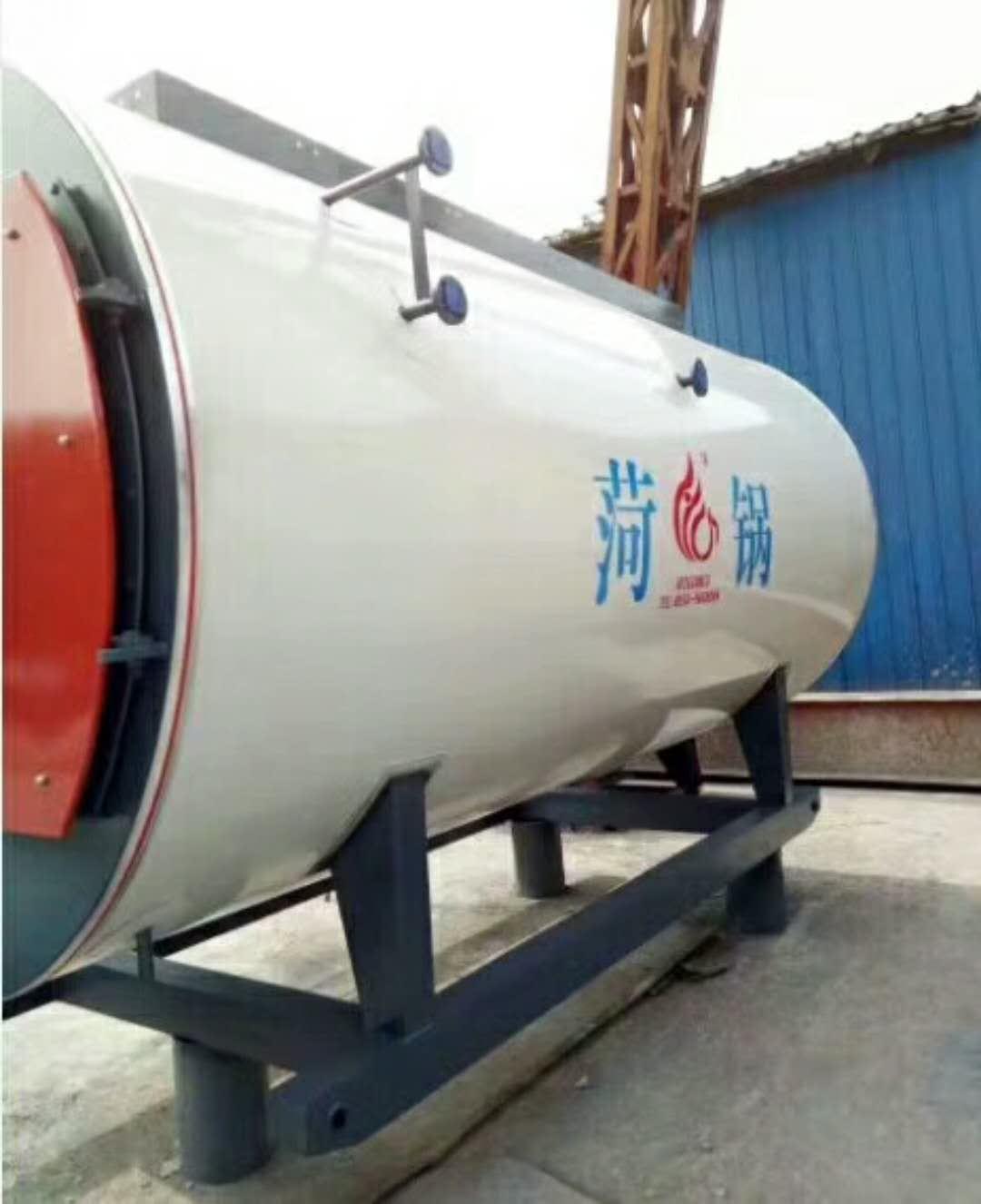
The reasons for regular inspections of low-temperature liquid carbon dioxide storage tanks are to ensure their safety performance and normal operation. Due to the tanks' exposure to low temperatures and high pressures, there are inherent safety risks, such as leaks or structural failures. Regular inspections can detect potential issues early, allowing for appropriate repairs or maintenance to ensure safe operation. The specific inspection frequency should be determined according to relevant regulations and standards, and it is generally recommended to conduct regular inspections and maintenance. Typically, the interval for regular inspections of low-temperature liquid carbon dioxide storage tanks ranges from 1 to 3 years, with the exact interval potentially varying based on usage, age, and design standards. The contents of regular inspections usually include visual inspections of the tank, checks of valves and fittings, leak detection, pressure testing, and also regular maintenance and checks of the insulation layer to ensure its thermal insulation properties. It is important to note that the specific inspection frequency and content should be determined in accordance with local laws, standards, and the manufacturer's recommendations. Inspections should be conducted by qualified personnel, and results and maintenance records should be documented for tracking and managing the tank's safety performance.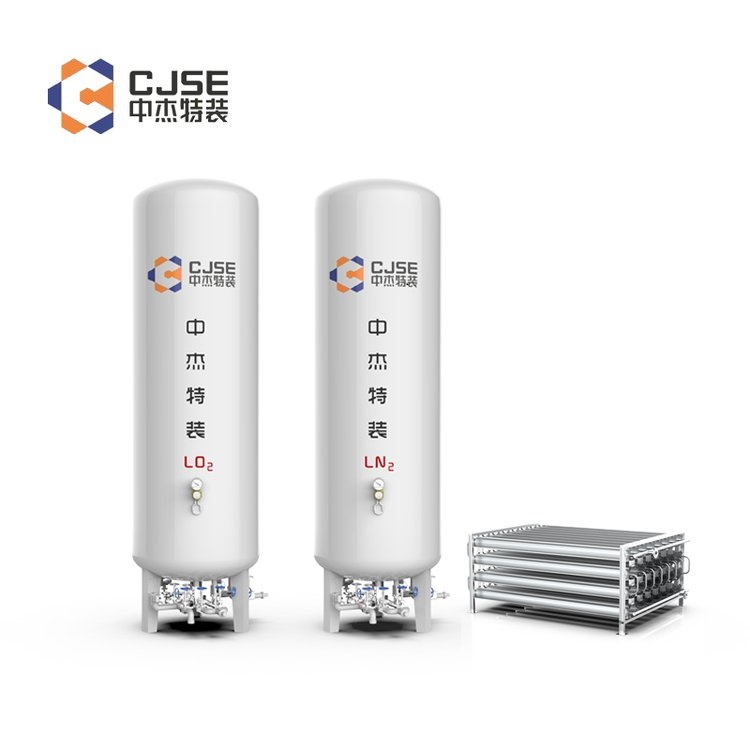
Low Temperature Carbon Dioxide Storage Tank Related Knowledge
1. Structure of Low Temperature Carbon Dioxide Storage Tank
The low temperature carbon dioxide storage tank typically features a double-layered cylindrical structure. The inner cylinder is made of 6MnDR alloy steel, while the outer cylinder is constructed from Q245R or Q345R pressure vessel steel plate. The piping is made of austenitic stainless steel, and the insulation layer is filled with high-vacuum sintered sand or wrapped with multiple layers for thermal insulation. The storage tank is equipped with valves for operation, which are arranged for ease of use. It also includes a pressure gauge and a level gauge for monitoring the pressure and liquid level inside the tank.
2. Key Features of Low Temperature Carbon Dioxide Storage Tank
(1) The storage tank is fitted with a liquid filling connection for tank trucks, allowing liquid supply to vaporizers, tank trucks, and pumps.
(2) Both the inner and outer cylinders of the storage tank are equipped with safety devices to ensure safe operation for users.
(3) The insulation material of the low temperature carbon dioxide storage tank is specially treated to provide a longer vacuum life. Additionally, the tank is equipped with a vacuum gauge for measuring the vacuum level of the insulation layer as needed.
3. Transportation of Low Temperature Carbon Dioxide Storage Tank
(1) During road transportation, the storage tank should be securely fastened to the vehicle, travel at moderate speeds, and avoid collisions with other objects.
(2) After the storage tank arrives, the unloading personnel should work with the equipment supervisor to develop a scientific and reasonable unloading plan.
4. Installation of Low Temperature Carbon Dioxide Storage Tank
(1) Upon arrival at the installation site, the storage tank can be positioned when installation conditions are met. During the installation process, avoid impacts and strikes, and pay special attention to the explosion-proof equipment on the outer cylinder and the vacuum valve, which should not be touched.
(2) Perform a gas-tightness test on the inner cylinder system of the storage tank using nitrogen to the working pressure. After checking that valves, pipes, flanges, etc., are leak-free, the installation is complete.
(3) The installation dimensions of the low temperature carbon dioxide storage tank are specified in the supply materials. When considering liquid loading and unloading with tank trucks, account for the vehicle's travel pathway.
Our company highly values technological innovation and R&D design, boasting one city-level technical center in Heze City. We have established testing facilities for non-destructive testing, physical and chemical testing, welding testing, hydrostatic testing, etc. We are equipped with over 600 instruments and equipment, including CNC machine tools, X-ray flaw detectors, digital ultrasonic flaw detectors, mechanical property testing machines, chemical analyzers, spectrometers, tensile testing machines, plasma welding machines, and more. The key products we have developed, such as thermal-pressure vessel welding, biomass boiler emission reduction, and waste heat recovery, have successively been selected for multiple Shandong Provincial Department of Industry and Information Technology Science and Technology Innovation Projects, Shandong Provincial Key Projects, and Heze City Innovation and Excellence Projects. We have cumulatively obtained 27 authorized utility models, 16 authorized inventions, participated in drafting 2 standards, 2 industry standards, and registered 15 trademarks. Our technical team, in collaboration with Professor Li Yajiang of Shandong University, has jointly developed deep cryogenic vessel processing technology using the internationally recognized plasma arc + filler wire argon arc welding (PAW-GTAW) technique. After being appraised as a provincial-level scientific and technological achievement, our technology has reached an international level in the field of deep cryogenic vessel manufacturing. Choose Zhongjietong for a partnership that will create brilliance together!
WeChat Official Account

Scan to follow Official Account



















