


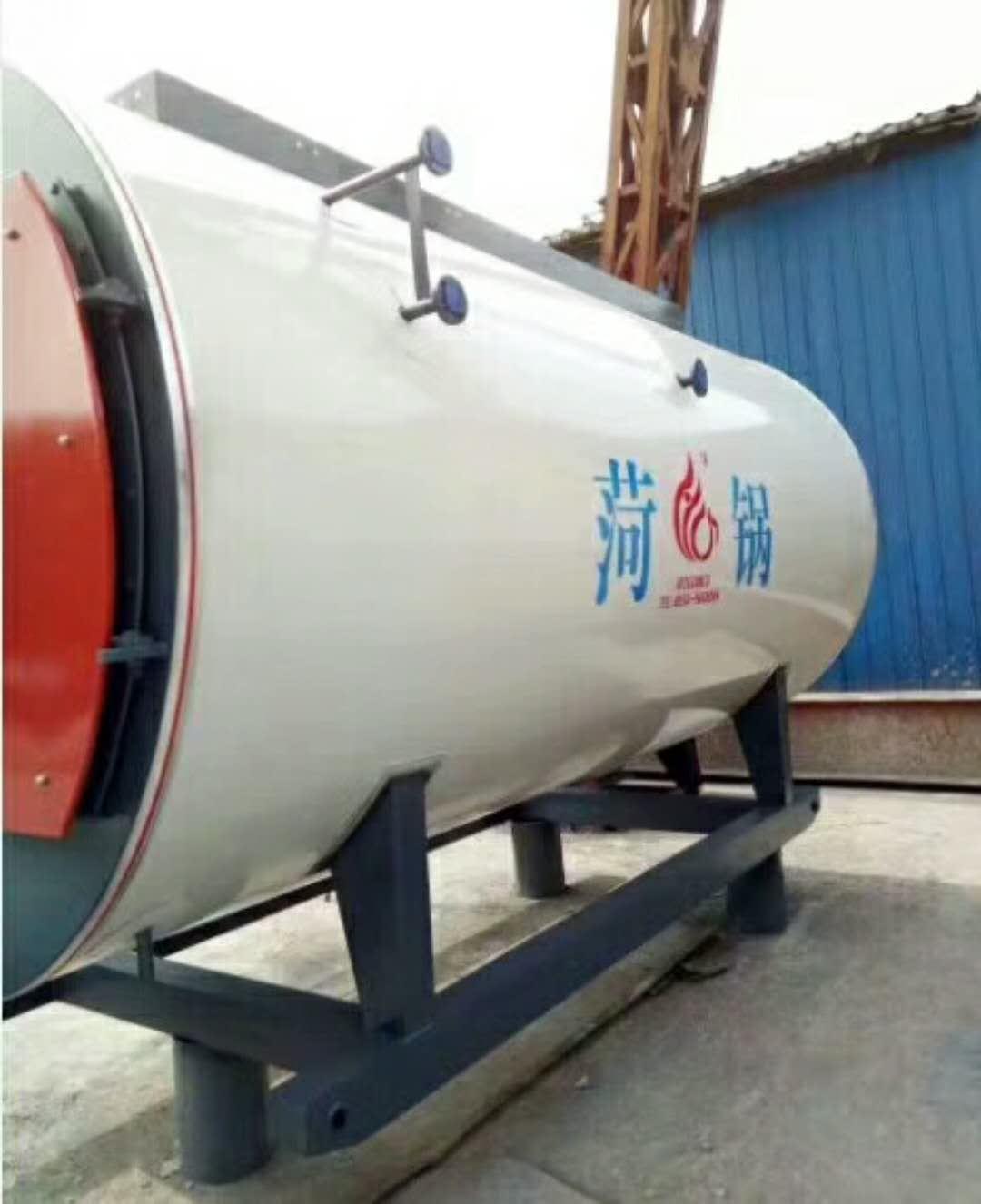

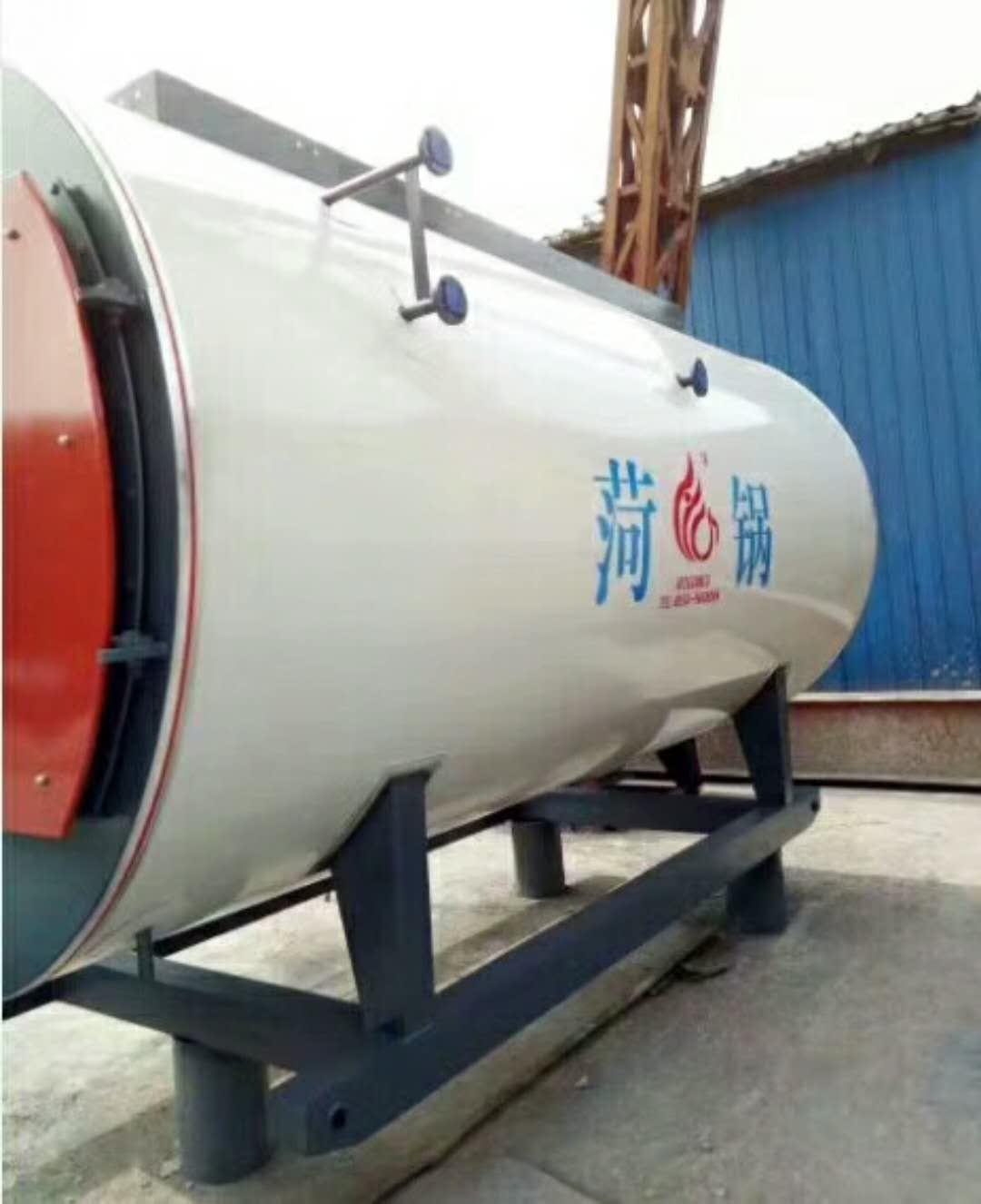
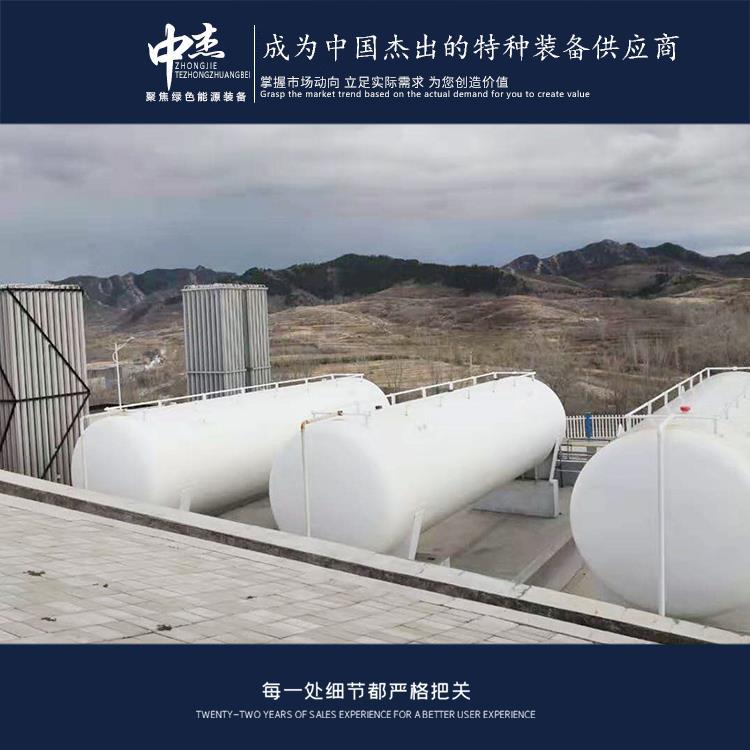


















Shandong Zhongjie Special Equipment's main products include: fuel (gas) boilers, organic heat carrier boilers, biomass boilers, waste heat recovery boilers, and other boiler products; vacuum insulation deep-freeze pressure vessels such as LNG storage tanks, oxygen-nitrogen-argon storage tanks, and CO2 storage tanks; pressure vessel products like denitrification engineering equipment, heat storage and energy storage equipment, and complete chemical equipment sets; central air conditioning and ventilation equipment such as ground (water) source heat pumps, air source units, water-cooled screw units, and air-cooled modular units. Planned products include large-scale energy centers, LNG transport vehicles, LNG tank containers, and other green energy equipment.
The reasons for not leaving a carbon dioxide tank empty for extended periods are primarily as follows:
1. Safety Risks: Carbon dioxide is a high-pressure gas that must be maintained at a certain pressure within the tank to remain in a liquid state. Releasing carbon dioxide from the tank into the atmosphere over a long period can lead to a drop in tank pressure, potentially causing structural failure or explosions, posing safety hazards.
2. Resource Wastage: Carbon dioxide is a valuable resource with widespread applications in industries and other sectors. Keeping the carbon dioxide tank empty for extended periods results in resource waste, which contradicts the principles of sustainable development.
3. Environmental Impact: Carbon dioxide is a greenhouse gas. Releasing it into the atmosphere over a long period can increase the concentration of carbon dioxide in the atmosphere, exacerbating climate change and environmental issues.
Therefore, to ensure safety, conserve resources, and protect the environment, carbon dioxide tanks should be used and managed according to established procedures and requirements, avoiding prolonged empty storage. When carbon dioxide in the tank is no longer needed, appropriate disposal methods should be adopted, such as recycling, reuse, or safe disposal.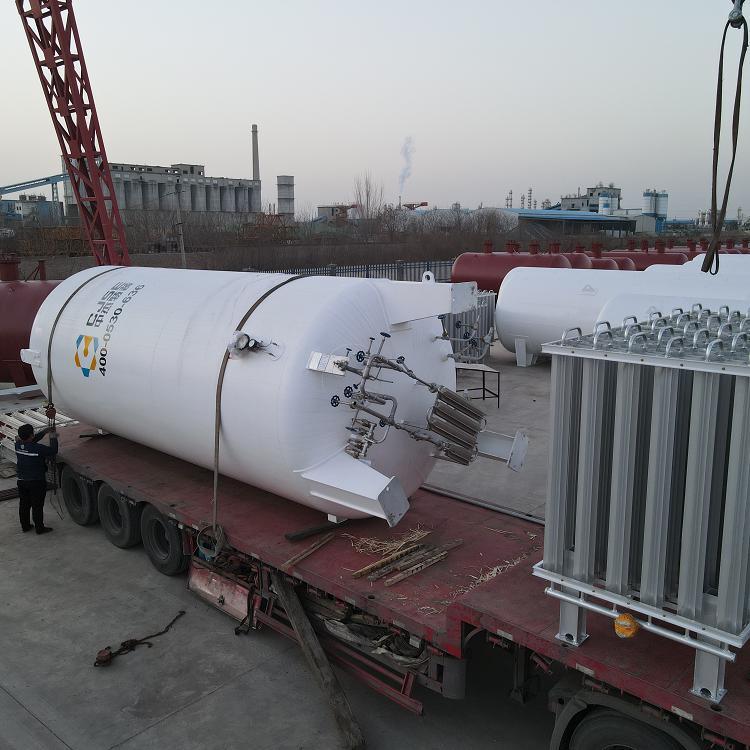
Liquid CO2 Filling Process: Liquid CO2 is injected into the storage tank during the filling process. Here are some precautions to consider for CO2 tank filling: Safety Operations: Adhere to relevant safety procedures during CO2 tank filling. Operators should be trained to understand the tank's characteristics and safety concerns, ensuring safe operation. Tank Capacity Control: Ensure the filling does not exceed the tank's rated capacity. Overfilling may lead to excessive pressure and increased safety risks. Filling Rate Control: Maintain a moderate filling rate to avoid too fast or too slow. Excessive speed can cause high internal pressure, while slow speed may prolong filling time. Temperature Control: Control the temperature of the liquid CO2 during filling. High temperatures can cause rapid evaporation, and low temperatures can lead to solidification. Pressure Control: Monitor and control the internal pressure of the tank during filling. Excessive pressure may cause tank rupture or leakage, while low pressure may result in inadequate filling. Level Monitoring: Regularly monitor the tank's level during filling to ensure accurate measurements and avoid overfilling or underfilling. Pressure Relief Devices: The tank should be equipped with pressure relief devices, such as safety valves, to control internal pressure. The set pressure should meet relevant requirements and be inspected and maintained regularly. Environmental Protection: Be mindful of environmental protection during filling to prevent CO2 leakage and contamination. Use appropriate protective measures, such as sealed connections and protective devices. These are some precautions for CO2 tank filling. Follow relevant safety regulations and standards during filling operations and consult with experts to ensure safety and effectiveness.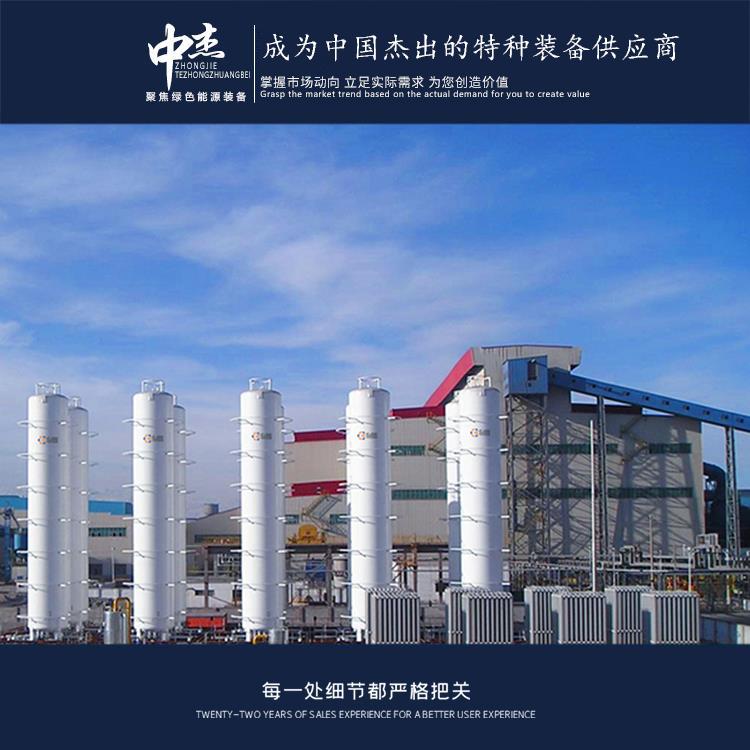
Carbon dioxide has various applications in the new energy field, and here are some common uses:
1. Carbon Capture and Storage (CCS): CCS is a technology to reduce CO2 emissions by capturing CO2 from industrial emission sources and storing it in underground formations, preventing it from entering the atmosphere. This helps in reducing greenhouse gas emissions and mitigating climate change.
2. Carbon Utilization: CO2 can be used to produce valuable chemicals and fuels. For example, through CO2 catalytic conversion technology, CO2 can be converted into fuels like ethanol or other chemical raw materials. This carbon utilization technology aids in reducing dependence on traditional fossil fuels and promotes the development of sustainable energy.
3. Carbon Dioxide Batteries: Carbon dioxide batteries are a new battery technology that uses CO2 as the battery's electroactive material. By converting CO2 into electrical energy, these batteries can serve as a sustainable energy storage solution, helping to advance electric vehicles and renewable energy.
4. Carbon Dioxide Photocatalysis: CO2 photocatalysis is a technique that uses solar energy to convert CO2 into useful chemicals. By utilizing photocatalysts, CO2 and water can be converted into combustible gases or organic compounds, thereby achieving the resource utilization of CO2.
These applications aim to reduce CO2 emissions, improve energy efficiency, and promote the development of sustainable energy. However, these technologies are still under development and research, and further technical breakthroughs and practical verification are needed.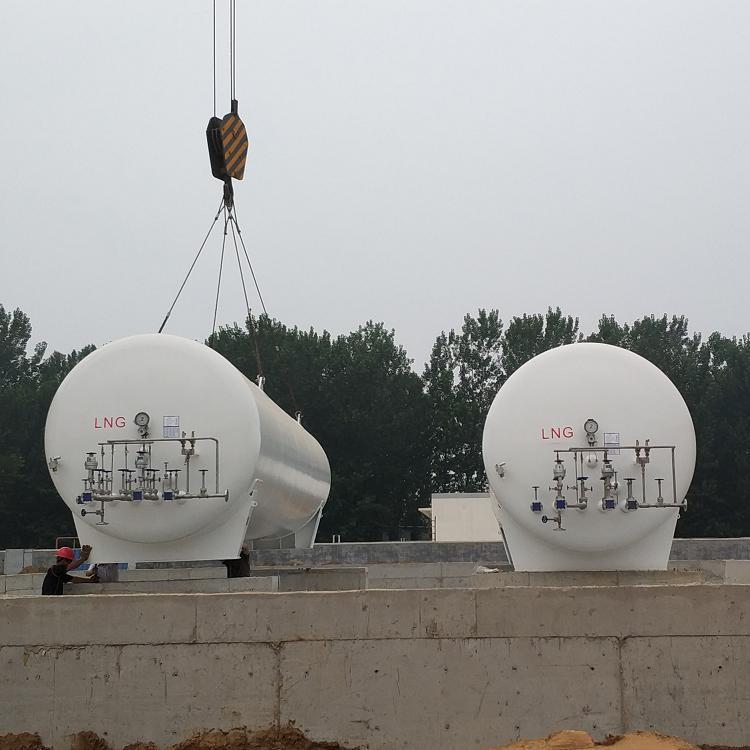
Carbon Dioxide Storage Tank Commissioning typically involves the following steps and contents:
- Tank Installation Inspection: Check if the tank's installation location, foundation, and support structure meet design requirements, ensuring stability and safety.
- Pipeline Connection Inspection: Verify the tank's connections to inlet and outlet pipelines are secure, and that valves and pipelines can be opened and closed properly, ensuring the integrity and normal operation of the pipeline system.
- Tank Cleaning and Emptying: Before commissioning, clean and empty the tank to ensure there are no impurities or residues inside, as well as no other gases or liquids.
- Tank Pressure Testing: Conduct pressure tests on the tank, including static pressure tests and leak tests. Static pressure tests involve increasing pressure to check the tank's sealing and pressure resistance. Leak tests check for any leakage in the tank and pipeline system.
- Control System Commissioning: Calibrate and adjust the tank's control system, including pressure, temperature, and level sensors, to ensure accuracy and reliability.
- Safety System Testing: Test the tank's safety system, including safety valves, pressure gauges, and level indicators, to ensure normal operation and response.
- Operating Parameter Adjustment: Adjust the tank's operating parameters, such as pressure, temperature, and level, based on actual needs and process requirements, to meet process specifications and safe operation.
- Documentation and Reporting: Record and organize data, test results, and operational records during commissioning, generating a commissioning report for future reference and management.
- The above steps and contents are general for carbon dioxide storage tank commissioning. Specific commissioning procedures may vary depending on tank design requirements and application scenarios. During commissioning, strictly adhere to relevant safety operation procedures and standards to ensure safety and effectiveness of the process.
Shandong Zhongjie Special Equipment, welcome customers to our factory for business discussions.
WeChat Official Account

Scan to follow Official Account



















