


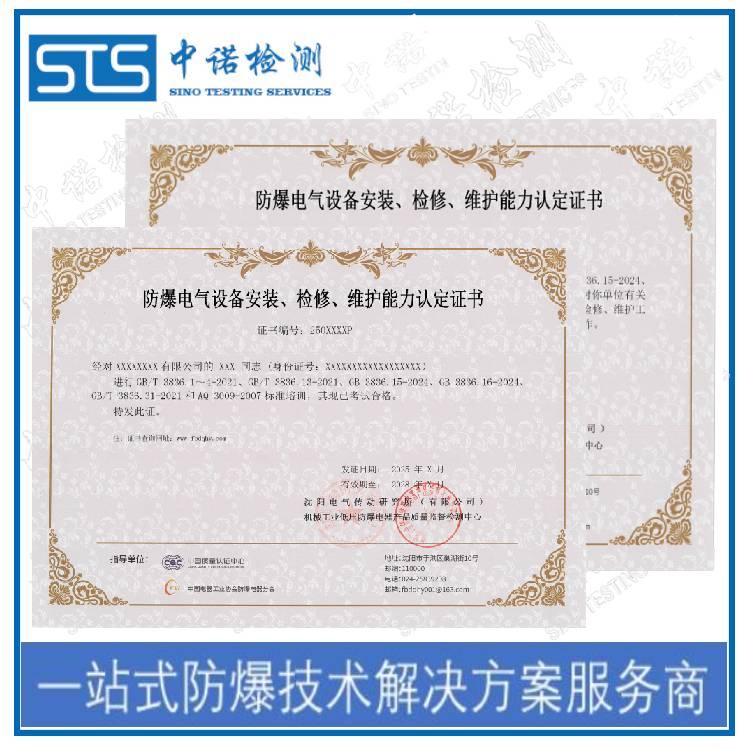
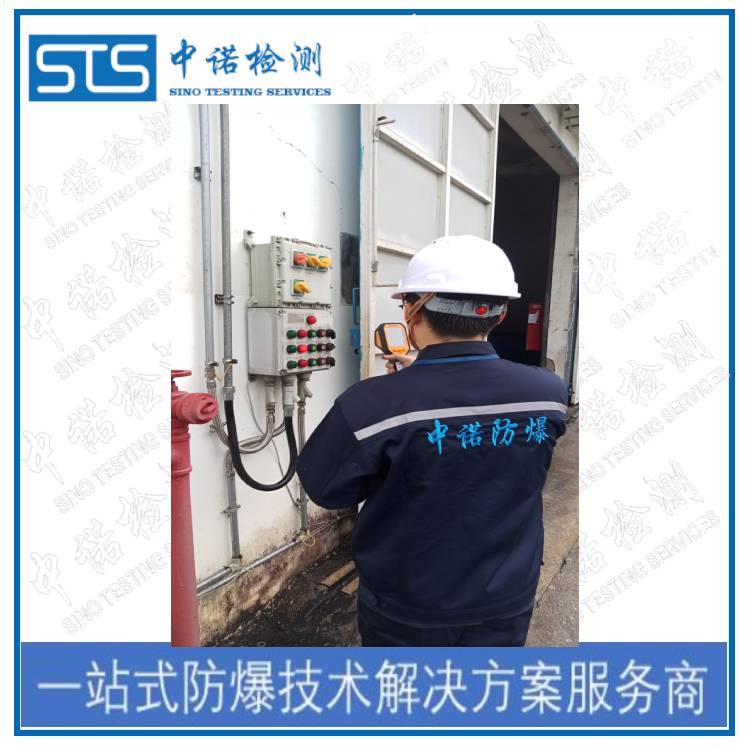
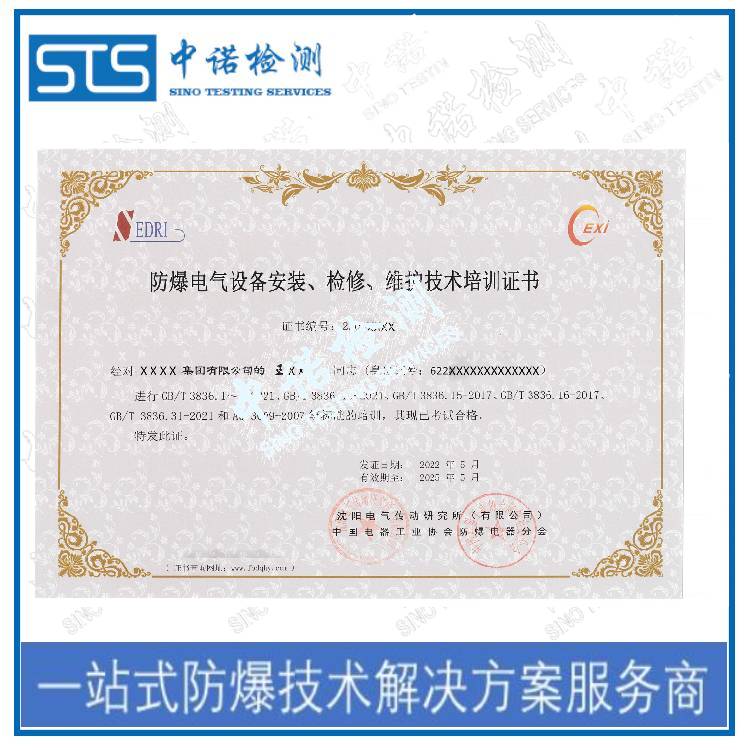
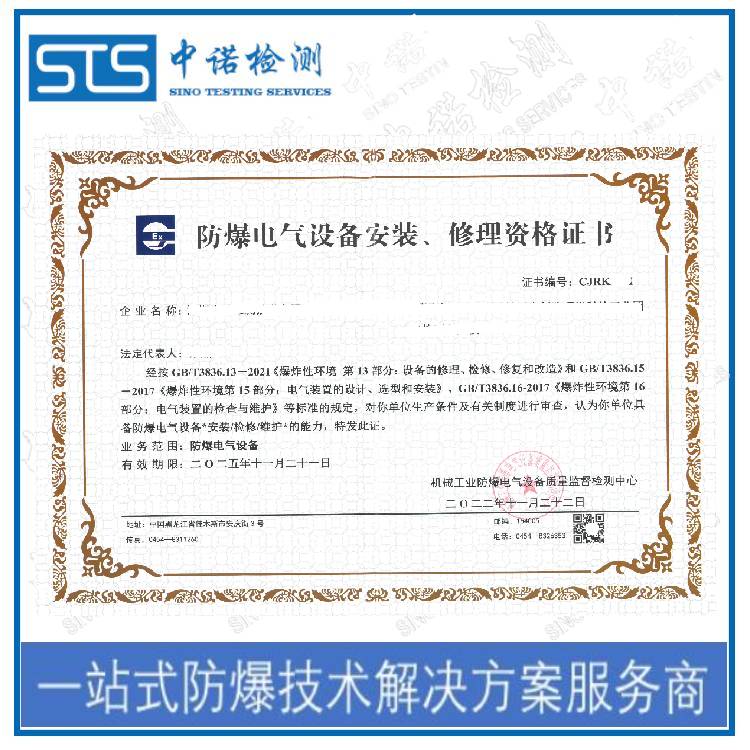
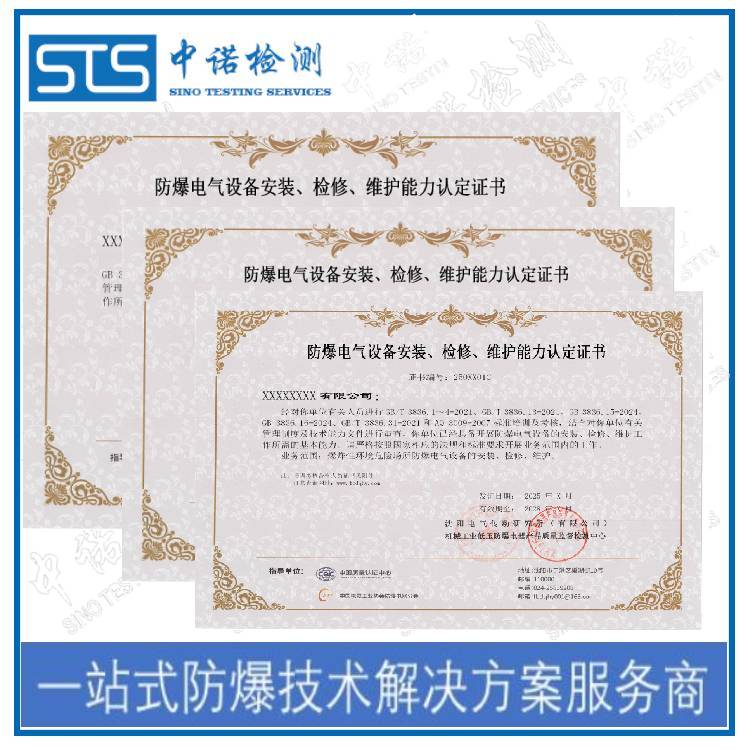





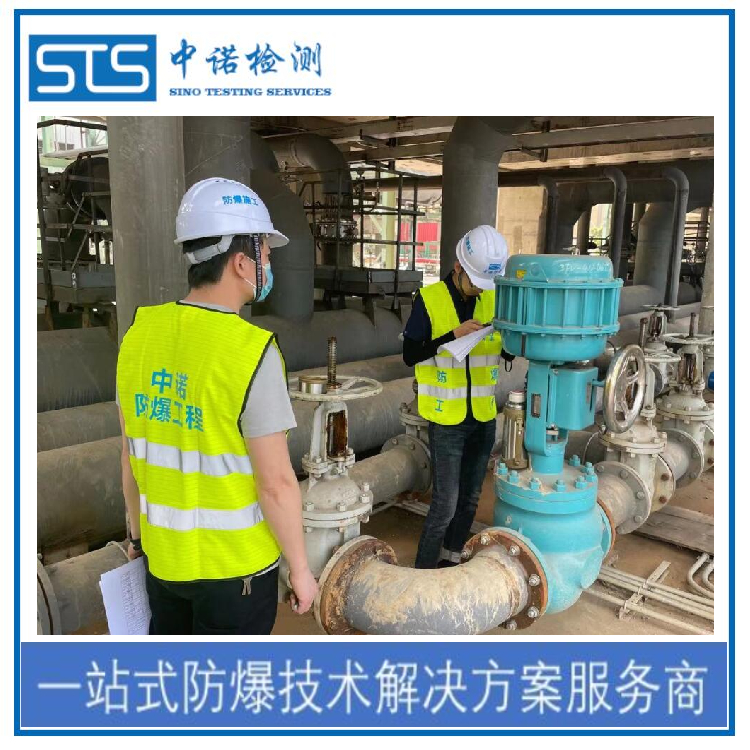
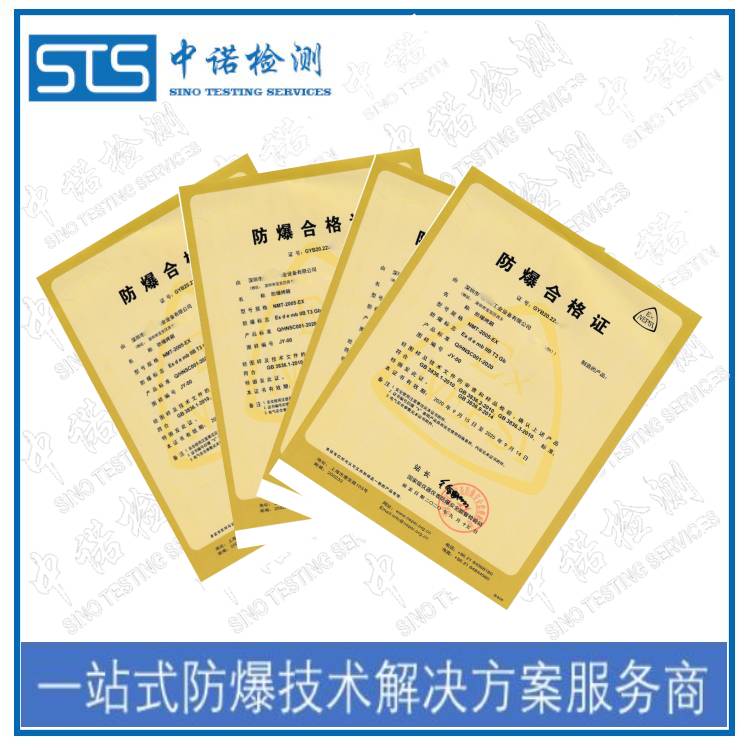
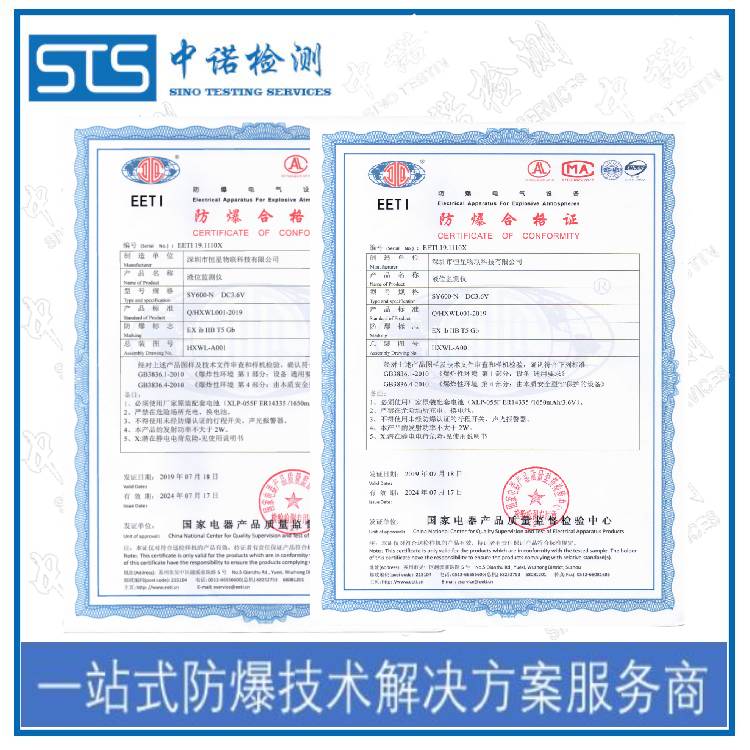
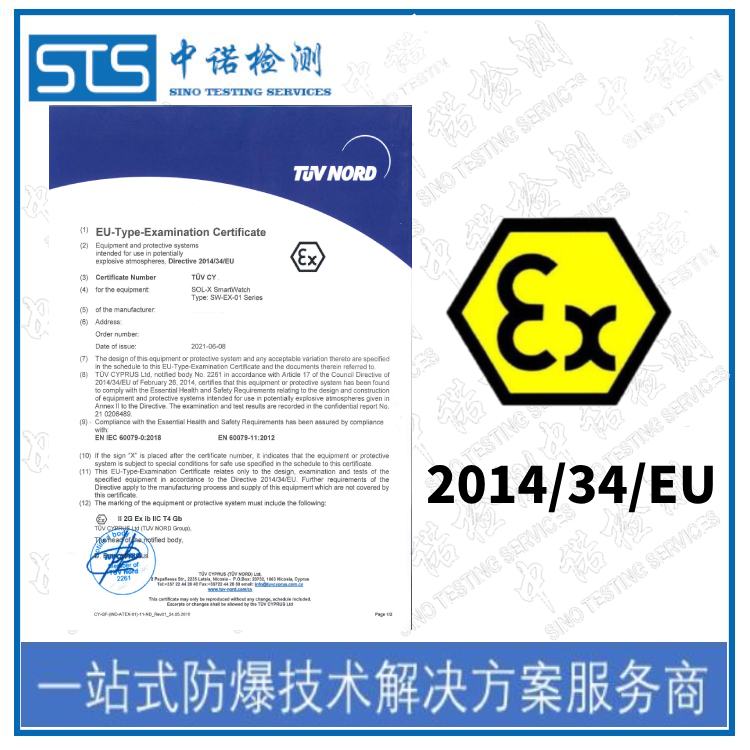
Shenzhen ZhongNuo Inspection & Testing Technology Co., Ltd. is based in South China and specializes in explosion-proof certification and coal mine safety certification application consulting services, offering a one-stop explosion-proof technology consulting service.
What are common misconceptions about explosion-proof certification?
1. The explosion-proof grade is not the higher, the better.
In relation to the explosion-proof grade, product structure, and installation and usage locations, choose the appropriate one. Of course, as long as the product structure meets the requirements, the higher the explosion-proof grade, the wider the range of applicability.
2. Explosion-proof ratings are not the same as protection ratings.
The protection grade is commonly referred to as the IP rating, which is different from the explosion-proof grade.
3. The lower the temperature combination, the safer it is, not necessarily the higher it gets.
Temperature combinations T6 (85°C), T5 (100°C), T4 (135°C), T3 (200°C), T2 (300°C), T1 (450°C) indicate the high surface temperatures achieved by the equipment under adverse conditions. In explosive hazardous areas, of course, the lower the high surface temperature of the equipment, the safer it is.
4. Gas explosion-proof certificates cannot be used in dust areas, and conversely, dust explosion-proof certificates cannot be used in gas areas.
5. It can also be used for a explosion-proof certification in coal mine underground.
Wrong. Electrical equipment used in coal mine underground requires coal safety certification, and the frequent agency is the Safety Standardization Center.
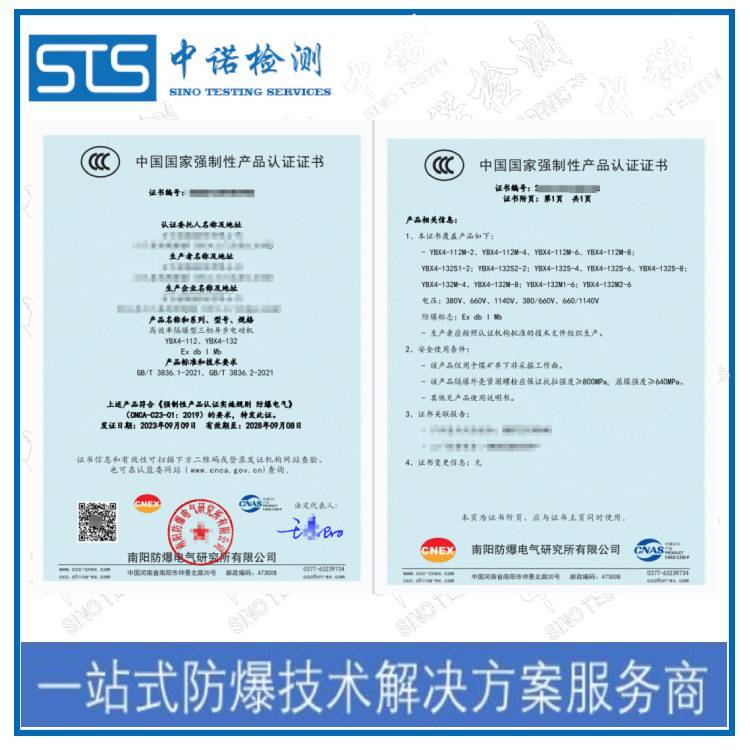
Explosion-proof certification is only applicable to locations where explosive gases and dust are used underground in non-coal mines. If the product is listed in the explosion-proof CCC catalog, it is required to undergo an explosion-proof 3C certification.
How to differentiate between Class II and Class III explosion-proof certificates?
Explosion-proof electrical equipment is categorized into different classes according to the application location, such as Class I, Class II, and Class III explosion-proof certificates, etc.
We refer to the I-Type explosion-proof certification as the certification for underground coal mine equipment, typically used in conjunction with the coal safety certificate for the equipment.
Class II explosion-proof certificate refers to the certification for explosion-proof equipment used in non-mining explosive gas environments, such as equipment used in petrochemicals, gas, oil depots, and similar locations.
Class III explosion-proof certificate refers to the certification for explosion-proof equipment used in non-mining explosive dust environments, such as equipment used in paint spraying, sanding, feed, food, and other facilities.
The distinction between the explosion-proof certificates of Class I, Class II, and Class III primarily lies in the different usage locations of the equipment.
The current domestic explosion-proof certification standards are mainly based on the GB/T3836 series. The original GB12476 (dust) and GB25286 (non-electrical) series standards have also been integrated into the GB/T3836.
The process for applying for an explosion-proof certification at Shenzhen Zhongnuo Testing Technology Co., Ltd.
1. Conduct product assessment and provide initial quotation for the requested items. Evaluate the product based on the company's product description, electrical schematics, and bill of materials, determine the suitable type of explosion-proof certification for the product, and offer an initial quotation.
2. Offer samples for testing in the lab; the quantity of samples required varies depending on the product category.
3. Provide documentation list review
Application documents, including applicant's information.
(2) Technical documents, including the submitted technical materials by the company, such as corporate standards or technical requirements, product drawings, user manuals, etc.
A. Company Standards/Technical Requirements: The company standards/technical requirements for products should be written in the prescribed format, including not only performance requirements but also relevant content regarding explosion-proof aspects: such as basic parameters, explosion-proof markings, environmental conditions of use, explosion-proof performance requirements, relevant tests for explosion-proof performance, and markings related to explosion-proof.
B. Product Drawings: When an enterprise applies for a explosion-proof certification for intrinsically safe electrical equipment, it should provide assembly drawings, circuit diagrams, printed circuit board diagrams, silk screen drawings, component material lists, and label diagrams, etc. For non-intrinsically safe electrical equipment, the technical documents submitted for inspection should include drawings that reflect the explosion-proof performance of the sample (including assembly drawings and component drawings). If the assembly drawing clearly indicates the explosion-proof parameters and structure of the product, only the assembly drawing needs to be submitted for inspection.
C. Instruction Manual - The instruction manual should include basic parameters, explosion-proof markings, product外形 diagram, installation, maintenance, order requirements, and clear instructions to the user regarding the precautions to ensure the product's explosion-proof performance during installation and use.
D. Other Documents: For products with adhesive bonding or casting, provide the型号 names, performance descriptions, and relevant process documents for the adhesives and casting agents. For plastic shell products, provide the material of the plastic and corresponding performance documents.
4. Certificate Issuance
Why choose tempered glass for explosion-proof transparent parts?
Transparent components are a crucial material for explosion-proof electrical equipment. When selecting transparent components, customers often inquire about the material to be used? Can glass be used? Can plastic be used?
Below, Shenzhen Zhongnuo Testing Technology Co., Ltd. explains it for everyone.
GB/T3836.1 explicitly stipulates the thermal shock test for transparent components, which aims to verify the thermal stability of glass under rapid cooling conditions. Currently, tempered glass is a material that not only meets this requirement but also offers high cost-performance.
普及 the fact that tempered glass, after being heated and cooled rapidly, forms a uniform layer on its surface.
The compressed stress layer counteracts the tensile stress generated on the surface during rapid cooling. Therefore, even when subjected to stress from rapid cooling, qualified tempered glass will have a compressive stress layer to offset its effects.
Explosion-proof Certification Application Consulting Service - Shenzhen Zhongnuo Testing Technology Co., Ltd.
WeChat Official Account

Scan to follow Official Account