


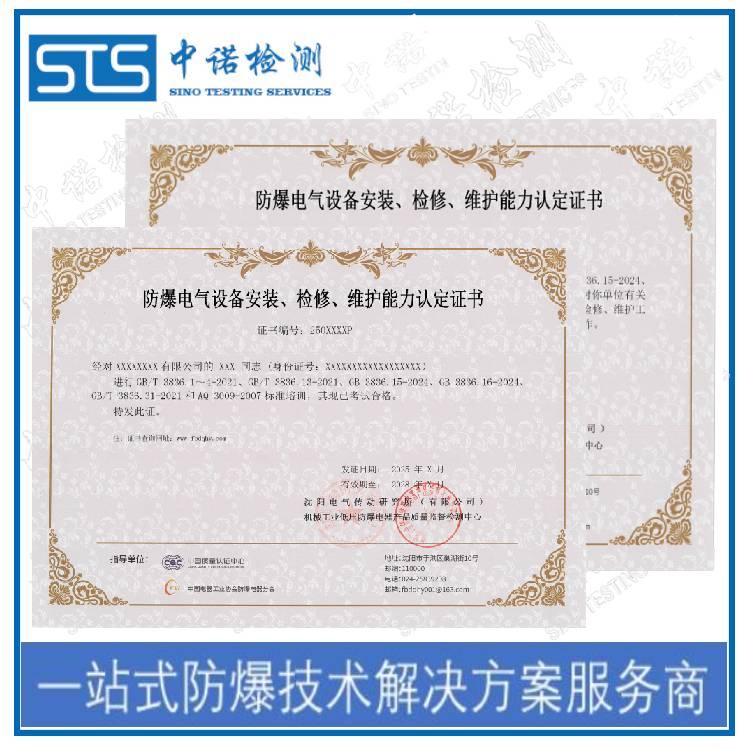
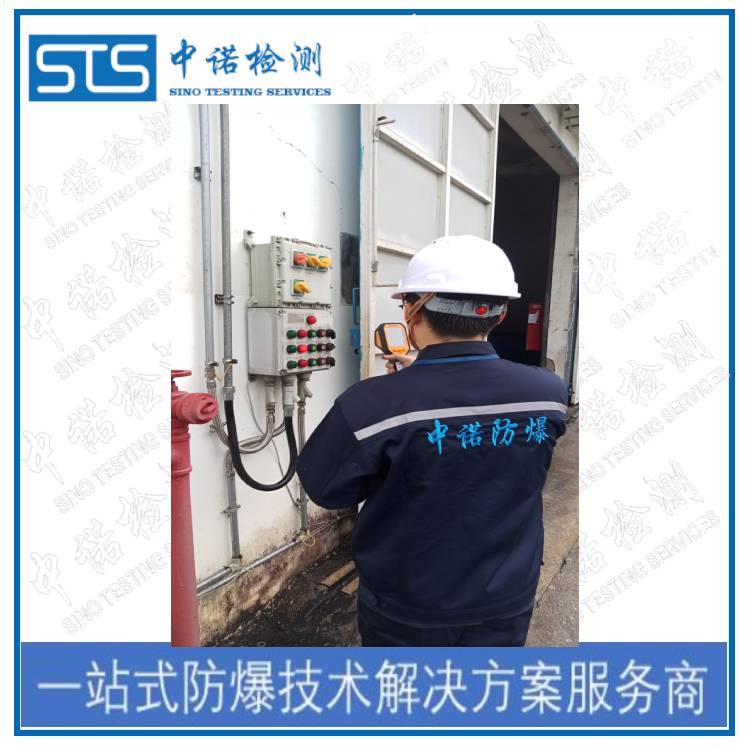
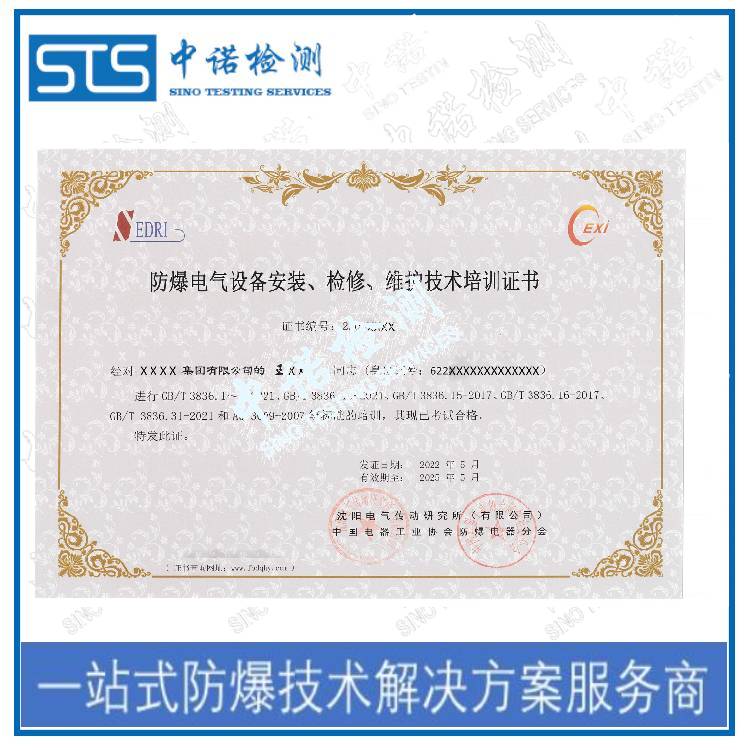
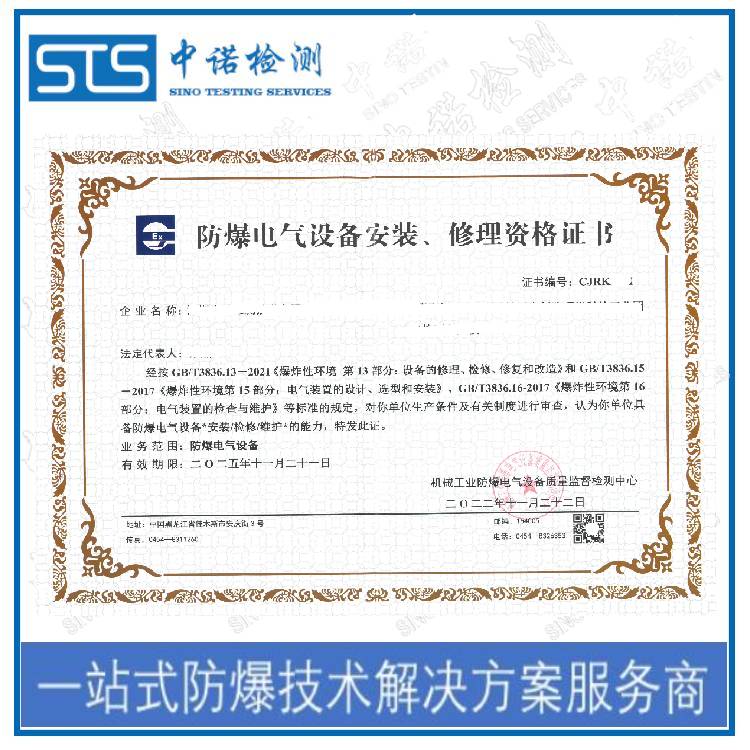
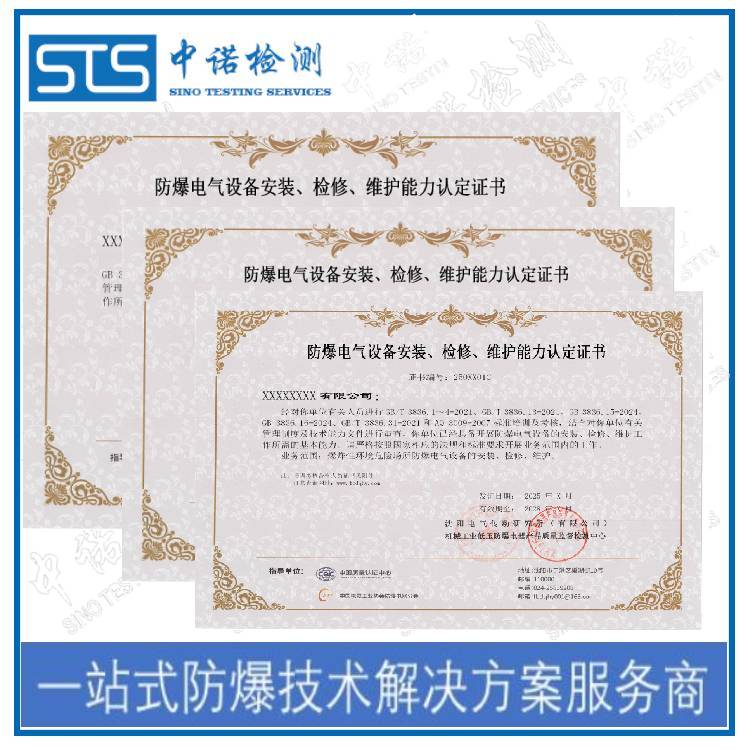





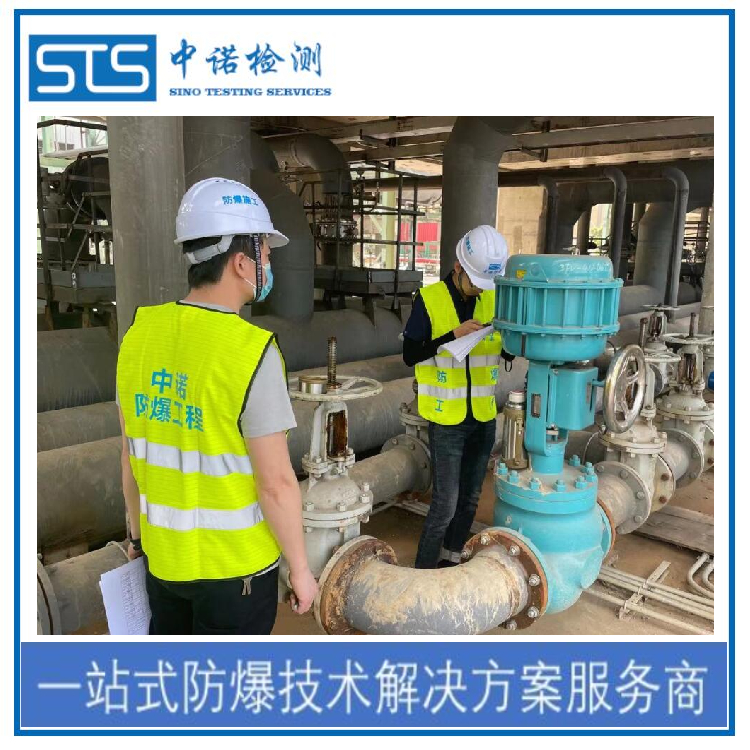
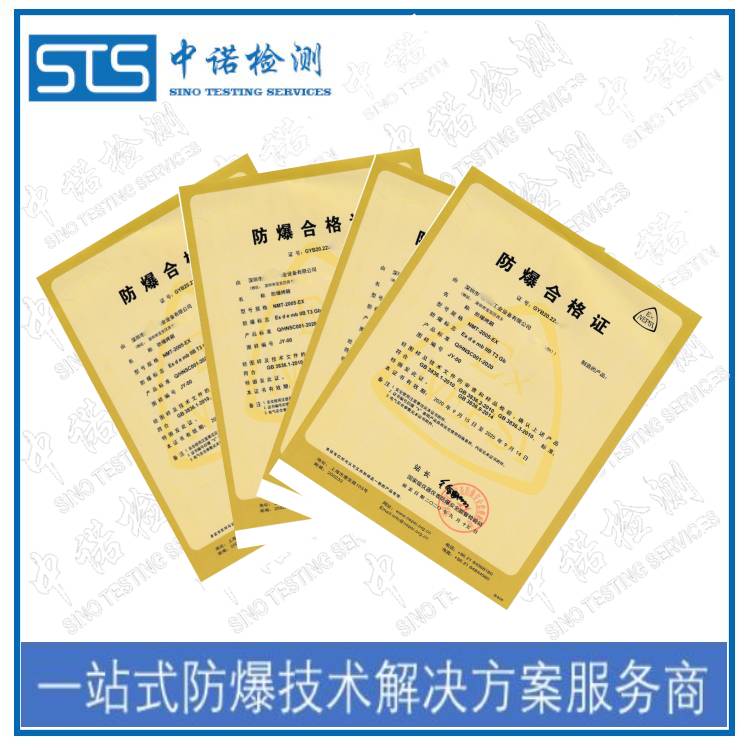
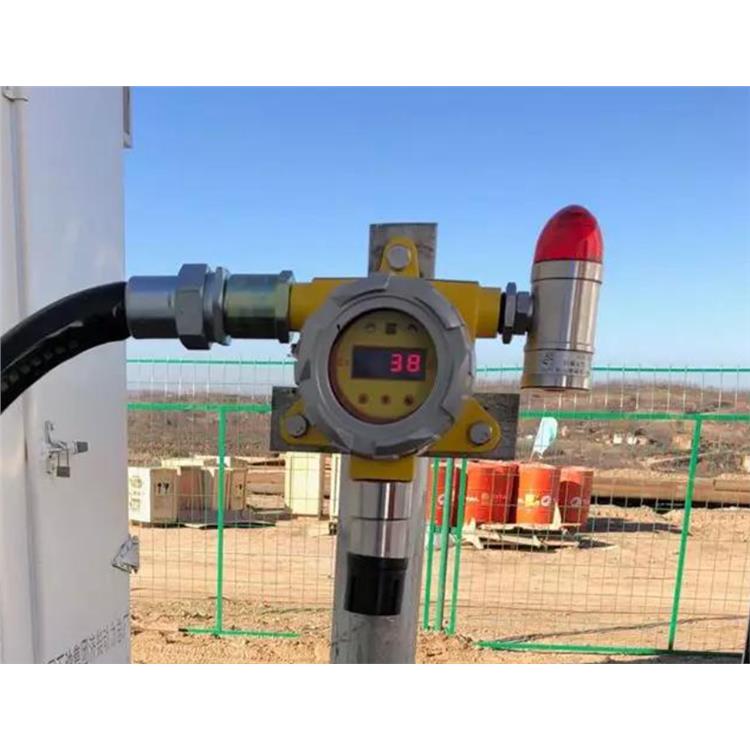
Shenzhen ZhongNuo Testing Technology Co., Ltd. is based in South China and specializes in explosion-proof certification and coal safety certification application consulting services, offering a one-stop explosion-proof technology consulting service.
What are the requirements for applying for the Coal Safety Certification and Mine Safety Certification?
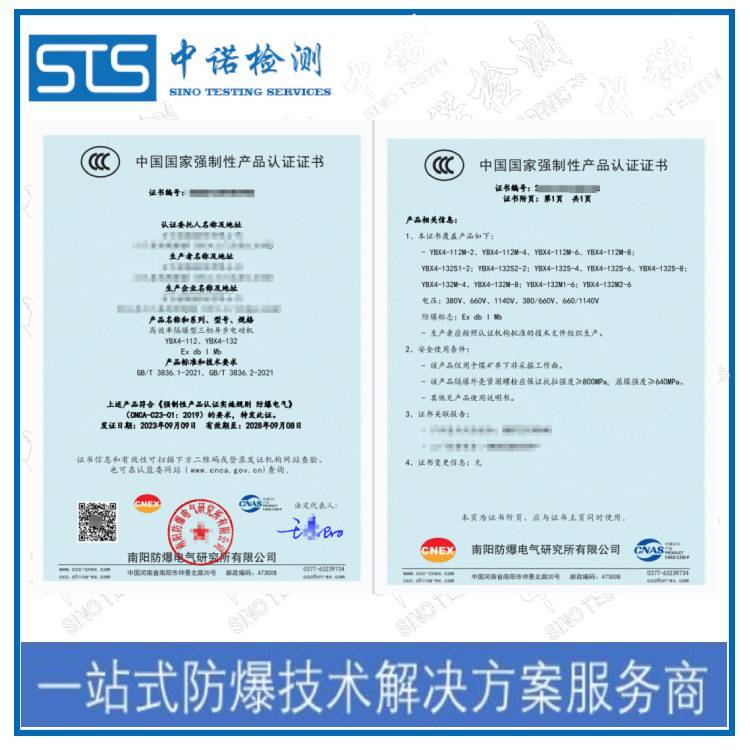
Coal Mine Safety Certification and Mine Safety Certification are mandatory certifications for mining products and equipment.
Coal safety certification is for equipment used in coal mines, while mine safety certification is for non-coal mine equipment.
All applications, reviews, and certifications are processed through the ANSI Center.
Certificates are valid for 5 years and must undergo annual supervision and review.
Applying for Coal Safety Certification and Mine Safety Certification both require product testing and factory inspections.
Applicants must possess design and development capabilities, provide complete product design drawings, and have their own manufacturing facility.
Some products can also apply for Coal Mine Safety and Mine Safety certifications through the OEM process.
If dealers or users, among others, do not meet these requirements, they are not eligible to apply for the Coal Safety and Mine Safety Certification.
Shenzhen Zhongnuo Inspection, as a coal safety and mine safety certification body, is well-versed in the standards and requirements.
A dedicated team of engineers and factory audit services.
We offer services including online application, product design and modification, drawing and documentation revision, and factory audits.
Facilitate businesses in obtaining coal safety and mine safety certifications smoothly.
Our successful case studies include light boxes, remote controls, fiber optic temperature measuring devices, sensors, air compressors, mobile phones, thermal imaging cameras, and inspection robots.
If you have a need for this, feel free to DM us anytime for further discussion!
Limitation requirements for surface resistance of non-metallic外壳of explosion-proof equipment
In hazardous areas with explosive dust or gases/vapors, such as coal powder, flour, etc., static electricity may cause fires or explosions, posing significant risks. Therefore, it is advisable to minimize the use of insulating materials in explosive hazardous areas. When selecting electrical insulating materials, consider maintaining low insulation resistance to prevent discharge when non-metallic components come into contact with charged parts. For non-metallic insulating materials, the antistatic capability of the equipment can be assessed by measuring the surface resistance of the equipment's housing.
Surface Resistance, measured in ohms (Ω), refers to the resistance between two electrical contacts on the measuring surface.
In accordance with the requirements of the IEC 60079 series standards:
1. In Category II explosive gas environments, when the surface area of the non-metallic housing of electrical equipment exceeds a certain limit value (as shown in Table 1), a surface resistance test must be conducted on the non-metallic material to ensure that: by selecting the material, the surface resistance meets at least one of the following requirements when measured according to IEC 60079-0 26.13:
At ≤1 GΩ, (505)% relative humidity;
At ≤100 GΩ, (305)% relative humidity.
2. In environments with Class III explosive dust, if the surface area of the non-metallic housing of electrical equipment does not exceed 500 mm², the risk of static electricity can be disregarded; if it exceeds this limit, surface resistance testing is required for verification. The criteria for assessment are the same as those for the surface resistance test limits in Class II gas environments. For fixed-installed equipment that cannot meet the surface resistance limits, an "X" can be added after the "Explosion-proof" sign, a corresponding warning sign should be placed on the equipment, and users should be informed in the user manual.
Explosion-proof Certification Categories -- Shenzhen ZhongNuo Testing Technology Co., Ltd.
Blast-proof certification is the process of determining if equipment meets the requirements of explosion-proof standards, type testing, and routine tests, and issuing the relevant qualification certificates.
Certificates are available for Ex equipment or Ex components.
Different regions have varying certification standards and systems for explosion-proof electrical products.
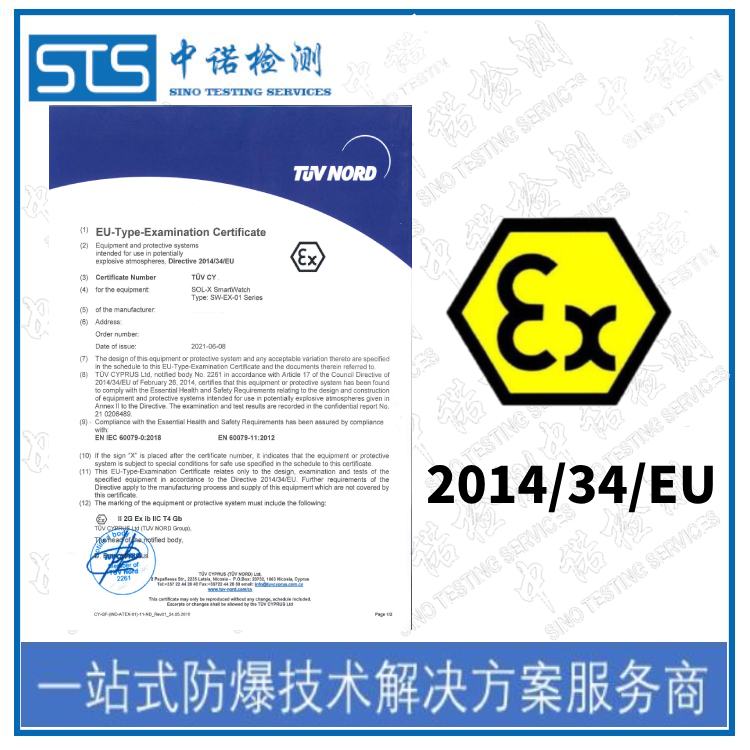
Currently, explosion-proof certifications worldwide can be categorized into domestic explosion-proof certifications, ATEX certifications, IECEx certifications, and North American explosion-proof certifications.
Domestic explosion-proof certification
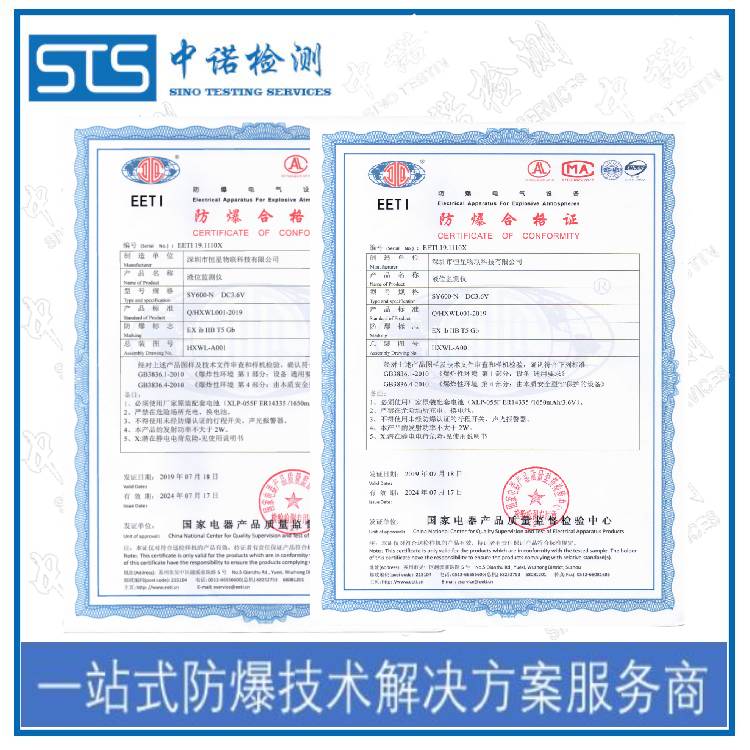
Domestic explosion-proof certification is a compliance inspection for explosion-proof products used in explosive environments, including both electrical and non-electrical products.
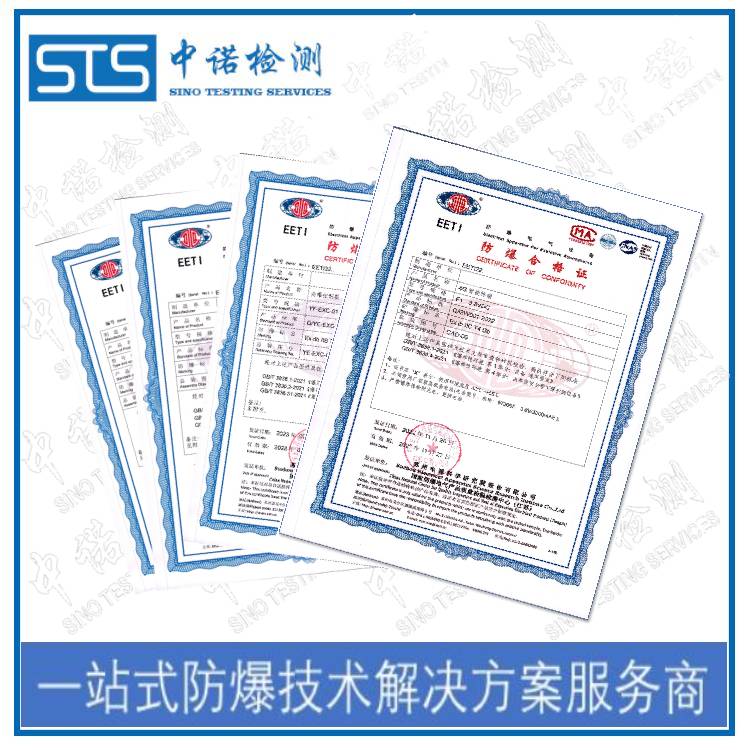
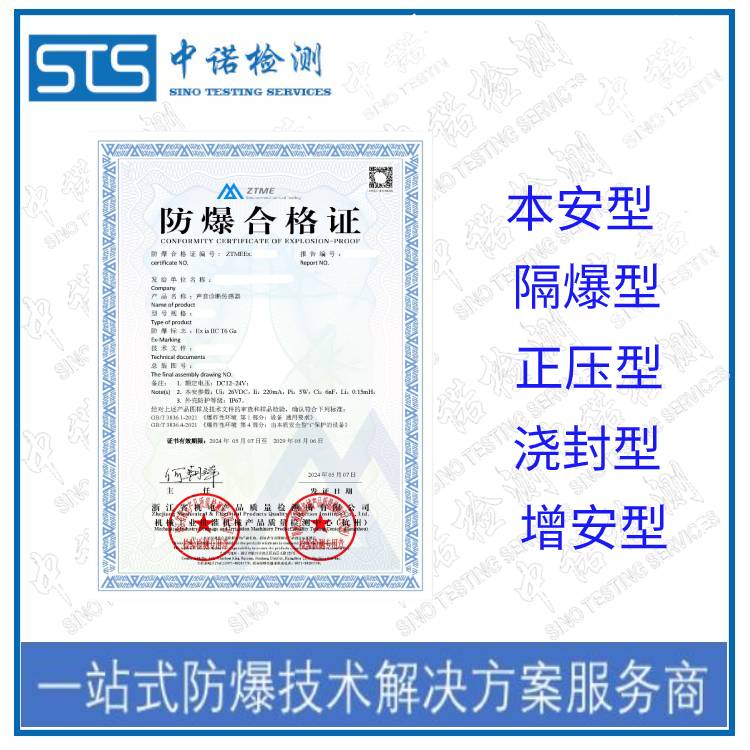
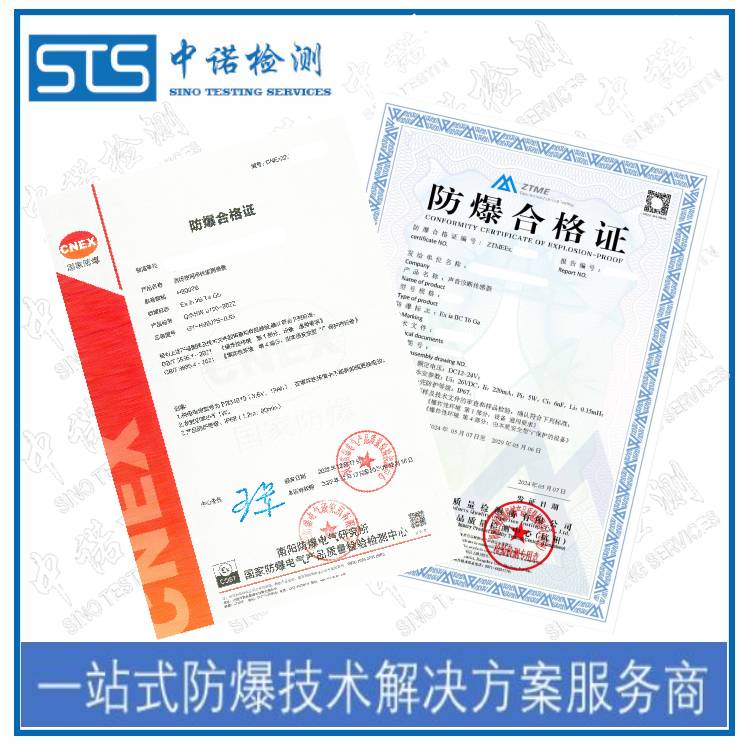
Issue explosion-proof certificates for products that meet the GB/T3836 standard.
The domestic explosion-proof certification standards are essentially equivalent to the international IEC 60079 standard system.
Explosion-proof Certification Application Consultation Services - Shenzhen ZhongNuo Testing Technology Co., Ltd.
WeChat Official Account

Scan to follow Official Account