


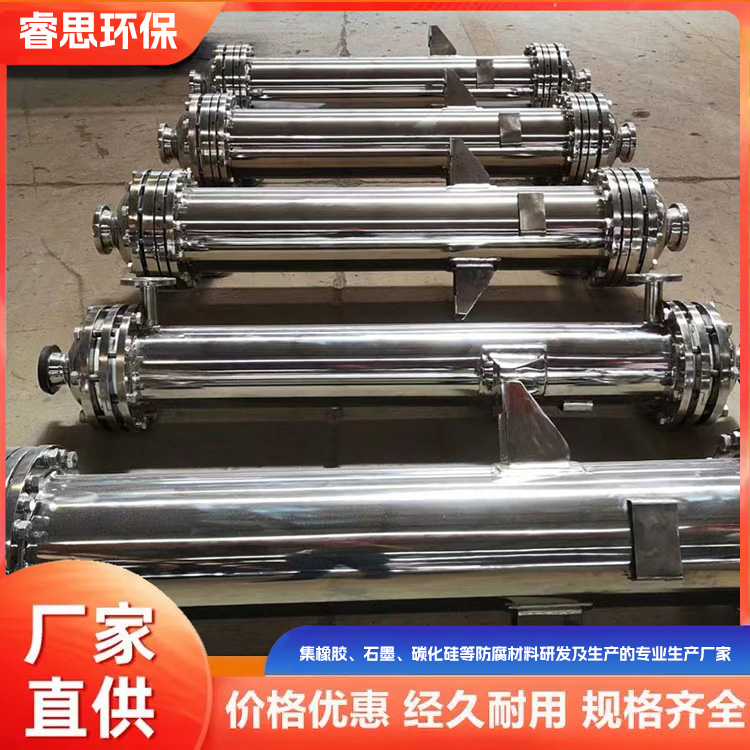
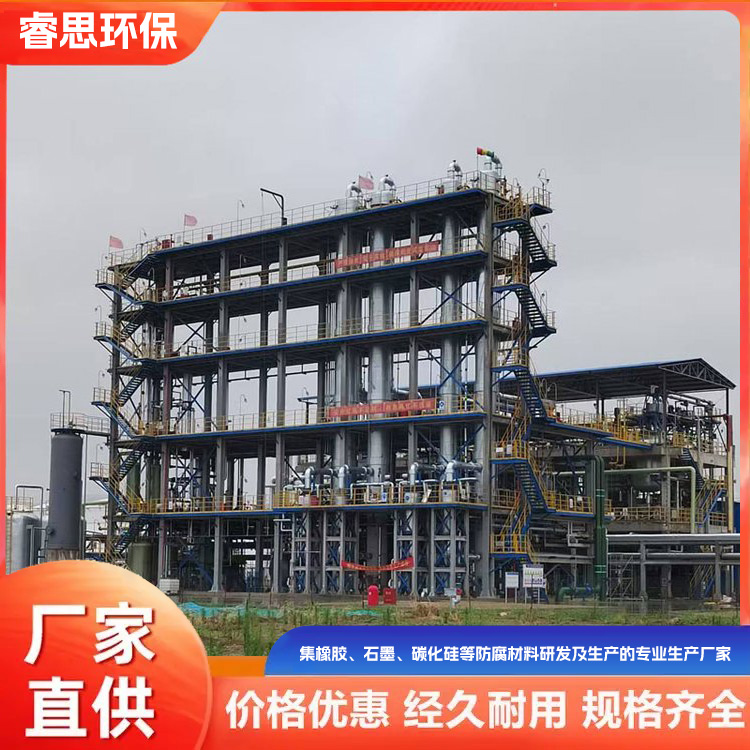
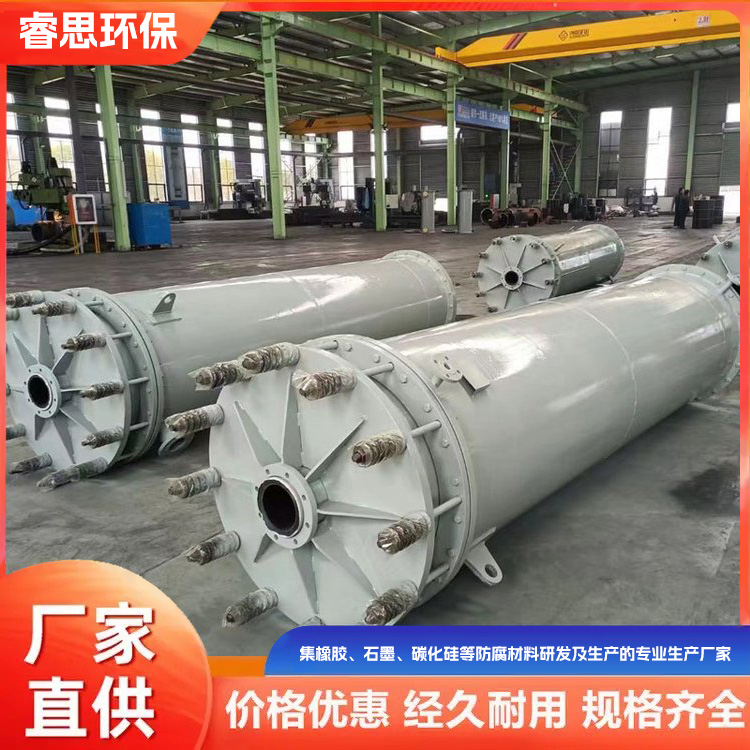
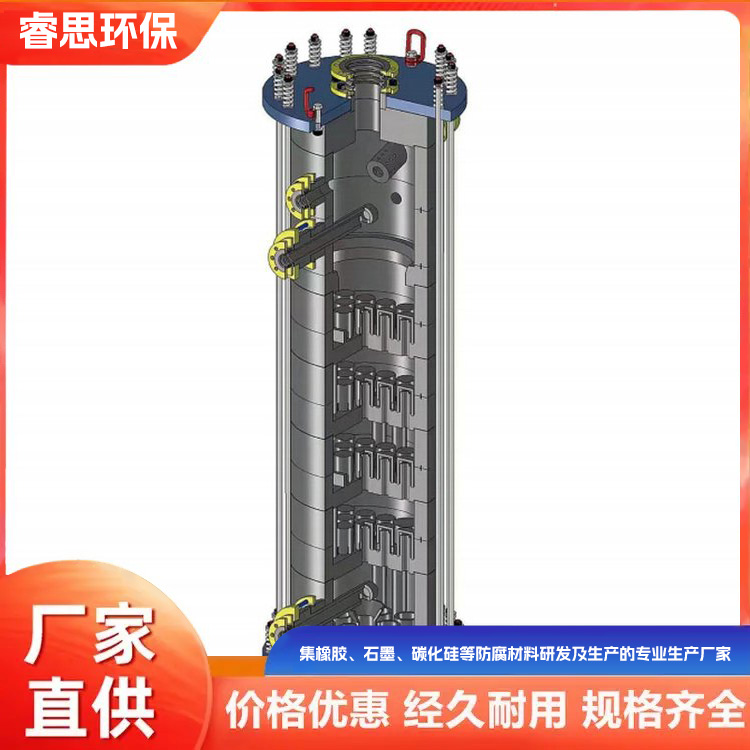






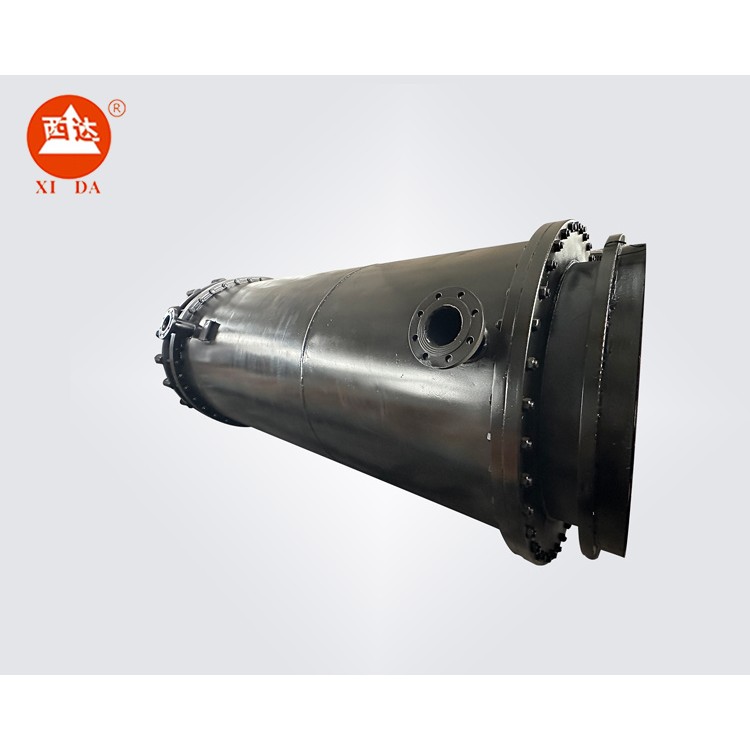
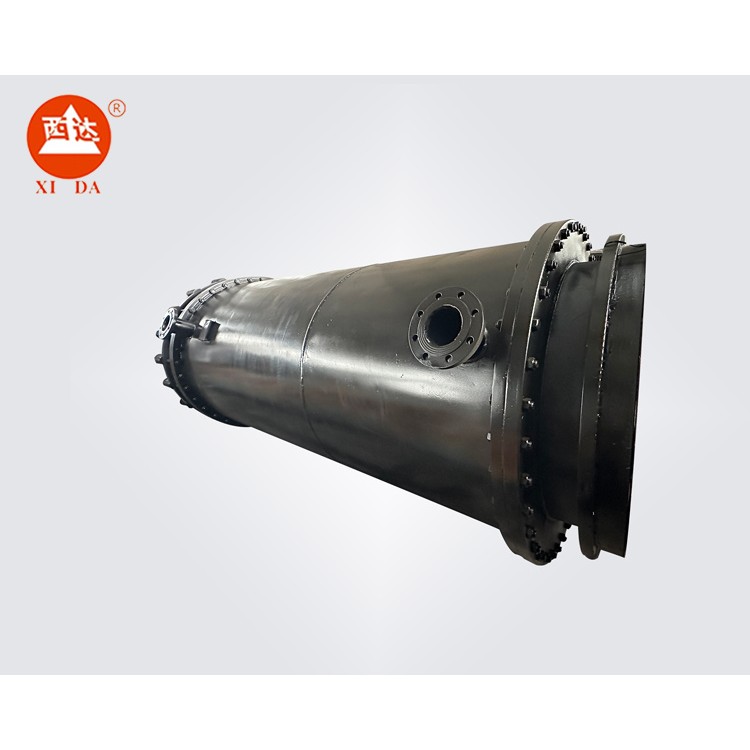
I. Product Introduction
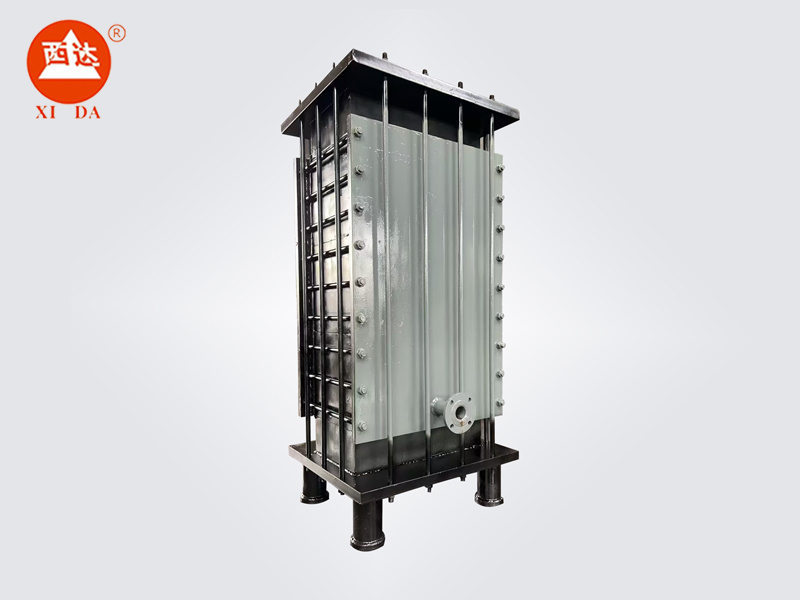
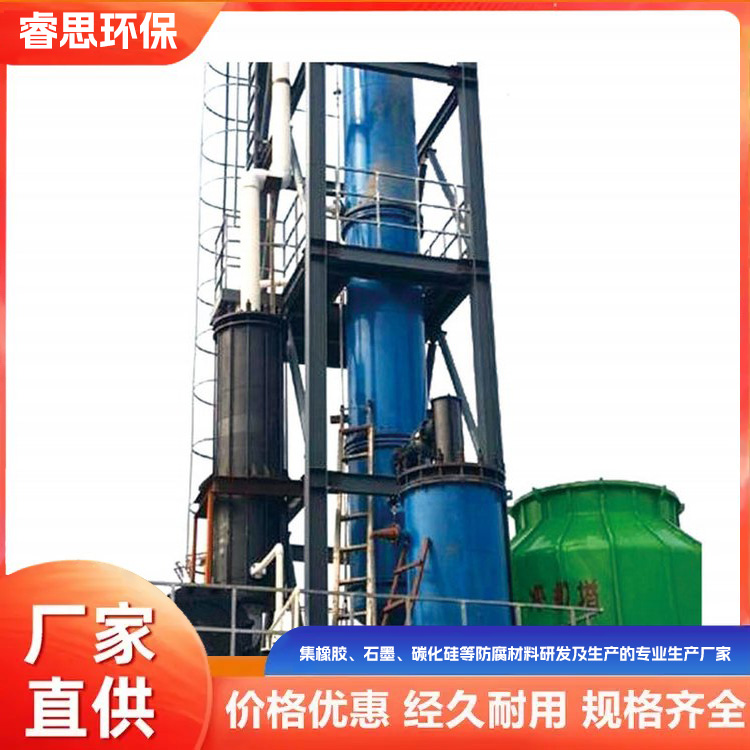
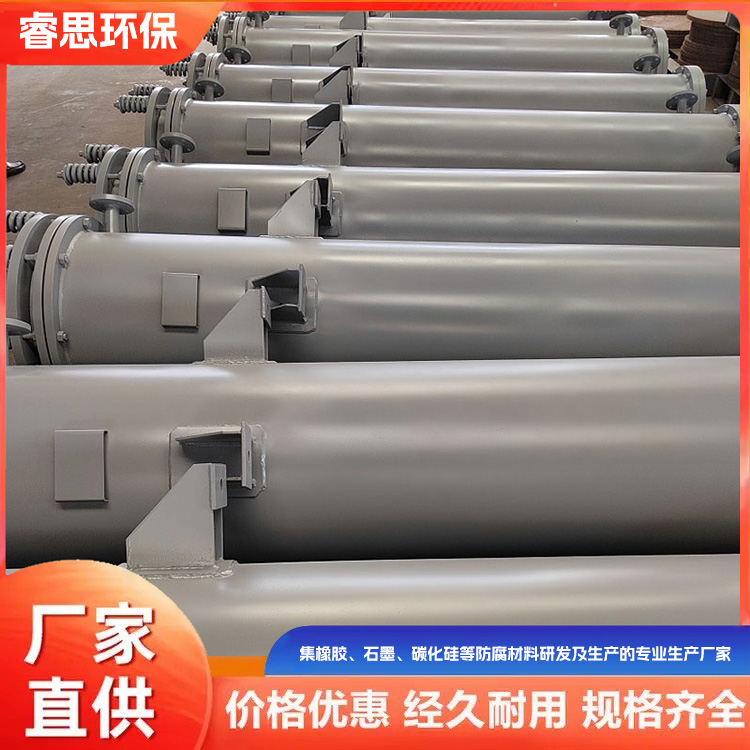
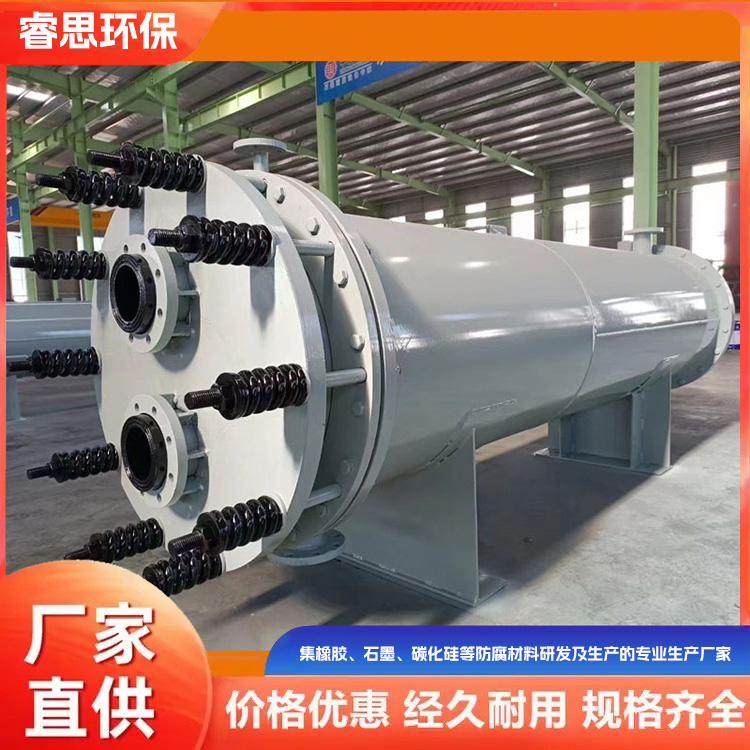
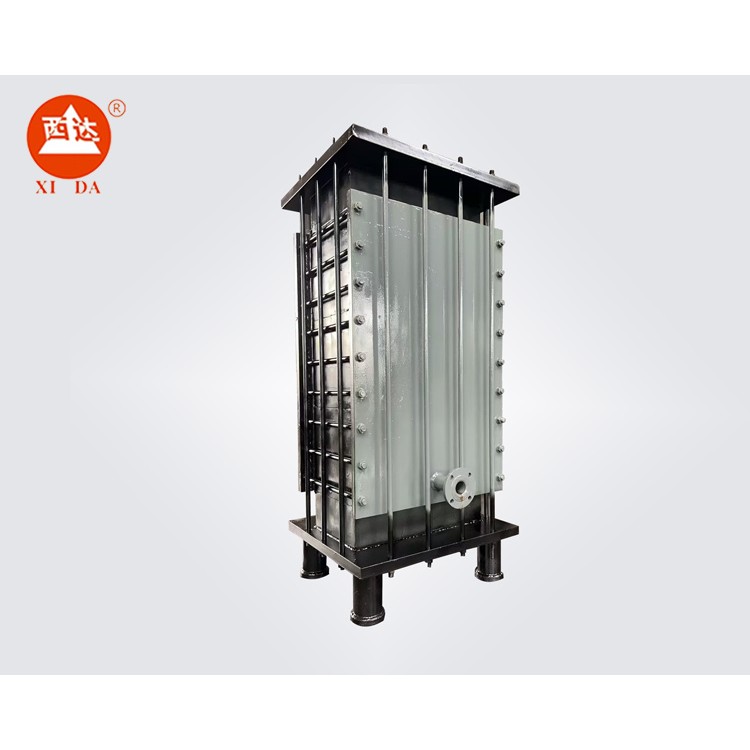
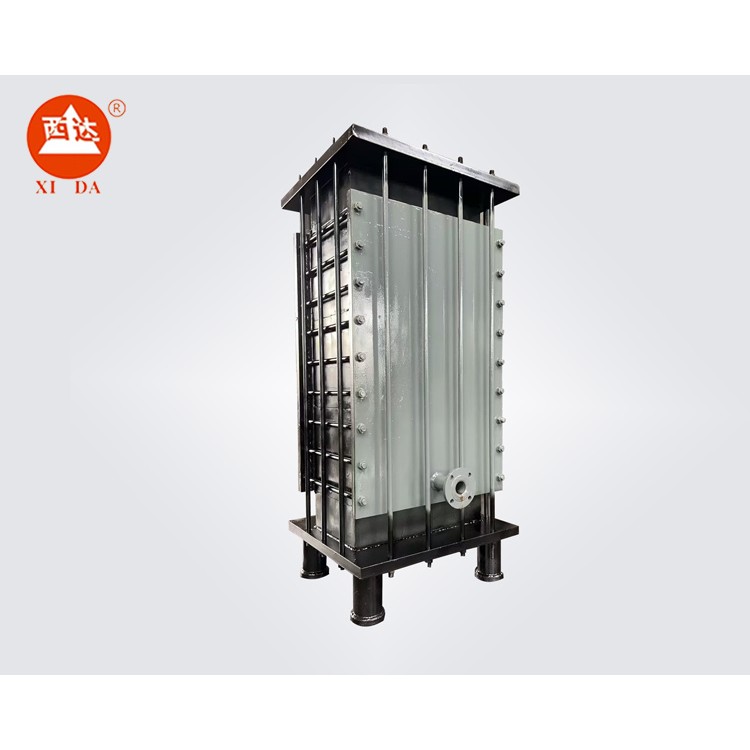
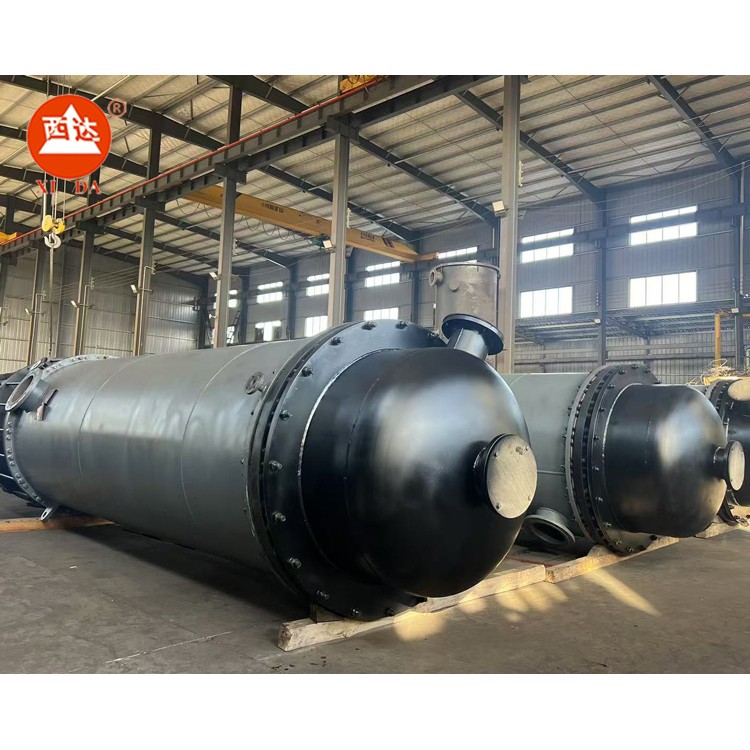
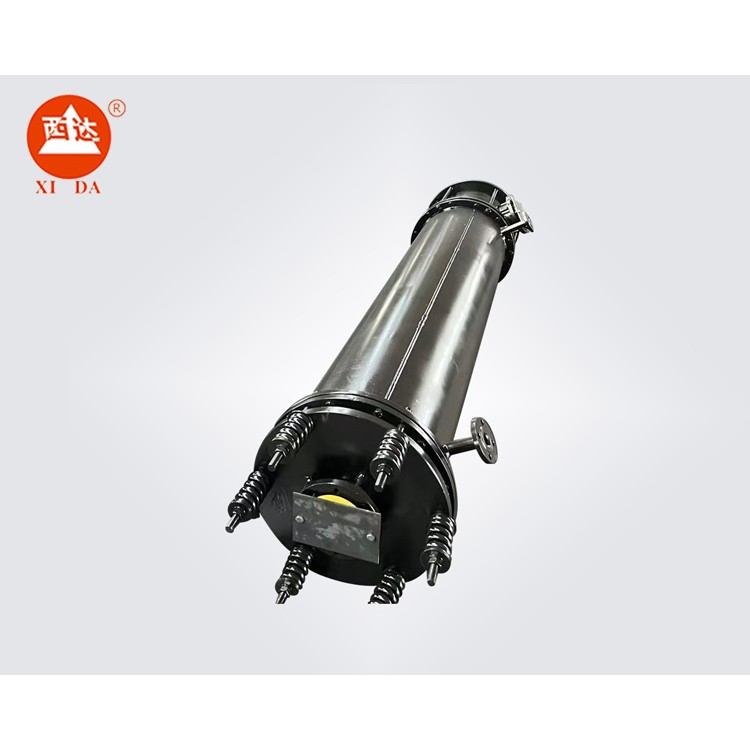
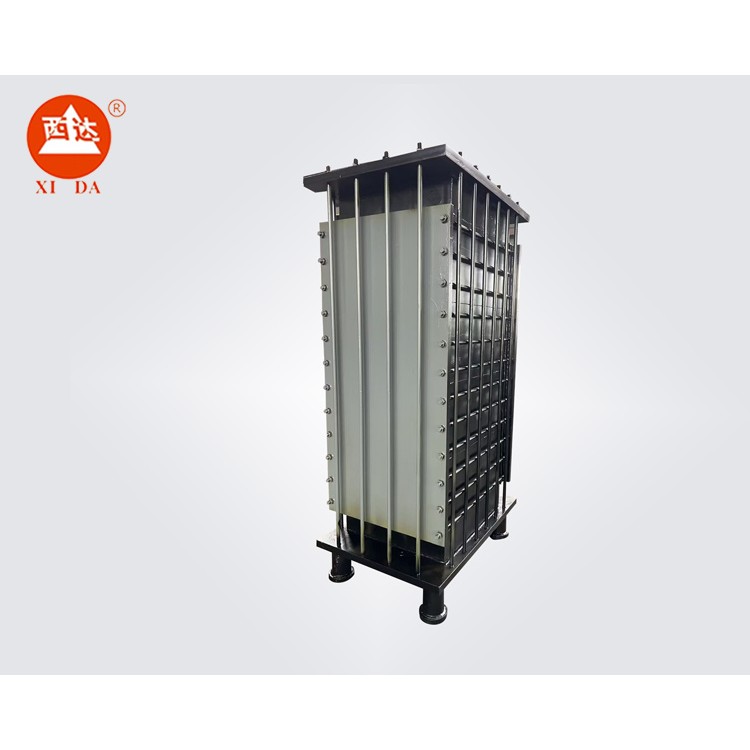
The Jumbo Block Hole Graphite Cooler is an effective and corrosion-resistant heat exchange equipment, widely used in chemical, metallurgical, petrochemical, power, and environmental protection industries. It is primarily used for cooling high-temperature, highly corrosive gases or liquids, featuring strong corrosion and high-temperature resistance. The equipment employs a Jumbo Block Hole structural design, significantly enhancing the heat exchange efficiency and enabling effective cooling and recovery of heat energy from waste or high-temperature gases.
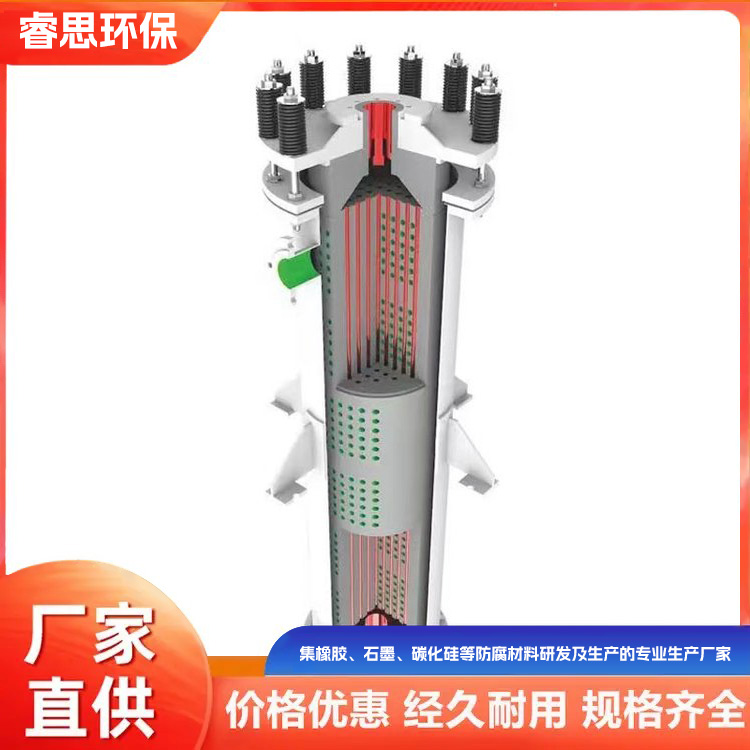
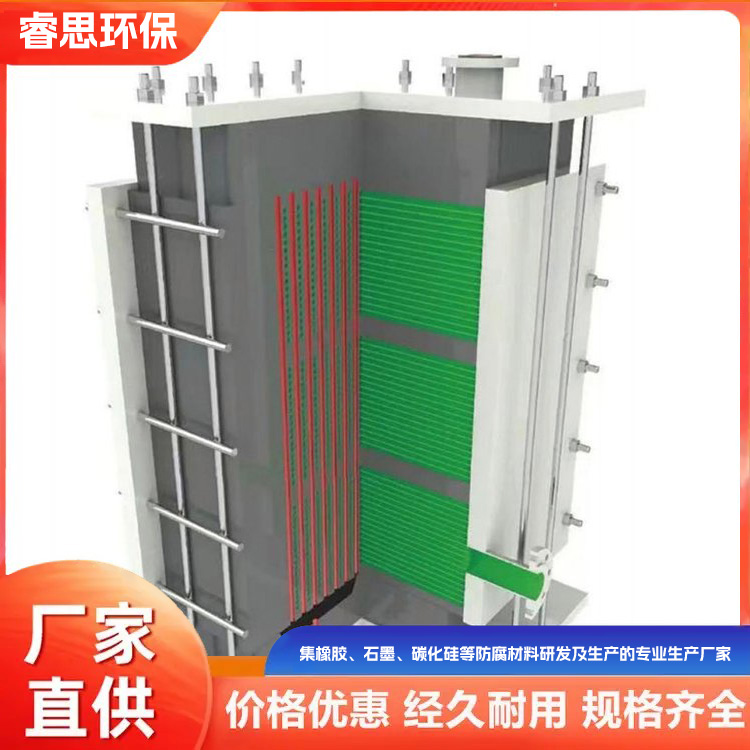
The core principle of the Jumbo Block Hole Graphite Cooler is to effectively transfer heat from waste gases or liquids to the cooling medium (such as water or coolant) by utilizing the high thermal conductivity of graphite material, thereby lowering the temperature of the gas or liquid. Inside the cooler, the gas or liquid undergoes heat exchange through graphite cooling pipes or plates. The graphite cooling components feature a Jumbo Block Hole design, which significantly increases the heat exchange area, optimizes the flow path of the gas or liquid, and enhances the efficiency of heat exchange. When the gas temperature drops below the dew point, part of the gas condenses into liquid, which is then drained out through the drainage system. The cooled gas or liquid is then discharged through exhaust pipes or reused.
The main advantages of the large block hole graphite cooler include strong corrosion resistance, high-temperature resistance, high heat exchange efficiency, and stable structure, enabling long-term stable operation under harsh operating conditions. Due to its high corrosion resistance against corrosive gases like strong acids and alkalis, graphite is an ideal choice for treating corrosive exhaust gases or liquids. Moreover, the design of the large block hole structure increases the heat exchange area of the cooler, significantly enhancing its cooling efficiency.
Features of the Large Block Hole Graphite Cooler:
High corrosion resistance: Graphite material can withstand most corrosive gases, such as acidic gases, and is suitable for cooling exhaust gases produced during various chemical reactions.
High Temperature Resistance: Graphite boasts excellent thermal resistance, suitable for cooling high-temperature gases or liquids, and can withstand high-temperature working environments.
Effective Heat Exchange: The unique block hole structure design greatly increases the heat exchange area, significantly enhancing the heat exchange efficiency.
Strong stability: The anti-aging and wear-resistant properties of the graphite material ensure that the cooler maintains effective stability during long-term operation.
Energy-saving and environmentally friendly: Effective cooling enhances energy efficiency while reducing harmful emissions, contributing to environmental protection.
Jumbo block hole graphite coolers are widely used in gas cooling, waste gas recovery, and other related fields in chemical industry production. Particularly in special working conditions requiring high temperature resistance and corrosion resistance, they provide a reliable cooling solution.
Section II: Common Questions
How does the block hole graphite cooler work? The working principle of the block hole graphite cooler is to transfer heat from gases or liquids to the cooling medium (such as water or coolant) through the thermal conductivity of the graphite material. Gases or liquids flow through the graphite pipes or cooling plates within the cooler, with heat transferred to the coolant through the graphite material, thereby lowering the temperature of the gases or liquids. During the cooling process, some gases will condense into liquids at lower temperatures, and the condensate is then排出 through the exhaust system. The cooled gases or liquids are then emitted or used for other processes.
What gases or liquids are suitable for cooling with a large block hole graphite cooler? The large block hole graphite cooler is particularly suitable for cooling processes involving high-temperature, highly corrosive gases and liquids. Common applications include:
Cooling of acidic or corrosive gases.
Heat waste treatment in chemical reactions.
Cooling of high-temperature liquids or heat recovery of cooling mediums.
Condensation of high-temperature flue gas, metallurgical waste gas, and other industrial waste gases.
What are the advantages of the megasonic block hole graphite cooler? The main advantages of the megasonic block hole graphite cooler include:
Corrosion Resistance: Graphite boasts excellent corrosion resistance, making it suitable for use in environments with corrosive gases or liquids such as strong acids and alkalis.
High-temperature resistance: Graphite materials maintain stable properties at high temperatures, suitable for handling high-temperature gases and liquids.
Effective Heat Exchange: The large block hole design offers a greater heat exchange area, thereby enhancing heat exchange efficiency and reducing cooling time.
Stability and Durability: Graphite's resistance to wear and aging ensures long-term reliable operation of the equipment.
Energy-saving and Environmental Protection: By enhancing heat exchange efficiency and reducing energy consumption, it contributes to energy conservation and environmental pollution reduction.
How to enhance the cooling efficiency of a megablok hole-type graphite cooler? Enhancing the cooling efficiency of a megablok hole-type graphite cooler can be achieved through the following methods:
Increase coolant flow: Increasing coolant flow enhances heat exchange efficiency.
Optimize gas or liquid flow rate: Adjust the flow rate of gas or liquid appropriately to enhance contact with the coolant, thereby increasing the heat exchange area.
Optimize Chiller Design: Increasing the number of graphite condenser tubes or cooling plates and enhancing their structural design can further improve the cooling efficiency.
Select the appropriate cooling medium: Choose a suitable coolant based on the properties of the gas or liquid to optimize heat exchange performance.
What are the maintenance and care points for a megablok hole-type graphite cooler? Proper maintenance and care of the megablok hole-type graphite cooler are crucial for ensuring its long-term stable operation. Pay attention to the following aspects in daily maintenance:
Regularly inspect graphite cooling pipes and plates: Ensure there are no cracks, blockages, or wear to avoid affecting cooling efficiency.
Check the coolant flow and temperature: Ensure the coolant is flowing freely and stays within the appropriate temperature range, to avoid insufficient coolant or overheating.
Clean the interior of the cooler: Regularly clean the deposits, dirt, and scale inside the cooler to avoid reducing the heat exchange efficiency.
Inspect coolant quality: Regularly replace or clean coolant to prevent corrosion of graphite materials or impact on heat exchange efficiency.
How long does the service life of a massive block hole graphite cooler last? Under normal use and proper maintenance, the service life of a massive block hole graphite cooler typically exceeds 10 years. The graphite material has strong aging and corrosion resistance, allowing for long-term stable operation under harsh conditions. The specific lifespan is affected by factors such as the gas composition, operating temperature, quality of the coolant, and maintenance conditions.
How to choose the appropriate block hole graphite cooler? When selecting a block hole graphite cooler, consider the following factors:
Type and temperature of gas or liquid: Select the appropriate equipment based on the type and temperature of the medium being processed.
Cooling Requirements: Select an appropriate cooler specification based on the required cooling capacity and effect.
Work Environment: Consider factors such as corrosiveness of gases and temperature to ensure the equipment is adaptable to the specific working environment.
Maintenance Requirements: Select equipment that is easy to maintain, clean, and replace parts to ensure long-term stable operation.