







PP Lab Bench Introduction
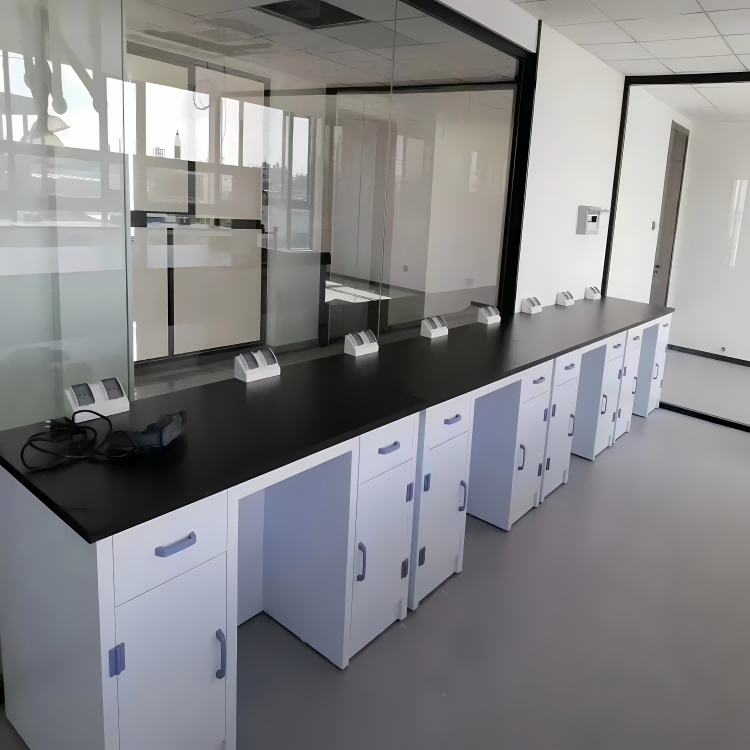
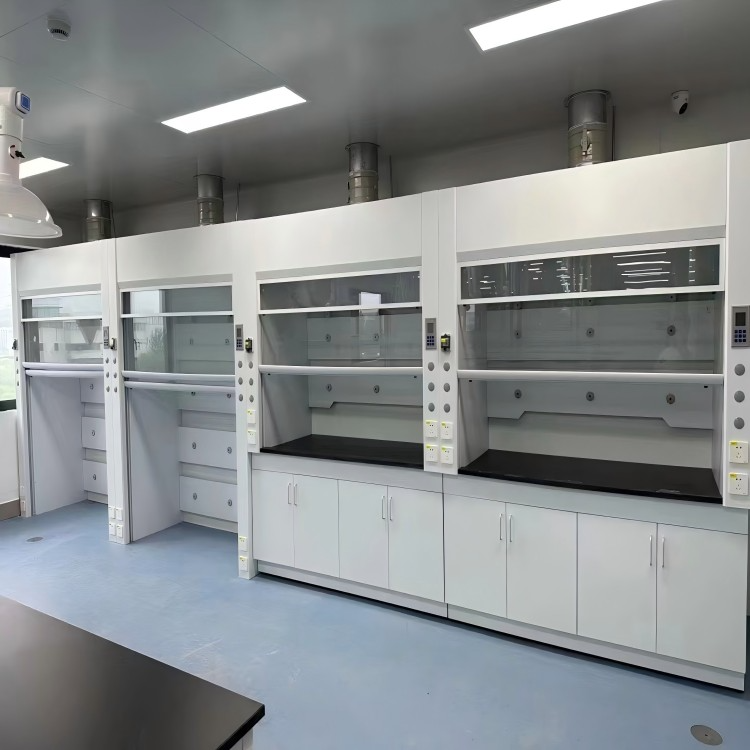
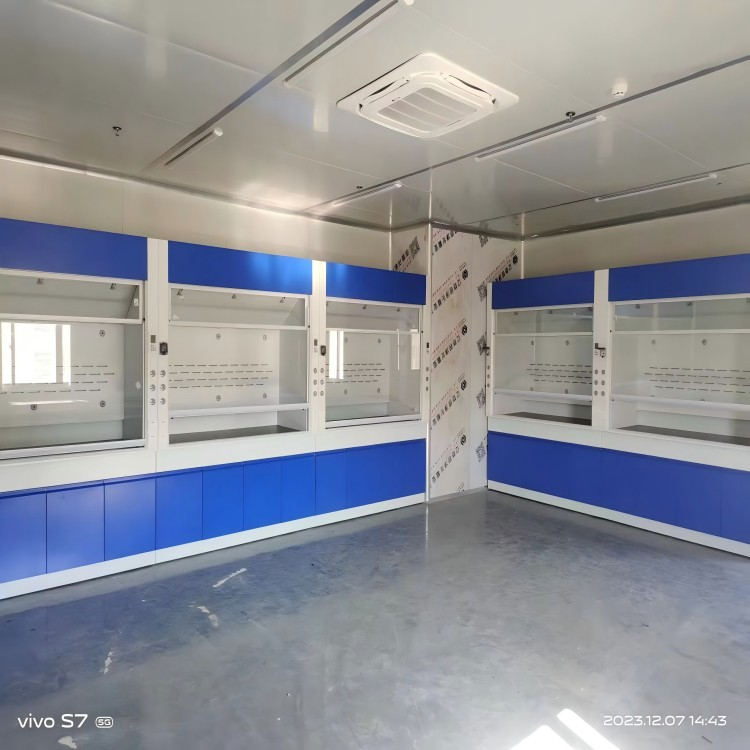
The PP Lab Bench is a laboratory table made from PP material. Its main structural features include the following components:
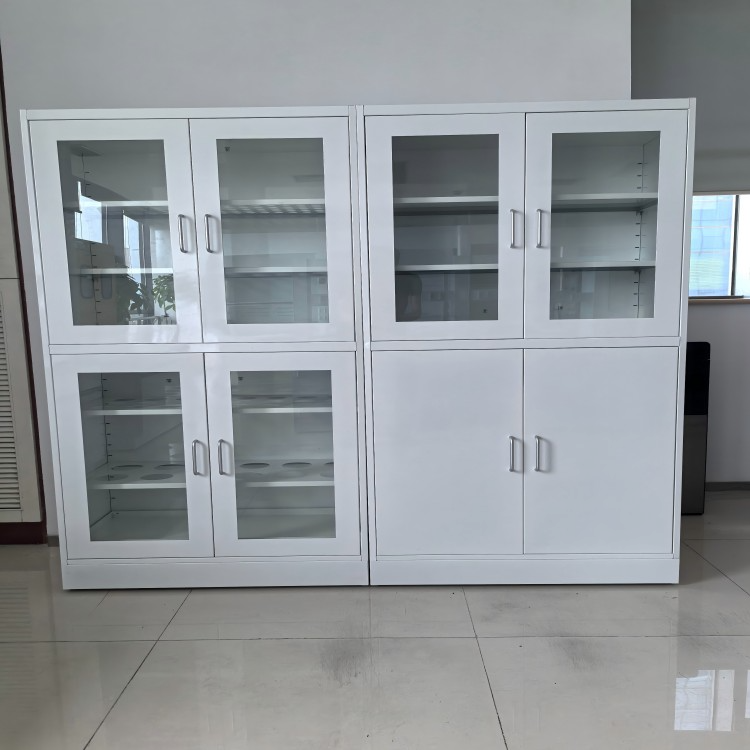
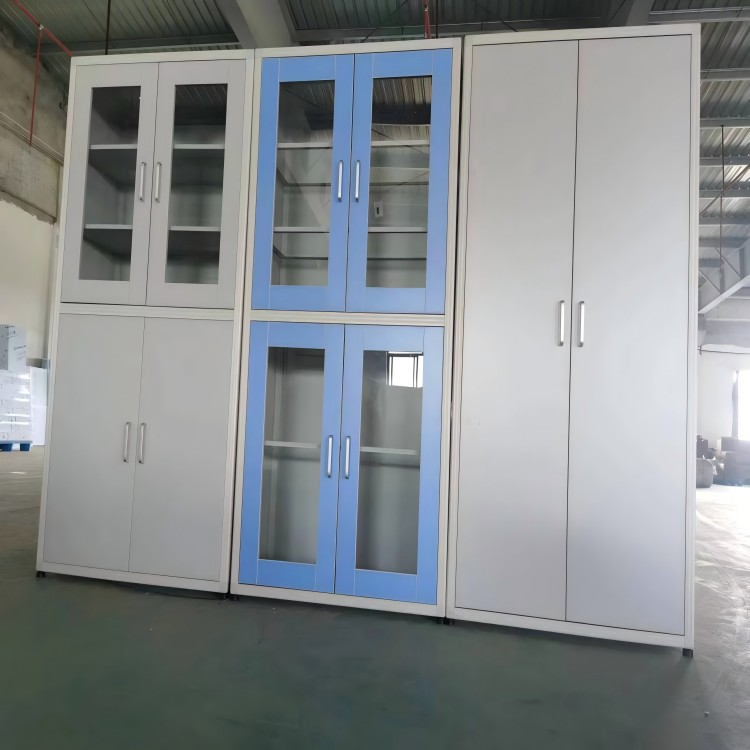
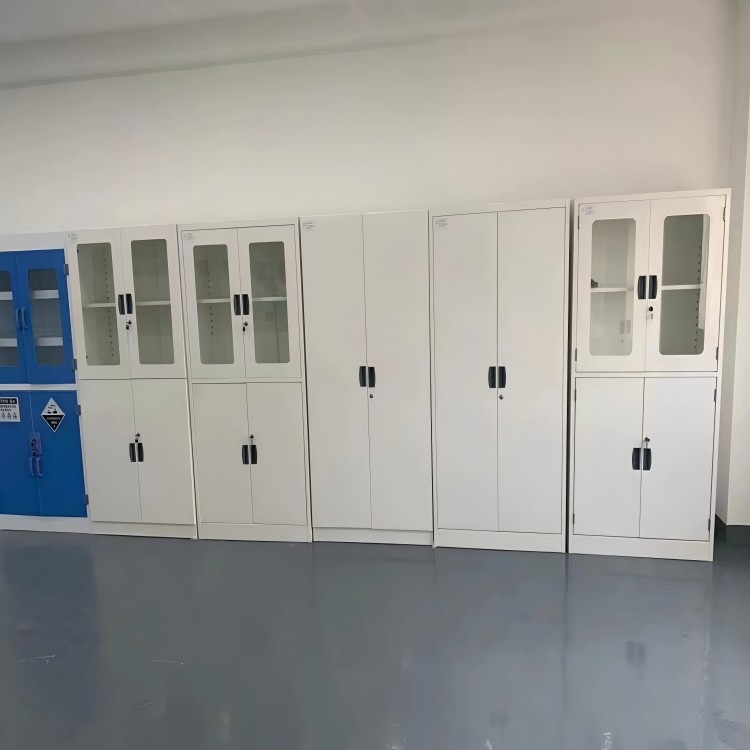
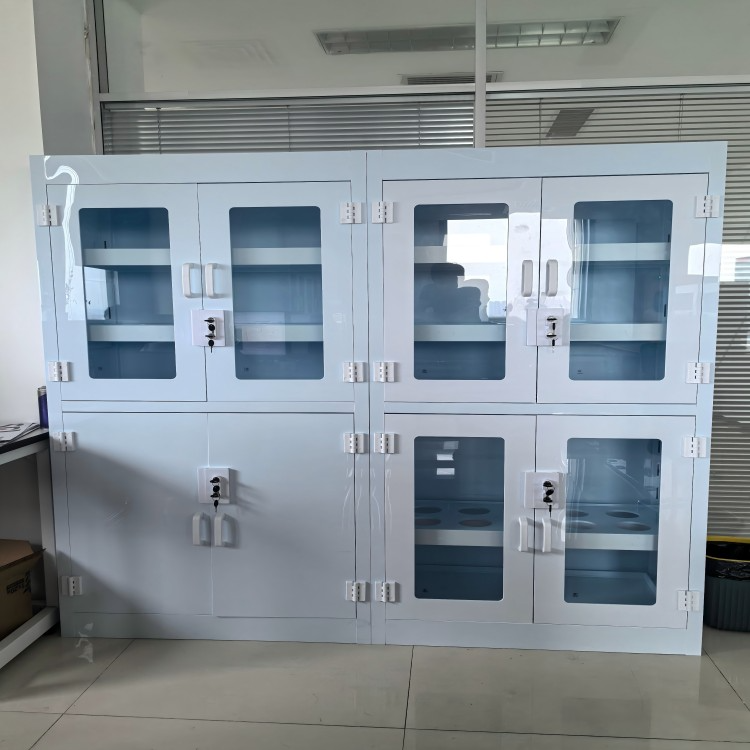
The cabinet and drawer door panels are made of high-impact, acid/alkali-resistant, and chemically-resistant white PP polypropylene board, with one-piece welding for seamless construction. They feature semi-hardness, a thickness of 8mm, resistance to strong acids and chemicals, impact resistance, corrosion resistance, and are rust-free.
2. Countertops: Available in options such as solid-core chemical boards, Kailide, epoxy resin countertops, and ceramic countertops, they feature anti-corrosion, high-temperature resistance, bending and impact resistance, can support heavy loads, and are not easily deformed under pressure.
3. Various accessories are installed tightly, flatly, neatly, firmly, with no burrs or loose joints.
4. Door and frame gaps, door and door gaps, door and drawer gaps: 1-3mm; upper edge tension moderate, edge length deviation from board length ≤0.5mm; hole size deviation ≤0.5mm; drawer sag ≤20mm, swing ≤10mm after pulling out; countertop chamfer even and consistent, chamfer radius ≤2mm; require level and stable.
2.5. Hinges, Handles: Made of high-resistance acid and alkali homopolypropylene (PP) material.
Section 3: Advantages of the PP Laboratory Bench
1. Features resistance to strong acids, alkalis, and corrosion.
2. Reduce environmental pollution and safeguard the health of users.
3. The cabinet is made using a one-piece molding and seamless welding technique, significantly enhancing the cabinet's structural integrity and effectively reducing deformation caused by thermal expansion and contraction.
The history of PP lab tables is not long, emerging with the advent of PP materials. However, they quickly gained popularity due to their unique characteristics. They save costs on lab construction and also beautify the lab environment, making them one of the essential lab furniture members.