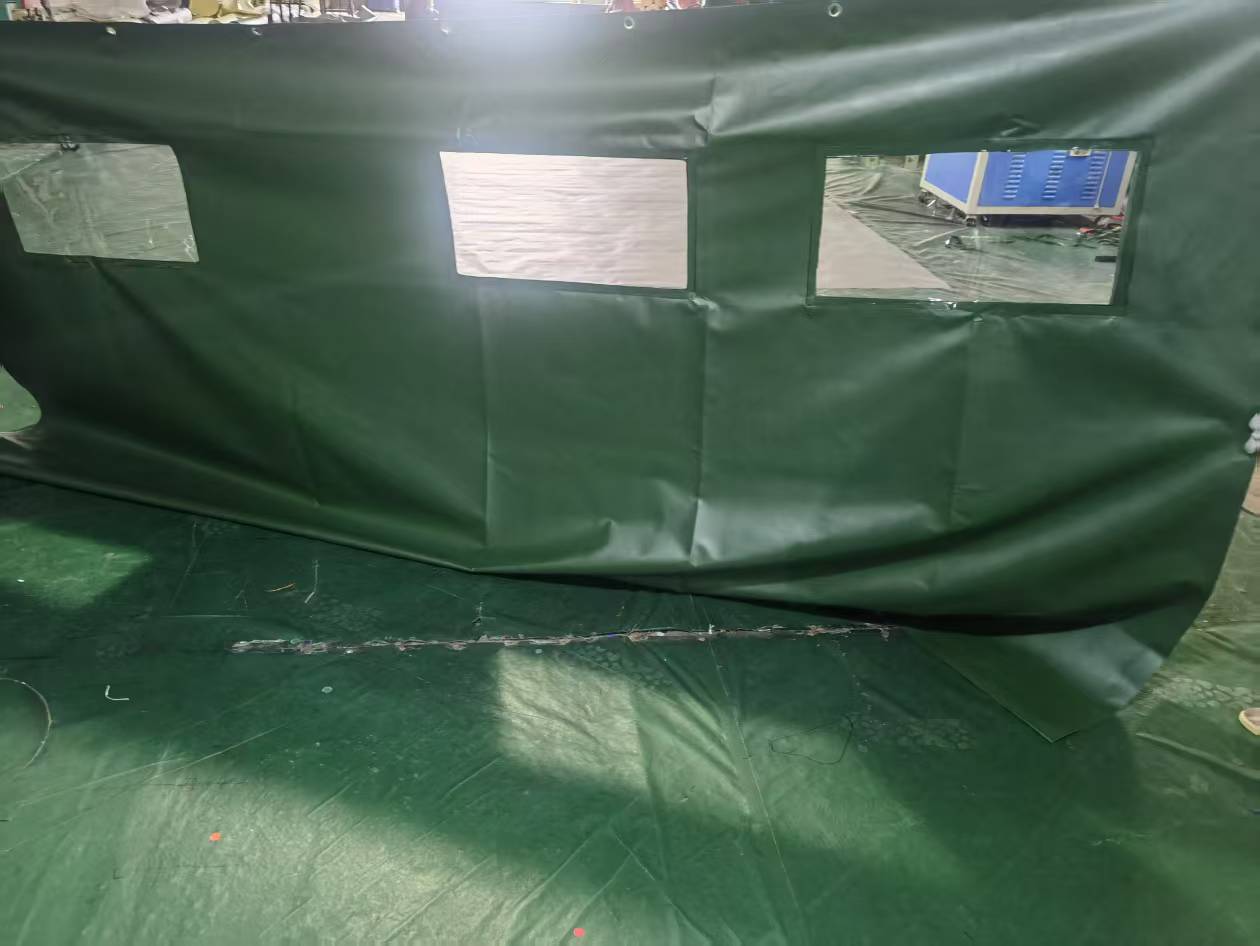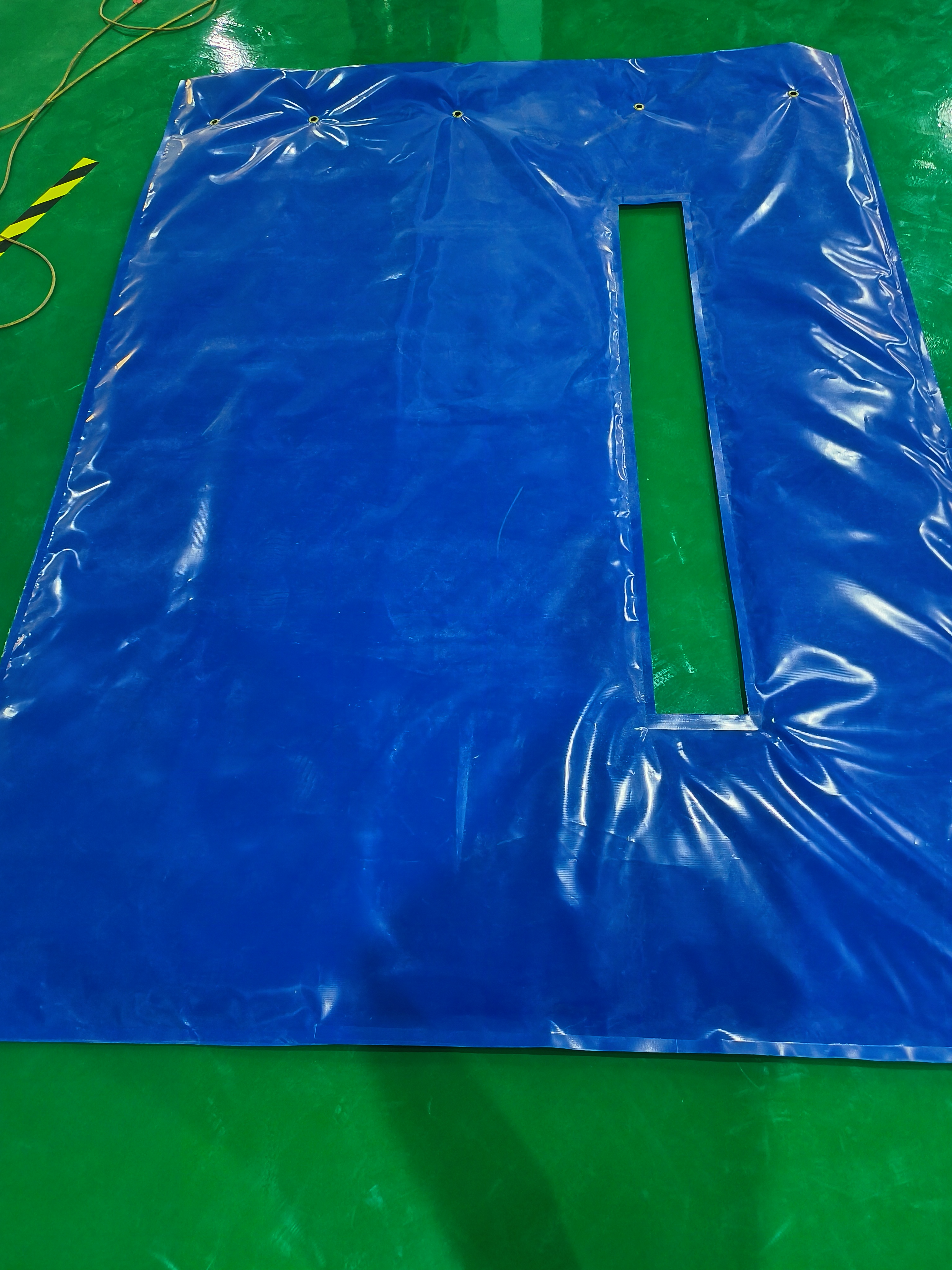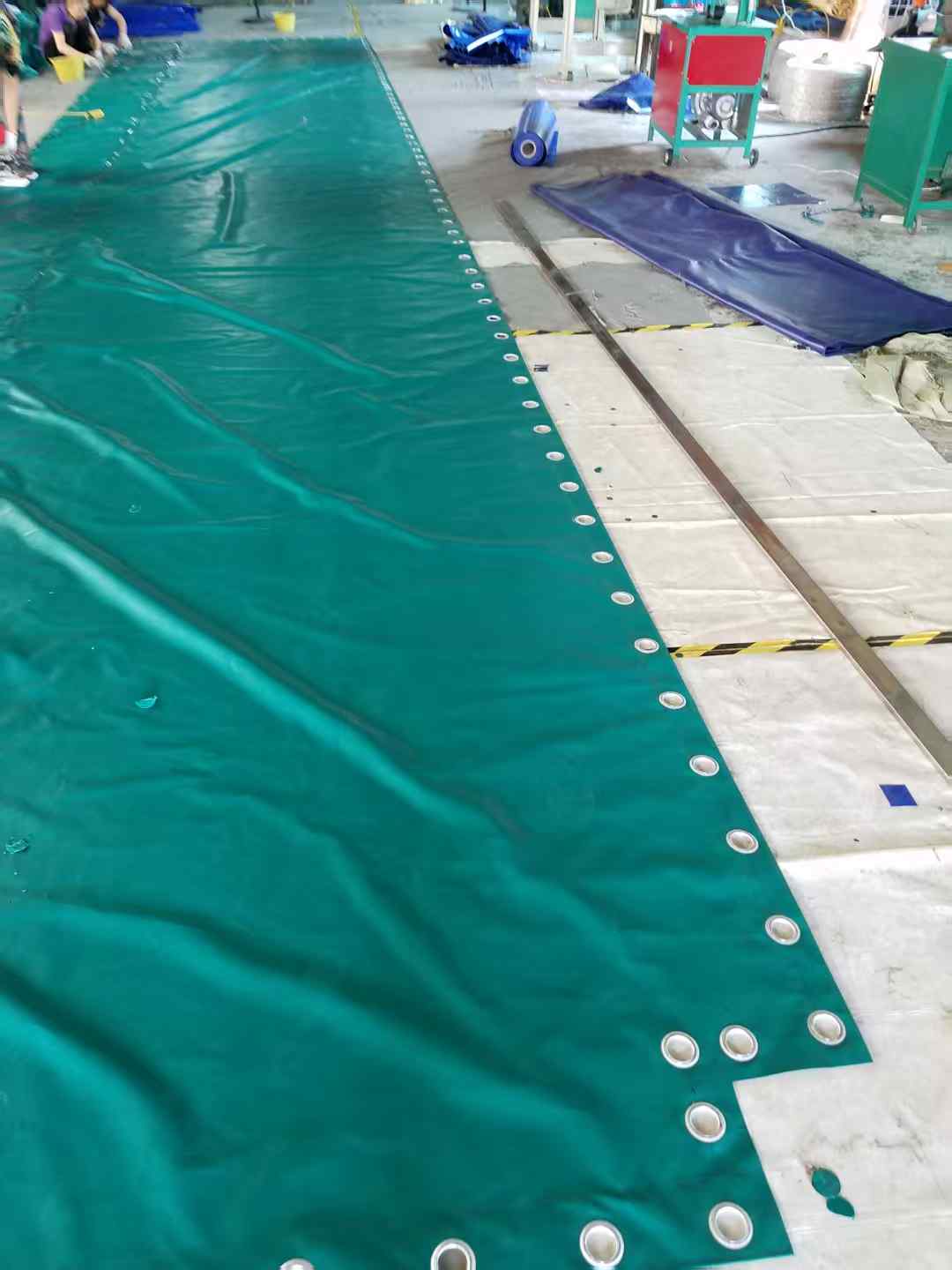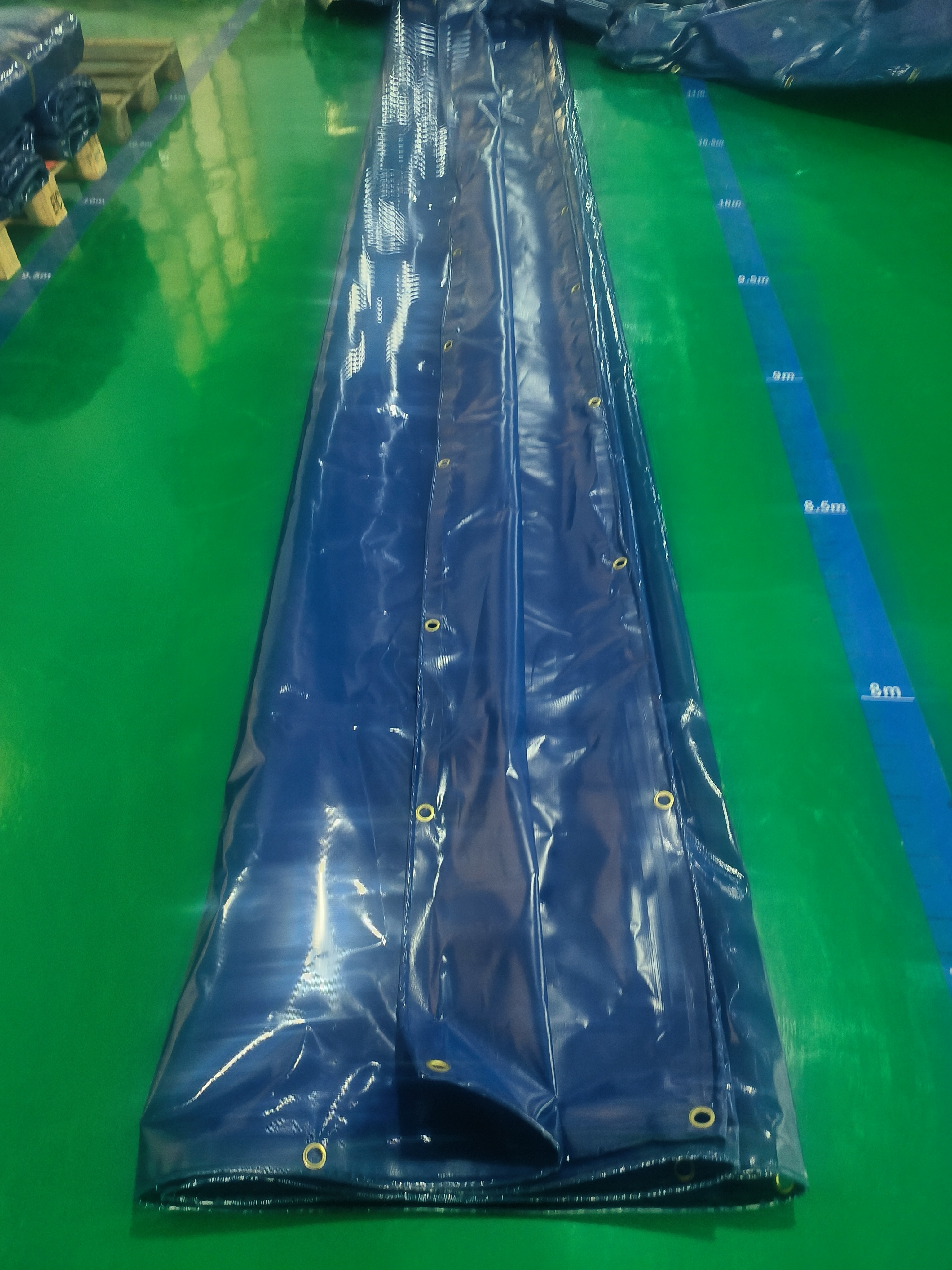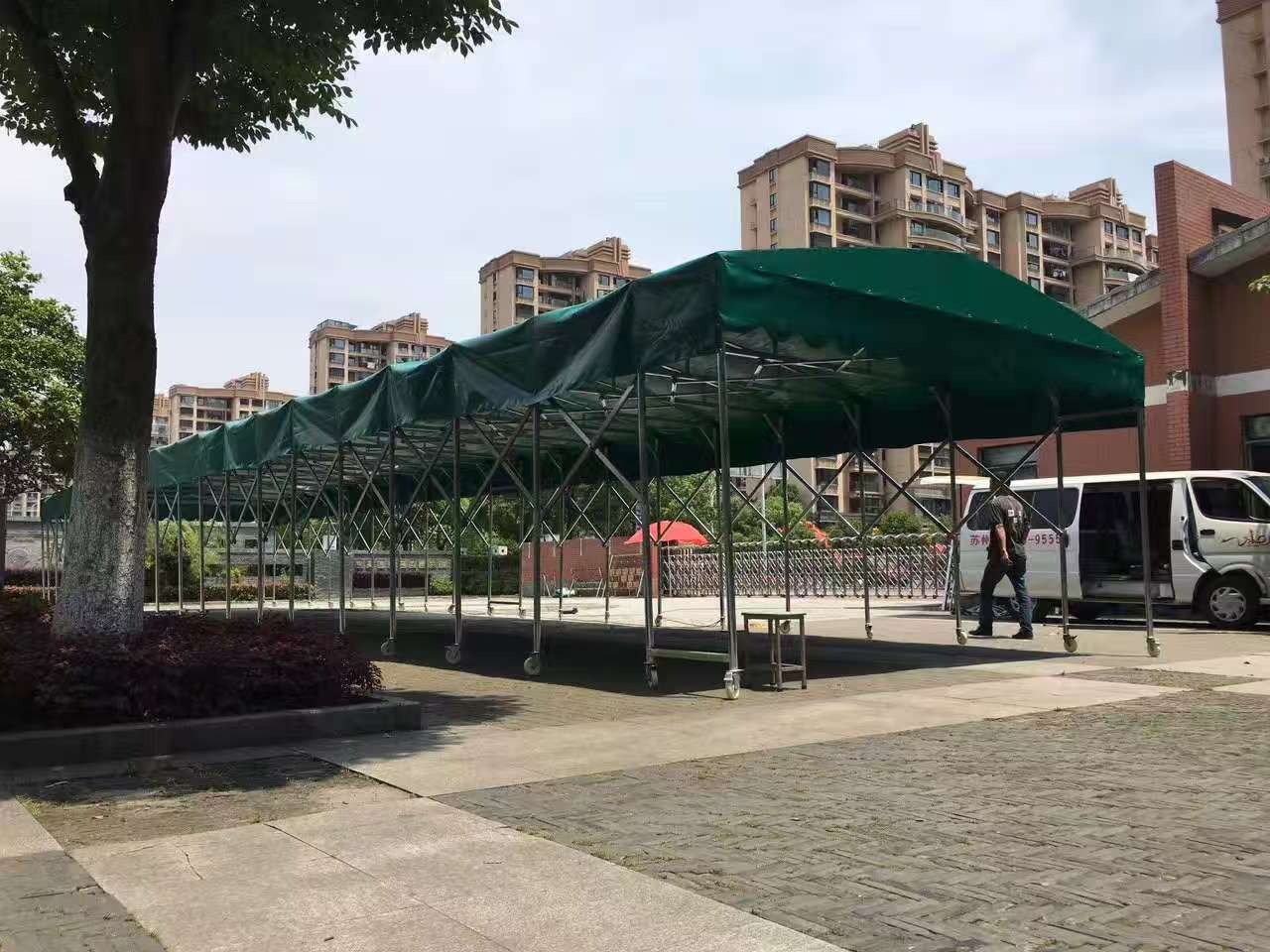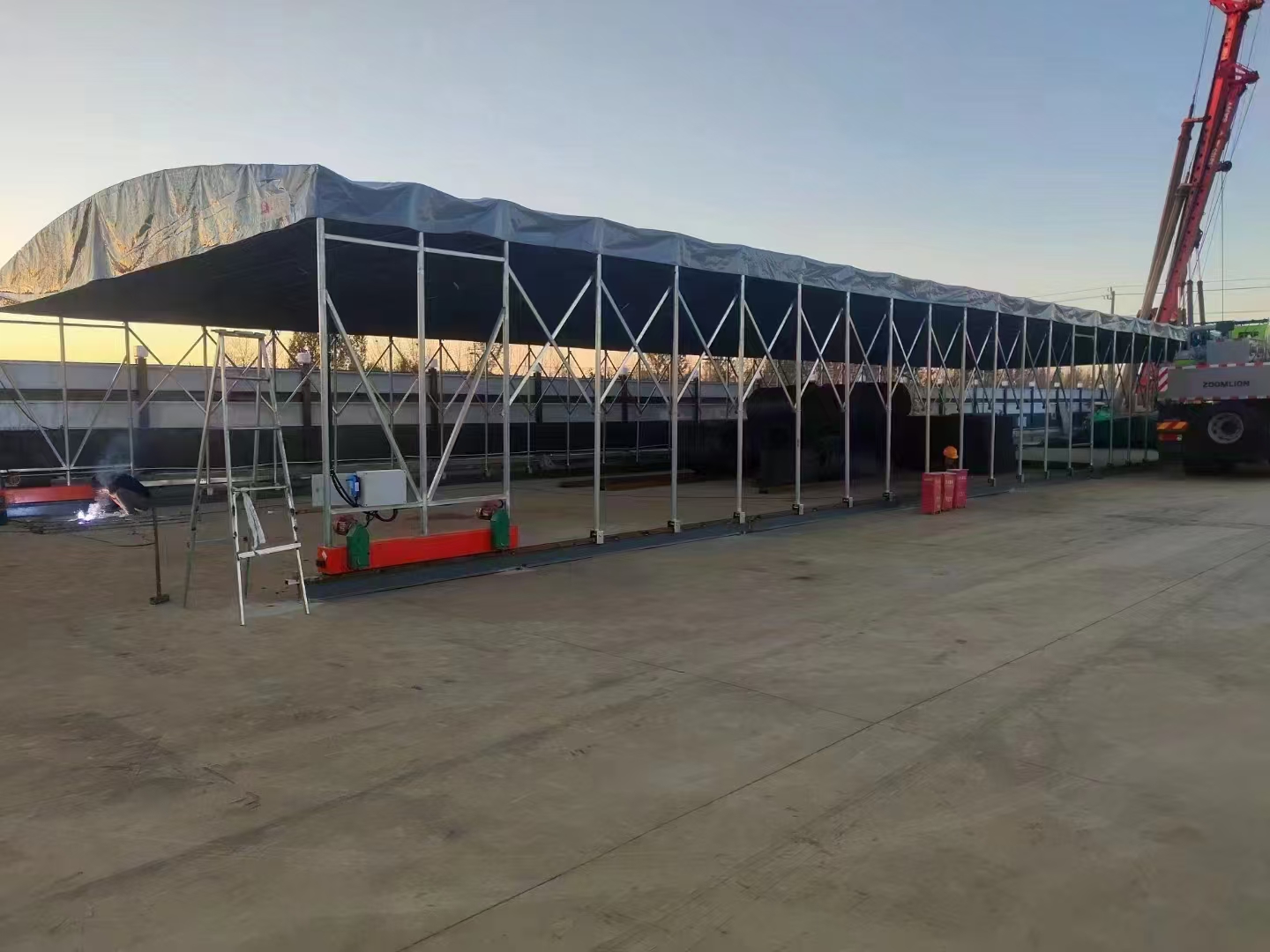

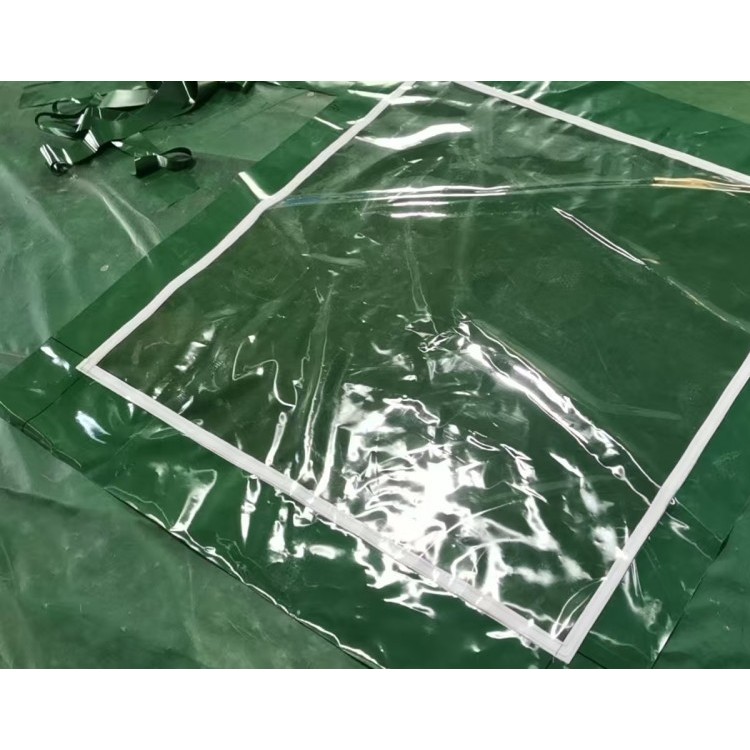

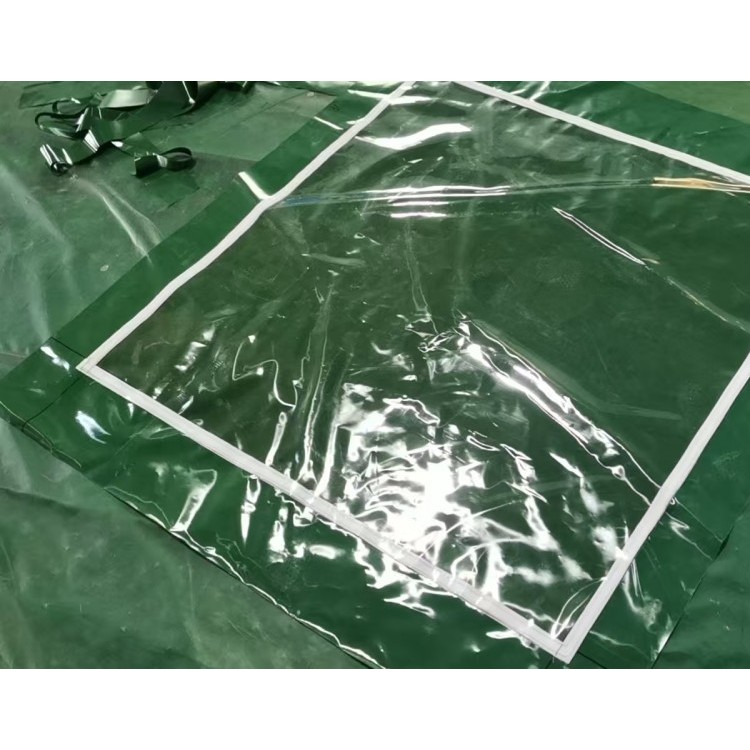
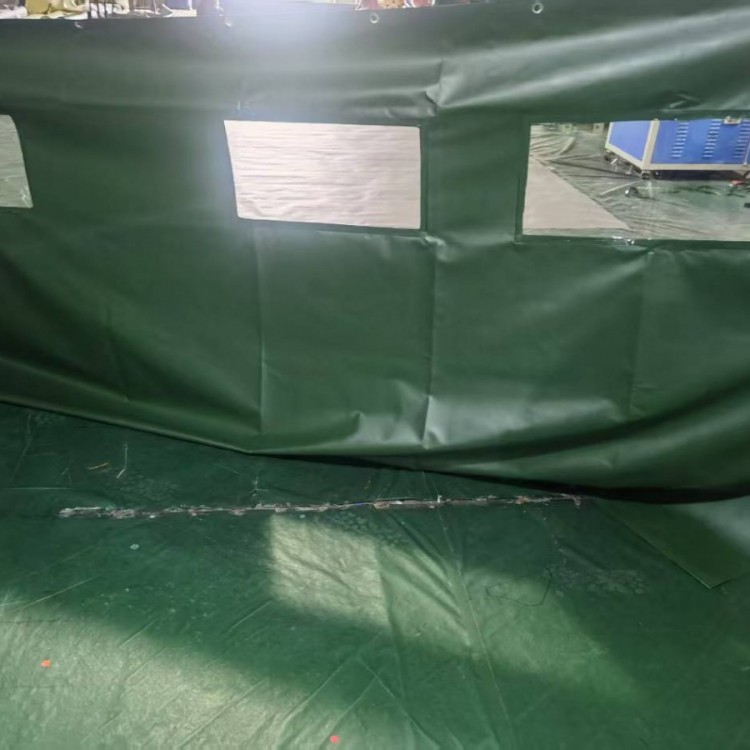


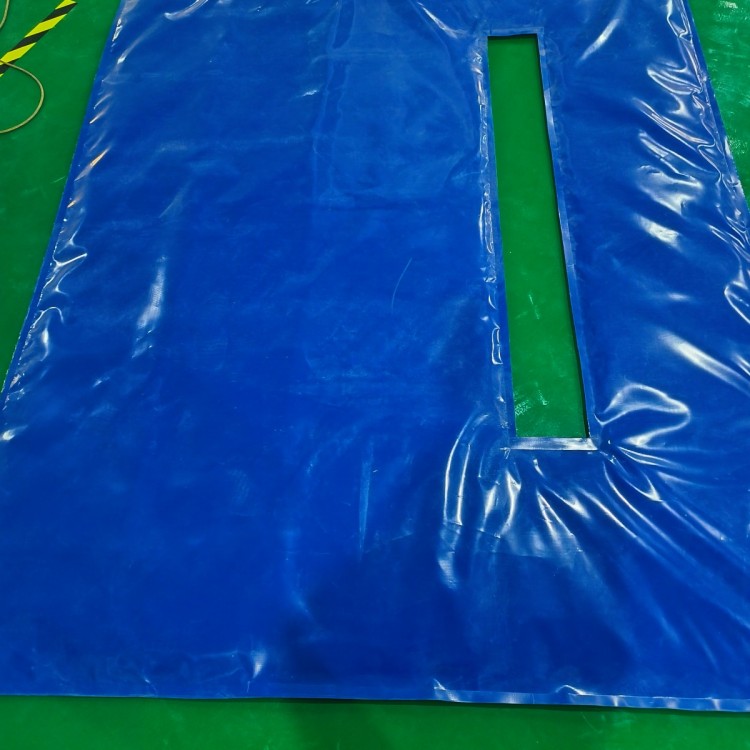





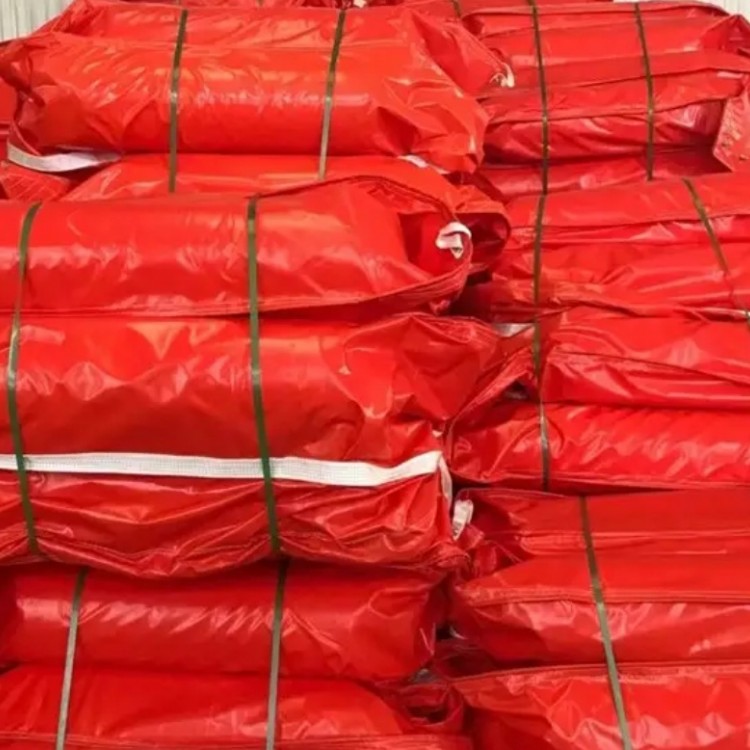
A篷布 with a middle transparent film is an improved product based on traditional tarpaulins, combining the protective properties of regular tarps with the visibility benefits of the transparent film. Below is its relevant introduction:
Structure and Principle
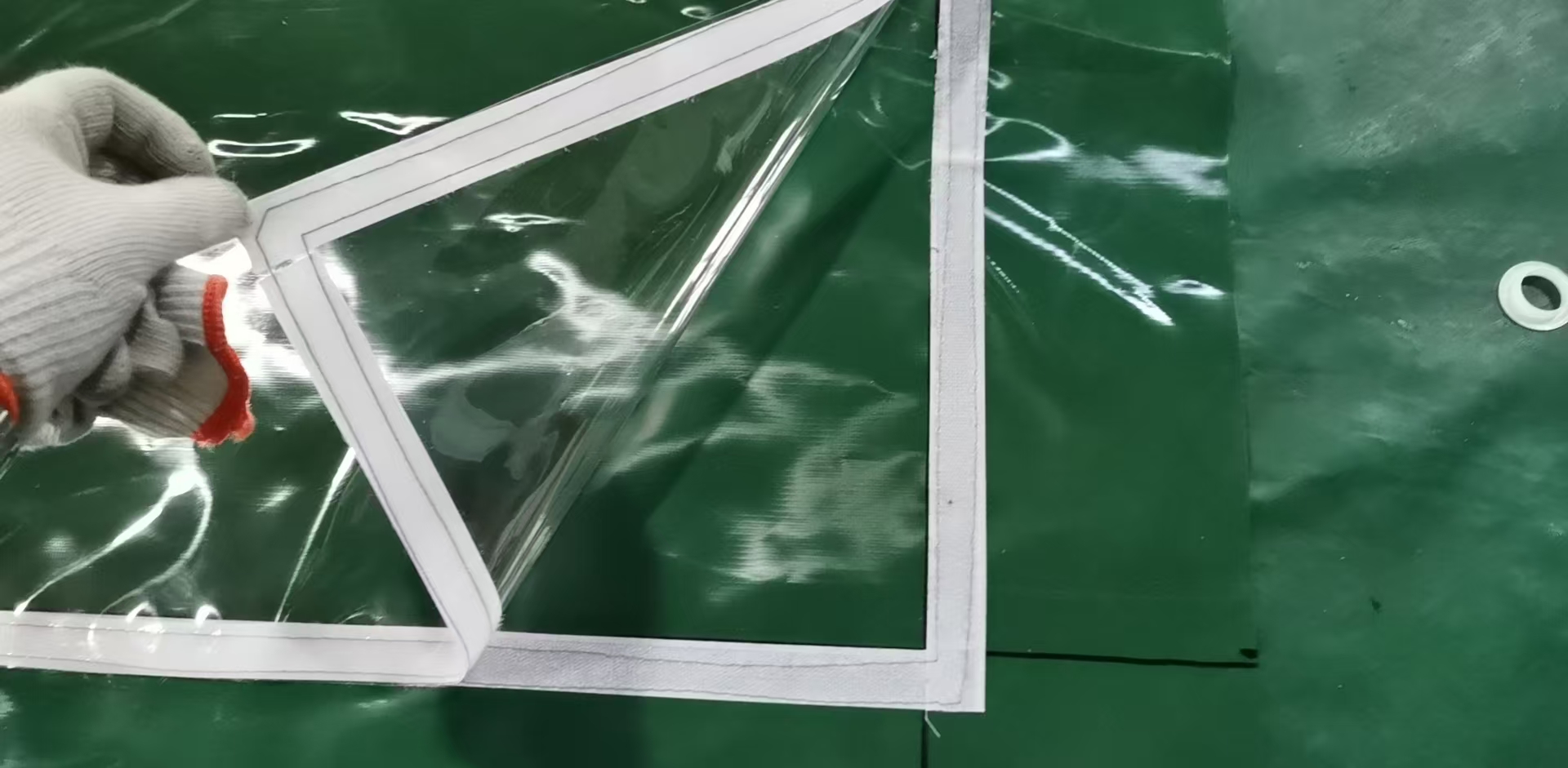
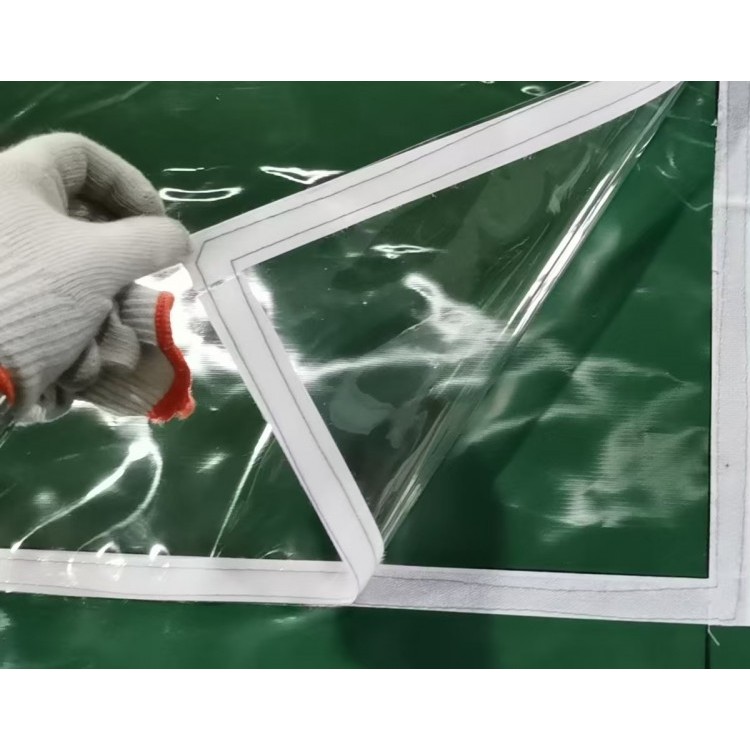
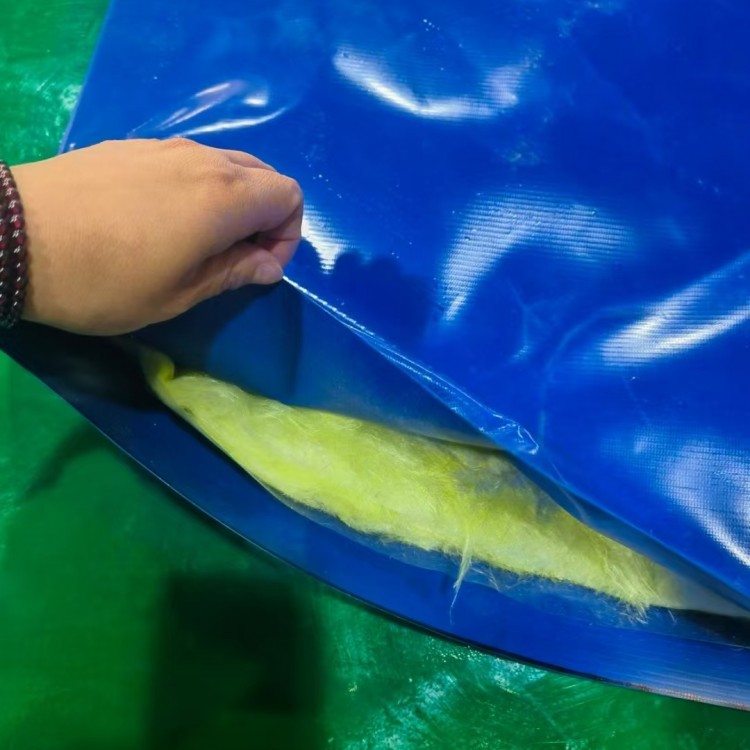
This tarpaulin is typically composed of a three-layer structure, with the top and bottom layers made of common tarp materials such as PVC coated fabric, PE tarpaulin, or canvas, offering basic functions like waterproofing, sun protection, and abrasion resistance. The middle layer is a transparent film, usually a transparent PVC or PET film, with a thickness ranging from 0.1 to 0.5 millimeters, depending on specific application requirements. The addition of the transparent film allows for observation of the contents inside the tarpaulin without having to uncover it, facilitating easy management and inspection of the goods.
Features
Good visibilityThis is one of its most notable features. Through the transparent film in the middle, the condition of the goods inside the tarpaulin can be clearly seen, such as the quantity of the goods, whether there is any damage or dampness, etc. This greatly enhances the efficiency of goods management and reduces the impact on the goods caused by frequently lifting the tarpaulin.
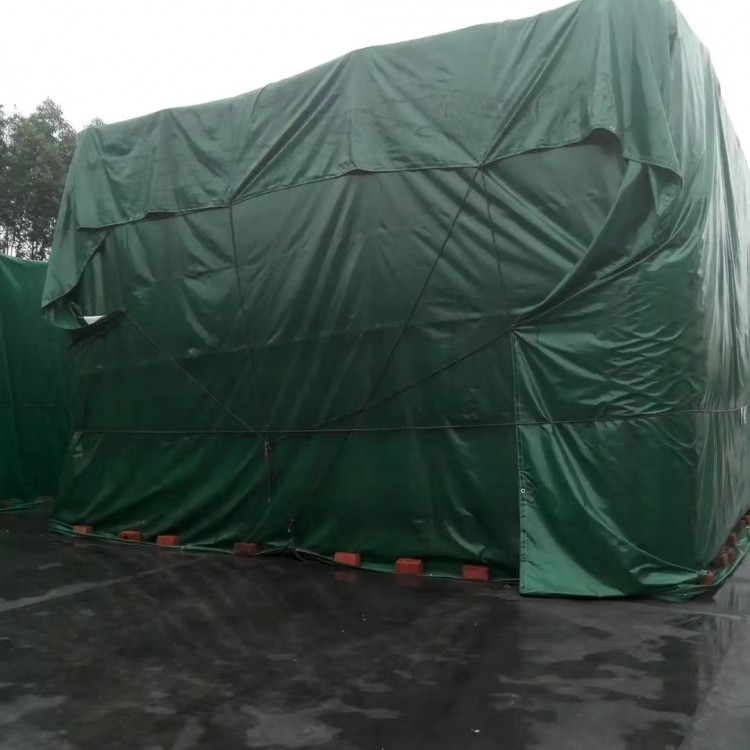
Excellent waterproof performanceThe篷布material on both upper and lower layers ensures excellent waterproof performance. It effectively blocks rain渗透even in harsh rainy conditions, protecting the goods from getting damp. Additionally, the junction between the transparent film and the篷布is specially treated, such as heat-sealed or sealed with adhesive, further enhancing the overall waterproofing effect.
High durabilityThe canvas material and transparent film used are both durable and wear-resistant, capable of withstanding the natural elements such as wind, sun, rain, as well as daily use friction and pulling. Moreover, the middle transparent film is resistant to scratching, ensuring long-term clear visibility.
Insulation and heat preservationPartially transparent film has certain thermal insulation properties, which can reduce the impact of external temperature on the goods inside the tarpaulin to some extent, making it suitable for storage of goods that require specific temperature control. For example, in summer, it can block some heat from entering, preventing the goods from deteriorating due to high temperatures; in winter, it can reduce heat loss, providing some insulation.
Application Scenarios
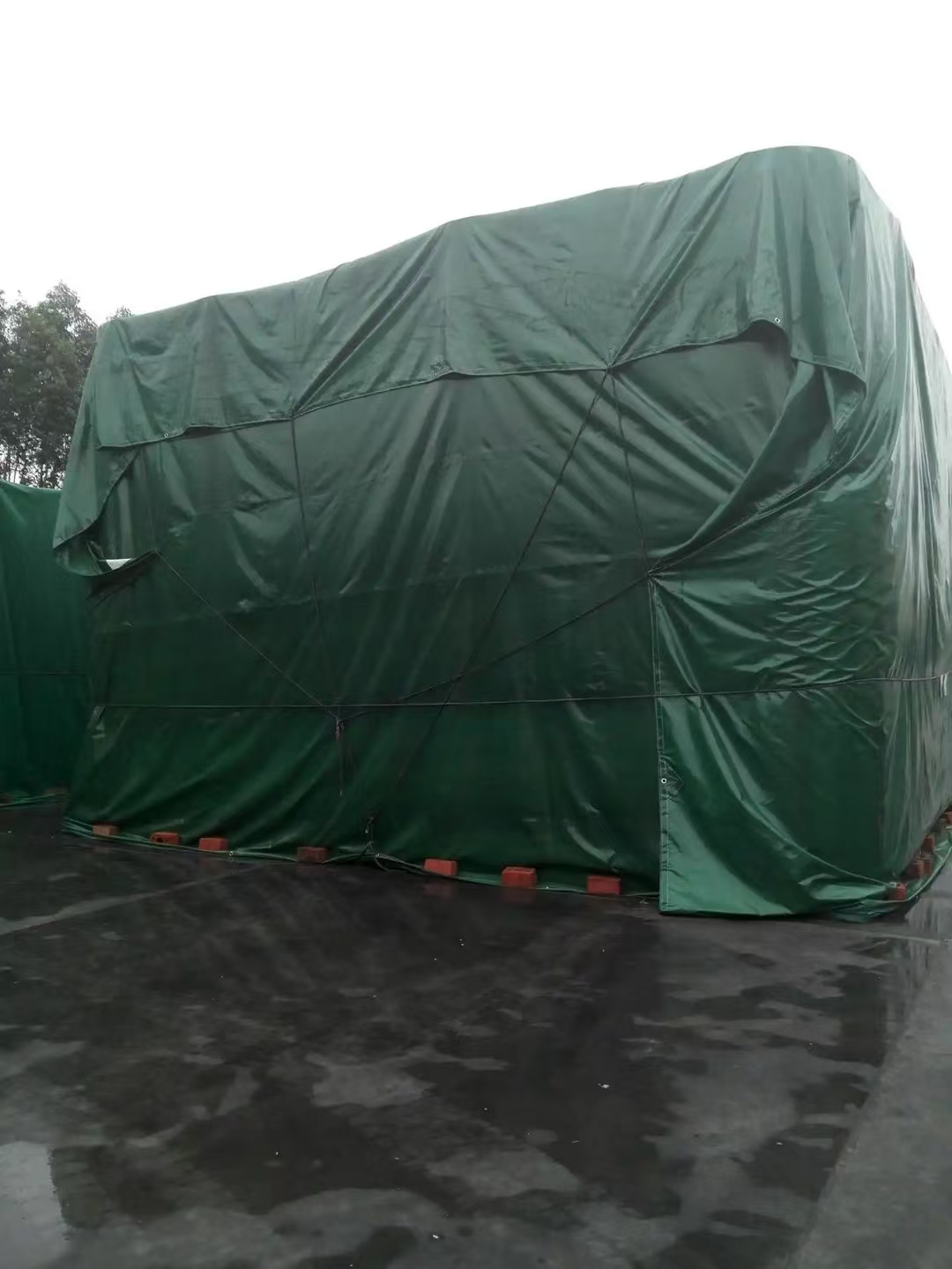
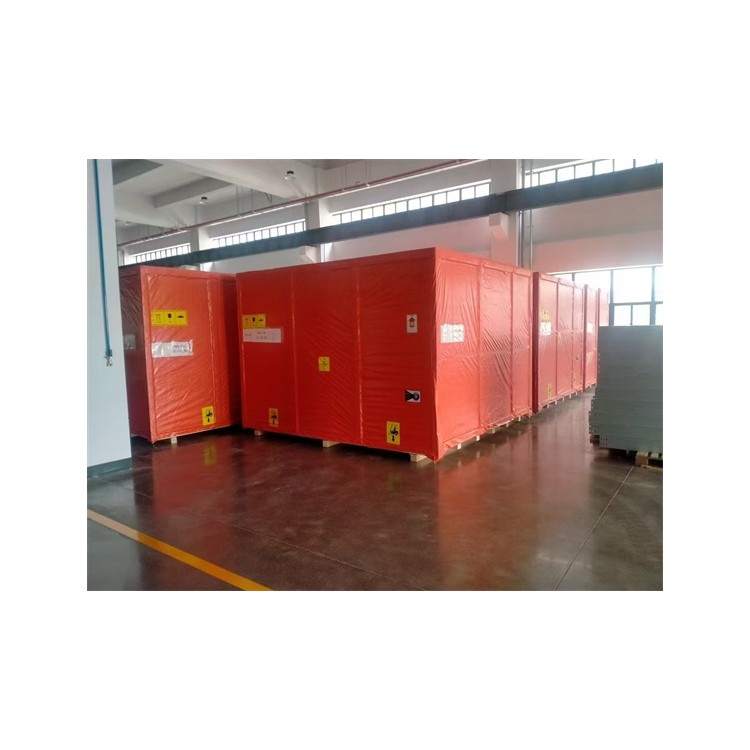
Logistics and WarehouseIn logistics warehouses and yards, these covers are used to shield various goods, facilitating staff in easily monitoring the condition of the products without frequently unrolling the tarps, thereby enhancing the efficiency and accuracy of goods management. Particularly for perishable or fragile items like food and electronics, the transparent tarps allow for timely detection of issues and prompt action.
Agricultural ProductionIn the agricultural sector, this material is suitable for covering the storage and transportation of agricultural products such as fruits, vegetables, and flowers. It can prevent moisture from rain, thus avoiding rot, and the transparent film allows for real-time monitoring of the products' condition, enabling early detection of pests, diseases, or spoilage. Additionally, this tarpaulin can be used as a covering material in greenhouses, providing excellent lighting and insulation while facilitating observation of the growth of crops inside.
Industrial ApplicationsIn industrial production sites such as construction sites and factory open-air yards, these are used to cover building materials, machinery equipment, raw materials, etc. Staff can quickly check for any loss, damage, or theft of goods through the transparent film, while the waterproof and sun-protection properties of the tarpaulin also protect the goods from natural environmental erosion.
Maintenance and Care
Regular cleaningClean the canopy surface, including the transparent film, with a mild detergent and a soft cloth to remove dust and stains, maintaining the canopy's cleanliness and the clear visibility of the film. Avoid using sharp or abrasive tools to prevent scratching the film.
Avoid direct sunlight and rain exposureAlthough canvas has certain sun-blocking and waterproof properties, prolonged exposure to sunlight and rain can accelerate the aging of the canvas and clear film. Whenever possible, store the canvas in a cool, dry place to avoid long-term exposure to harsh weather conditions.
Inspect and repairRegularly inspect the tarp for any tears, rips, or issues with the adhesive on the clear film. For minor damage, use specialized adhesive or patches for repair; for larger damage, replace the tarp promptly to ensure its protective performance and visibility.