






Purpose of the hole
Ventilation: When transporting goods that require ventilation, such as fresh agricultural products or items prone to producing odors, installing ventilation devices through perforations ensures air circulation within the container, preventing damage to the goods due to lack of oxygen or heat.
Installation Equipment: Depending on special transportation requirements, it may be necessary to drill holes in containers to install refrigeration equipment, monitoring devices, lighting equipment, etc., to meet specific environmental demands during the transportation process or to enable real-time monitoring of the goods.
Change of Use: When converting containers into temporary housing, offices, warehouses, or other uses, it often requires drilling holes for doors, windows, air conditioning vents, etc., to meet the functional requirements for living or usage.
Caution for Holes Drilling
Structural Strength: A container is an integrated structure, and drilling holes can affect its strength. Therefore, a structural assessment must be conducted prior to drilling to determine the location and size of the holes, avoiding them in critical load-bearing areas. In necessary cases, reinforcement measures such as welding reinforcing ribs should be taken to ensure the overall stability and safety of the container.
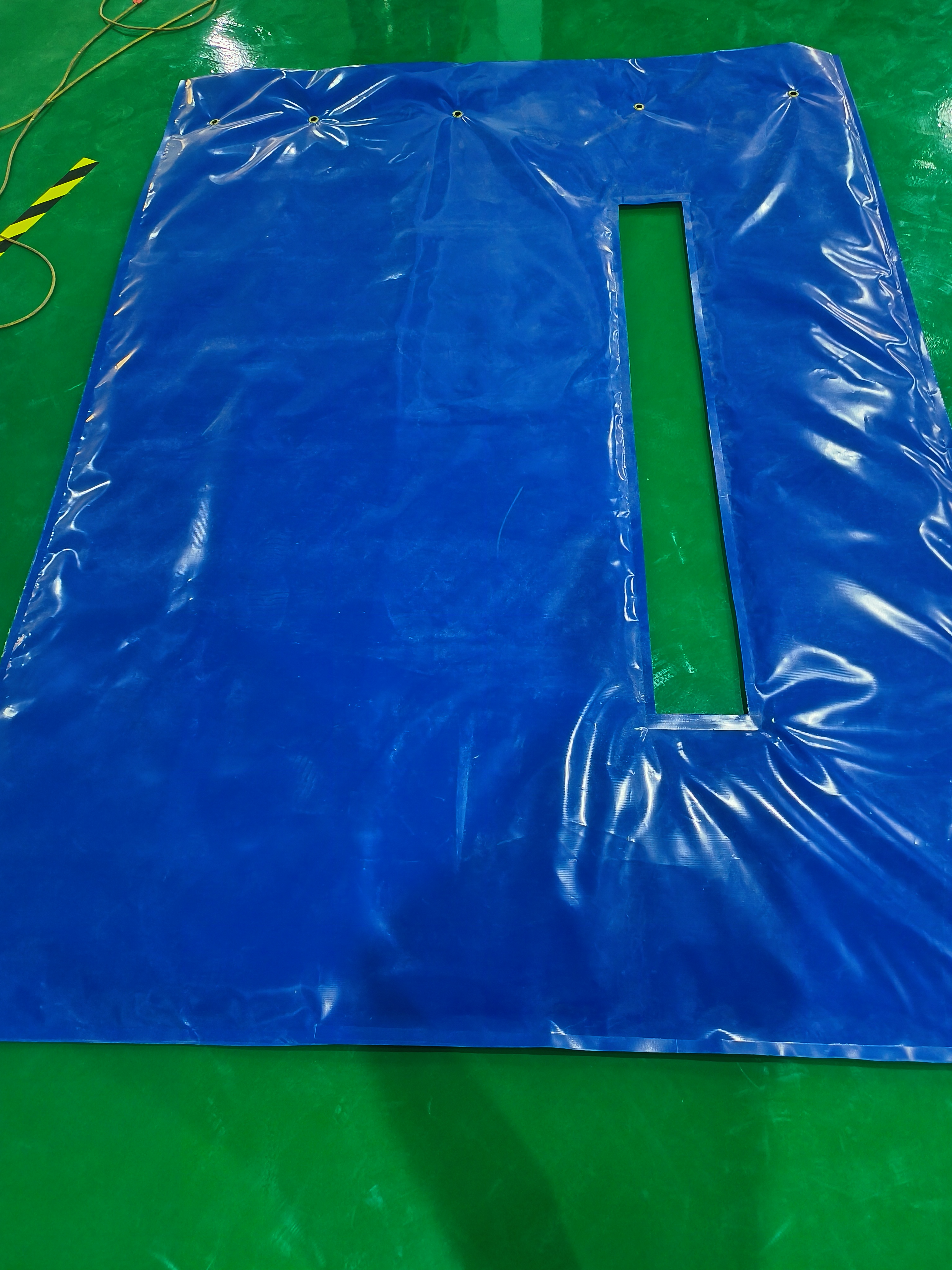
Waterproof Sealing: Containers must have excellent waterproof properties, and proper sealing must be done after any openings are made to prevent water, dust, and other debris from entering the interior. Sealing glue, rubber gaskets, and other materials can be used to seal the edges of the openings, ensuring reliable sealing effectiveness.
Compliance: If a container is used for transporting goods, the hole-making operation must comply with relevant transportation regulations and standards to ensure it does not affect the safe transportation of goods or the normal use of the container. For containers with special purposes, such as refrigerated containers and hazardous materials containers, the hole-making requirements may be more stringent and must follow the corresponding professional specifications.
Construction Safety: Pay attention to construction safety during the drilling process. Operators must wear necessary protective gear, such as helmets and safety goggles. Ensure the tools used meet safety standards to prevent accidents caused by improper operation. Additionally, be mindful of preventing sparks and noise generated during drilling from affecting the surrounding environment and personnel.