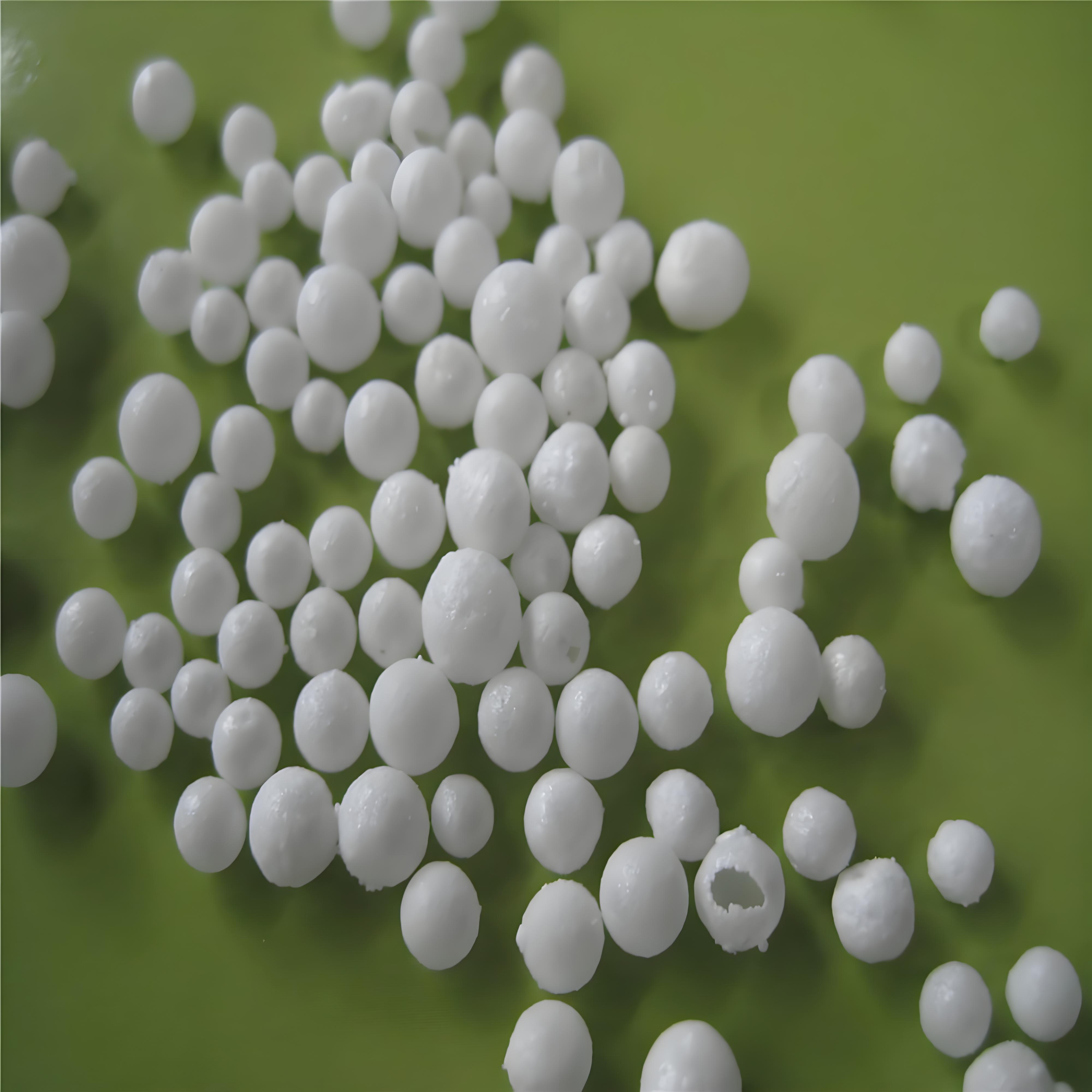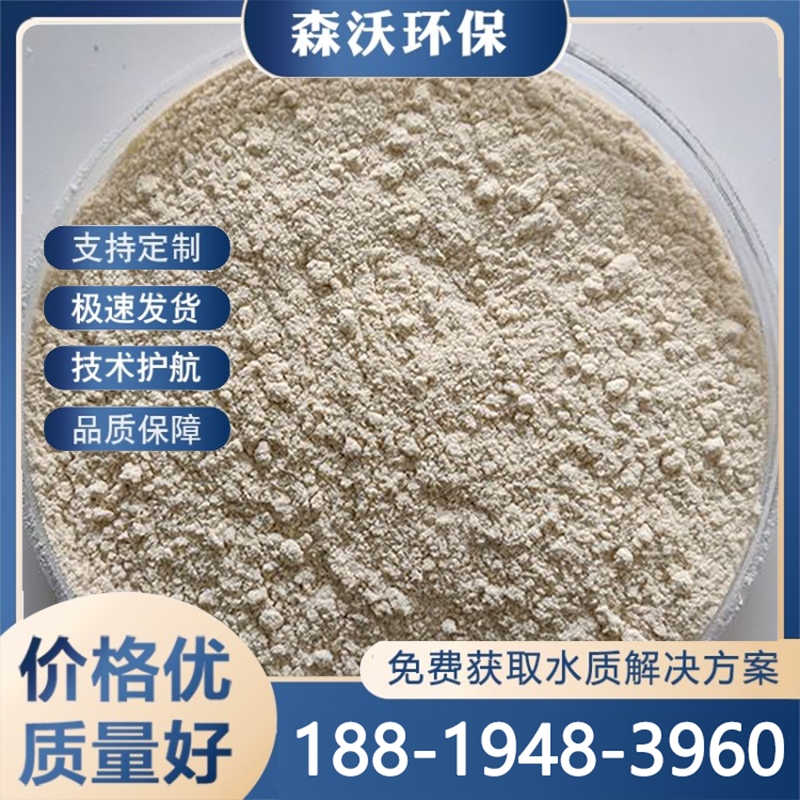

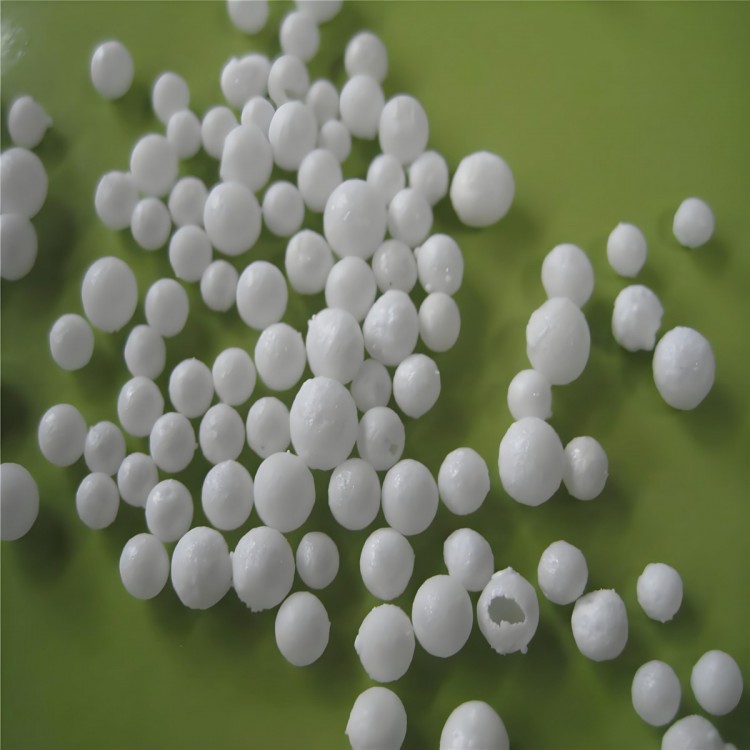

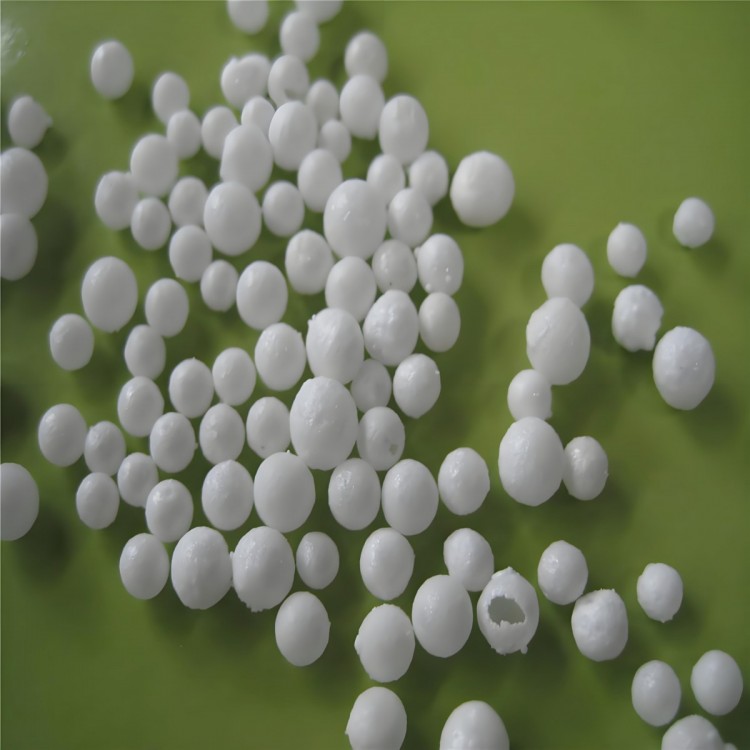







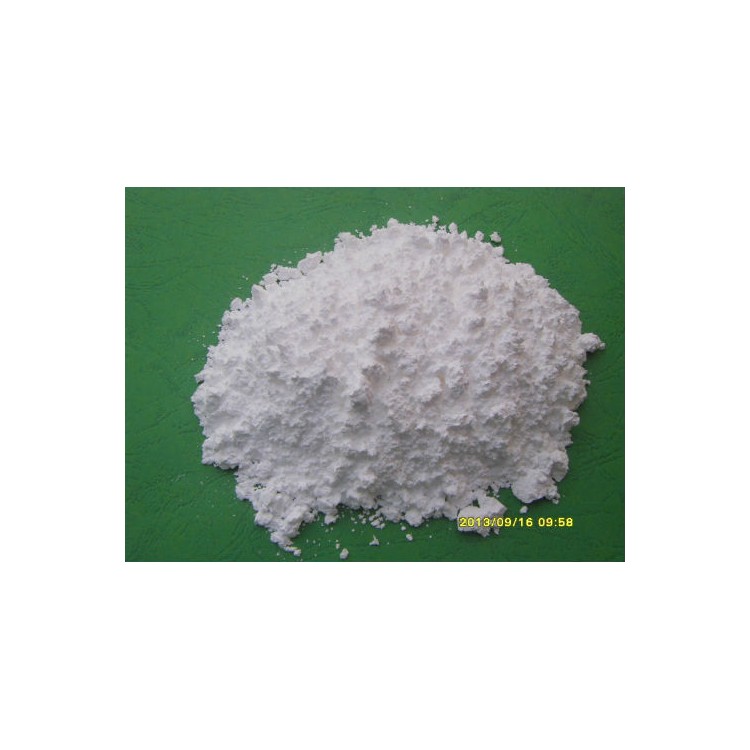
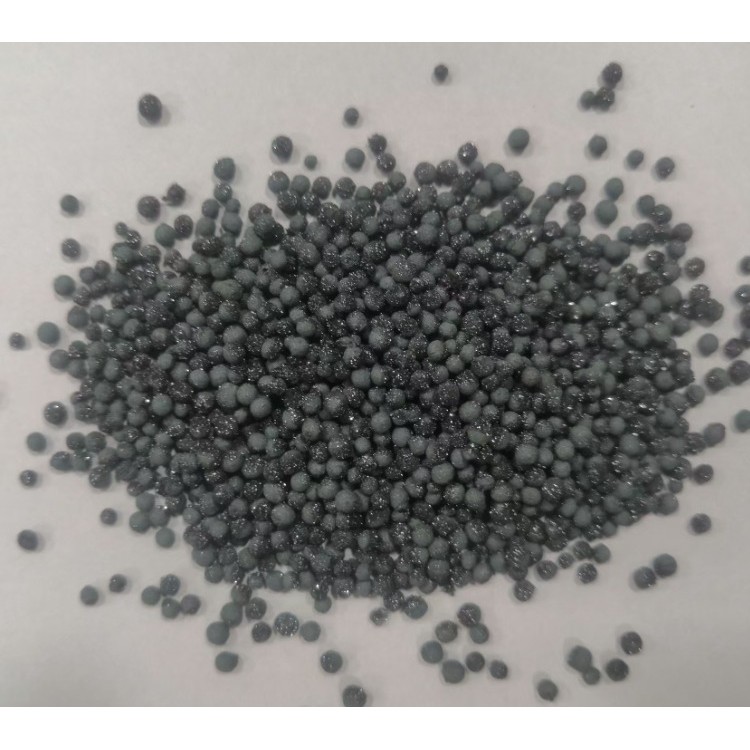
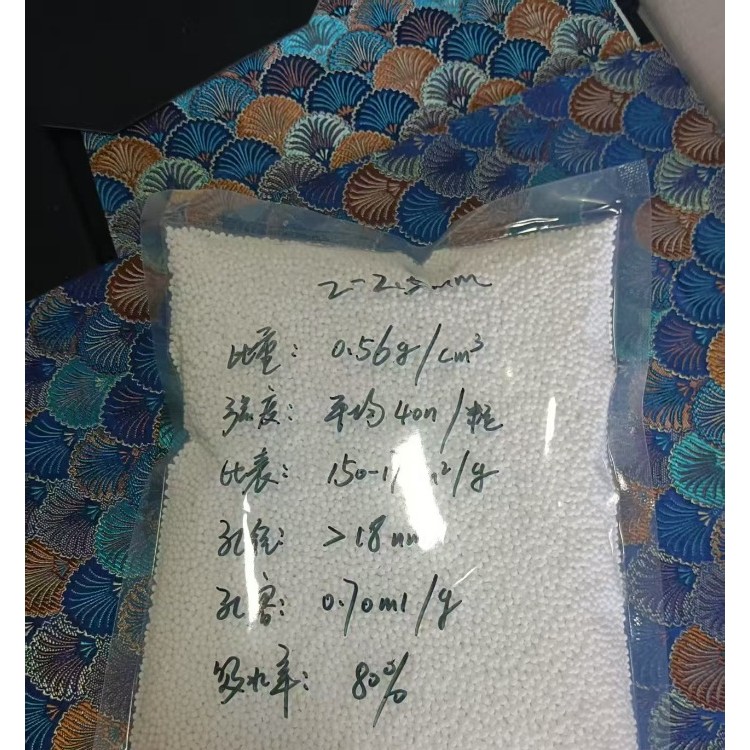
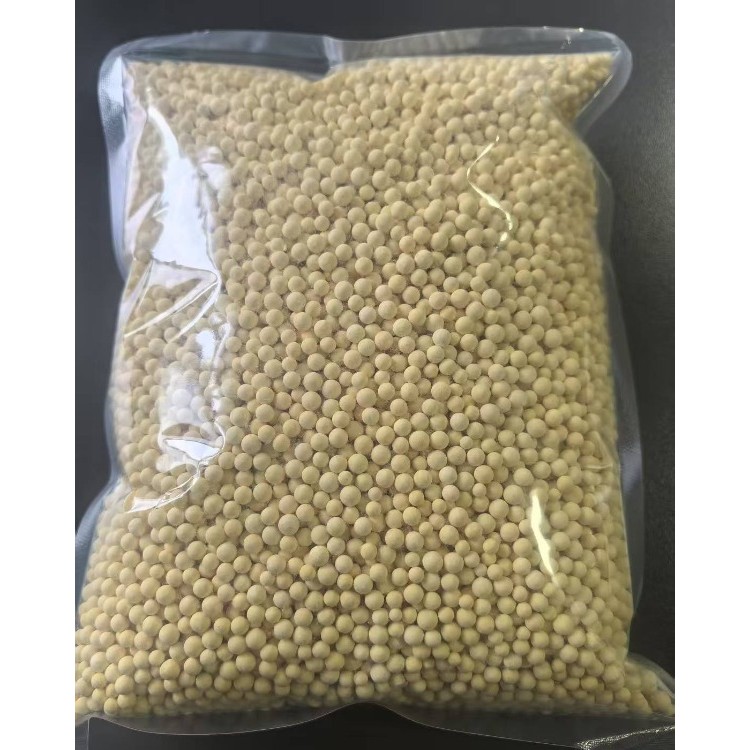
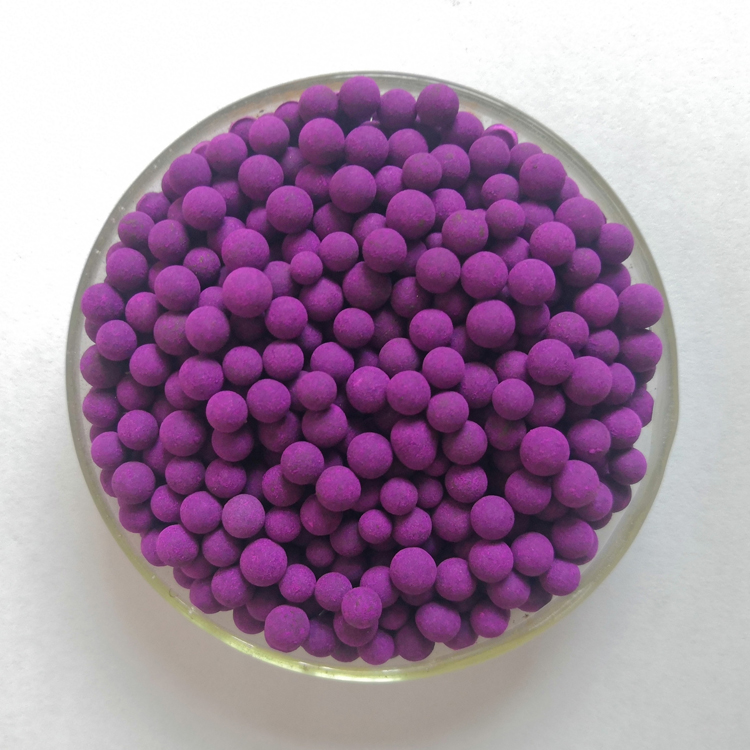
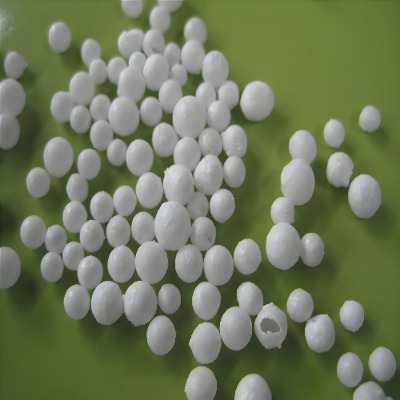
Alumina hollow spheres are a new type of high-temperature insulation material, made by melting and blowing industrial alumina in an electric furnace, with the main component being α-Al.₂O₃Microcrystals, typically white hollow spheres. They are categorized into two types: mixed-grade spheres and graded spheres. Mixed-grade spheres usually range from 0.2 to 5 millimeters in size, while graded spheres come in various specifications such as 0.2-1mm, 1-2mm, 2-3mm, and 3-5mm.
Performance Features
Low Density: Density typically ranges between 0.3-0.9 g/cm³, about one-third to one-fifth of solid alumina materials, offering good buoyancy and lightweight characteristics.
2. High strength: The compressive strength is generally between 2-12 MPa, 2-4 times that of traditional alumina materials, and it is less prone to deformation and fracture under hanging or load pressure.
3. High-Temperature Stability: Withstands temperatures exceeding 1500°C without any annealing, deformation, or carbonization damage.
Non-magnetic: No magnetic properties; does not interfere with electromagnetic fields.
4. Biocompatibility: Non-toxic, harmless to organisms, smooth surface, will not cause irritation or allergic reactions to the human body, suitable for medical and drug control applications.
Application Fields
1. Metallurgical Industry: Equipment such as induction furnaces for the metallurgical industry significantly improves energy utilization efficiency, achieves excellent energy-saving effects, and can also be used as lightweight aggregates for high-temperature refractory concrete and high-temperature casting materials.
2. Petrochemical Industry: Widely used in the gasification furnaces of the petrochemical industry, it can reduce the weight of the furnace, save materials, and conserve energy.
3. Aerospace Industry: Due to its low density, high strength, and heat resistance, it can be used to manufacture parts for aerospace vehicles, such as insulation layers and structural components.
4. Electronics Industry: Used as an insulating material in electronic devices, it enhances the devices' high-temperature resistance and insulation properties.