












1. Wide range of gearboxes available
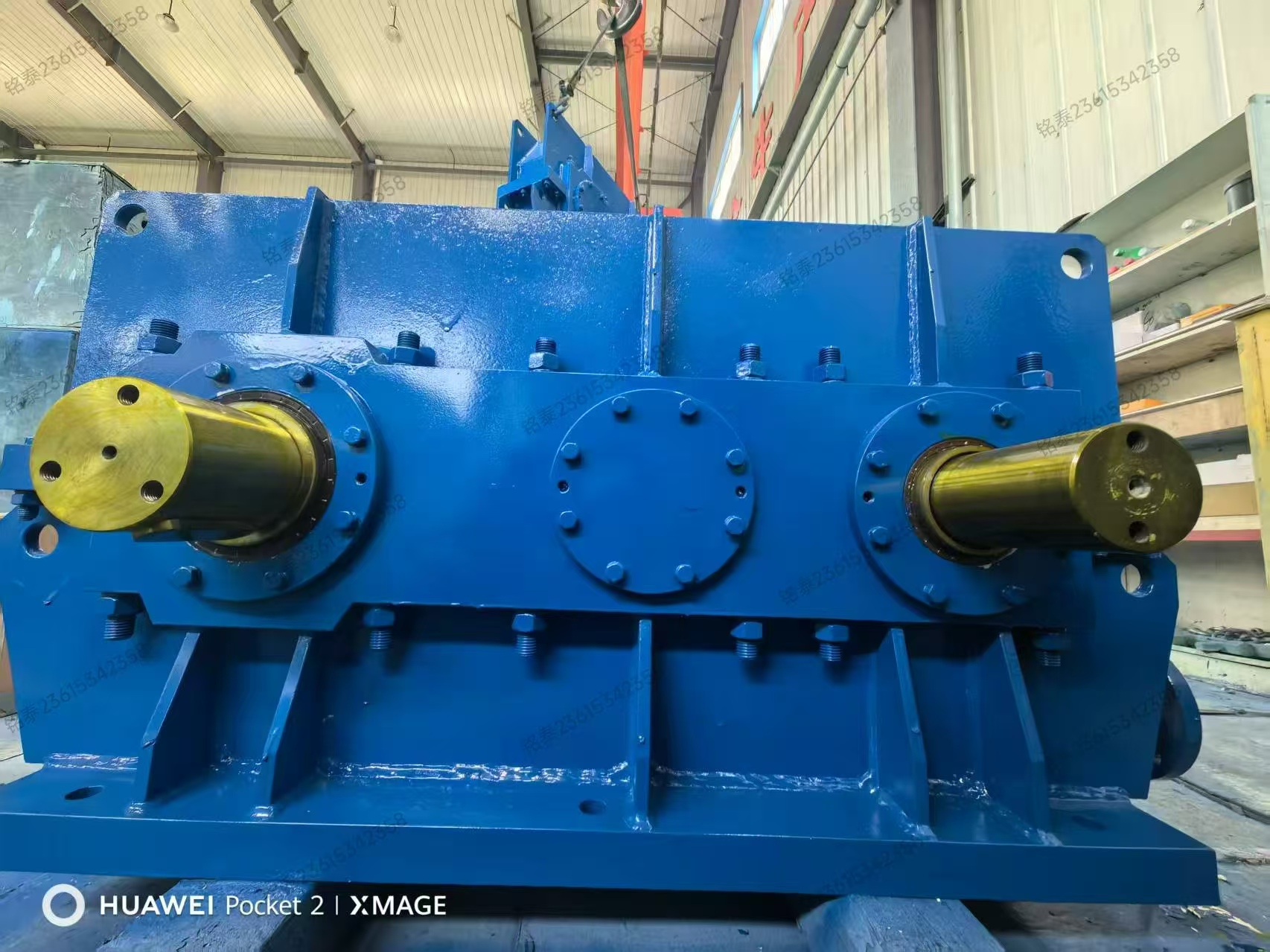
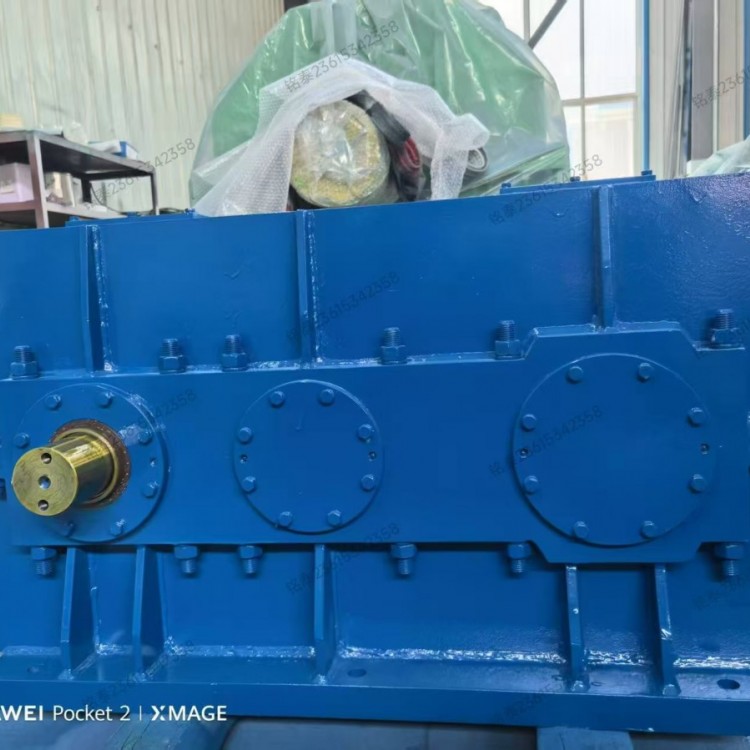
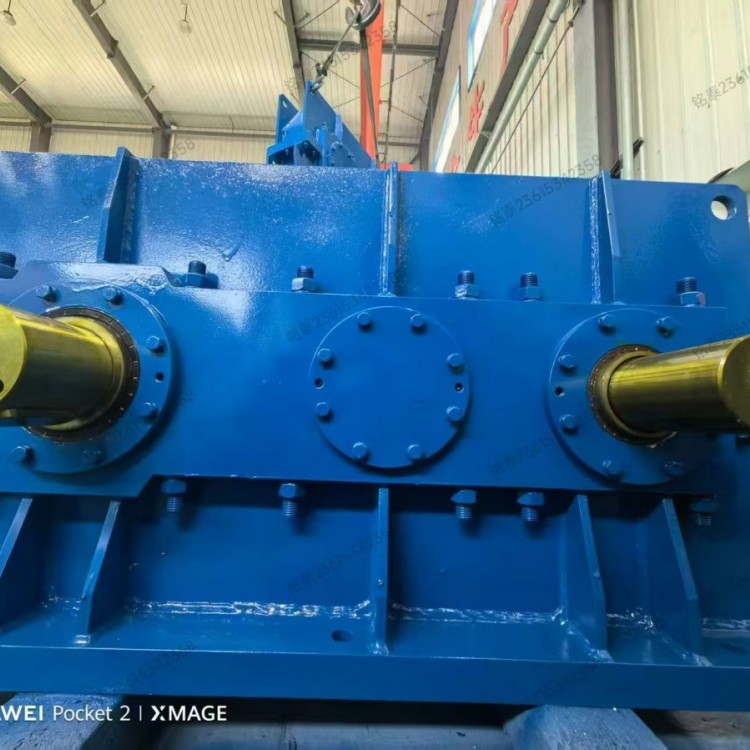
Gearboxes are typically designed with standard configurations, but in special cases, the design can be customized to meet the user's requirements, transforming into industry-specific gearboxes. The design of the gearbox allows for modifications to parallel shafts, upright shafts, general enclosures, and various components according to the user's specifications.
2. Gearbox operation stability
The gearbox operates stably and reliably with high transmission power. The external housing structure of the gearbox can be made from sound-absorbing materials to reduce noise generated during operation. The gearbox's housing structure, combined with a large fan, effectively lowers the operating temperature. It is essential to address the cleaning of the main gears promptly during the use of the gearbox. The gearbox cleaning and maintenance machine cleans the gearbox using its original oil supply and drainage system and filtered lubricating oil, without altering any hardware or adding any cleaning agents, ensuring safe operation and extending the gearbox's service life.
3. The gearbox is fully functional
The gearbox, in addition to the function of reducing speed, also features the capability to alter transmission direction and torque. For instance, after incorporating two sector gears, the gearbox can vertically transmit force to another rotating shaft to change the direction of transmission. The principle of the gearbox in altering torque is that under the same power conditions, the faster the speed of the gear, the smaller the torque on the shaft, and vice versa. During operation, the gearbox can also perform the function of a clutch, where separating the two originally meshed transmission gears will disconnect the connection between the prime mover and the working machine, achieving the effect of separating power and load. Furthermore, the gearbox can distribute power by driving multiple driven shafts with a single driving shaft.