


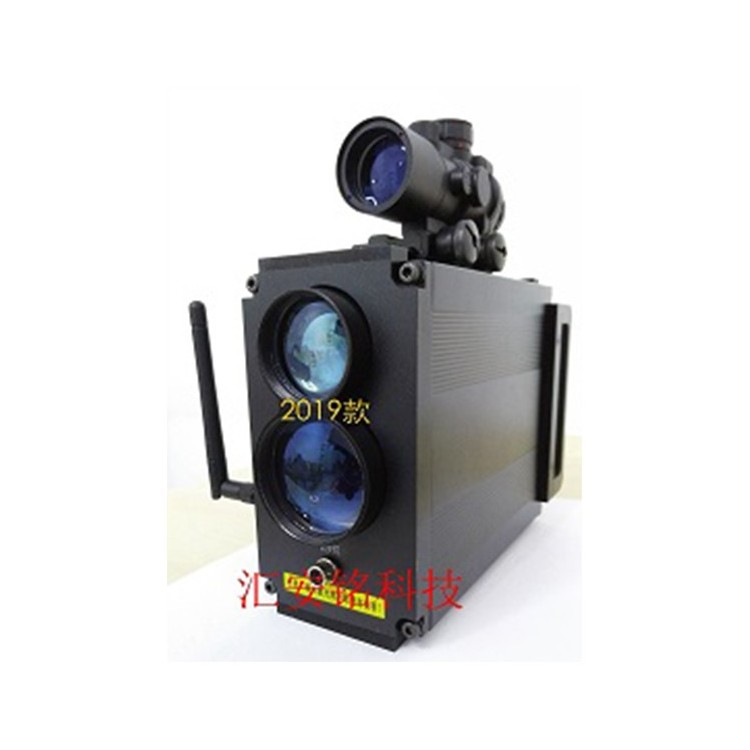












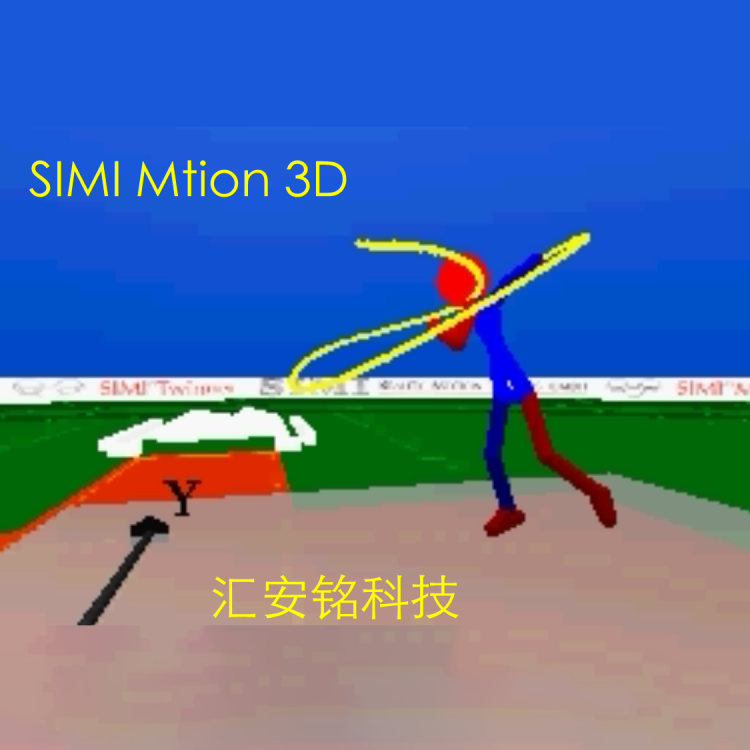


Our company specializes inSince 2000, we have introduced the German LAVGE sports laser speedometer for technical analysis in events like sprinting. Due to minimal global market sales, the German company announced the discontinuation of production. Domestic technicians began developing a domestic system to meet the training and research needs of the national team. Initially, the equipment was merely a copy.The sports stride analysis system has undergone continuous improvement and development over many years.By incorporating advice from several specialized coaches, the system software has integrated a variety of technical analysis methods, fully meeting training requirements.Performance far exceeds German products.Especially during the entire preparation period for the Tokyo Olympics with the national track and field team, the system functions were continuously improved in a targeted manner based on the training needs of Su Bingtian's foreign coach and other long jump coaches.Convenient and practical.Join the National Track and Field TeamForeign NationalIndispensable scientific training for coachesEquipment。Perfect for training guidance in sprinting, hurdling, long jump approach runs, pole vault approach runs, and other short-distance sprints. This equipment has provided long-term data collection and analysis services for Su Bingtian's training during the preparation for the 2021 Tokyo Olympics.
Step Speed Analysis SystemThe advantages
1. Technical Advantages
The laser has good directional properties and is not subject to interference from nearby objects during measurement. Additionally, the laser's short wavelength enables high-precision measurements.
2Safety
We utilize a German high-speed, high-precision laser distance sensor, which emits laser pulses belonging to a class that ensures eye safety.
3Zero interference
The laser speed measurement system employs non-contact measurement methods, with wireless data transmission.WiFi connection (no need for site wiring), causes no interference to athletes.
4Quick response
The laser speed measurement system displays results immediately after measurement, allowing athletes to view their data at once, enabling coaches to provide instant evaluations and guidance, yielding excellent feedback.
5、PowerfulData Collection Professional Software
(1)Available for drawing"Speed/Time", "Speed/Distance", "Distance/Time", "Average Acceleration"Multiple data analysis curves
(2)、Multi-curve comparison display (supports)6 curves displayed on the same screen).
(3)Customize the distance range for marking and calculate the average speed within the range.
(4)、Smooth curve processing (variable smoothing factor).
(5)、Long Jump SpecialSpeed Analysis for the "1-6-11 Range" (evaluation criteria can be customized).
(6)、100-meter "10-10 Equidistant Interval" speed analysis.
(7)Speed-time curve and video are displayed in syncThis laser velocity measurement system features a speed measurement frequencyCertainlyComplementing the frame rates of commonly used cameras25Hz/30Hz/50Hz/60Hz/100Hz five options available, facilitating post-production video and data synchronization needs.)。
(8)Convenient auxiliary features:Measurement Data Classification Search (by name, date), delete erroneous or interfering data, starting lineJump pad distance adjustment, interface screenshot output function, export measurement data (CSV format).
(9) Portable for on-site training: Size similar to a standard camera, a small instrument case + tripodA laptop is all you need to get started.
Section Two:Relevant equipmentPerformanceCompare
Currently, commonly used methods and equipment for speed measurement include: section speed measurement systems, radar speed gauges, ultrasonic speed meters, photographic and video speed measurement, and stopwatches for timing. These devices have limitations such as inconvenience in use, slow feedback speed, and low measurement accuracy. A simple analysis is as follows:
1. Segmented Speed Measurement System: This system offers the average speed between two pairs of known distance sensors, and is unable to provide continuous speed variations. The accuracy of speed measurement depends on the number of sensors, but it is not practical to increase the number of sensors indefinitely. Therefore, it is more suitable for long-distance events like middle and long-distance running, rather than short-distance sprints with shorter event times.
2. Radar Speed Gauge: Due to the principle of electromagnetic wave reflection used in radar speed measurement, it is susceptible to interference from ground reflections and other external factors. Additionally, the emitted microwave angle is wide, significantly affecting accuracy. Currently, it is rarely used in scenarios for measuring the speed of slow-moving objects (human movement).
3. Ultrasonic Speed Meters: As ultrasonic waves are also a type of sound wave, their speed is temperature-dependent, and they are significantly affected by temperature changes during use. Additionally, they cannot be used normally in situations where the target to be measured is not perpendicular to the transducer of the sensor, in windy conditions, or when rapid response is required.
4. Photographic and Video Speed Measurement: Requires post-processing of images after filming, and calculates speed based on parameters such as time and frame count. High requirements for shooting techniques and equipment, slower feedback, and more complex to use.
5. Speed measurement with stopwatches and timing devices: Easy to use but prone to interference from operational errors and external factors; can only calculate the average speed over a certain distance, with limited measurement accuracy.
Configuration:
One main unit, one software, one tripod1 piece, instrument case 1 piece.
Service Email:hamyzz@126.com Service WeChat:simisimisimi

















