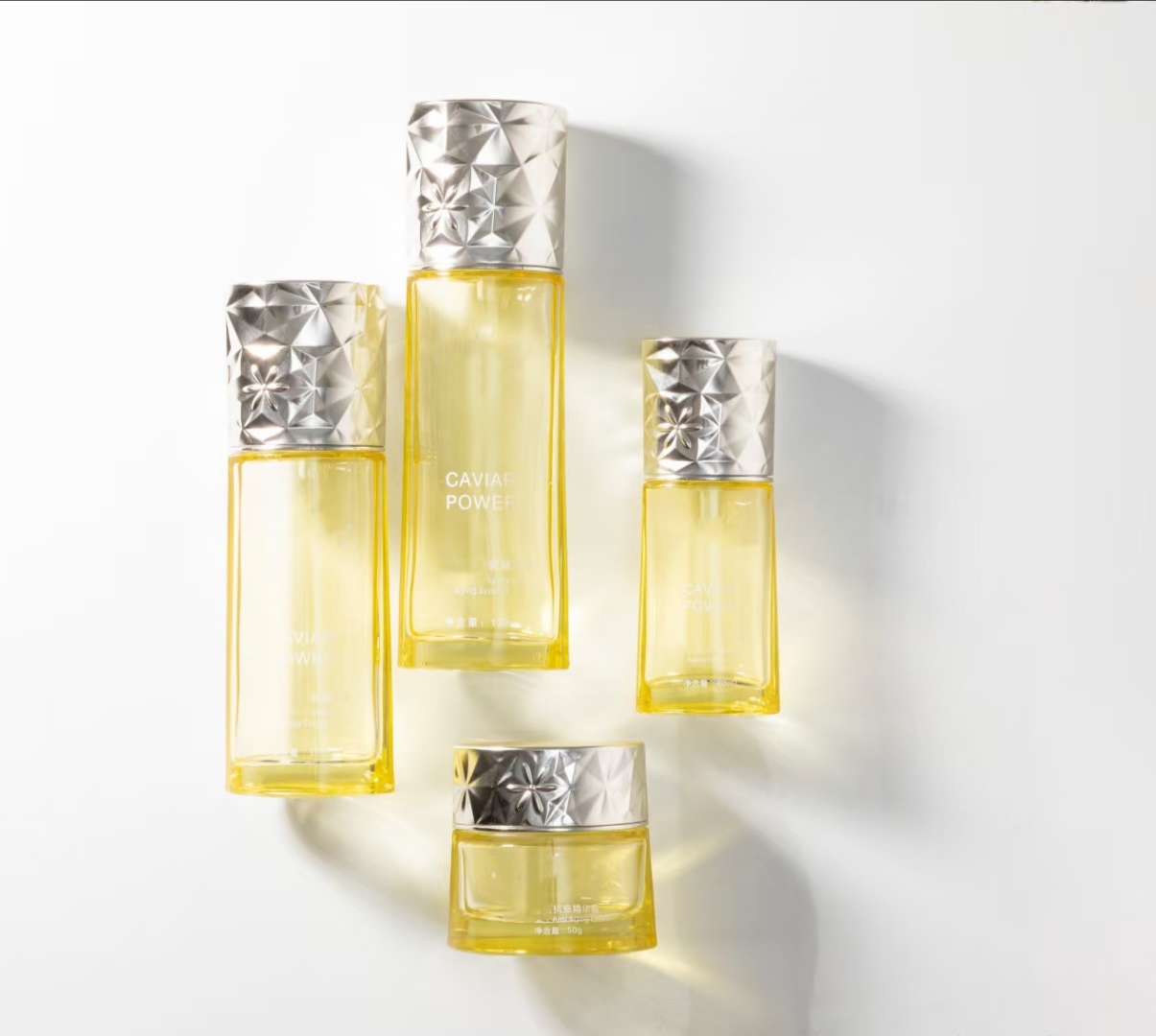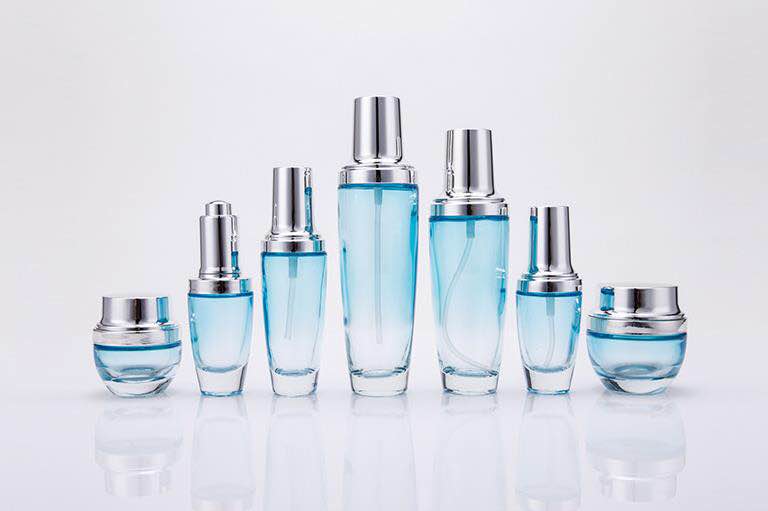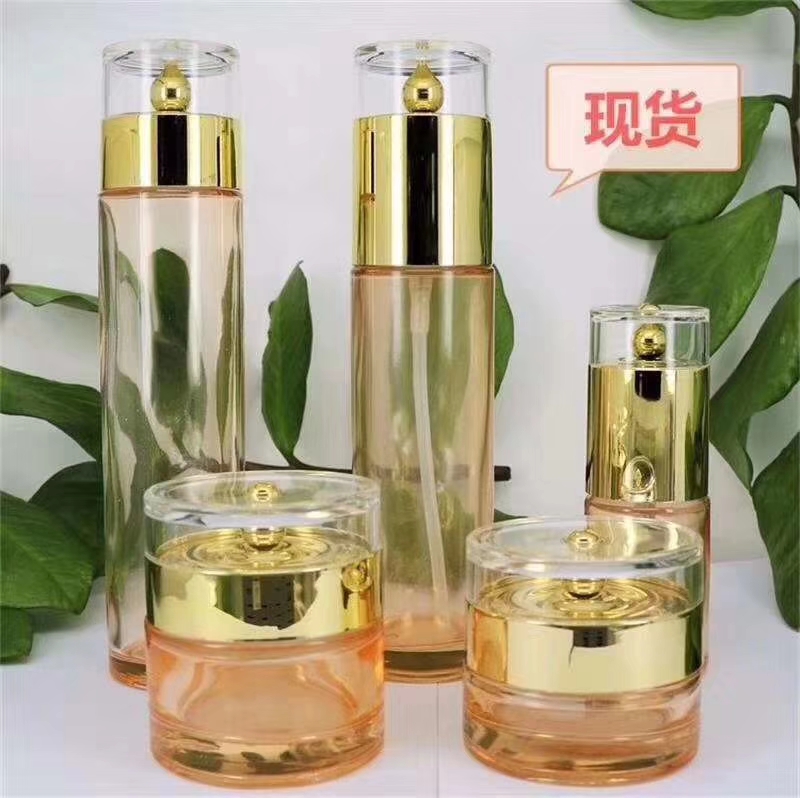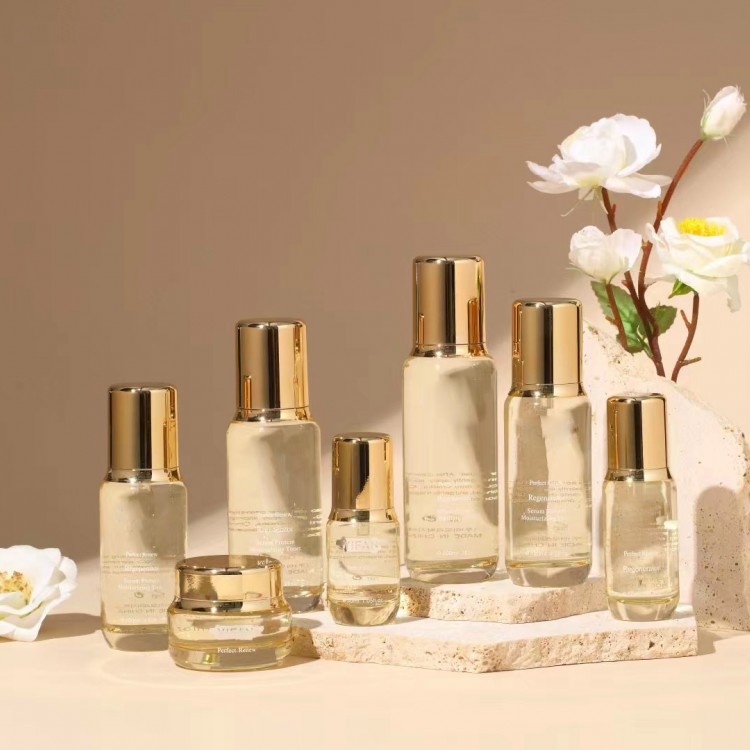

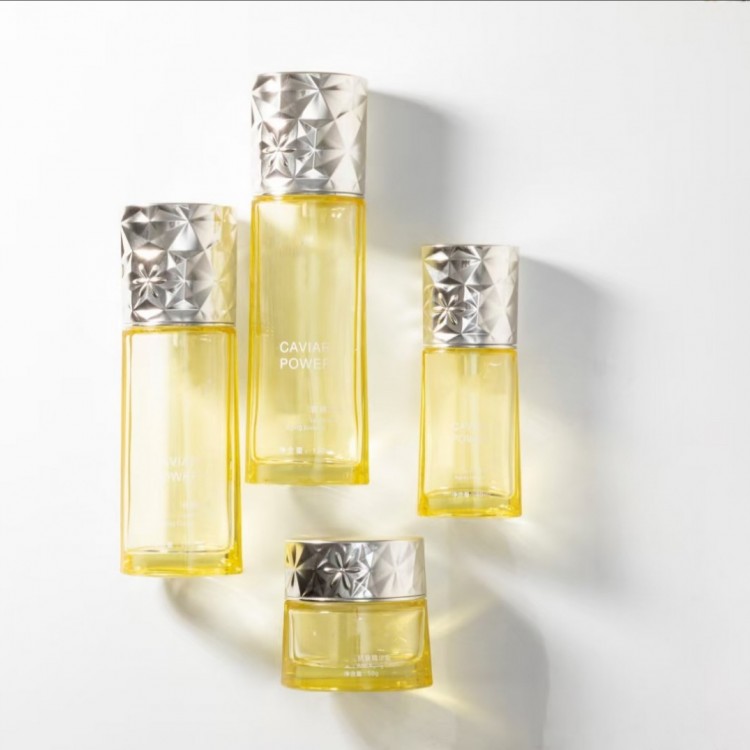

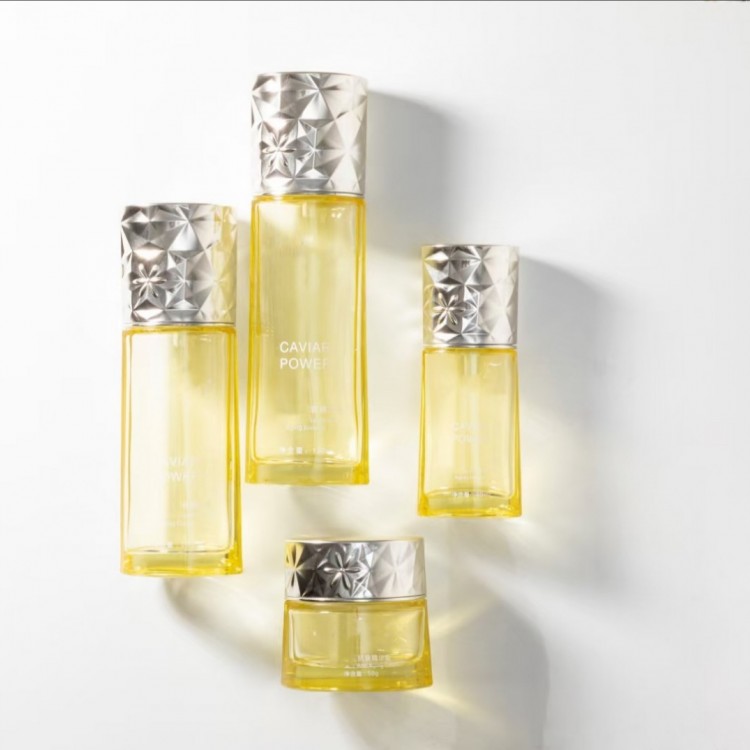
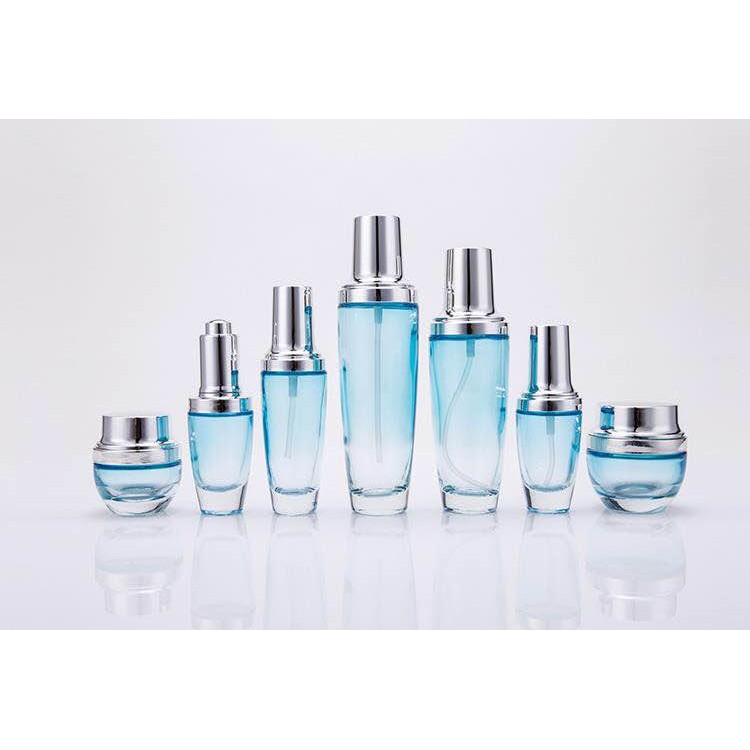
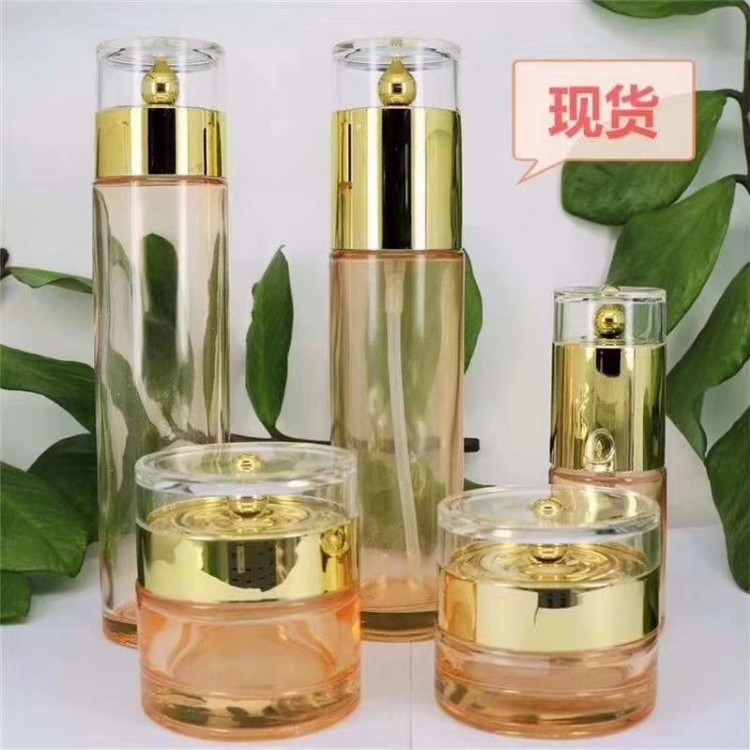











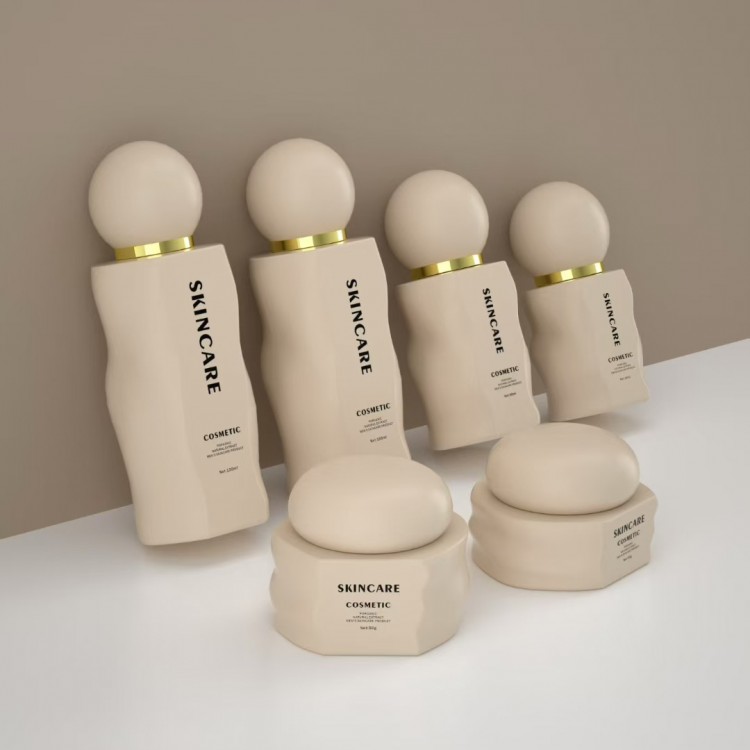
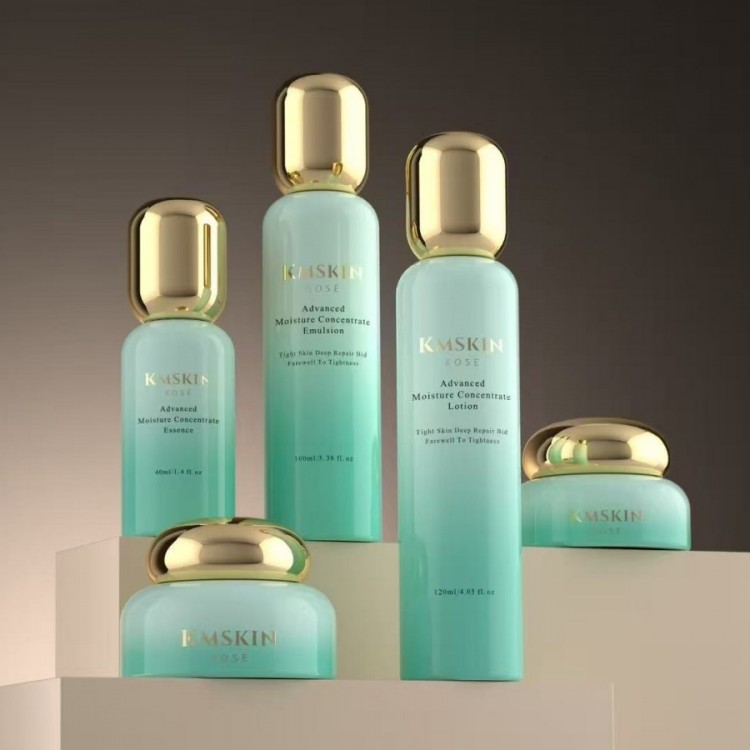
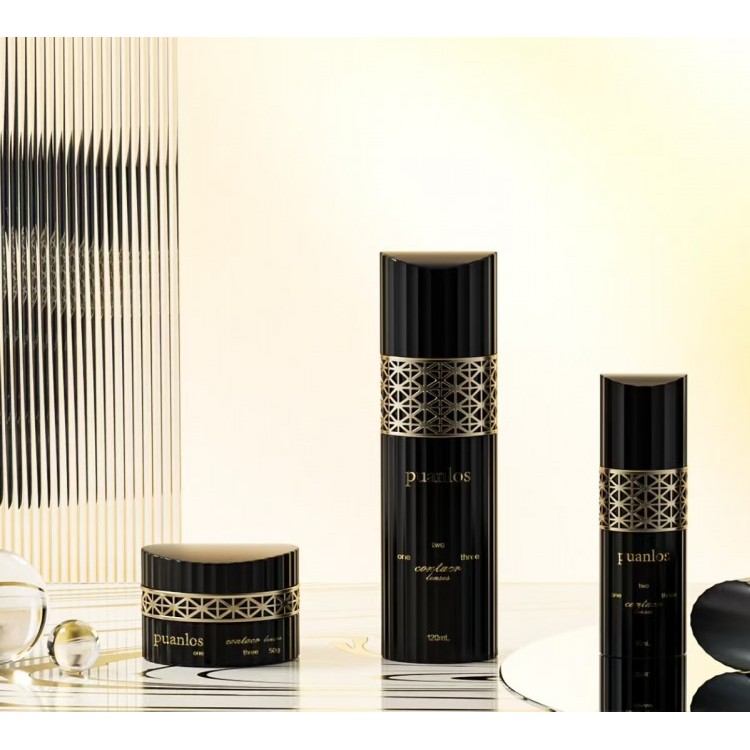
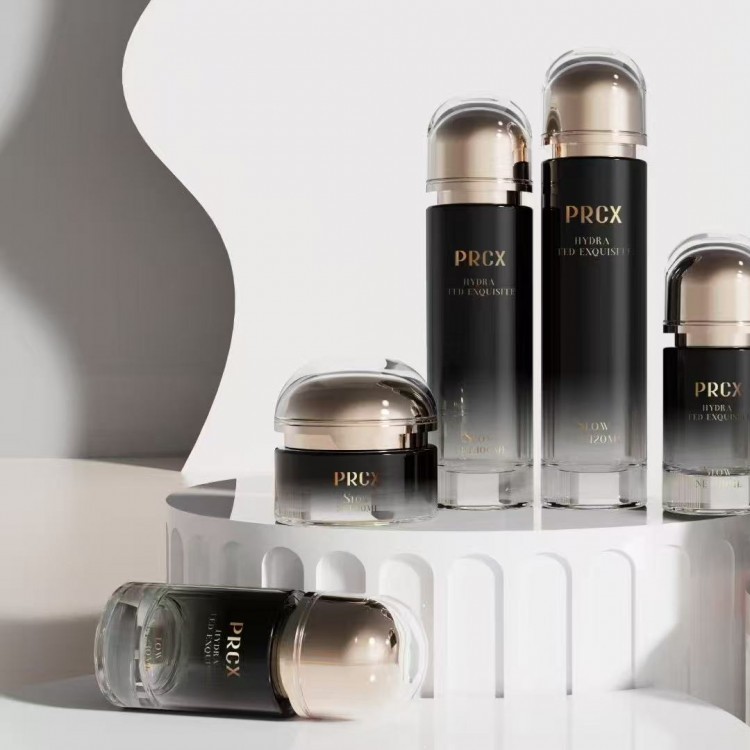
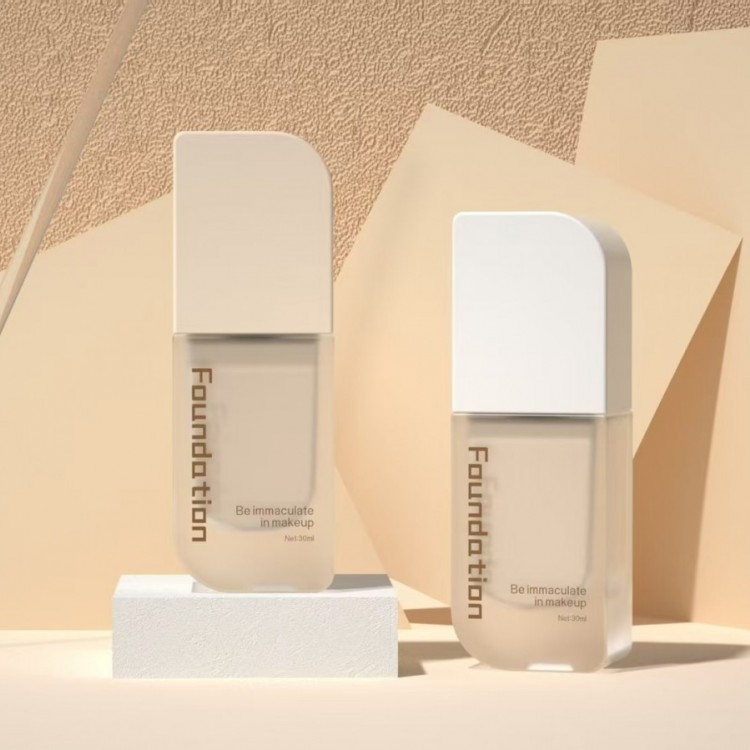
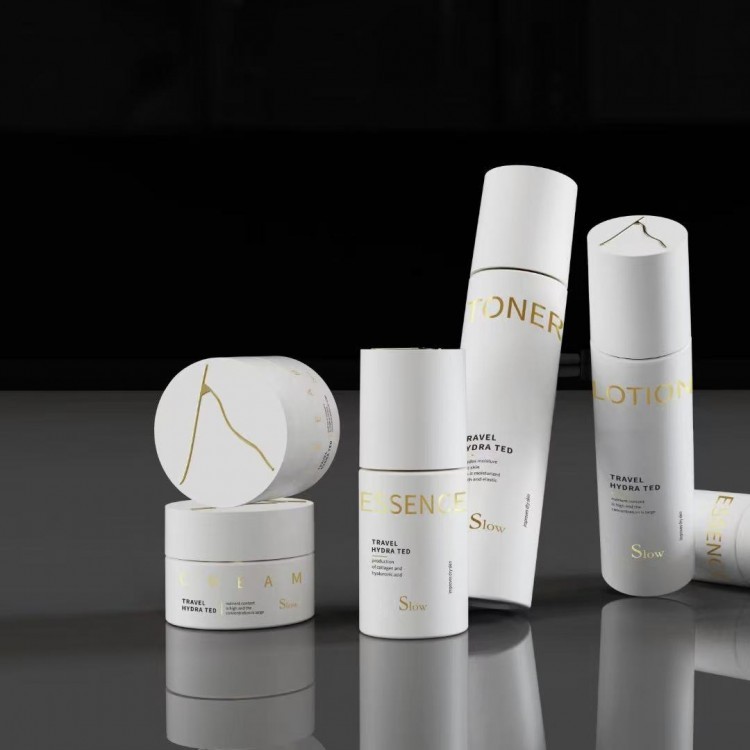
Cosmetic Packaging Bottles with Electroplate: Aluminum exterior, coated with a layer of plastic on the inner side. Electroplating (UV): Produces a brighter color compared to screen printing. Spray Painting: The color appears more subdued compared to electroplating. Outer Bottle Spray: The spray is applied on the outer side of the inner bottle, creating a noticeable gap between it and the outer bottle when viewed from the side, with a smaller spray area. Inner Bottle Outer Spray: The spray is done on the inner side of the outer bottle, appearing larger from the outside, smaller in a vertical plane, and without any gap with the inner bottle. Brushed Gold/Silver Coating: Essentially a thin film, visible seams can be found on the bottle body upon close inspection. Secondary Oxidation: Involves a second oxidation process on the existing oxide layer, resulting in a glossy surface with a matte pattern or vice versa, commonly used for logo creation.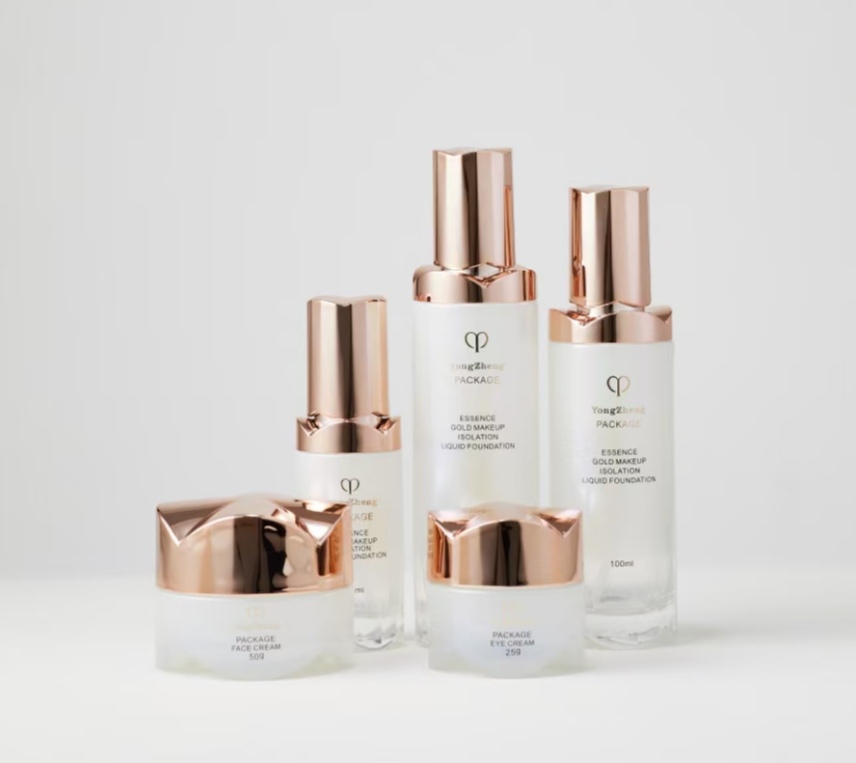
Injection color: It involves adding color powder to the raw material during the injection molding process, which is relatively cost-effective. Pearl powder can also be added, but adding too much titanium dioxide will turn the PET transparent color into an opaque one. The abrasive process on cosmetic empty bottles creates a sandblasted surface on the glass bottle, enhancing the tactile and visual texture while preventing fingerprints and stains from sticking, keeping the bottle clean. The transparent process for cosmetic glass bottles maintains the bottle's transparency, directly showcasing the product's original appearance. This technique is particularly suitable for products that aim for a minimalist style.
The semi-transparent tinting process adjusts the transparency and color of glass bottles to create a unique effect, making them appear more mysterious and attractive. When manufacturing cosmetic glass bottles, material selection is crucial, often opting for high-quality glass materials to ensure product quality and safety. Design considerations must factor in the product's characteristics and image, as well as the practicality and aesthetics of the bottle. The processing technique also affects the appearance and quality of the glass bottle, and it is essential to choose the appropriate technique based on product requirements. Strict quality control must be maintained during production to ensure the glass bottles meet the required standards.