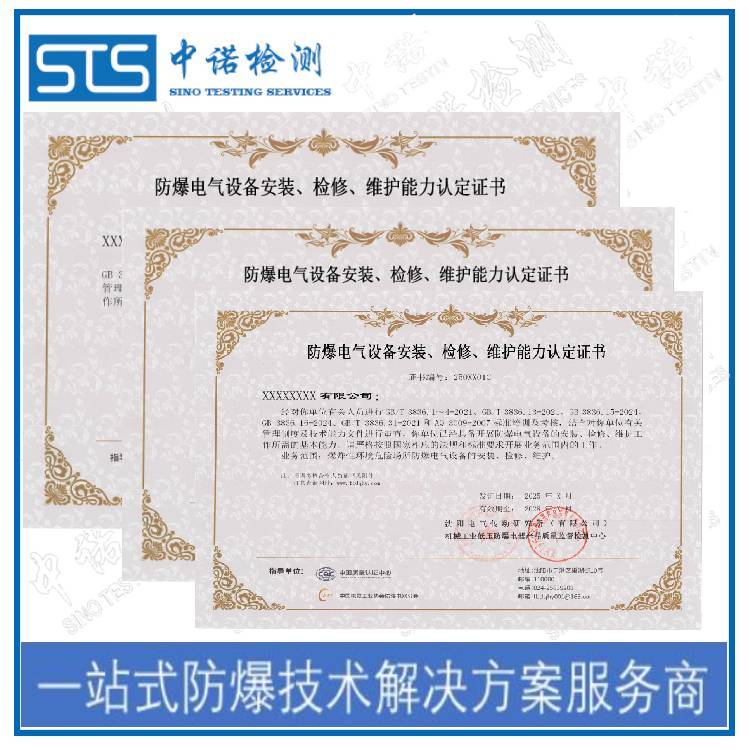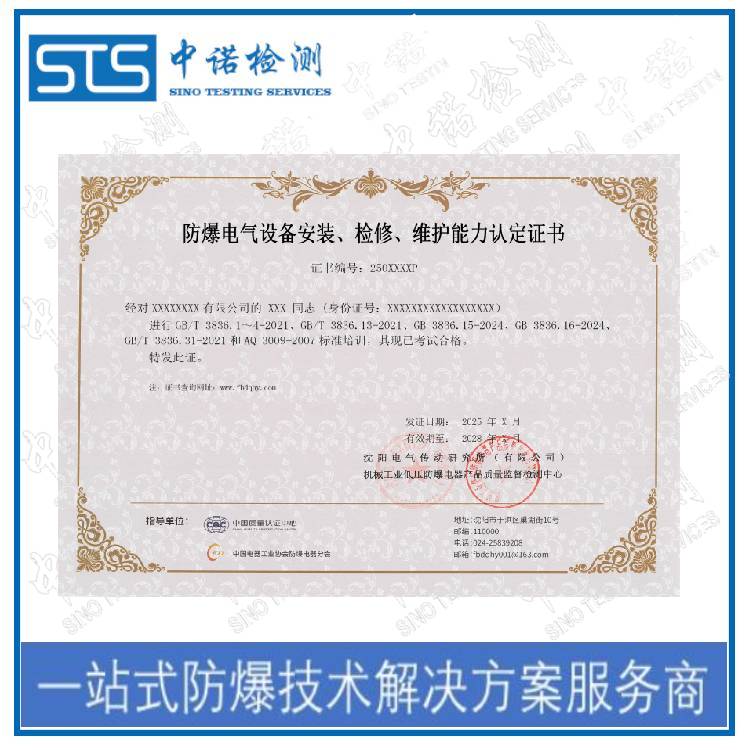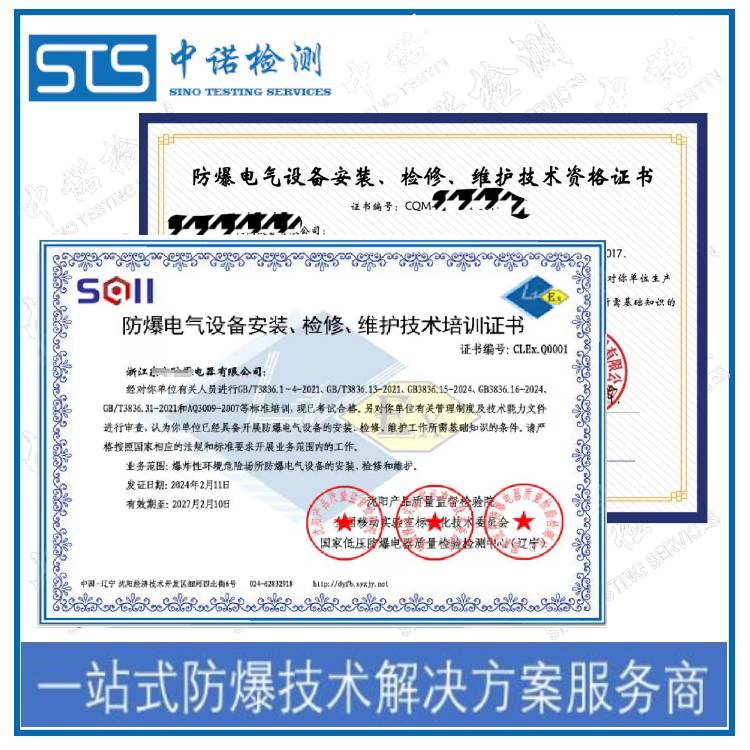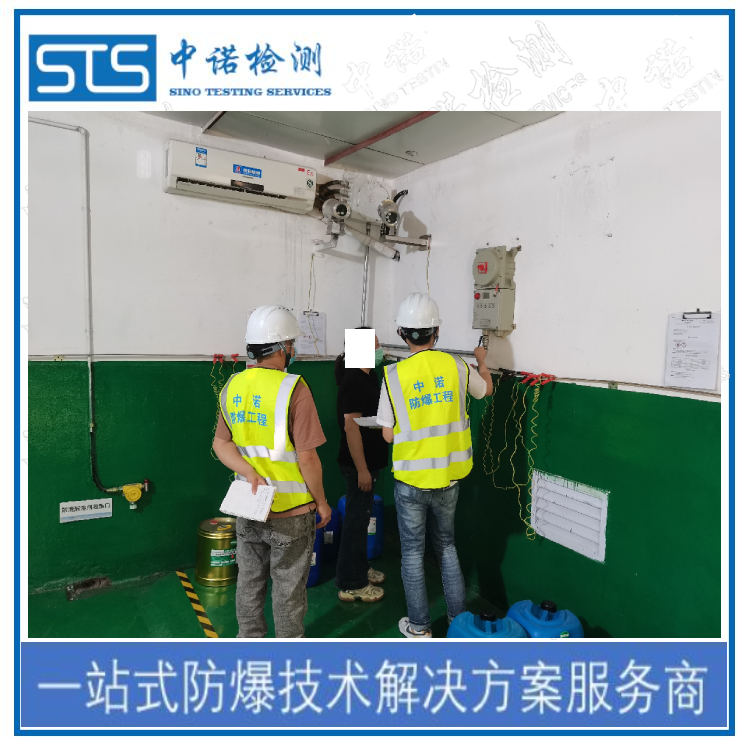

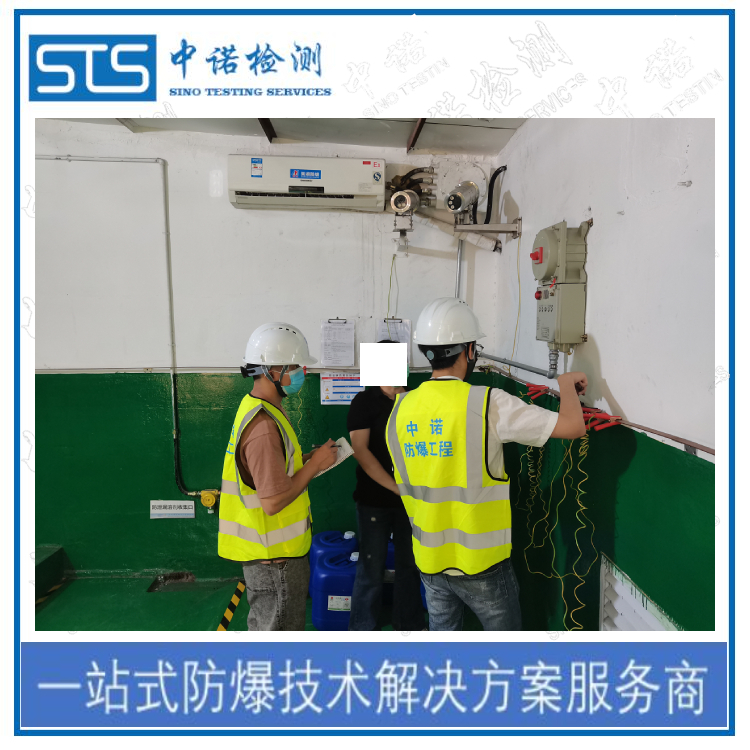
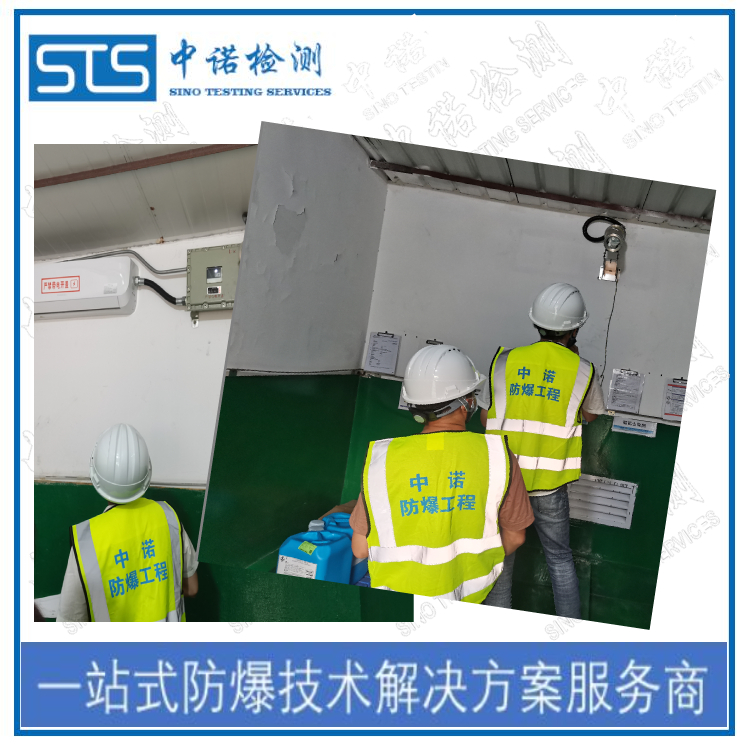


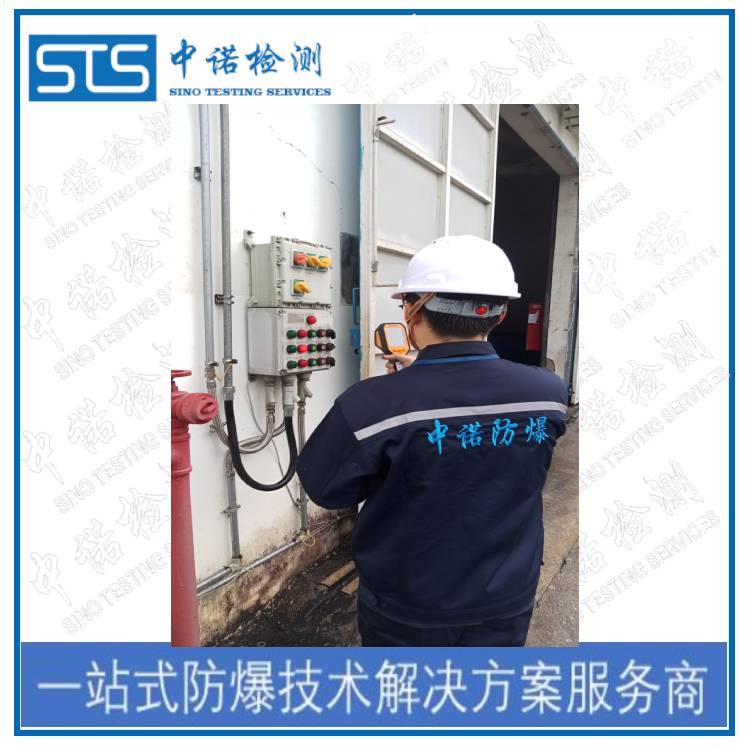
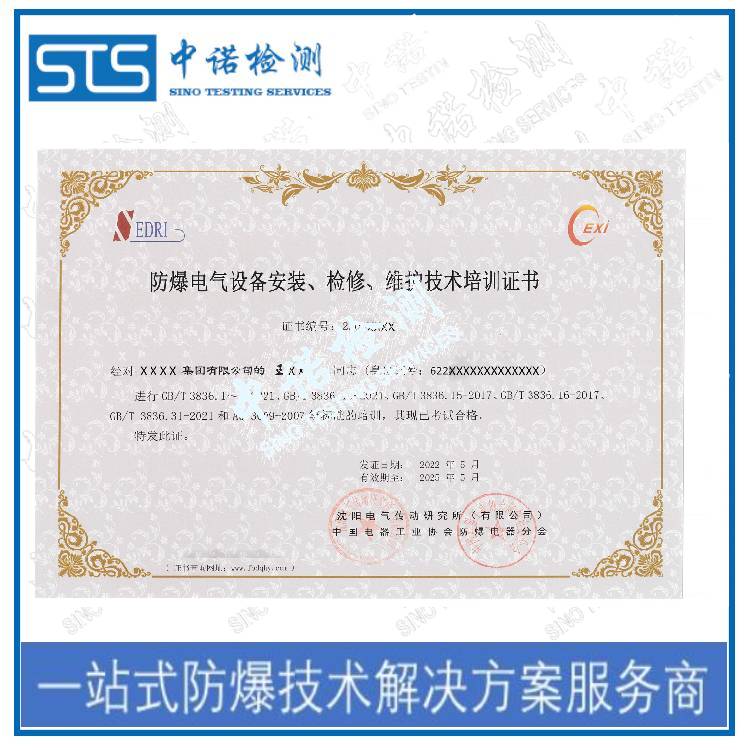
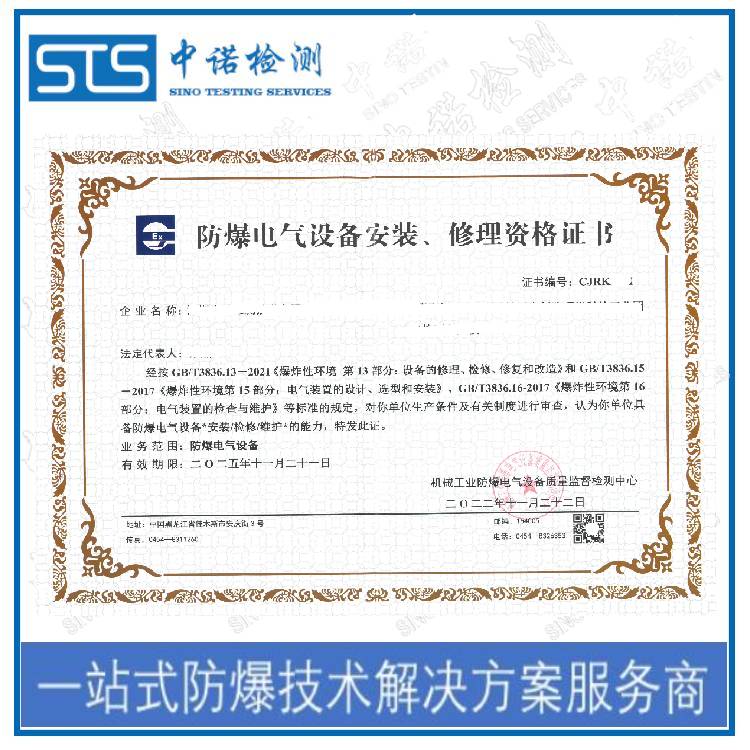
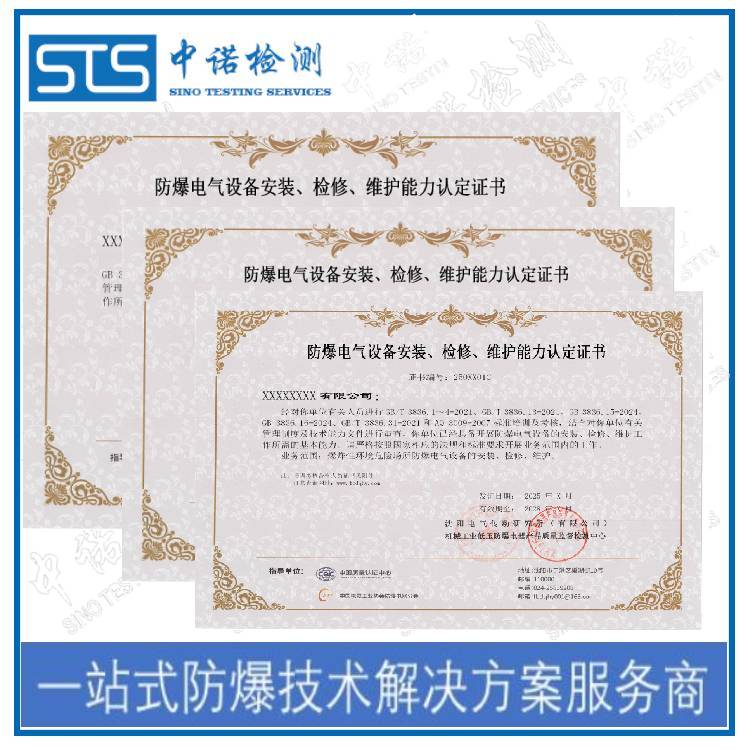





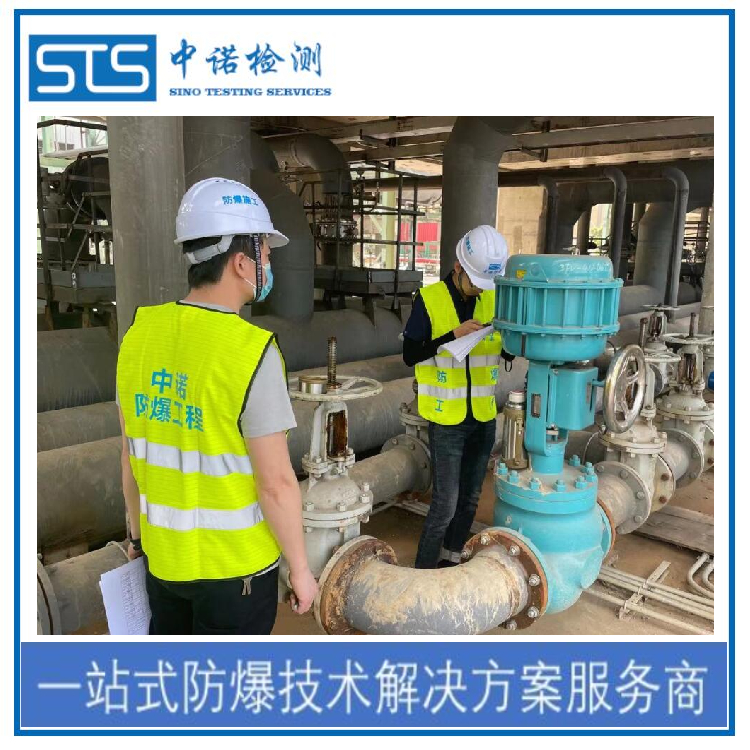
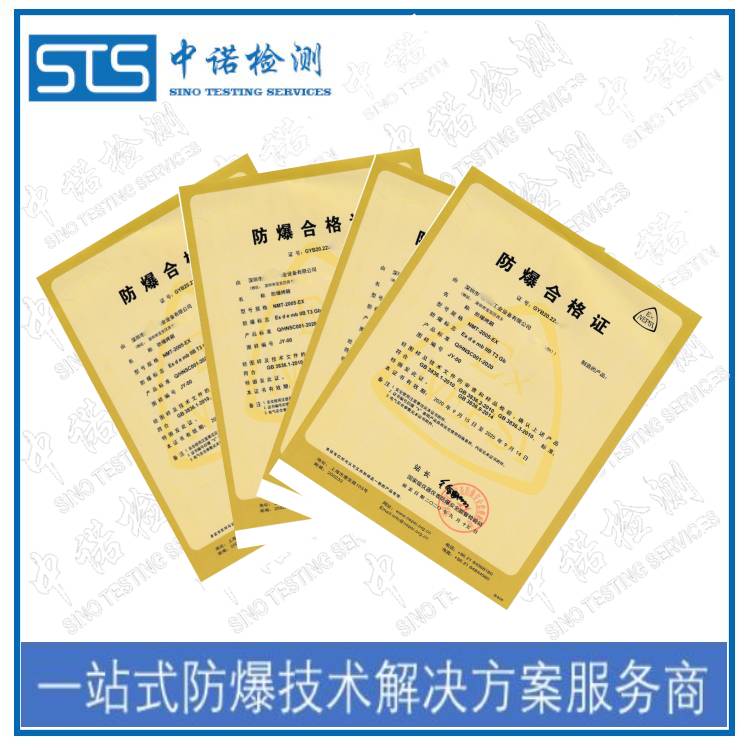
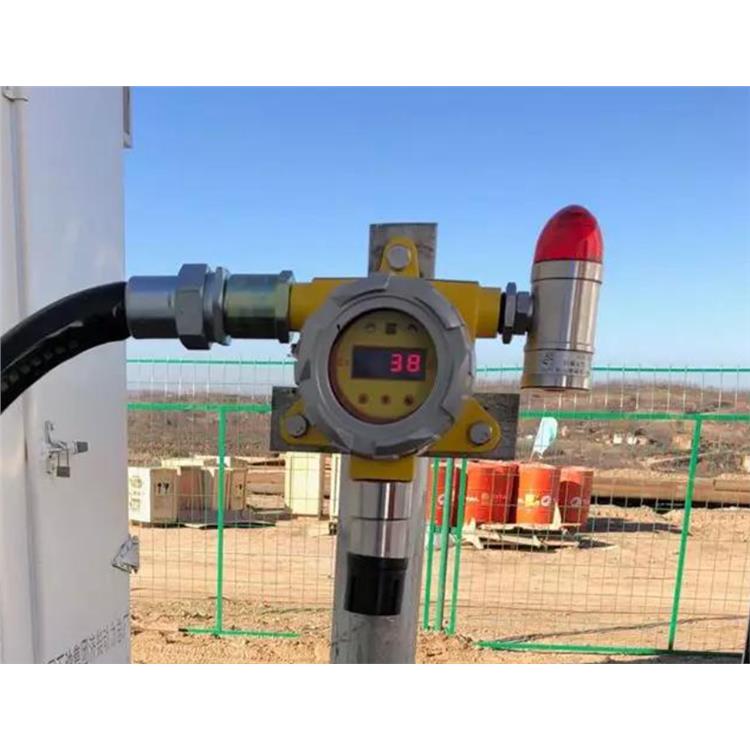
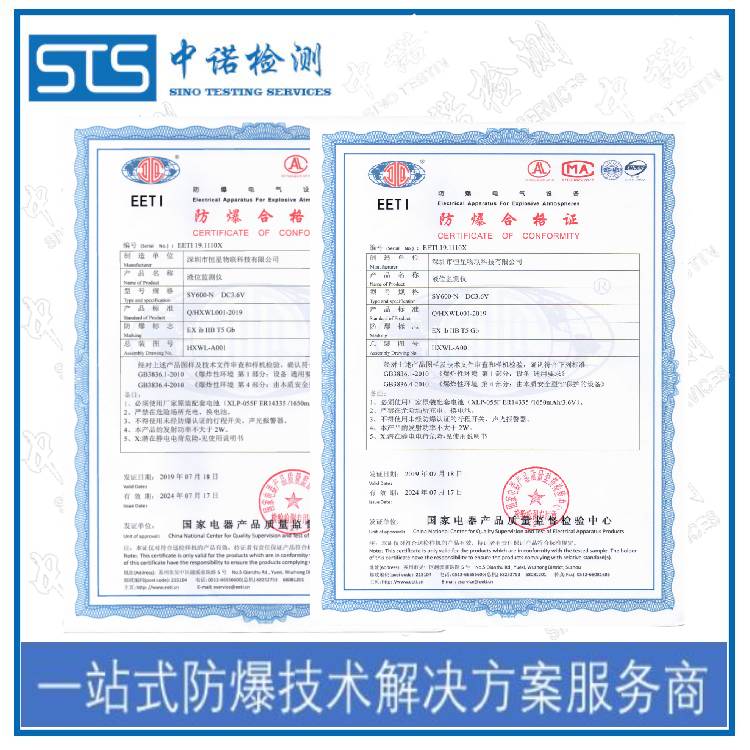
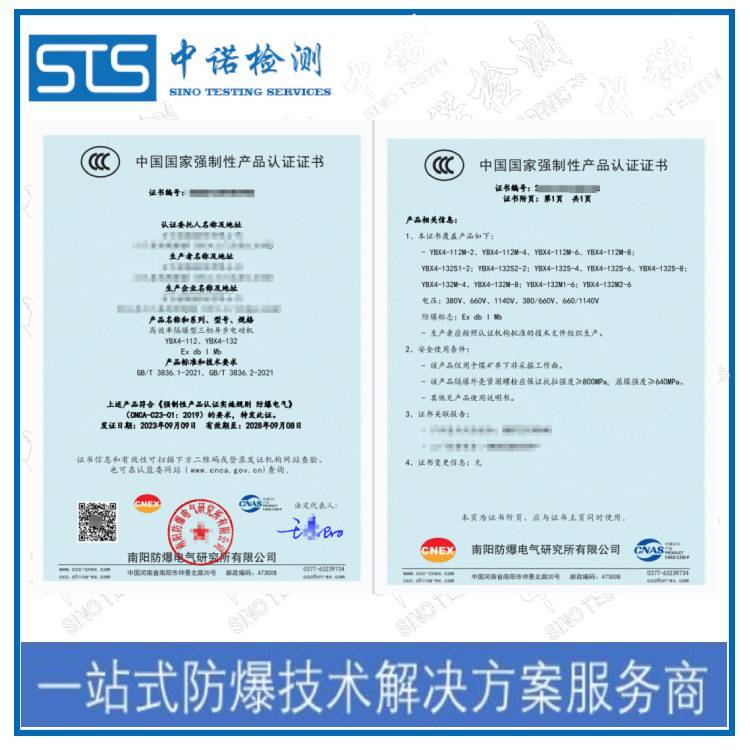

Shenzhen ZhongNuo Testing Technology Co., Ltd. offers on-site explosion-proof electrical inspection, explosion-proof project acceptance services, and can provide explosion-proof rectification and construction services for items not meeting inspection standards.
Shenzhen Zhongnuo Testing Technology Co., Ltd. summarizes past experiences in explosion-proof electrical inspection, common non-compliance items found during on-site explosion-proof electrical inspections:
Currently, China's hazardous chemical production enterprises frequently experience accidents, thus demanding a high priority on safety production inspections. We should gradually clarify the safety performance of products and equipment involving personal safety, and progressively establish a significant role in safety production inspections. Now, safety inspections can provide substantial technical support to hazardous chemical enterprises, especially for electrical explosion-proof safety inspections, which should be widely promoted, continuously guiding and serving the enterprises' safety production efforts.
1. Design is not reasonable in the hazardous area
Many businesses are constrained by their company history, and at the same time, the production materials of the companies are continuously changing, making the demarcation of hazardous areas uneven and rather chaotic. The layout of equipment and facilities does not meet the explosion-proof requirements.
2. Understanding of explosion-proof knowledge is relatively weak
In many hazardous chemical enterprises, there is a lack of distinction between electrical explosion-proof safety inspections and fire protection electrical and building electrical inspections. There is a lack of standardization in temporary electrical use, firework operations, equipment replacement, and electrical management systems.
3. Improper installation of explosion-proof electrical equipment
Although many companies now have explosion-proof features in electrical facilities, there are still many issues in installation, such as direct wiring connections, missing explosion-proof face screws, and using PVC pipes for wiring in incoming and outgoing pipelines. Additionally, the installation of switches and outlets, wiring terminals, power and lighting distribution boxes, grounding systems, and electrical wiring systems is not very rational, with many safety concerns.
4. Explosion-proof electrical wiring does not meet specifications.
In explosive environments, most companies currently do not place enough emphasis on explosion-proof electrical wiring, fail to correctly understand the technical parameters of hazardous materials in dangerous areas, and often wire randomly.
5. Non-standard grounding of explosion-proof electrical equipment
For explosion-proof electrical equipment grounding, there are mainly internal neutral grounding, casing protection grounding, and static elimination grounding. The grounding of uninsulated metal casings is often poorly done, with frequent occurrences of grounding wires being connected to material pipelines.
6. Lacking comprehensive overall planning for explosion-proof zones in the selection of power distribution and control rooms.
Many distribution and control rooms are within explosion-proof zones but lack adequate explosion-proof measures.
7. Explosion-proof electrical equipment selection and requirements are not compliant.
In electrical explosion-proof equipment, there is no distinction between environments with combustible dust and those with explosive gases; they are mixed and used together. In different hazardous areas, there are different electrical explosion-proof regulations, explosion-proof markings, and types, as well as varying levels and temperature classes. However, many enterprises mix and use explosion-proof electrical equipment without distinguishing these differences.
ZhongNuo Inspection offers services for explosion-proof site safety inspections.
1. Explosion-proof safety inspection of electrical equipment in hazardous areas
2. Explosive Dust Explosion Proof Testing
3. On-site Evaluation of Electrical Equipment in Dust Explosion Hazardous Areas
4. Explosion-proof quality inspection for hazardous explosive areas and explosion-proof safety acceptance inspection
5. Explosion-proof electrical and non-electrical equipment, as well as explosion-proof engineering consulting, renovation, construction, and acceptance.
6. Explosion-proof technology consulting services.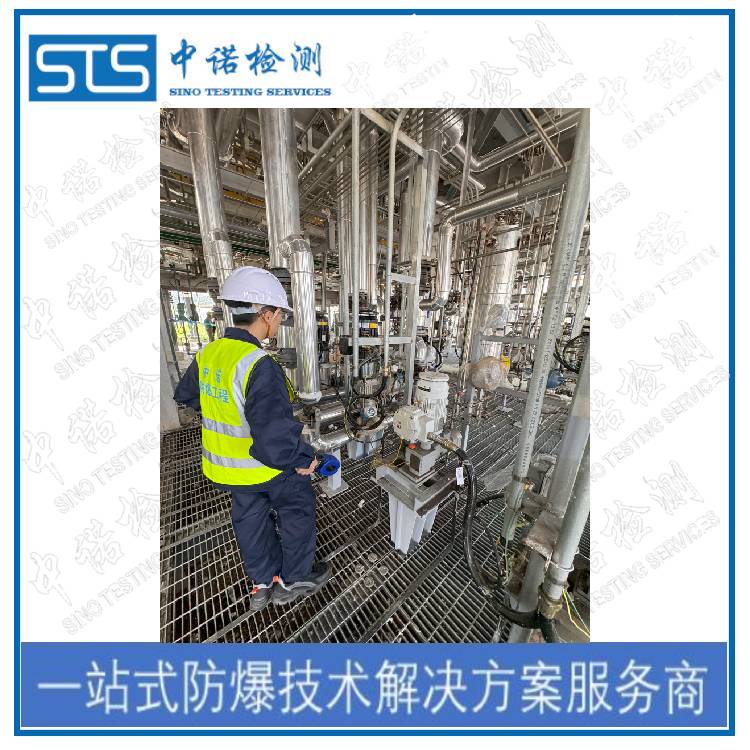
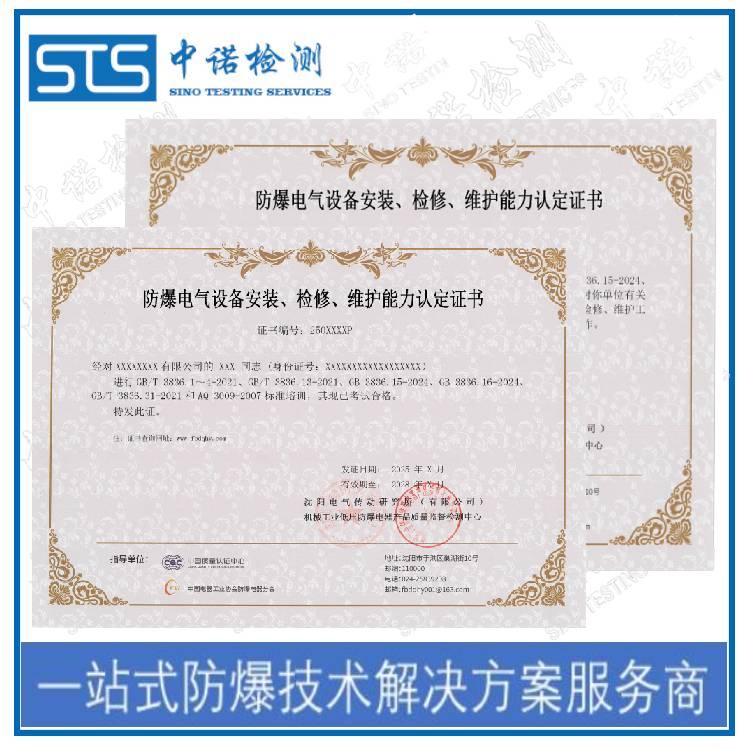
Examination and Acceptance Report for Explosion-Proof Electrical Construction - Applicant Institution:
It's widely known that after electrical work in explosive hazardous areas is completed, a third-party organization must conduct a post-construction inspection. Only upon passing the inspection can the facility be put into use. Additionally, beyond the company's regular checks, a facility with explosion-proof inspection qualifications must conduct inspections every three years.
What are the main items for acceptance inspection after completion here?
1. Inspect the explosion-proof electrical equipment for the presence of a label, Ex marking, and clear identification of the type, class, and group of the explosion-proof equipment. Is the label marked with the explosion-proof certificate number issued by the inspection unit?
2. Verify that the type, class, group, environmental conditions, and special markings of explosion-proof electrical equipment comply with regulations.
3. Inspect the casing of explosion-proof electrical equipment for cracks or damage; check if the paint is intact, whether the junction box cover is securely fastened, and if the fixing bolts and anti-loosening devices are in place.
4. Inspect oil-filled electrical equipment for oil leakage and seepage, ensuring the oil level meets the specified requirements.
5. Ventilation and exhaust systems of explosion-proof electrical equipment with positive pressure should be unobstructed, connections should be correct, and the installation positions of inlets and outlets should meet the requirements.
6. Are the extra entry ports of the explosion-proof electrical equipment properly sealed in accordance with regulations?
7. Installation of sealed or insulated devices in electrical circuits should comply with regulations.
8. Wiring projects for intrinsic safety explosion-proof electrical equipment shall comply with design requirements for routing and elevation; the lines should be marked with a sky blue sign.
9. The grounding or neutral bonding of explosion-proof electrical equipment, as well as static electricity grounding, should meet design requirements and be firm and reliable.
10. At the time of completion and acceptance, submit the relevant documents, materials, manufacturer's product instructions, test records, qualification certificates, and installation drawings, as well as other technical files.
11. At the time of acceptance, the following measurement records should also be submitted:
Record of measurement for the single-side air gap of the stator and rotor of explosion-proof motors with increased safety.
(2) Adjustment records for pressure relief devices protecting explosion-proof electrical equipment, such as wind and pressure relays, along with high-temperature readings from the equipment's housing during trial operation and test records of static dissipative grounding resistance values.
12. Explosion-proof electrical equipment operation records
The shell temperature of explosion-proof electrical equipment, including intrinsically safe and non-sparking explosion-proof electrical equipment, should not exceed the specified value.
(2) After the internal wiring of the junction box is securely fastened, the electrical clearance and creepage distance between the live parts and the metal enclosure should comply with regulations.
(3) The exhaust outlet of explosion-proof electrical equipment with positive pressure should not emit sparks. The micro-pressure relay should operate reliably when reducing wind pressure and air pressure.
(4) Protective devices and interlocking devices of explosion-proof electrical equipment shall operate correctly and reliably.
How often should explosion-proof electrical equipment be inspected? How to apply for an explosion-proof electrical equipment inspection report?
Should explosion-proof electrical equipment in use be checked regularly? How often should a check report be conducted? What standards are explicitly mentioned, and how are they stipulated, etc.? This is a question that many owners and clients in explosive hazardous chemical, grain and oil, and gas stations are eager to know. China Nuowei Inspection will simply answer this for you.
Due to the industry's specificity, facilities with explosive hazards must purchase and install equipment with valid explosion-proof certification, and ensure proper installation and maintenance. In addition, regular safety inspections and daily maintenance of these electrical devices for their explosion-proof performance must be conducted, to confirm their continued compliance. The AQ3009-2007 "Safety Regulations for Electrical Explosion-proof in Hazardous Areas" also stipulates clearly that regular inspections should be carried out by safety inspection and testing institutions with explosion-proof qualifications, with intervals generally not exceeding 3 years.
ZhongNuo Inspection has provided on-site explosion-proof inspections and改造 services for various gas stations, gas stations, oil depots, food factories, feed mills, chemical plants, etc., with a wealth of successful cases and industry experience.
If you happen to need a防爆电气检查报告 for this kind of on-site work, feel free to DM us for specific discussion.
On-site Explosion-Proof Electrical Equipment Regular Inspection Consulting Service - Shenzhen Zhongnuo Testing Technology Co., Ltd.
WeChat Official Account

Scan to follow Official Account