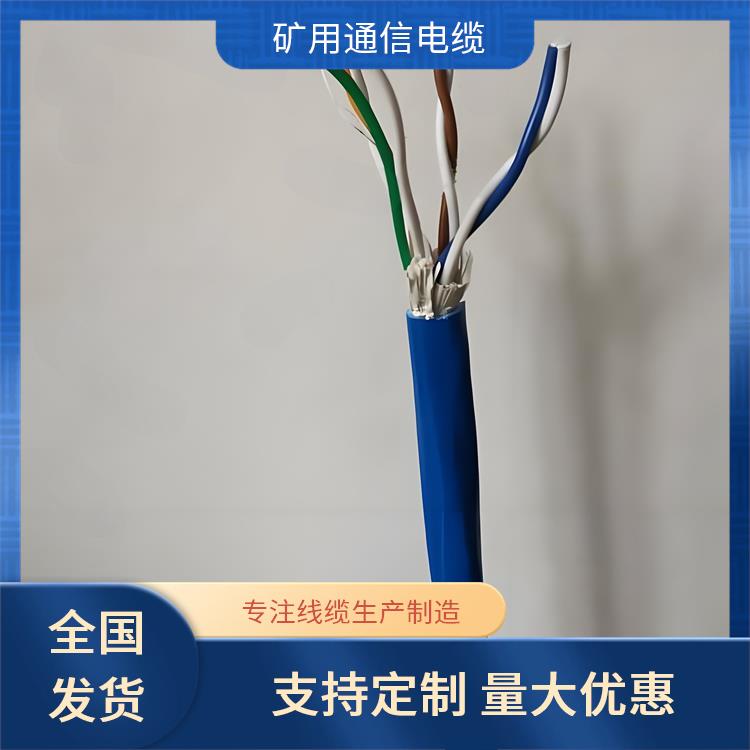










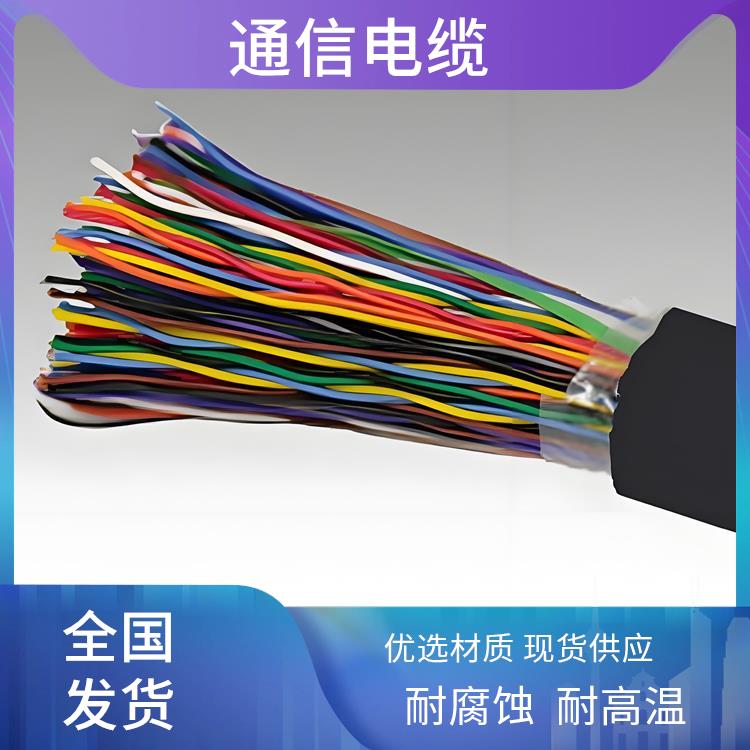
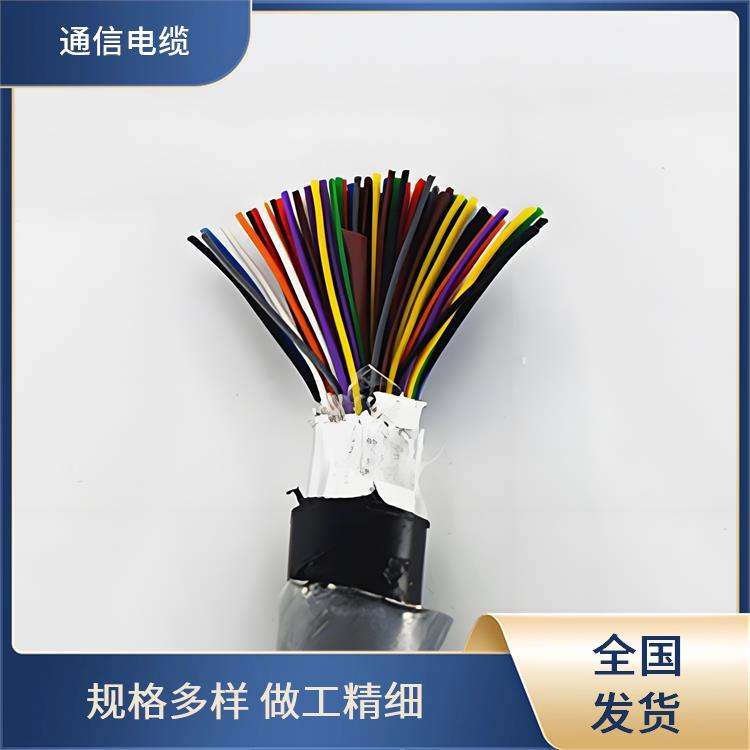
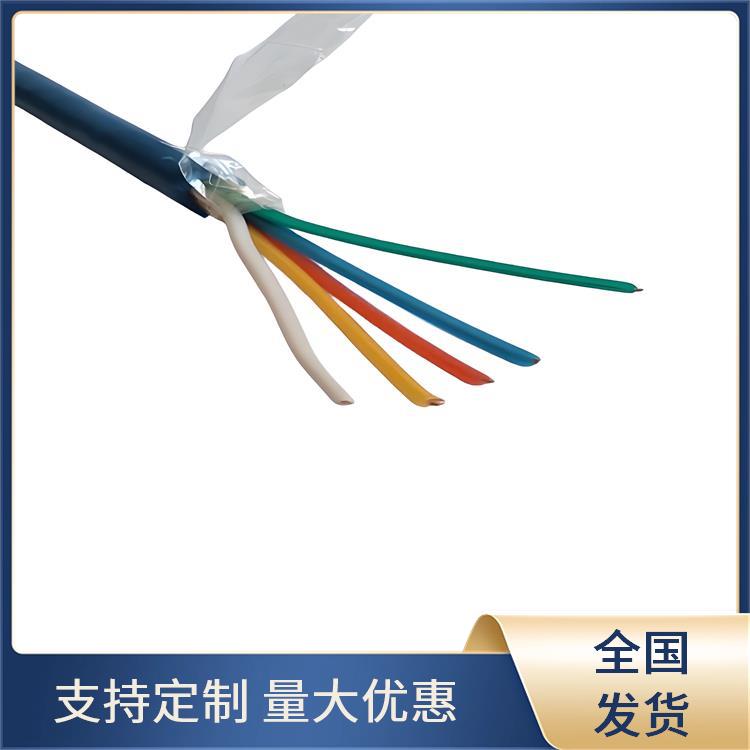

Mining communication cable application classification
If categorized by application, communication cables can be further divided into the following three types:
1. Long-distance Cables: Typically used over long distances, they are often multiplexed and mostly buried underground. In some cases, they are installed overhead or placed in conduits.
2. City Cable: The conductors inside the cable are "paired off," and there are many pairs. Generally installed in pipes, a small amount of city cable is suspended on buildings or installed overhead.
3. Central Office Cables: Primarily refers to communication cables used within telecommunication offices, typically mounted on distribution racks or sometimes in conduit. These cables are used for transmitting signals between equipment and switching systems within the telecommunication office, as well as for internal connections of other office equipment. For fire prevention purposes, flame-retardant sheaths may be added to central office cables within the office.
By the classification method mentioned above, communication cables can be either symmetrical cables or coaxial cables.
MHYV cables boast strong anti-interference capabilities. Inside mines, electromagnetic interference is a common issue. Through reasonable shielding design, MHYV cables effectively reduce the impact of external interference on signal transmission, ensuring clear and stable communication. This is crucial for miners' safety and operational efficiency.
During oilfield exploration and production, mining communication cables are used for communication connections between oilfield equipment, transmitting data and instructions such as well status and production efficiency, which are crucial for the smooth operation of oilfield work.
Mine communication cables are specifically designed for underground mining environments, featuring wear-resistant, tensile-resistant, moisture-proof, and anti-corrosive properties, ensuring stable operation under extreme conditions such as high temperatures, high humidity, and dust.
In airport and port areas, mining communication cables are used to connect equipment and systems such as flight navigation systems, security check systems, and shipping logistics systems, ensuring their normal operation and safe operation.
Electrical technical specifications for mining communication cables are numerous and stringent. Standard metal cables require conductor resistance, insulation resistance, working capacitance, insulation strength, and capacitance unbalance. For long-distance and coaxial cables, in addition to these, there are also requirements for end impedance, impedance non-uniformity, attenuation constant, and crosstalk. Mining communication cables are permitted to operate at temperatures ranging from -40°C to 50°C for extended periods, with an average relative humidity of 25°C at 25°C. Communication cables can be installed at temperatures not below -10°C, with the minimum bend radius of the cable being 1 times its outer diameter.
WeChat Official Account

Scan to follow Official Account