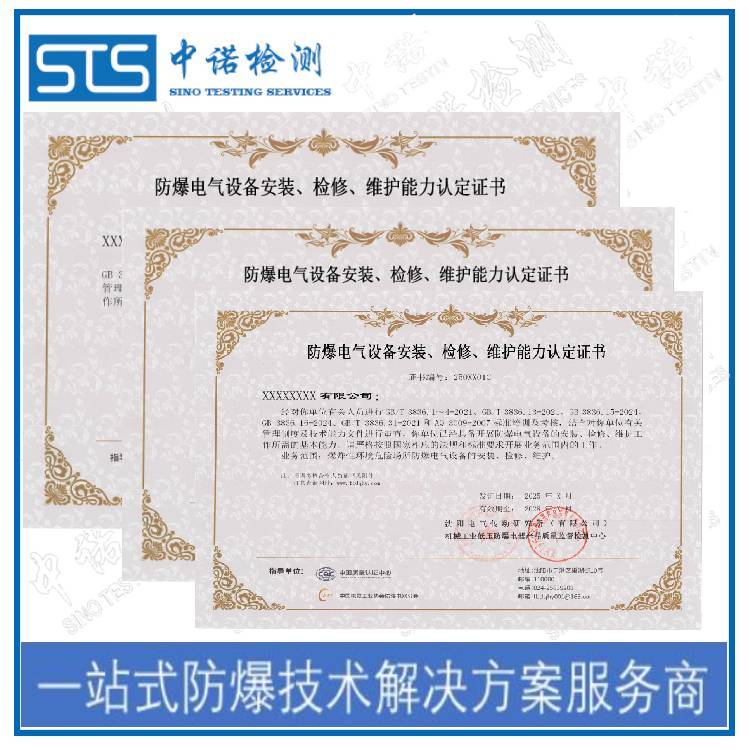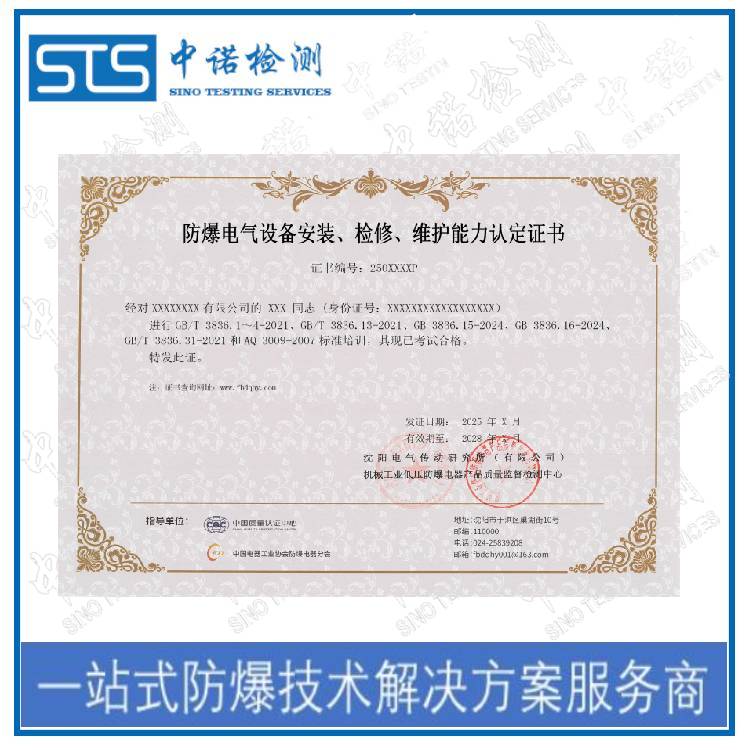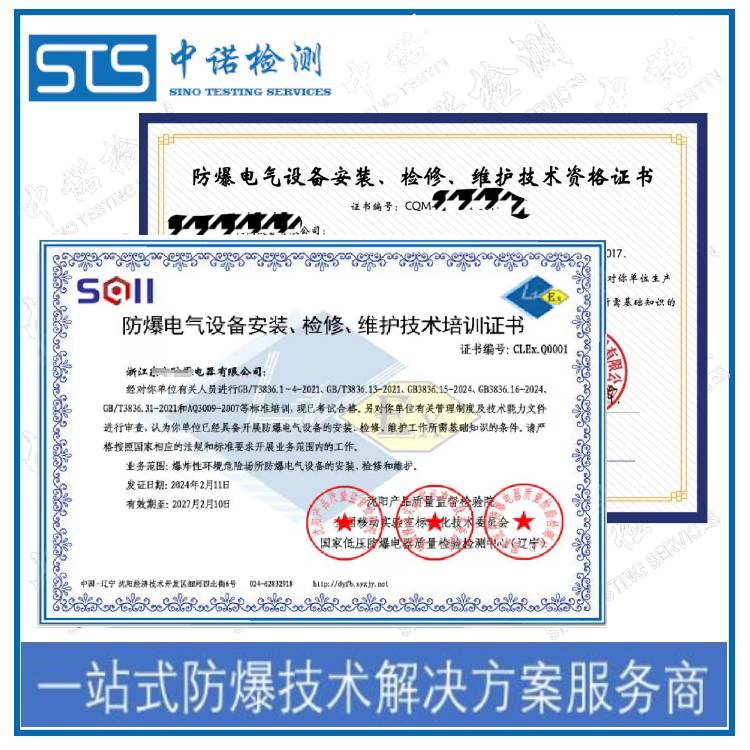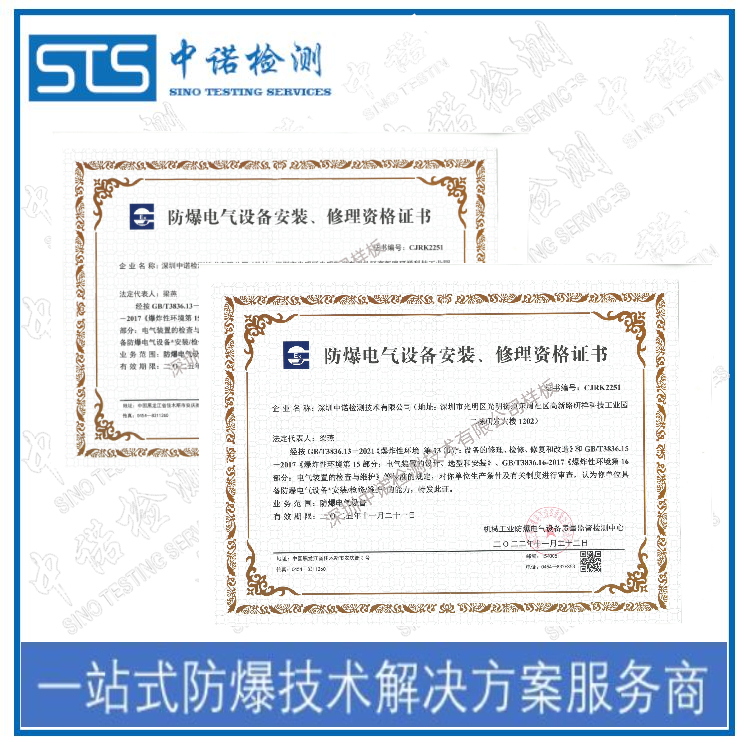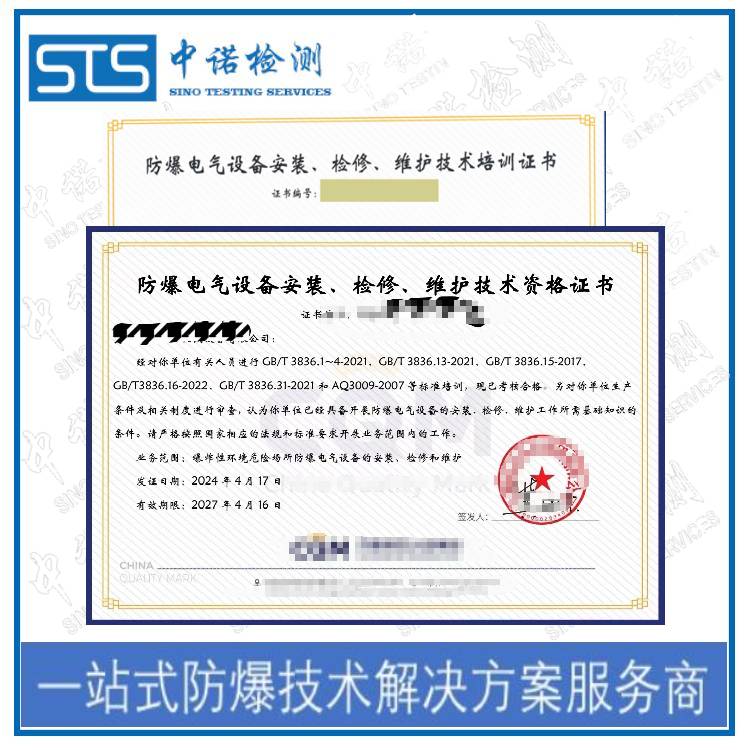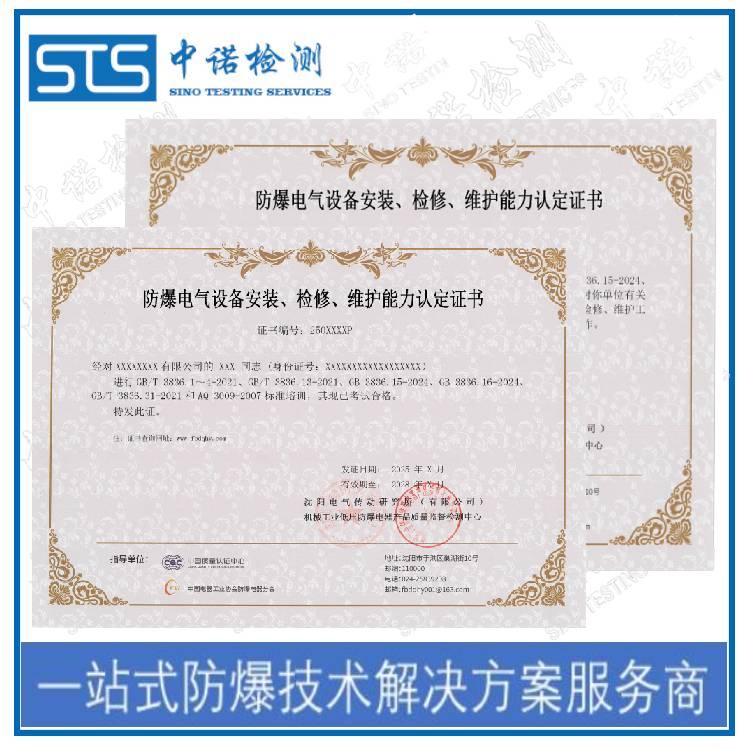
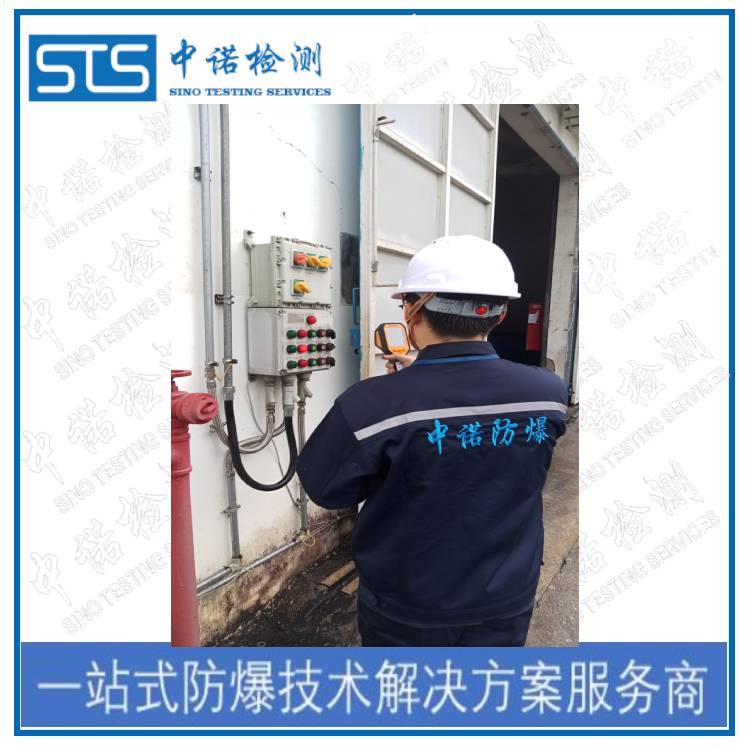
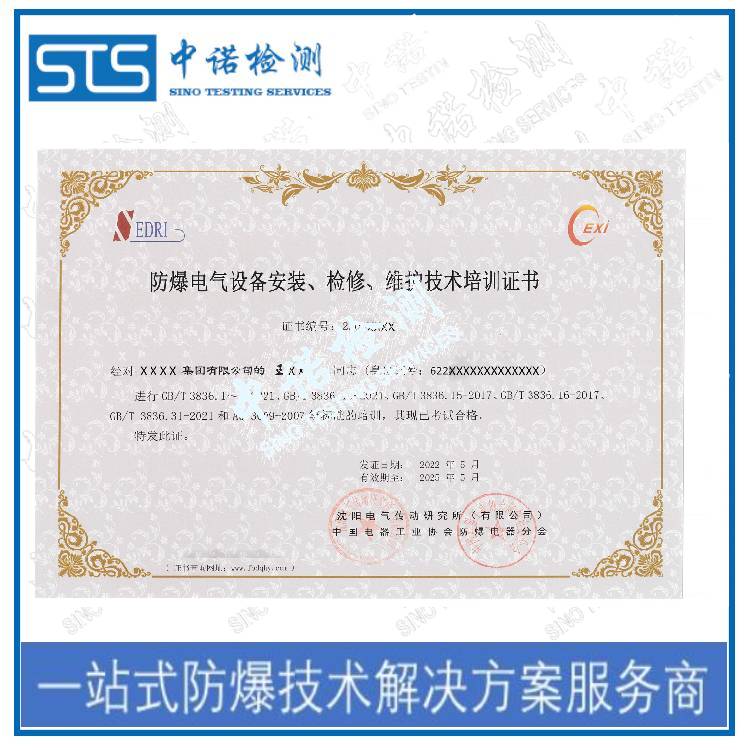
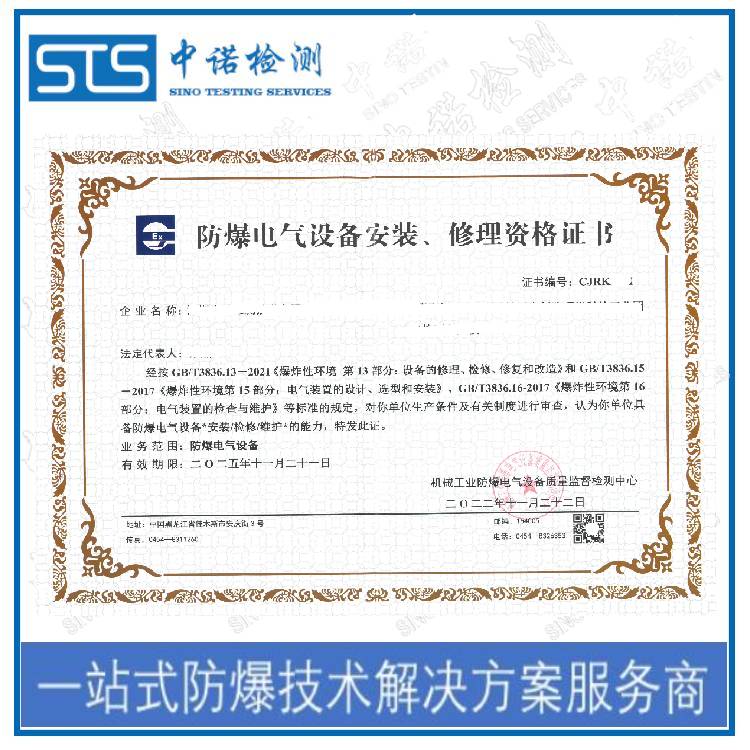
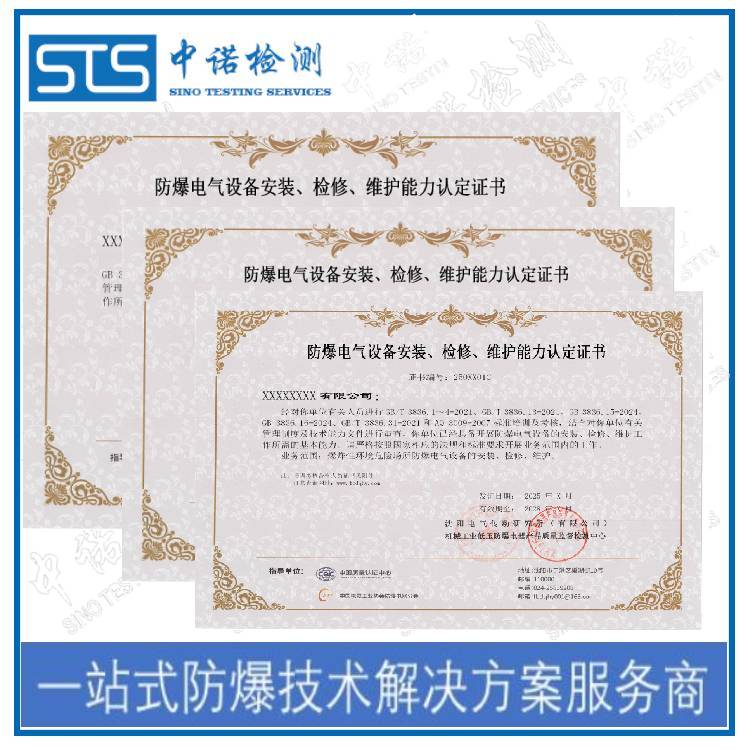





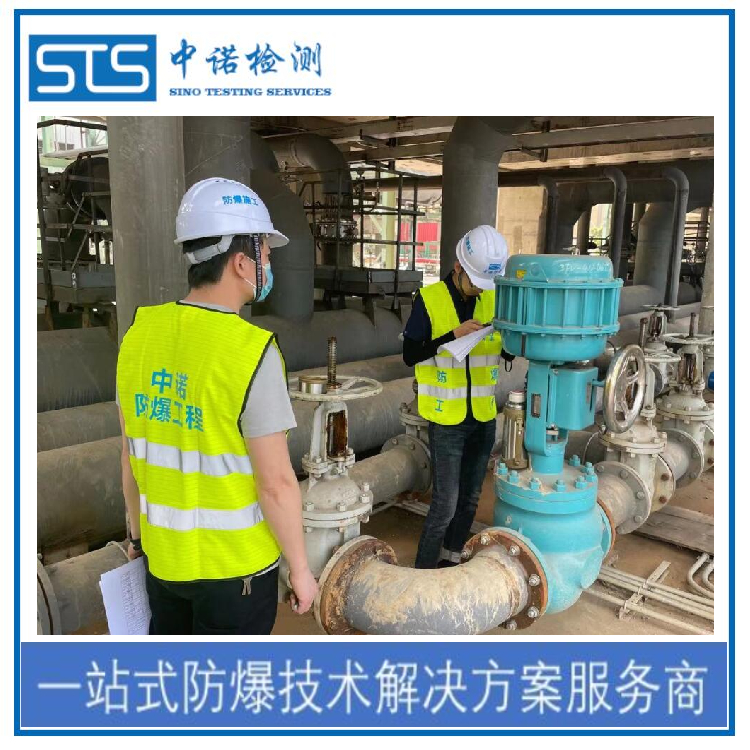
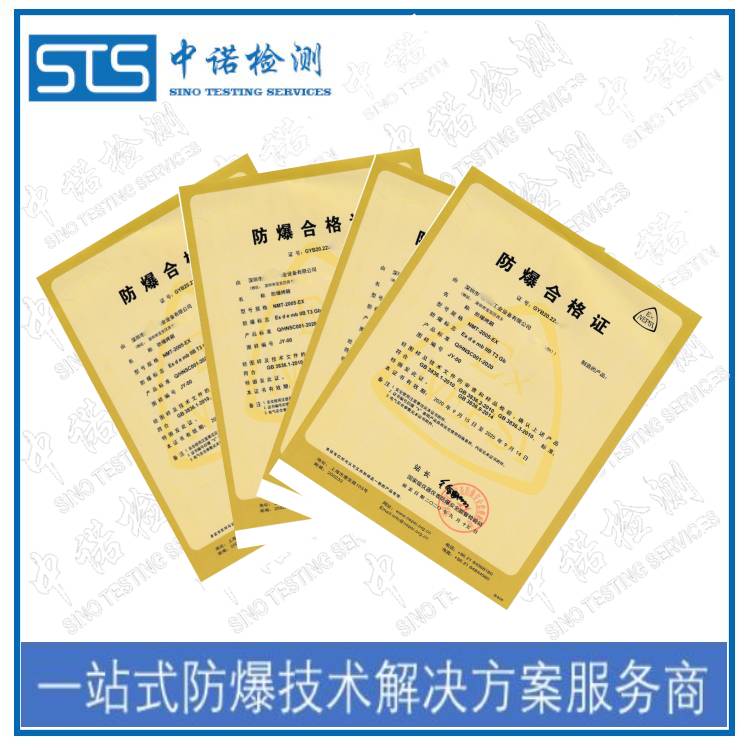
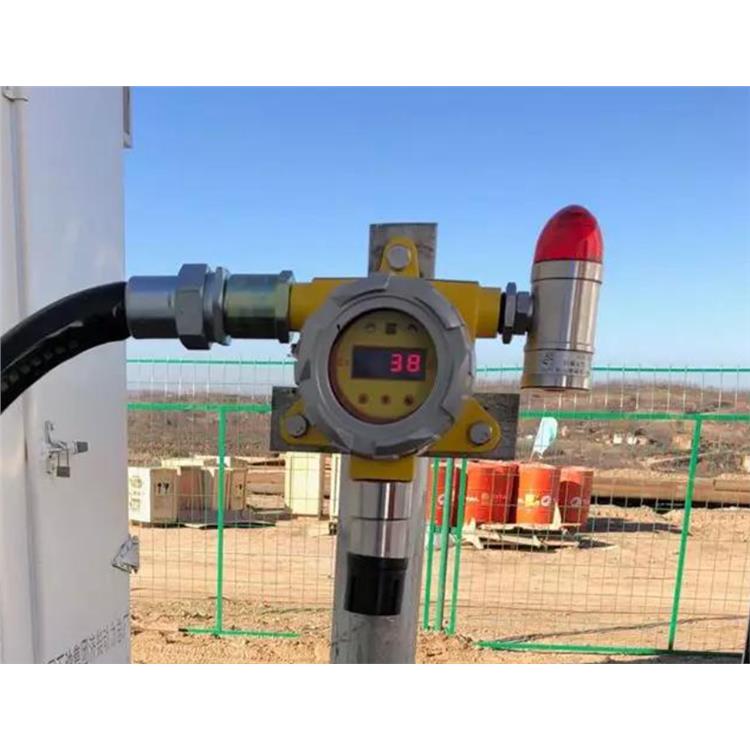
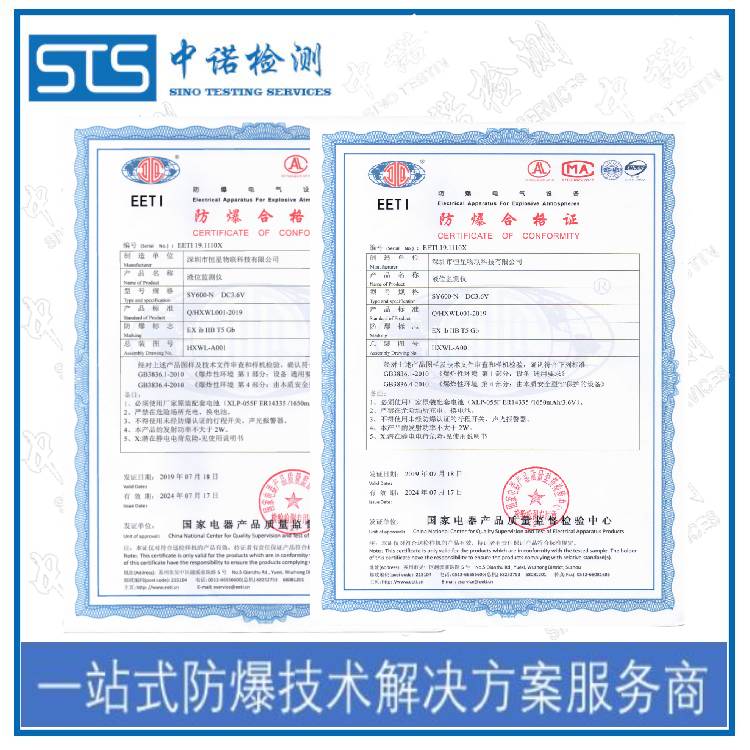
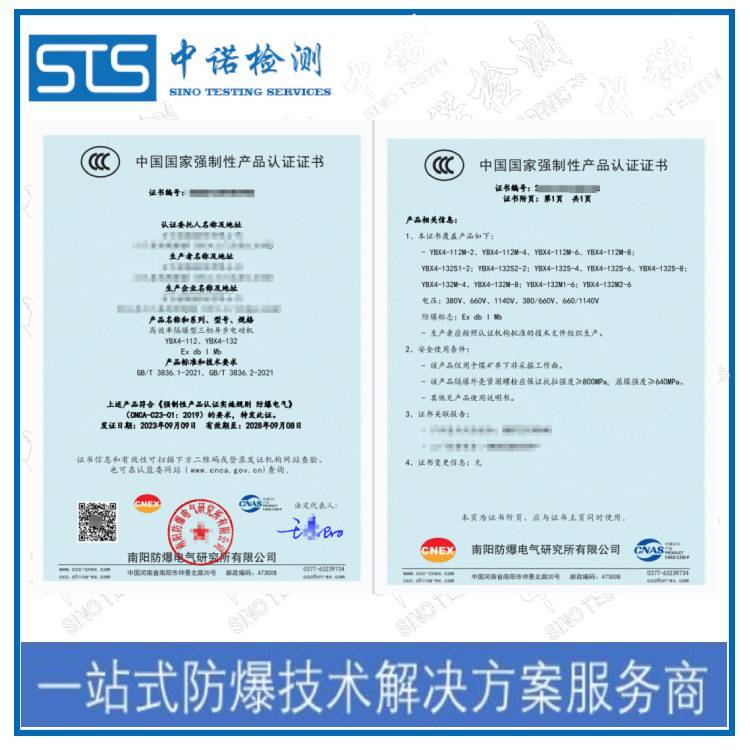

Shenzhen Zhongnuo Testing Technology Co., Ltd. is based in South China, offering on-site explosion-proof construction, safety inspections, renovations, project acceptance, and explosion-proof installation consulting services. We are well-versed in explosion-proof construction standards, with experienced construction teams and a wealth of practical experience. We have served major corporations such as PetroChina, LG, Hanlan Environment, BOE Technology Group, and Sinovac Biotech, receiving consistent praise and trust from our clients!
Selection of cables and wires for explosive environments should comply with the following specifications: (Shared by Shenzhen ZhongNuo Testing Technology Co., Ltd.)
(1) In explosive environments, the insulated conductors and cables used for low-voltage power and lighting circuits should have a rated voltage equal to or greater than the working voltage, and the U0/U ratio should not be less than the working voltage. The rated voltage of the neutral wire should be equal to that of the phase wire, and both should be laid in the same sheath or protective conduit.
(2) In explosive hazard zones, except for wiring within distribution panels, junction boxes, or metal conduit wiring systems, unshielded wires should not be used as supply and distribution lines.
(3) Copper-core cables should be used in Zone 1. In Zone 2, copper-core cables are recommended except for intrinsic safety circuits. When aluminum-core cables are used, their cross-sectional area must not be less than 16 square millimeters, and copper-aluminum transition joints should be used for connections with electrical equipment. Circuits installed in explosive dust environments in Zones 20 and 21, as well as in areas with severe vibration in Zone 22, should use copper-core insulated conductors or cables.
(4) In addition to the circuit of this pressure safety system, the technical requirements for cable wiring in explosive environments shall comply with the specifications in Table 5.4.1-1.
(5) Technical requirements for piping wiring in explosive environments with voltages below 1000V, excluding circuits of intrinsic safety systems, shall comply with the specifications in Table 5.1.1-2.
(6) In explosive environments, the selection of insulated conductors and cable cross-sections must comply with the provisions of Tables 5.4.1-1 and 5.4.1-2, as well as the following requirements:
1) The conductor's allowable current-carrying capacity should not be less than 1.2 times the rated current of the fuse element and 1.2 times the setting current of the long-time delay overcurrent release of the circuit breaker, except for the circumstances specified in item 2 of this clause.
2) The long-term allowable current for the branch circuit of squirrel-cage induction motors with an insulation voltage below 1000V should not be less than 1.2 times the motor's rated current.
(7) When installing overhead or bridge-mounted cables, flame-retardant cables are recommended. When the installation method uses bridgeways that prevent mechanical damage, non-armored cables with plastic sheaths can be used. In areas where there is no risk of damage from rodents or insects, cables installed in cable trenches in Zones 2 and 22 can be non-armored.
Installation of electrical wiring in explosive environments shall comply with the following regulations (shared by Shenzhen ZhongNuo Testing Technology Co., Ltd.)
(1) Electrical wiring should be installed in environments with low explosion hazards or far from release sources, and should comply with the following regulations:
1) When the material is heavier than air, electrical wiring should be laid at a higher position or directly buried; overhead installation is preferred using cable trays; for trench installation, the trench should be filled with sand, and drainage measures should be implemented.
2) Electrical wiring should be laid outside the walls of buildings or structures where explosive hazards are present.
3) In explosive dust environments, cables should be laid in locations where dust does not accumulate easily and is easy to remove.
(2) Holes in walls or floors at different regions crossed by electrical cable trenches, cable trays, or conduits should be tightly sealed with non-combustible materials.
(3) When laying electrical lines, it is advisable to avoid areas prone to mechanical damage, vibration, corrosion, ultraviolet radiation, and heat. If unavoidable, preventive measures should be taken.
(4)钢管 wiring can utilize bare insulated single-core or multi-core conductors. When the steel pipe contains three or more conductors, the total cross-sectional area of the conductors, including the insulation, should not exceed 40% of the steel pipe's cross-sectional area. The steel pipes should be of the locked zinc-welded type for low-pressure fluid conveyance. The threaded portion of the steel pipe connections should be coated with lead oil or phosphating paste. In areas where condensation or condensate water may form, sealed joints for condensate drainage should be installed on the pipeline.
(5) Electrical wiring for steel pipe wiring in explosive gas environments should be properly insulated and sealed, and should comply with the following regulations:
1) During normal operation, the 450mm area around all ignition source enclosures should be sealed off.
(2) Steel pipes with a diameter of 50mm or more should be sealed and insulated within 450mm of the junction box.
3) Isolation and sealing should be conducted between adjacent explosive environments, as well as between explosive environments and adjacent other hazardous or non-hazardous environments. During sealing, the internal surface of the seal should be lined with a fibrous layer as the bottom or intermediate layer of the filling material. The effective thickness of the filling material should not be less than the inner diameter of the steel pipe and must not be less than 16mm.
4) Connection components for isolation seals should not be used for wire connections or branching.
(6) Intermediate joints are strictly prohibited in cable lines within Zone 1, and intermediate joints should not be present in Zones 2, 20, and 21.
(7) When connecting cable or wire terminations, if the internal wire is stranded, the terminations should be connected using a molded terminal or a crimped connector. The connection and termination of aluminum-core insulated conductors or cables should be made by crimping, soldering, or brazing. When connecting to equipment (excluding lighting fixtures), a copper-aluminum transition connector should be used.
(8) Overhead power lines must not cross explosive gas environments. The horizontal distance between overhead lines and explosive gas environments should not be less than 1.1 times the height of the towers. In special circumstances, after taking effective measures, the distance may be appropriately reduced.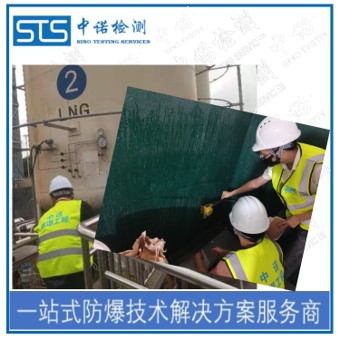
Basic Safety Regulations for Explosion-Proof Design in Hazardous Areas (Shared by Shenzhen ZhongNuo Testing Technology Co., Ltd.)
1. First, conduct an overall explosion protection design
2. Directed release of explosive energy. Around the explosion source, comprehensively utilize anti-explosion and venting technologies. Set anti-explosion walls and windows in directions with high population density, office areas, and important equipment. In directions with little human access and no important equipment, install venting walls and venting windows.
3. Establish safe distances. Minimize the placement of office areas, residential zones, and critical equipment areas within the range less than the safe distance unless necessary; if they are set, implement necessary explosion-proof measures.
4. Conversion of non-explosion-proof buildings to explosion-proof buildings. Within the range less than the safe distance, conduct explosion-proof assessment of the buildings and reinforce those that do not meet explosion-proof requirements: to prevent building collapse; to prevent bricks, concrete, glass, and other brittle materials from fracturing and producing debris.
5. Locate explosion-proof shelters in hazardous blast areas.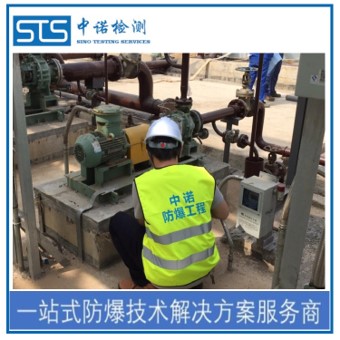
Shenzhen Zhongnuo Testing Technology Co., Ltd. offers explosion-proof engineering construction services for hazardous explosive areas.
1. Explosion-proof site inspection and consultation
2. Explosion-proof engineering site construction and renovation
3. Explosion-proof construction acceptance
4. Explosion-proof electrical installation, maintenance, and renovation
5. Explosion relief, blast-resistant walls, doors, and windows installation
6. Dust Removal Equipment Installation and Retrofitting Construction
Explosion-proof electrical modification services and on-site explosion-proof construction consultation for hazardous areas - Shenzhen ZhongNuo Inspection & Technology Co., Ltd.
WeChat Official Account

Scan to follow Official Account