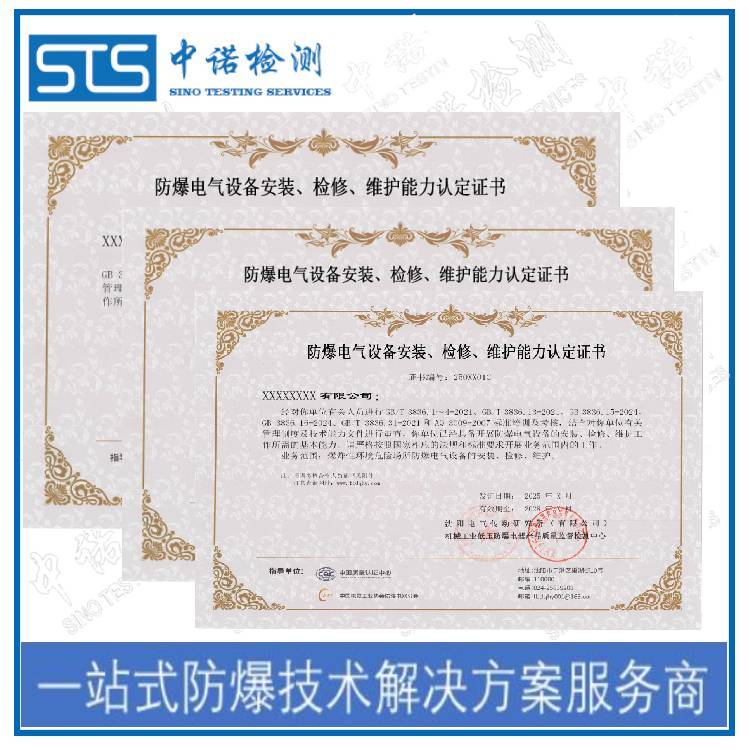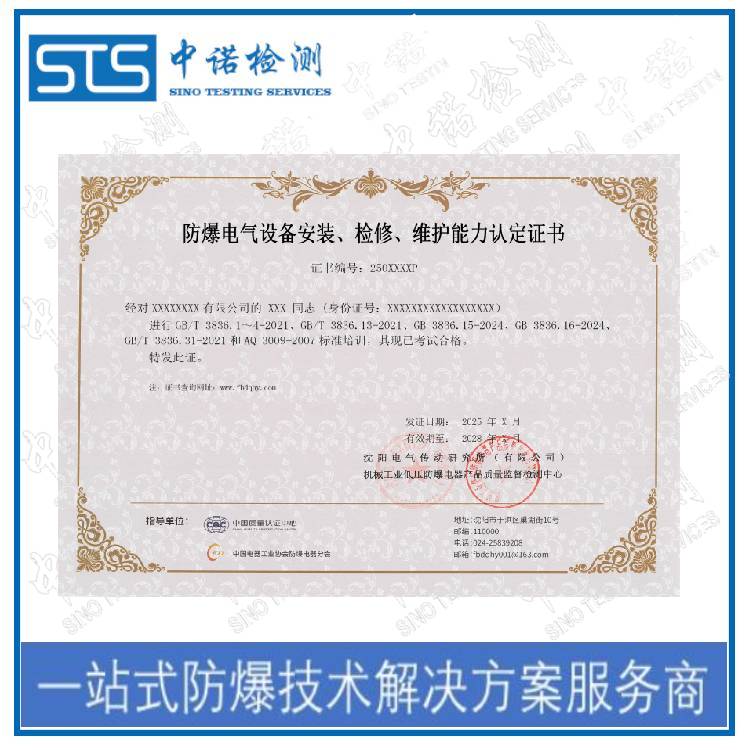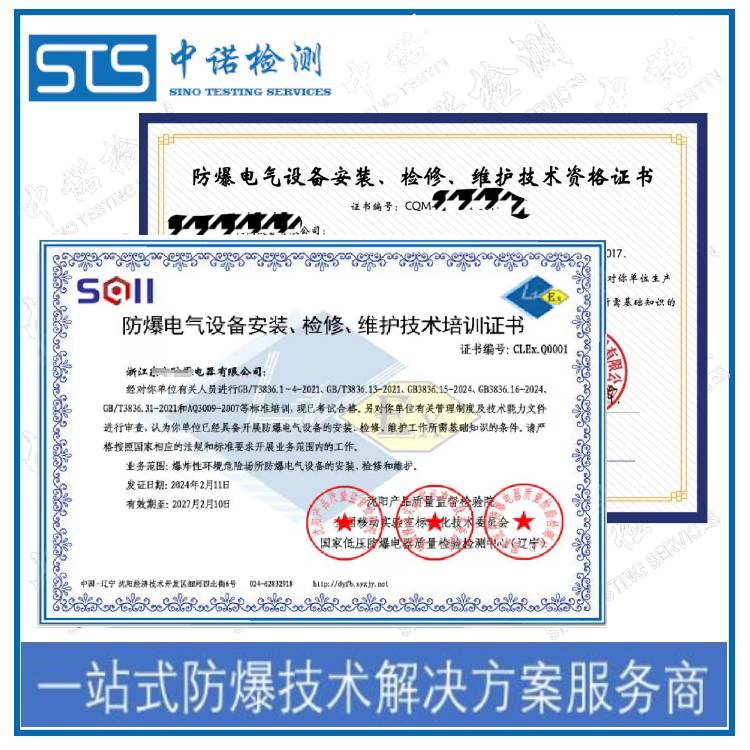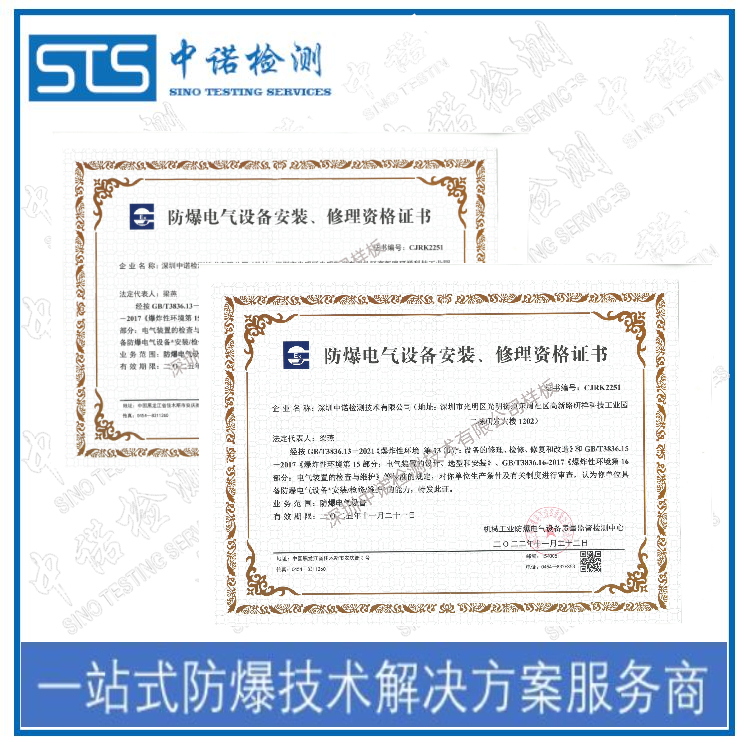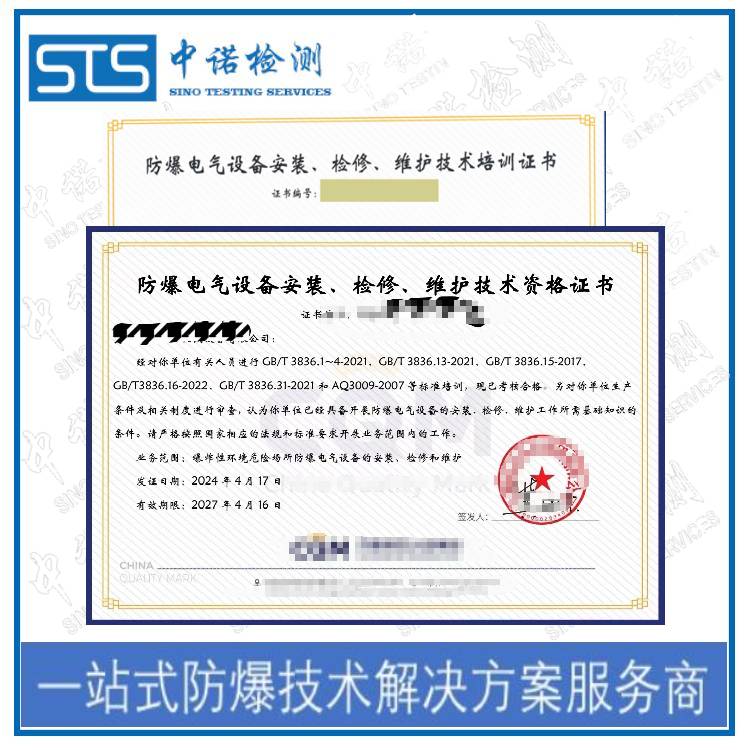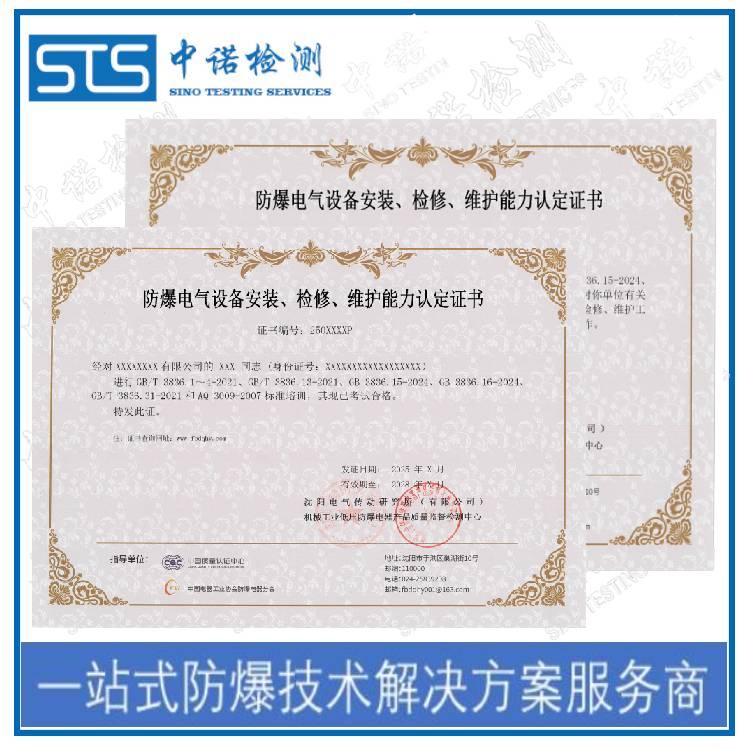
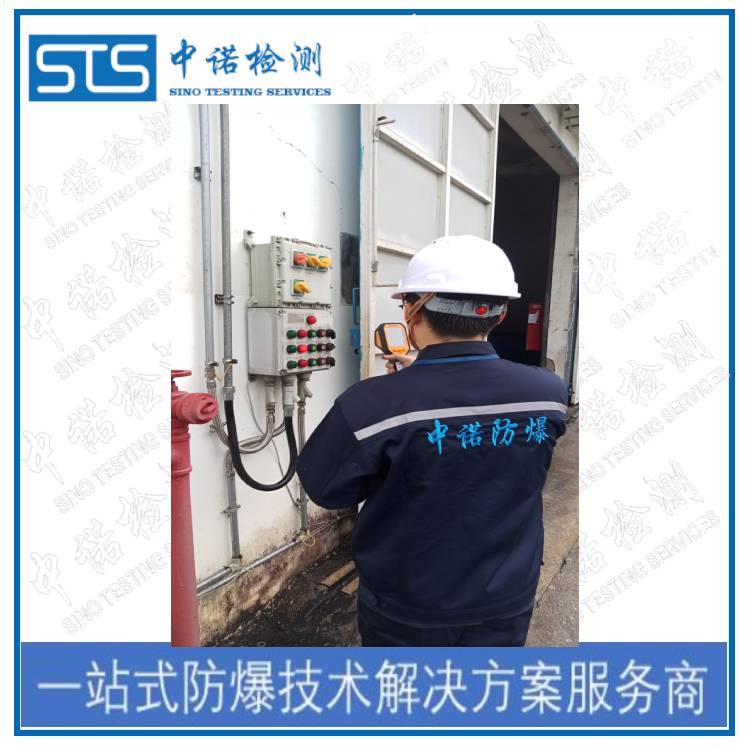
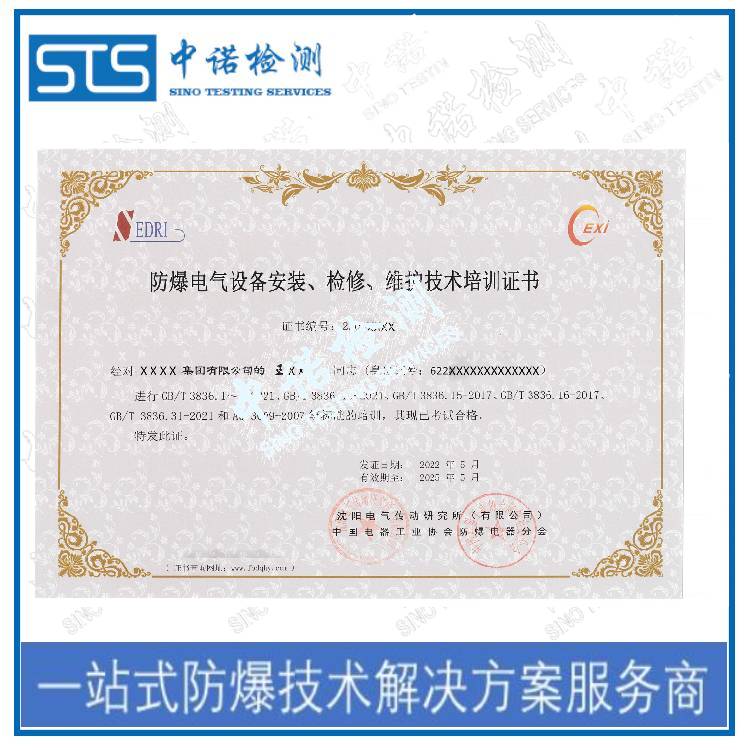
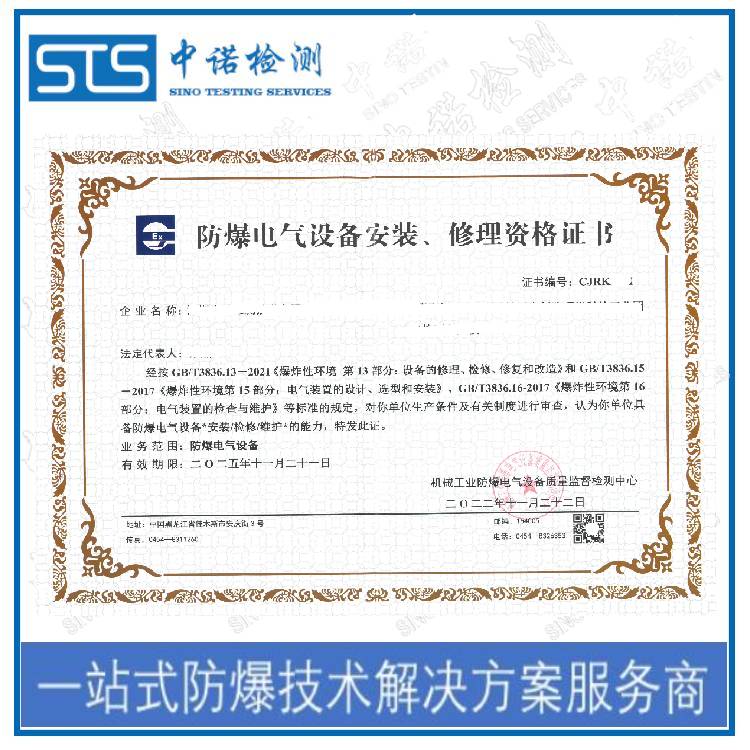
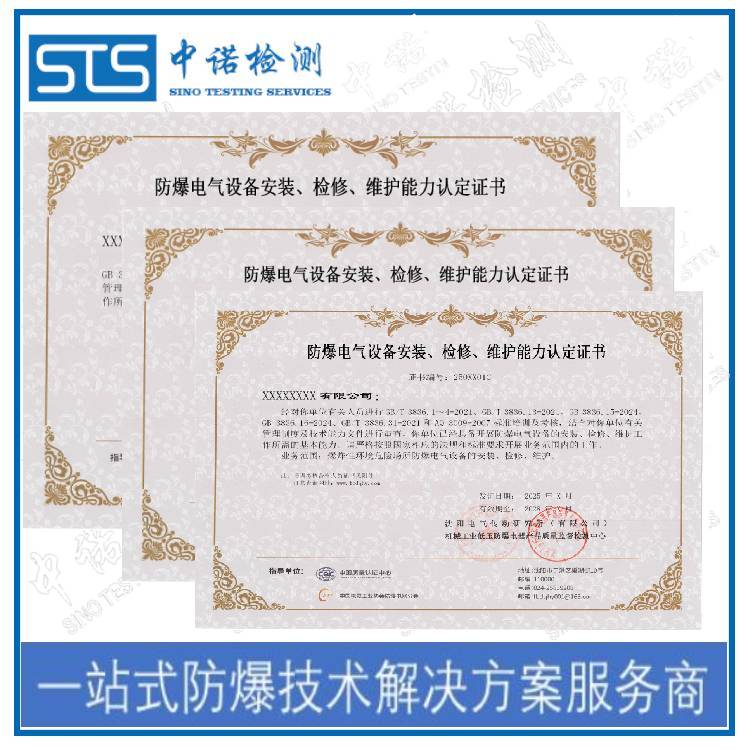





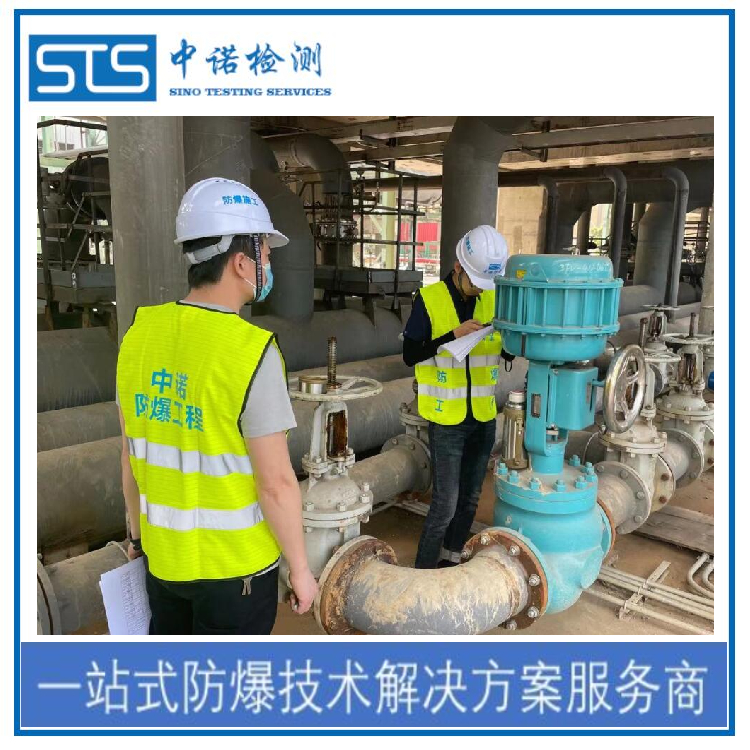
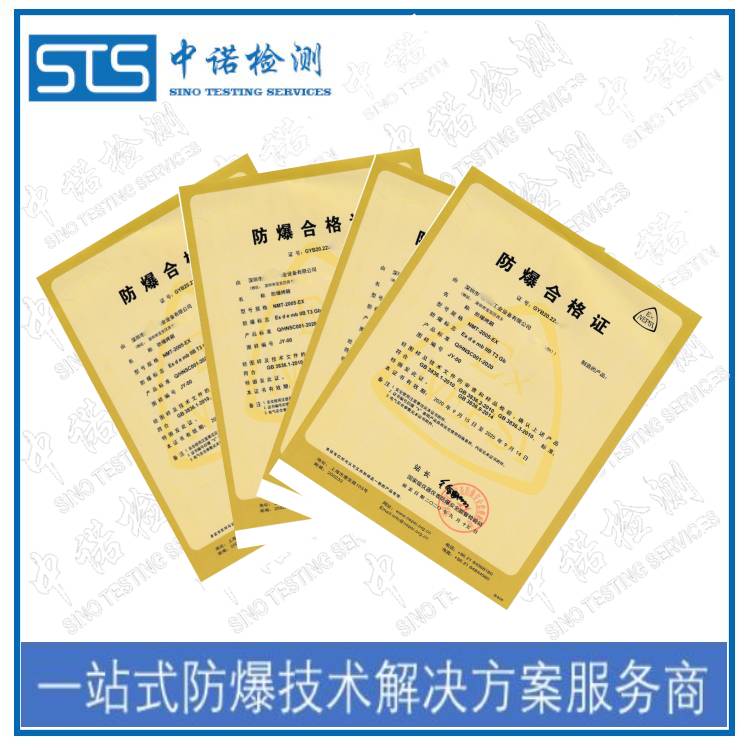
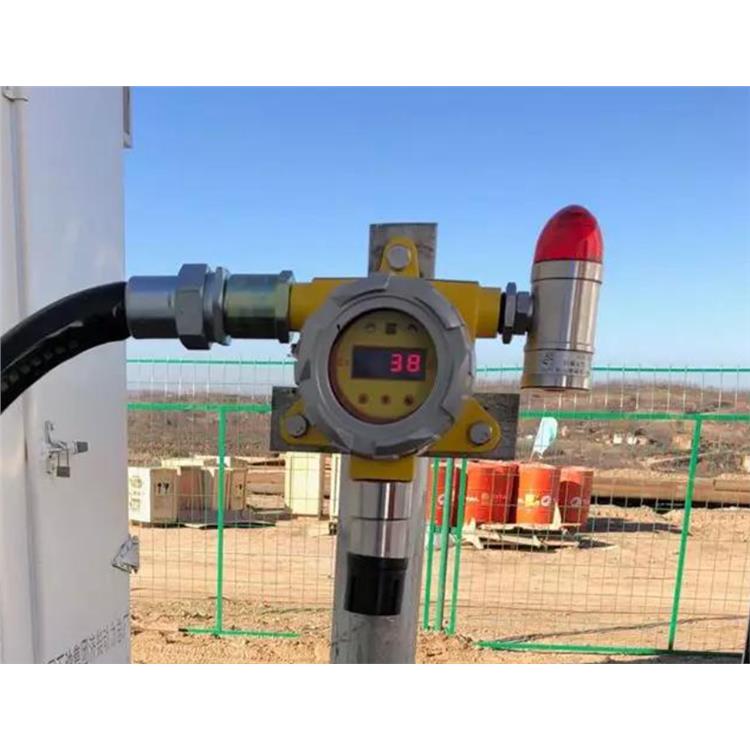
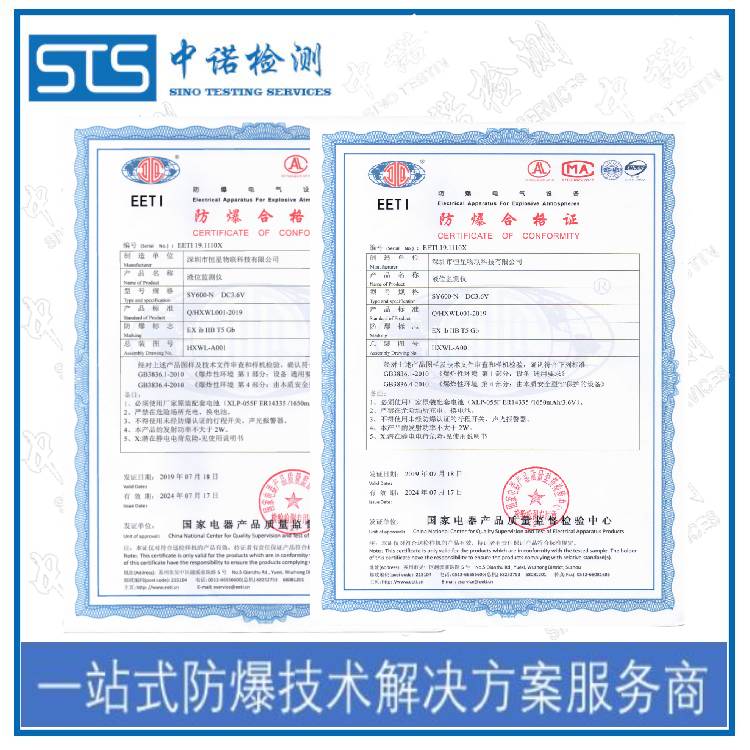
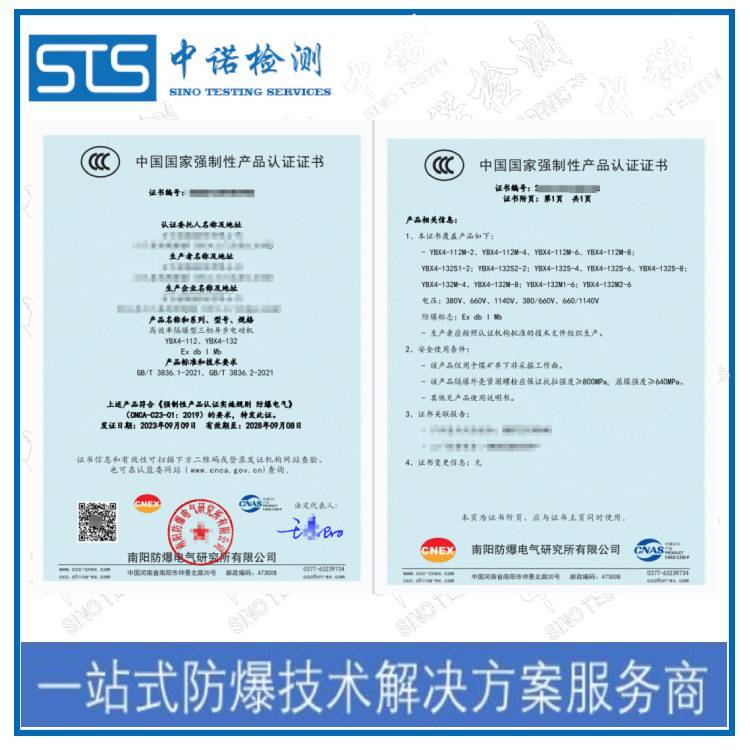
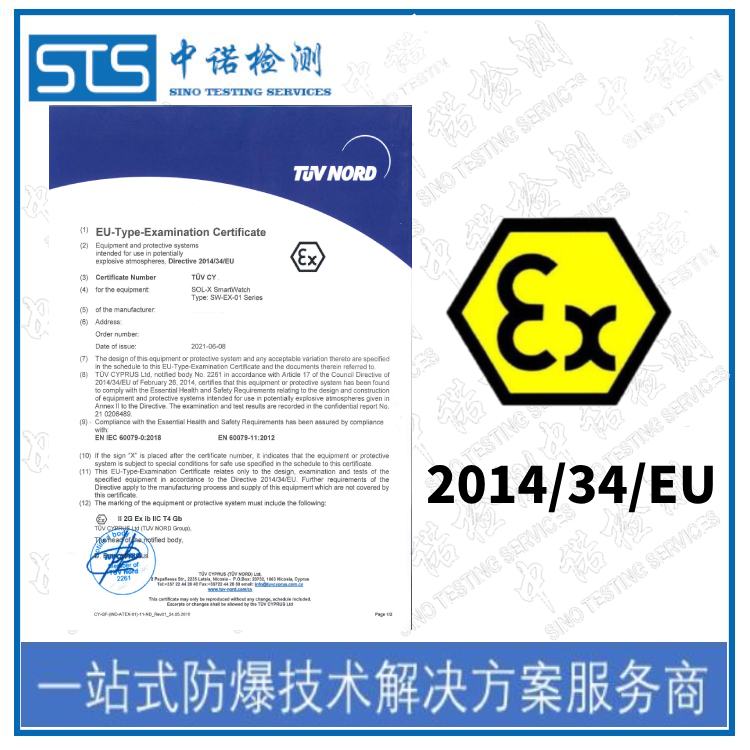
Shenzhen ZhongNuo Testing Technology Co., Ltd. specializes in the calibration, certification, and metrological services for gas alarms, combustible gas detectors, and toxic gas detection instruments for various locations. We offer nationwide services, addressing electrical safety and explosion-proof fire prevention issues for clients, and contributing to safe production.
What factors can affect the calibration cycle of flammable gas detectors?
Manufacturer Requirements: Different manufacturers may have varying inspection cycle requirements for flammable gas detectors. Therefore, when purchasing equipment, carefully review the product manual to understand the specific requirements of the manufacturer.
Equipment Operating Environment: The operating environment of the alarm directly affects its inspection cycle. If the equipment is exposed to high concentrations of harmful gases, high or low humidity, or high or low temperatures for an extended period, the inspection cycle may be shortened accordingly.
Equipment Maintenance Status: The condition of equipment maintenance is also a significant factor affecting the inspection cycle. If the equipment faces issues like battery depletion and sensor aging over a long period, the inspection cycle will accordingly be shortened.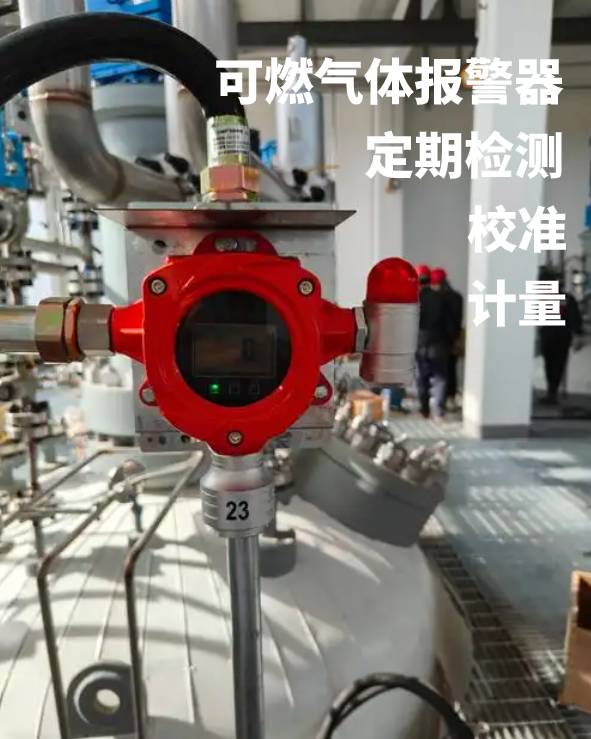
Appearance and structure
The instrument should not have any appearance damage that affects its normal operation. The surface of newly manufactured instruments should be smooth and clean, with a uniform paint and coating, free of peeling and rusting.
The instrument's connections are reliable, and all dials or buttons should operate and control normally.
Logos and Branding Identifiers
Instrument name, model, manufacturer's name, manufacturing date, serial number, explosion-proof marking and number, as well as the manufacturing metrological instrument license marking and number for domestic instruments should be clear.
Flammable Gas Detector Alarm Regular Inspection Content and Methods
Annual inspections of industrial and commercial alarm sensors are conducted regularly, primarily to check for the accuracy of the alarm readings, repeatability, drift, and response time to ensure they meet standards. Additionally, the suitability of the alarm's installation location and any interference from other equipment are assessed.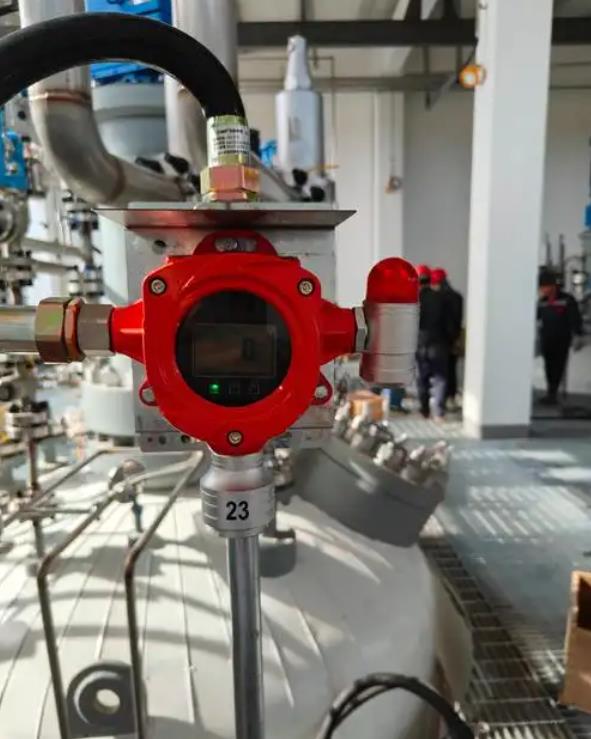
Gas Alarm Meter Calibration Conditions and Requirements
Environmental Conditions
Ambient Temperature: 0~40℃.
Relative Humidity: ≤85%
3. The working environment should not affect the normal operation of the instrument with electromagnetic fields and interfering gases.
Calibration Tools and Instruments
1) Standard Gas Substance
The relative expanded uncertainty of the gas standard material does not exceed 2% (k=2).
2) Standard Gas Dilution Device: Dilution error of 1%.
3) Stopwatch: Graduation not greater than 0.1s.
4) Flow Control: Flow rate not less than 500 mL/min, flow grade not lower than 4th level.
5) Zero Point Gas: Purified compressed air.
6) Pressure Reducing Valve: A pressure reducing valve that matches with the calibrated cylinder.
7) Gas Pipeline: Tubing made of materials like polytetrafluoroethylene or stainless steel, which do not affect the concentration of the measured gas.
Shenzhen ZhongNuo Testing Technology Co., Ltd. is a third-party institution specializing in electrical safety, electrical explosion-proofing, gas alarms, and toxic gas detection equipment for regular inspections, metrological verification, and calibration services. We are licensed to help clients address fire and explosion prevention issues.
WeChat Official Account

Scan to follow Official Account