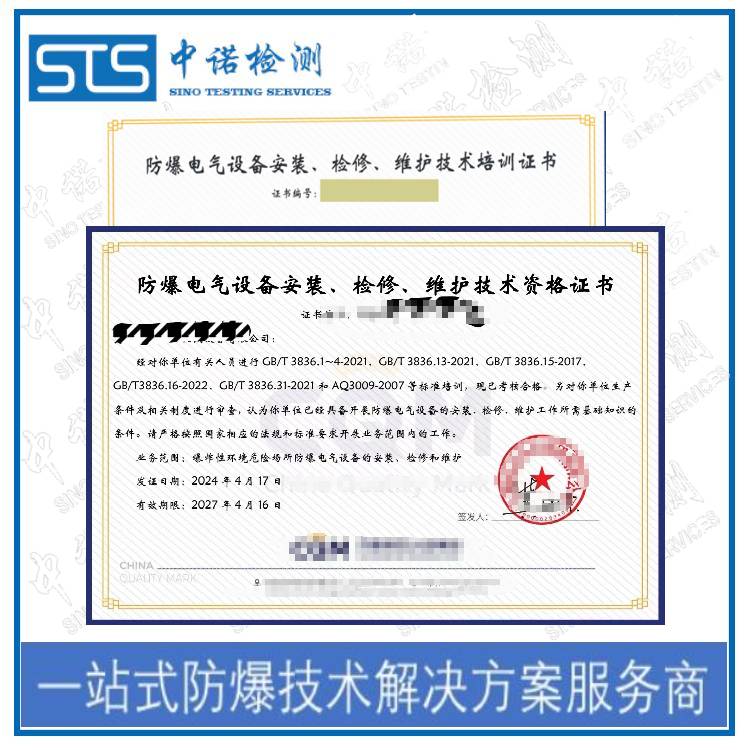

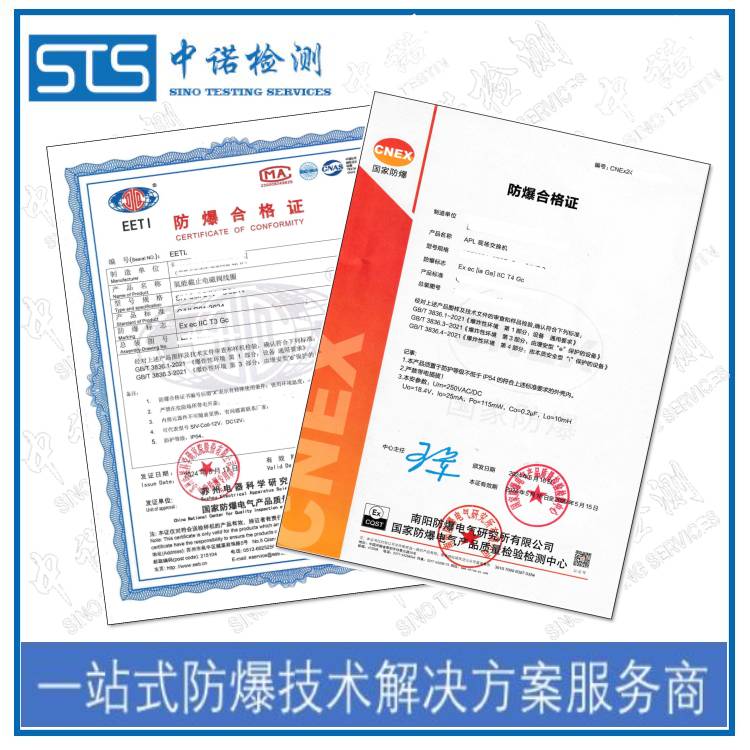


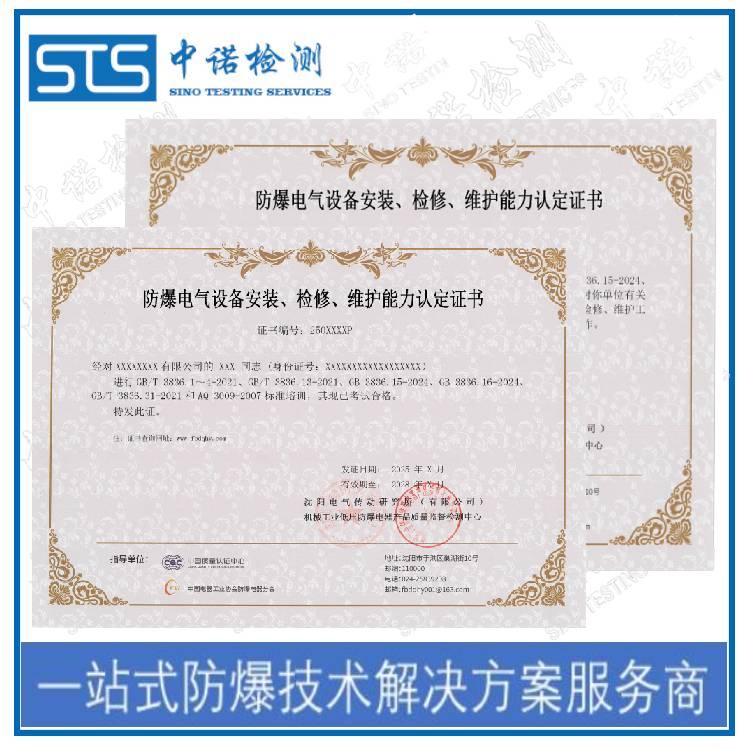
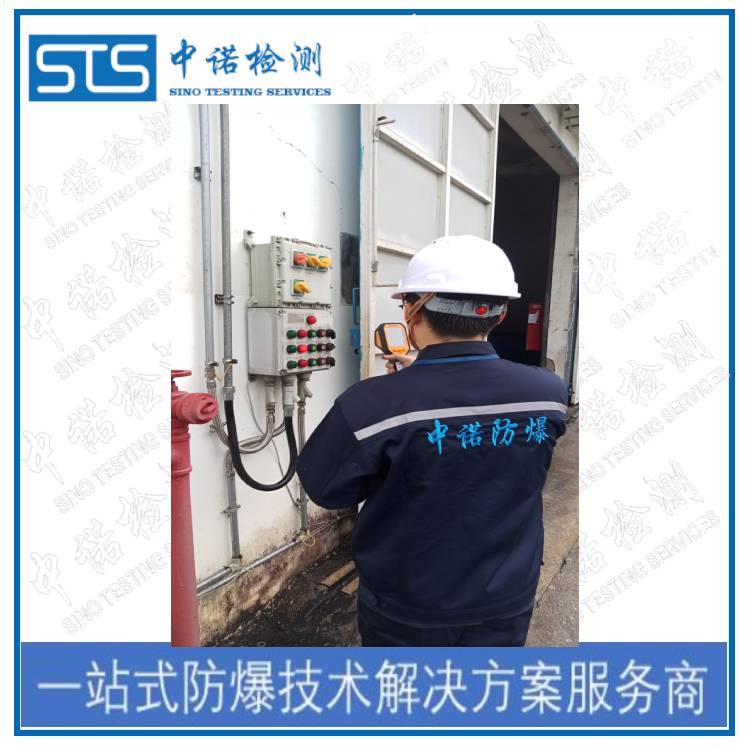
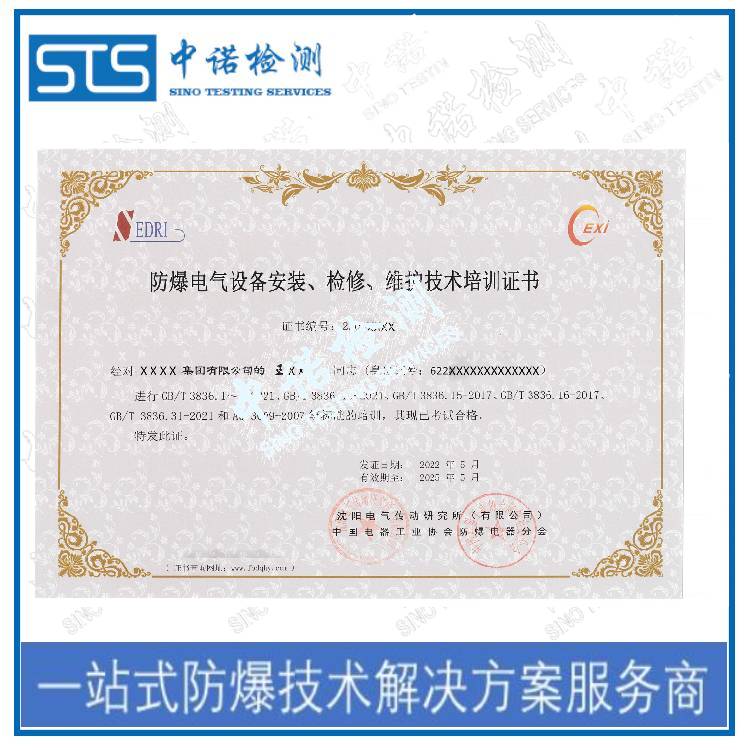
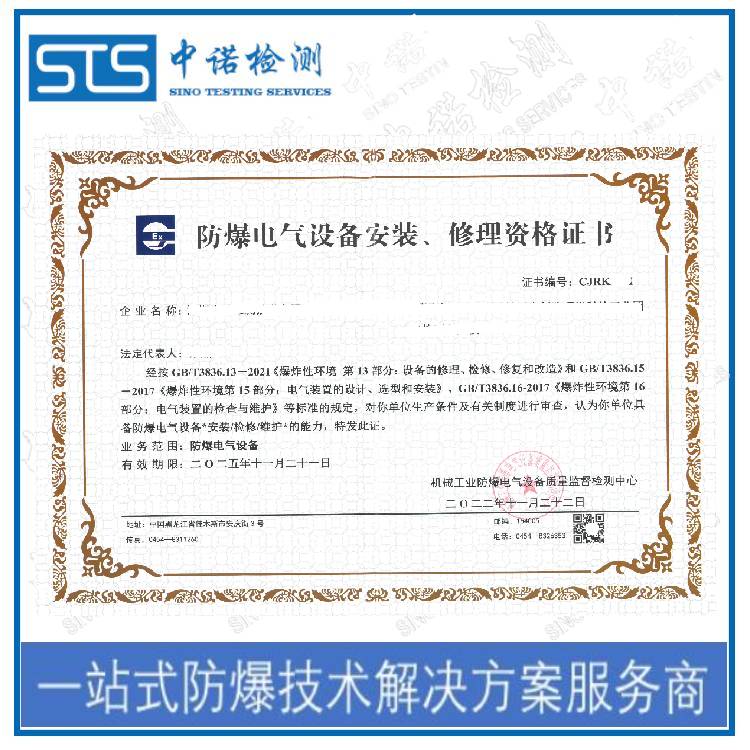
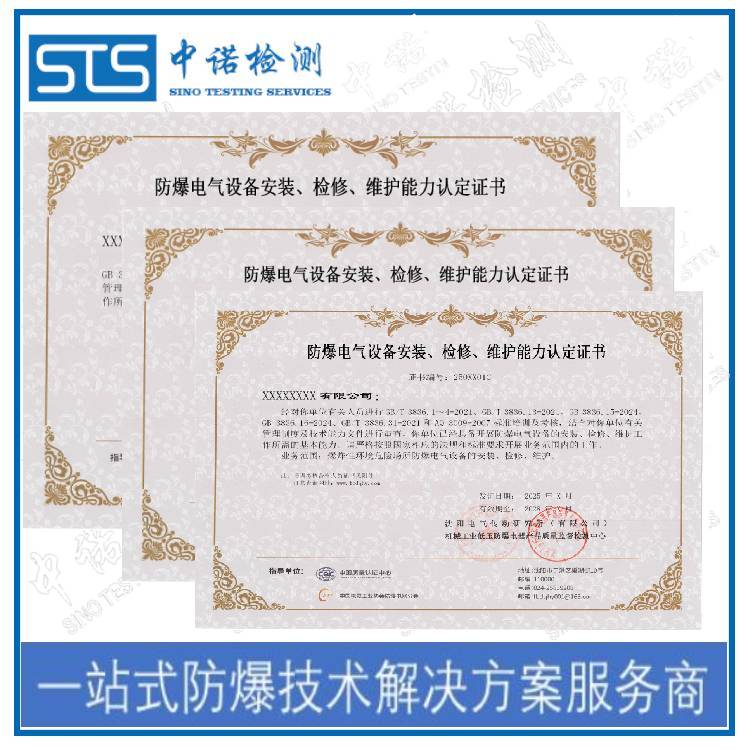





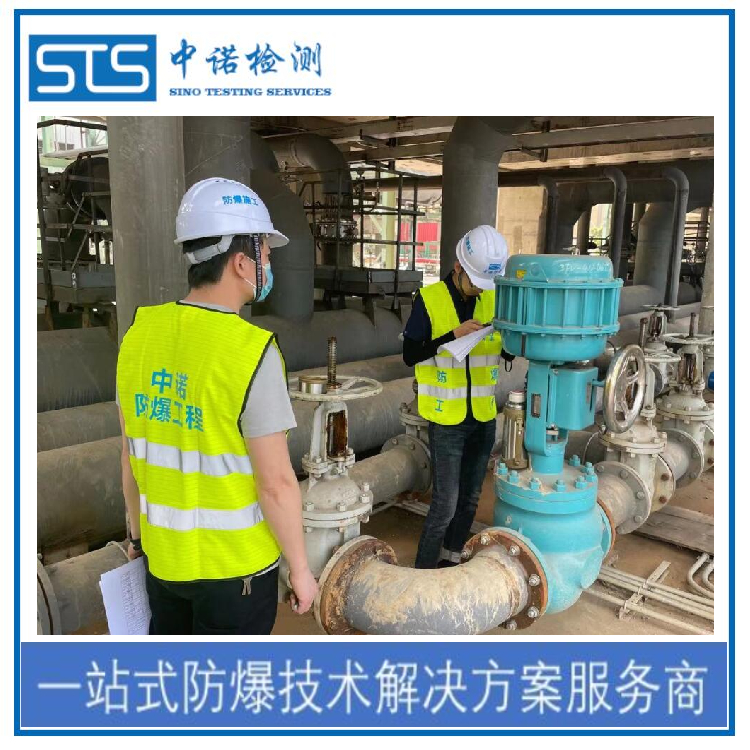
Shenzhen Zhongnuo Inspection & Technology Co., Ltd. is headquartered in South China and specializes in explosion-proof certification and coal mine safety certification application consulting services, offering a one-stop explosion-proof technology consulting service.
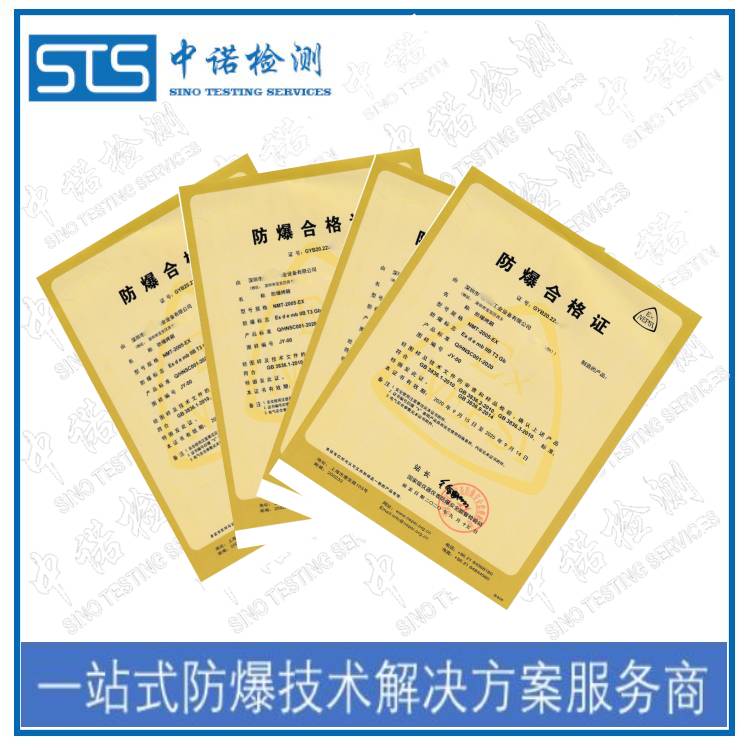
What is a Explosion-Proof Certificate of Compliance? What are the requirements for applying for an Explosion-Proof Certificate of Compliance?
The explosion-proof equipment primarily ensures safety by controlling the electrical parameters of the device circuit and limiting the total circuit energy to meet the explosion-proof requirements.
Key measures include reducing voltage and current, and controlling parameters of energy storage components such as inductors and capacitors.
The design reference standards are GB/T3836.1 and GB/T3836.4.
Customers applying for the explosion-proof certificate for safety need to provide electrical schematics, block diagrams, PCB layouts, and tag number diagrams.
Product assembly diagrams, manuals, corporate standards, and other documentation.
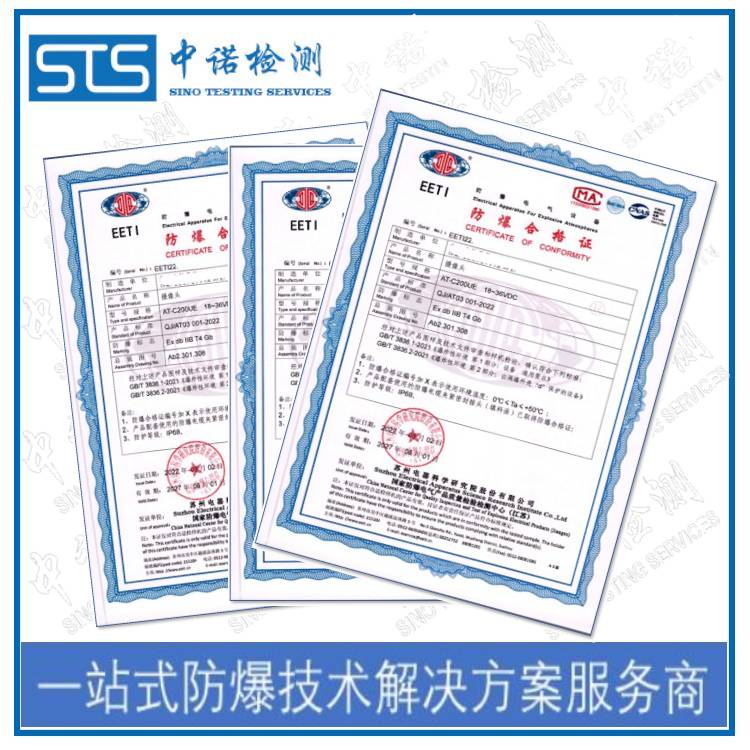
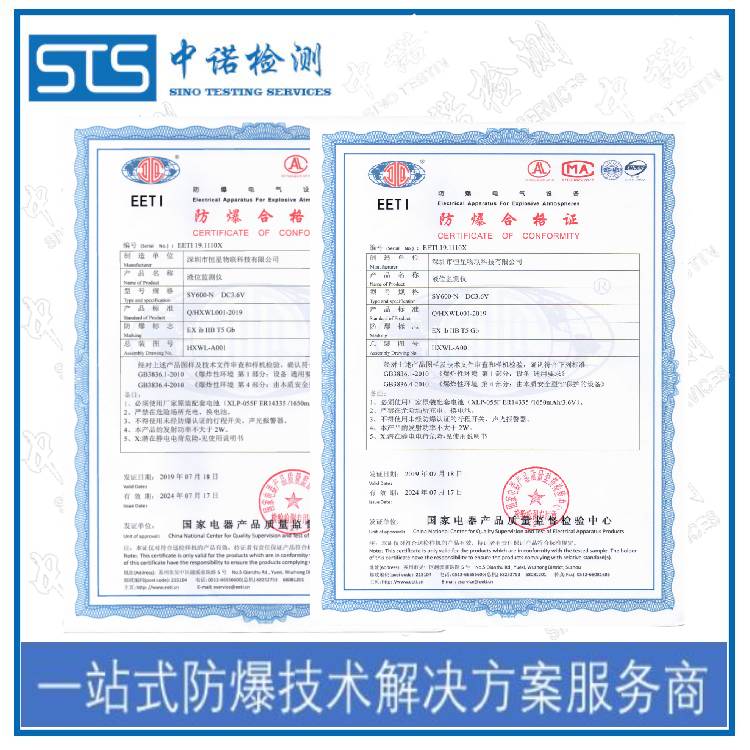
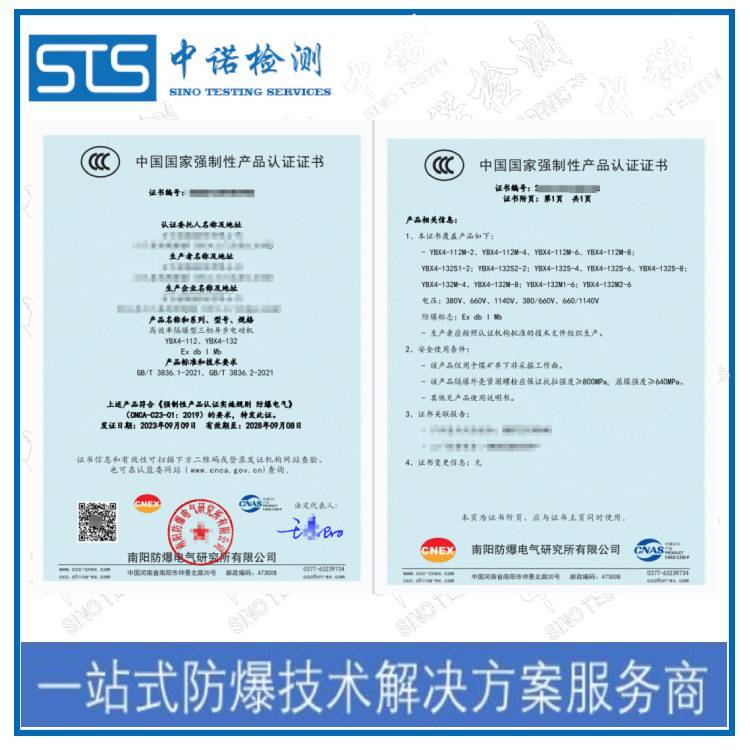
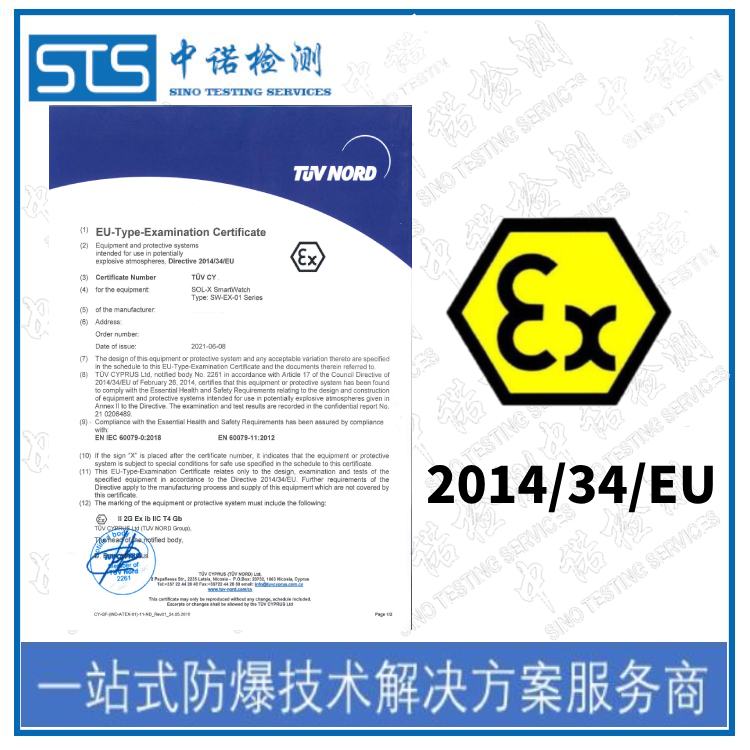
Recently obtained for our clients by China Nuozheng Testing: temperature vibration sensors, remote transmitters, monitoring devices, Bluetooth beacons,
The explosion-proof certificates for walkie-talkies and other products are all of intrinsic safety type explosion-proof designs.
If you also have products that require explosion-proof certification, feel free to message us!
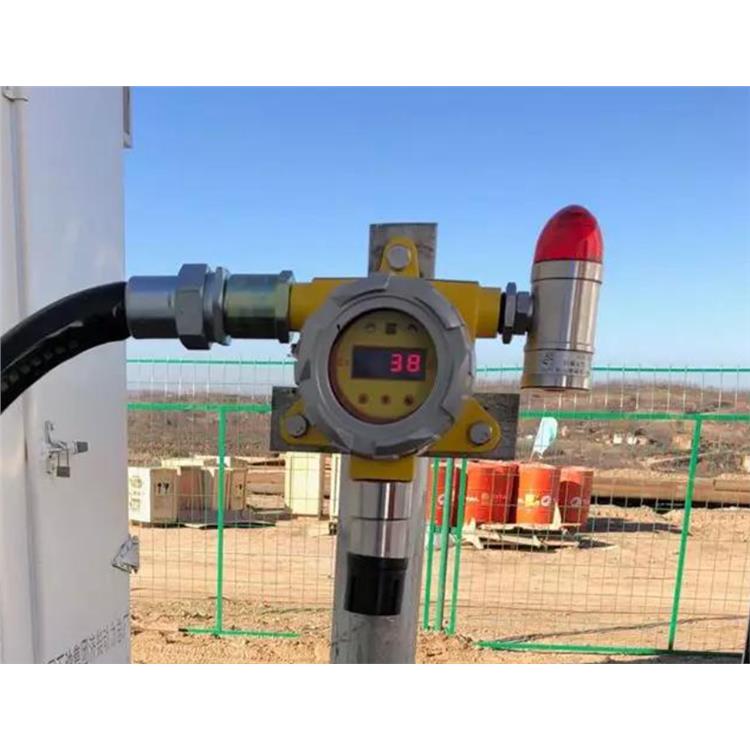
What are the requirements for applying for an explosion-proof certification for gas detectors?
Gas detectors are a common type of explosion-proof product, commonly including intrinsically safe, flameproof, and flameproof and intrinsically safe types.
The type of explosion-proof design to adopt depends on the product's structure, installation method, and usage location, etc.
Portable and handheld models are recommended to obtain intrinsic safety explosion-proof certificates; they are quite convenient.
Additionally, if the gas detector is for use in Zone 0, it can only be intrinsically safe IA explosion-proof rating.
For intrinsically safe models, consider intrinsic circuit design, material of the housing, battery temperature rise tests, etc.
Fixed installations can be made into explosion-proof models. Explosion-proof products are generally heavier, primarily achieving explosion prevention through the explosion-proof housing.
Even if internal components generate sparks, the explosion can be blocked from spreading due to the explosion-proof housing's effect.
On the other hand, the housing also prevents external explosion sparks from entering the interior of the equipment.
Of course, some gas detectors can't achieve explosion-proof performance solely through intrinsic safety or flameproof design.
At this point, consider the explosion-proof and intrinsically safe composite explosion-proof types.
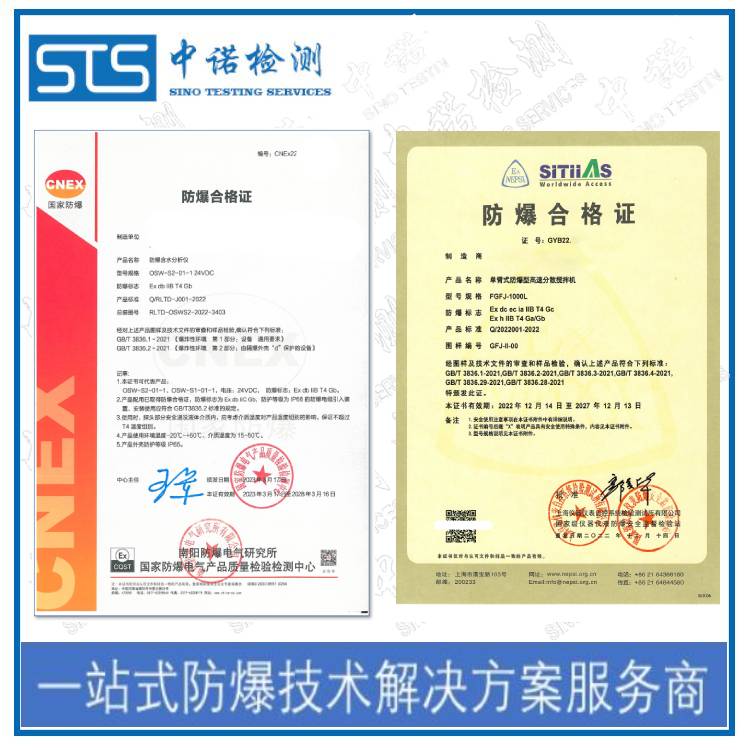
ZhongNuo Inspection has already obtained domestic and international explosion-proof certifications for gas detectors, alarms, transmitters, and other instruments and meters for our clients.
We have extensive experience and case studies. Feel free to DM us for a discussion!
Why choose tempered glass for explosion-proof transparent parts?
Transparent components are an essential material for explosion-proof electrical equipment. When selecting transparent components, customers always inquire about the material to be used? Is glass acceptable? Is plastic acceptable?
Below, Shenzhen ZhongNuo Testing Technology Co., Ltd. explains this to you.
The GB/T3836.1 specification clearly stipulates temperature thermal shock tests for transparent components, which are conducted to verify the thermal stability of glass under rapid cooling conditions. Currently, toughened glass is a material that not only meets this requirement but also offers a high cost-performance ratio.
普及 the fact that tempered glass, after being heated and then rapidly cooled, forms an even layer on its surface.
The compressive stress layer, which counteracts the tensile stress generated on the surface during rapid cooling. Therefore, even when subjected to stress from rapid cooling, qualified tempered glass will have a compressive stress layer to offset its effects.
What are common misconceptions about obtaining explosion-proof certification for products?
The explosion-proof rating is not the higher, the better.
Explosion-proof ratings are related to product structure, installation methods, and usage locations; choosing the appropriate one is sufficient. Of course, as long as the product structure meets the requirements, the higher the explosion-proof rating, the broader the range of applications it can accommodate.
2. Explosion-proof rating is not equivalent to protection rating.
The protection rating, commonly referred to as the IP rating, is different from the explosion-proof rating.
3. The lower the temperature range, the safer it is, rather than the higher the better.
The temperature group indicates the high surface temperature that the equipment reaches under adverse conditions. In explosive hazardous areas, of course, the lower the high surface temperature of the equipment, the safer it is.
4. Gas explosion-proof certificates cannot be used in dust environments, and conversely, dust explosion-proof certificates cannot be used in gas environments.
5. Explosion-proof is safer than intrinsic safety. Many clients believe that having an explosion-proof housing provides more safety than intrinsic safety, which is incorrect. These are different types of explosion protection, all of which can achieve explosion prevention. If they are suitable for the product structure and environment, they are safe.
Welcome to DM Shenzhen Zhongnuo Testing Technology Co., Ltd. for specific communication.
explosion-proof certification application consulting service - Shenzhen Zhongnuo Testing Technology Co., Ltd.
WeChat Official Account

Scan to follow Official Account