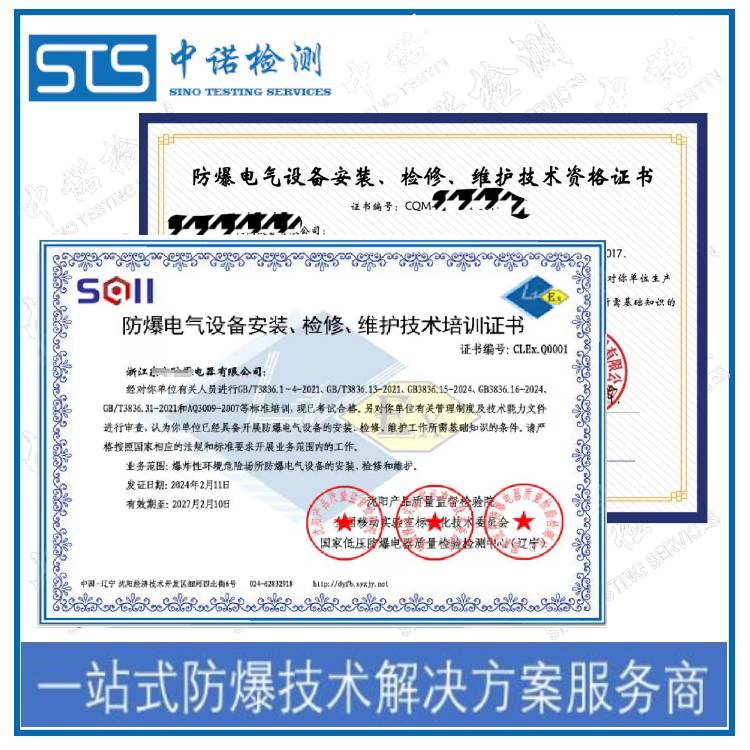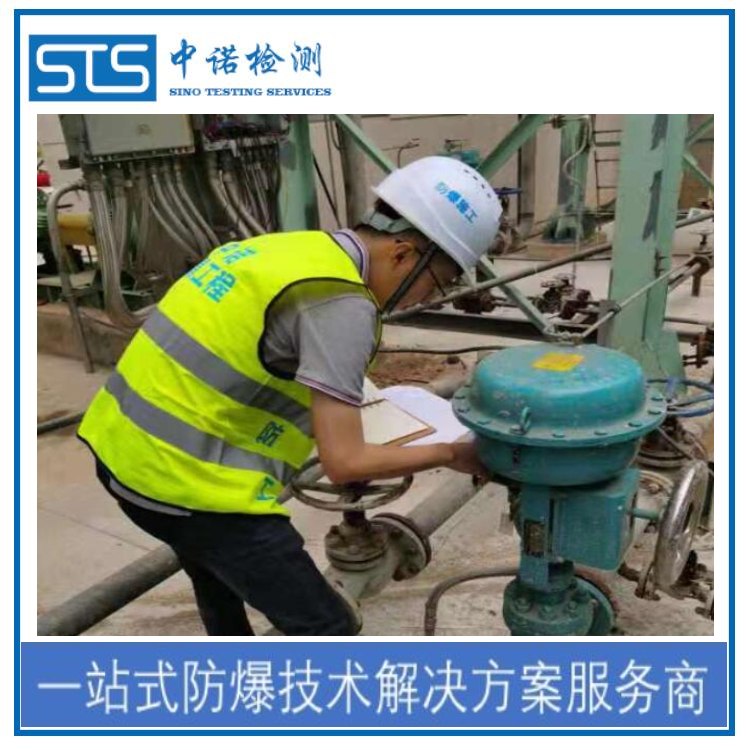

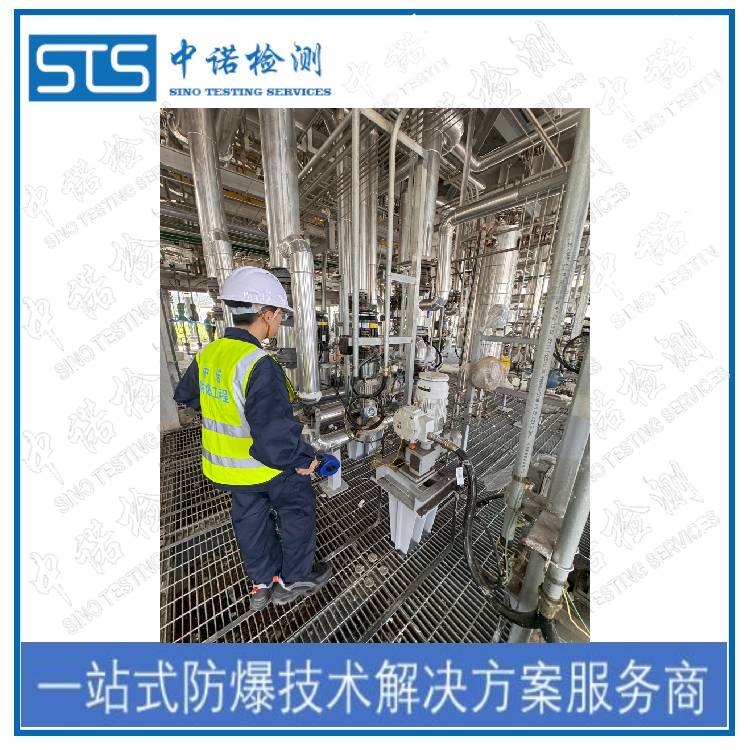
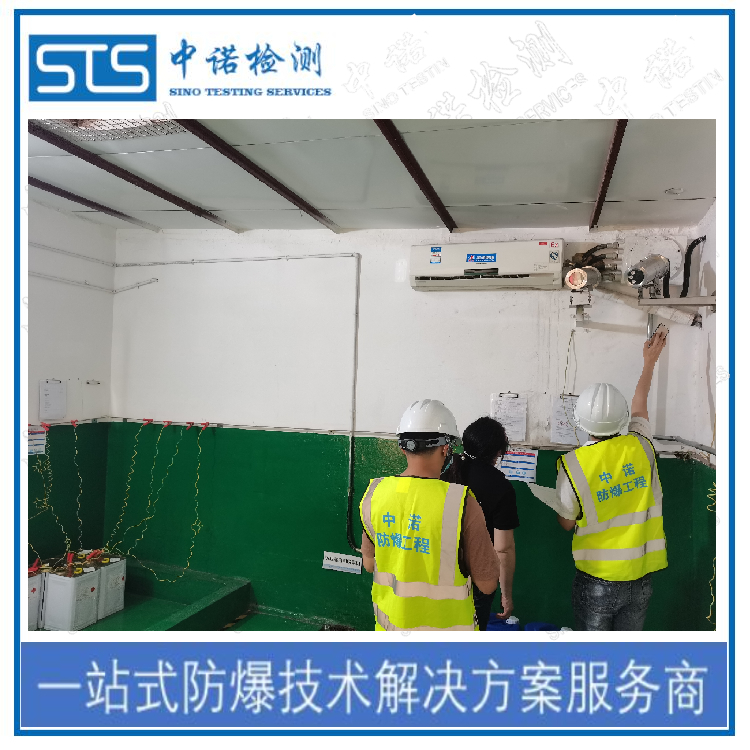



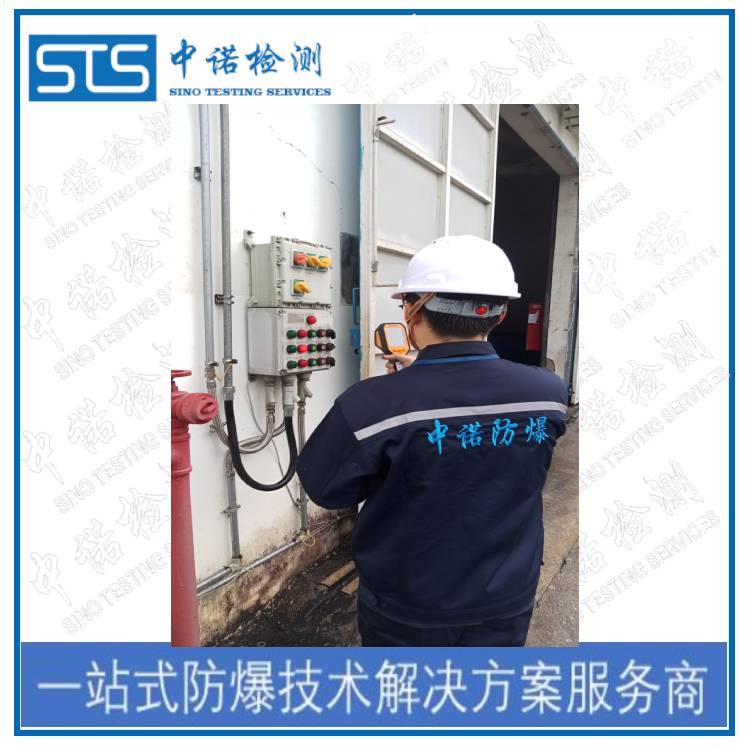








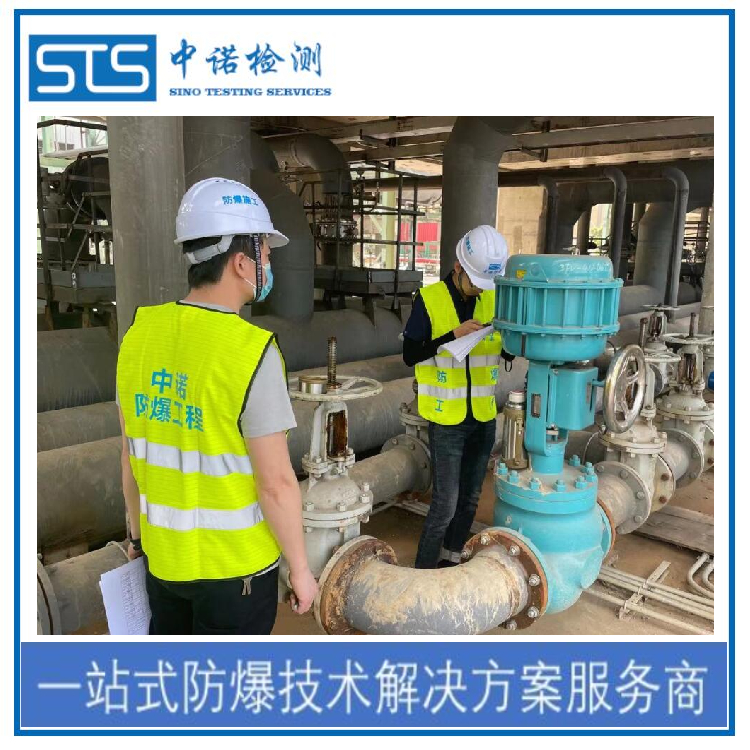
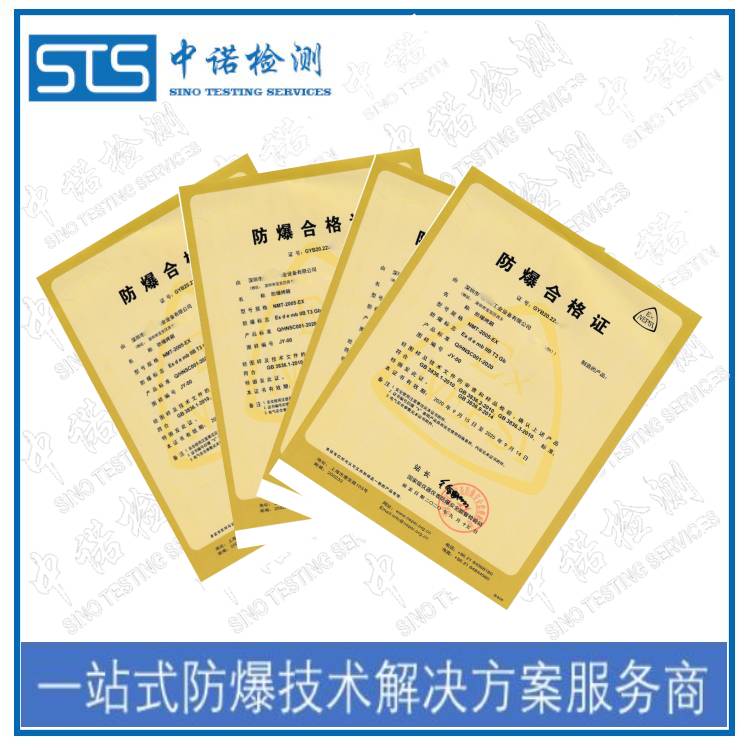
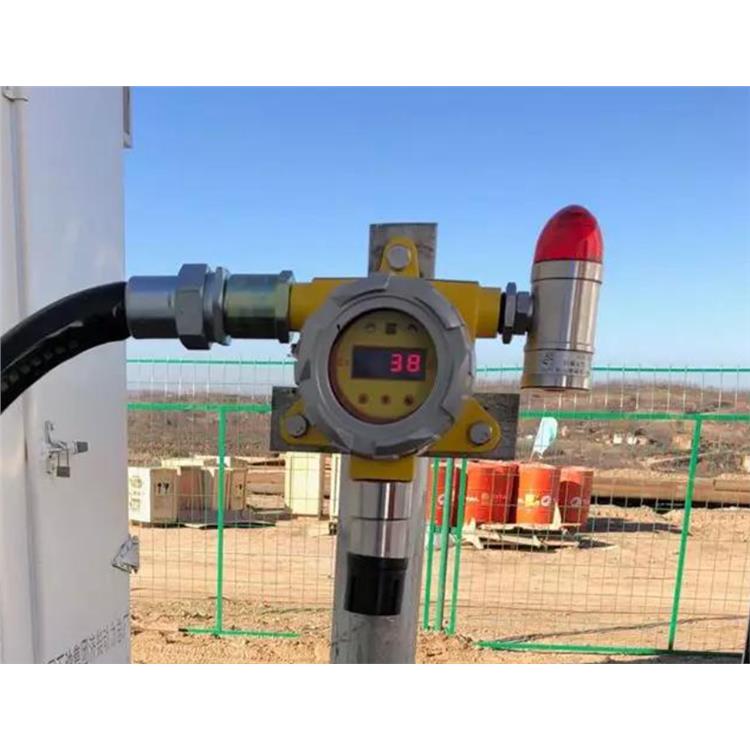
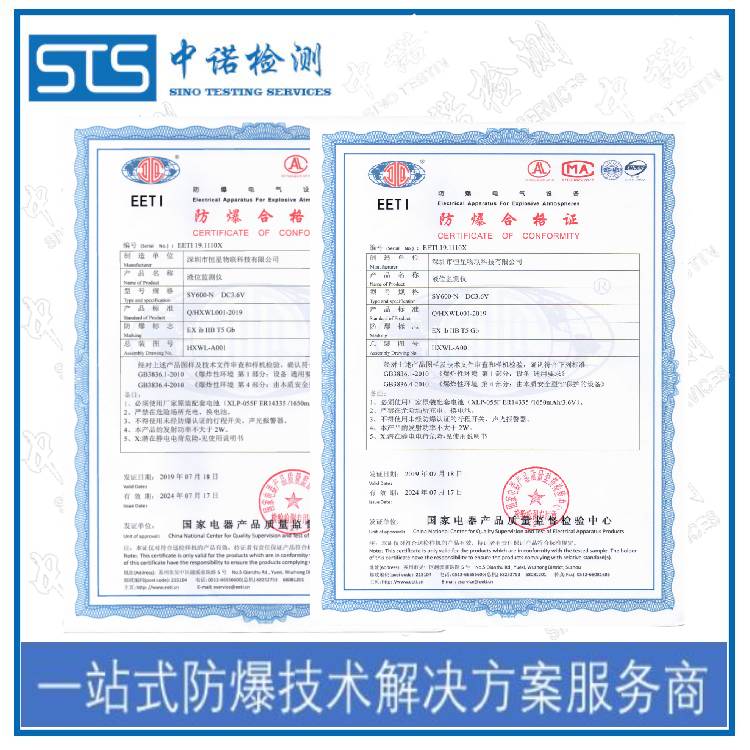
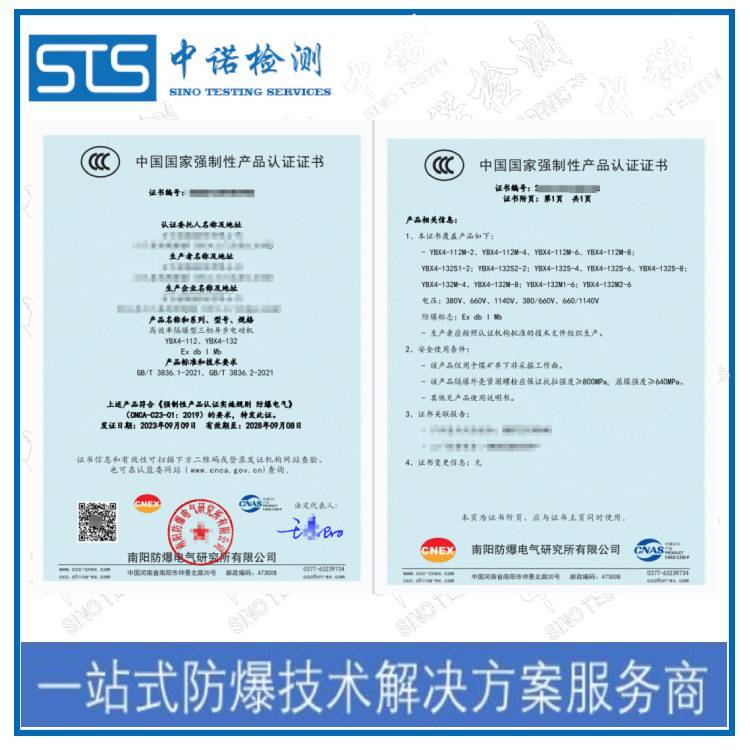

Shenzhen Zhongnuo Testing Technology Co., Ltd. offers on-site explosion-proof electrical inspection, explosion-proof project acceptance services, and can also provide explosion-proof rectification and construction services for non-compliant items.
Major contents of regular inspection for explosion-proof electrical equipment
1. Model Inspection
In strict accordance with relevant laws, the explosion-proof marking of explosion-proof electrical equipment must be standardized, and it can only be implemented after passing the explosion-proof standard inspection and obtaining the corresponding qualification. It is necessary to design the appropriate explosion-proof type, level, and temperature class for electrical equipment based on the specific working environment.
2. Installation Inspection
During electrical equipment installation, any oversight can potentially lead to losses. For instance, if the ventilation and exhaust system is not properly installed and not adequately ventilated, there's also a risk of explosion with the electrical equipment's casing during operation. Therefore, precision is crucial during installation, and it must be done according to relevant standards.
3. Line Inspection
Electrical equipment is often composed of a large number of interconnected wires, which can be particularly complex. If they are not securely connected, or if there are incorrect connections, or if the insulation of the wires has worn off, it can lead to short circuits or overloads, potentially causing arcs or sparks. Therefore, it is crucial to strengthen inspections of the circuit, especially the sealing of the wires, to ensure that the connections meet the required standards.
4. Grounding Inspection
Electrical equipment generates static electricity during operation. If there's an excessive amount of static, sparks may occur upon discharge. Therefore, proper grounding protection is essential to promptly discharge static electricity and prevent explosions. Common grounding methods include working grounding, static grounding, and lightning protection grounding, etc. Engineers must select the appropriate grounding method based on the specific working environment and ensure that the grounding is safe and secure.
After the explosion-proof project is completed, it requires a third-party institution with explosion-proof inspection qualifications (Shenzhen ZhongNuo Inspection Technology Co., Ltd.) to conduct the project acceptance. Only after passing the acceptance can the project be put into use.
Explosion-proof project acceptance criteria
1. The label of explosion-proof electrical equipment must include the explosion-proof qualification number issued by the inspection unit.
2. The types, classifications, and groups of explosion-proof electrical equipment should conform to the design.
3. The housing of explosion-proof electrical equipment should be free from cracks and damage; the paint should be intact. The cover of the junction box should be tightly secured, with the fixing bolts and anti-loosening devices in place.
4. Ventilation and exhaust systems for positive pressure electrical equipment should be unobstructed, properly connected, and the import and export installation locations meet requirements.
5. Excess entry ports of electrical equipment should be sealed as per regulations.
6. The installation of sealed devices in electrical circuits should comply with regulations.
7. The wiring engineering of inherently safe electrical equipment shall comply with the design for its routing and elevation; the lines should be marked with a sky blue sign.
8. The grounding or neutral connection of electrical equipment, as well as static-dissipative wiring, should meet design requirements and ensure a firm and reliable grounding.
Do explosion-proof areas require regular inspections? Which standard specifies this?
In explosive hazard areas, the installation and use of explosion-proof equipment is a basic requirement. In addition, strict explosion-proof requirements must be met for wiring, grounding, ventilation, wall penetration, and explosion venting and resistance in such locations.
Do these places require regular inspections?
Yes. According to the AQ 3009-2007 "Electrical Safety and Explosion-Proof Regulations for Hazardous Areas," in addition to daily inspections, these sites must undergo regular explosion-proof inspections by a qualified third-party organization to ensure safety.
The AQ3009 "Electrical Explosion-Proof Safety Regulations for Hazardous Areas" stipulates that regular inspections of hazardous areas should be entrusted to safety production inspection institutions with explosion-proof qualifications, with intervals generally not exceeding 3 years. We offer on-site explosion-proof inspection consulting services, covering safety checks for electrical explosion-proof, static electricity prevention, dust explosion hazard areas, flammable gases, and other safety facilities and equipment. We are responsible for explosion-proof equipment design and selection, maintenance and repair of in-use explosion-proof equipment, on-site explosion-proof safety inspections in explosive gas environments and flammable dust environments, and ensuring safe production for enterprises producing hazardous chemicals and those with explosive hazard areas.
On-Site Explosion-Proof Electrical Equipment Regular Inspection Consultancy Services - Shenzhen ZhongNuo Testing Technology Co., Ltd.
WeChat Official Account

Scan to follow Official Account