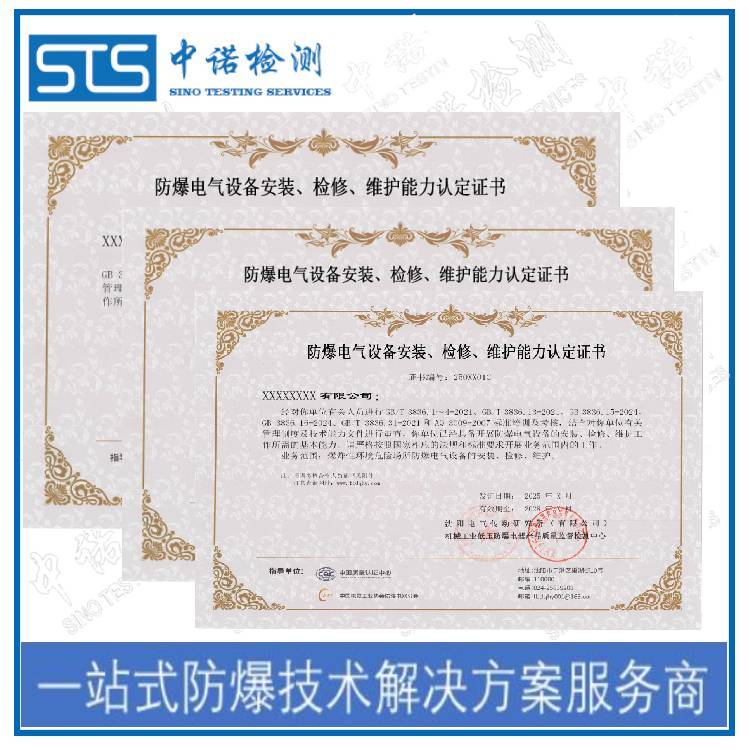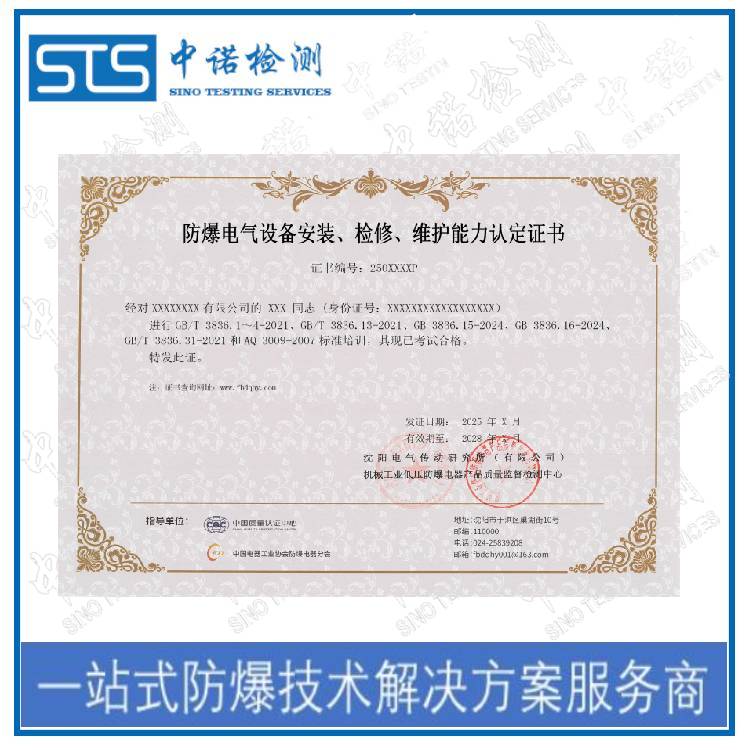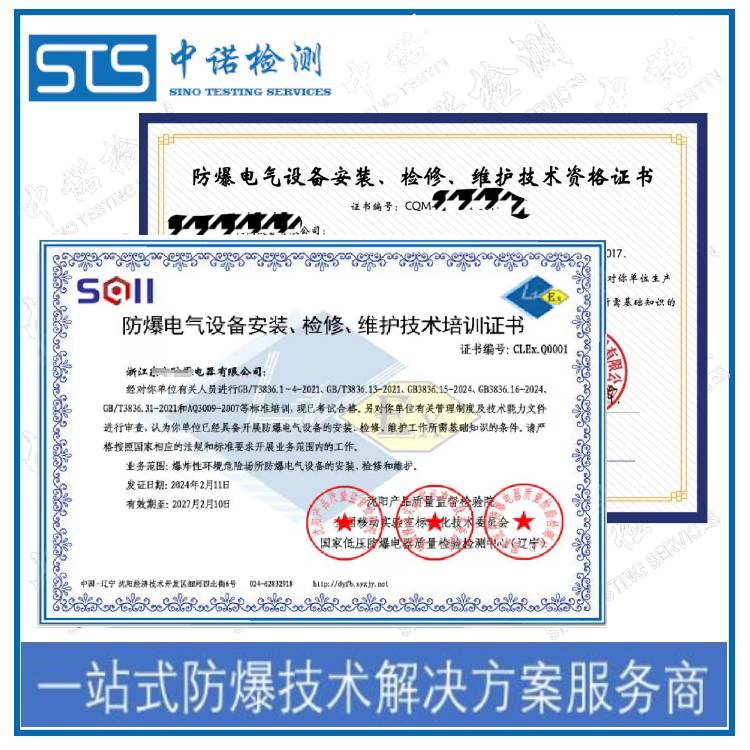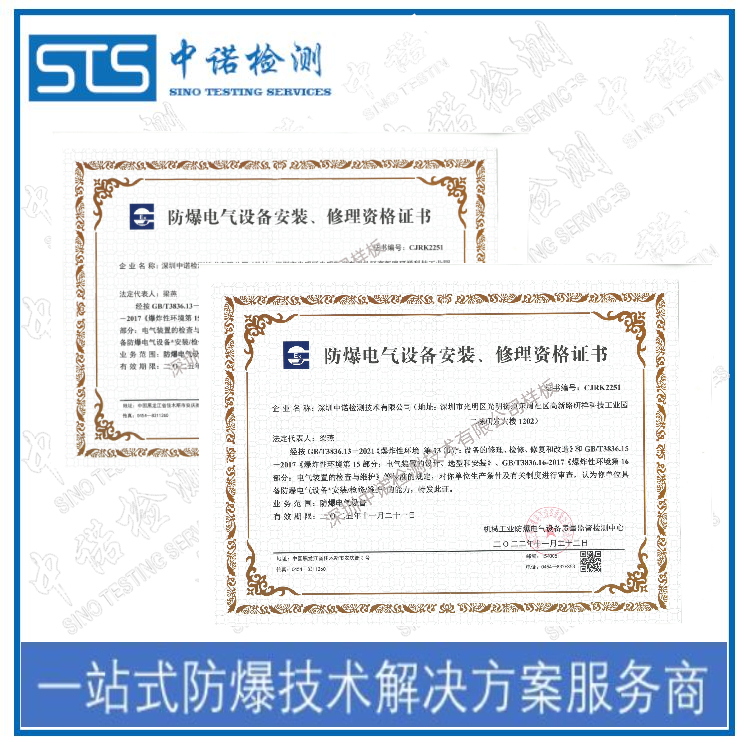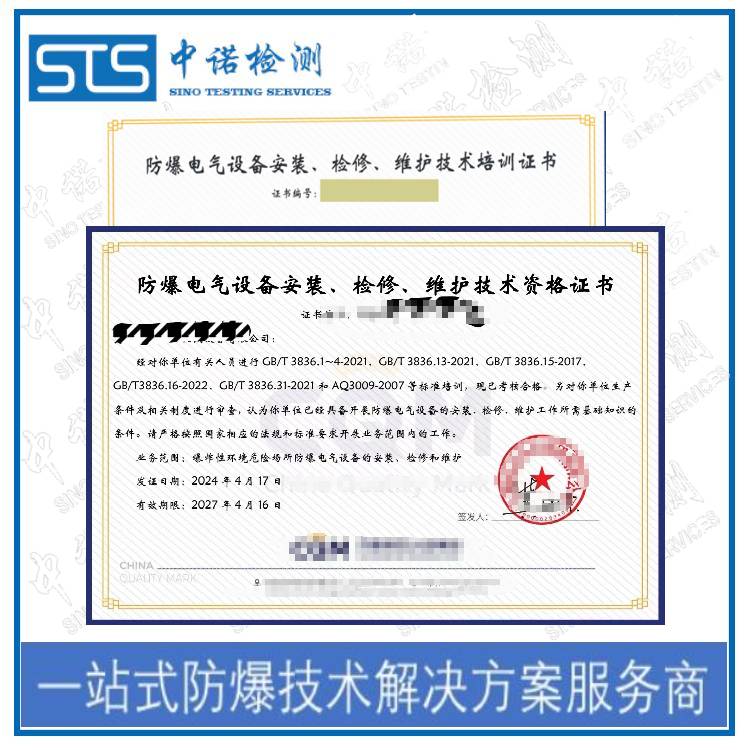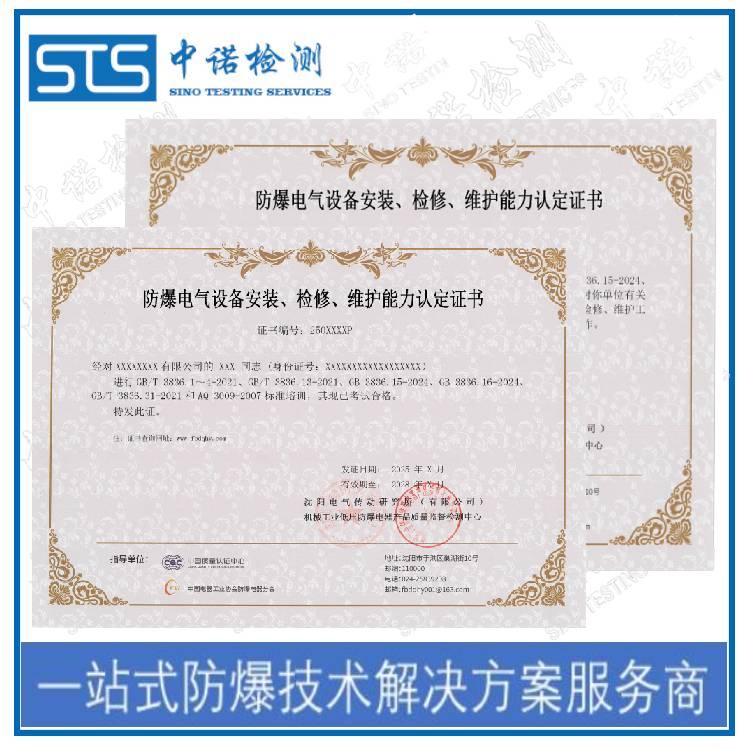
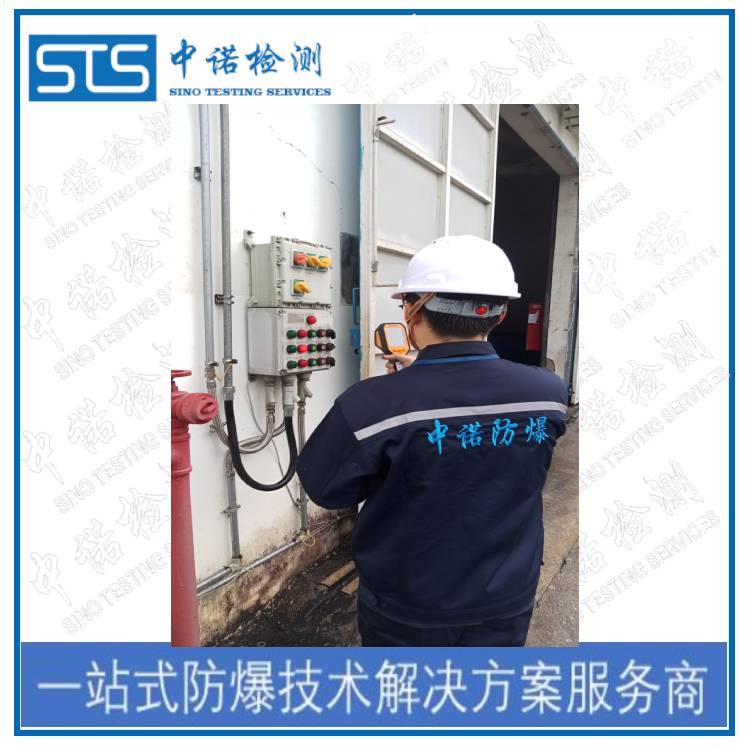
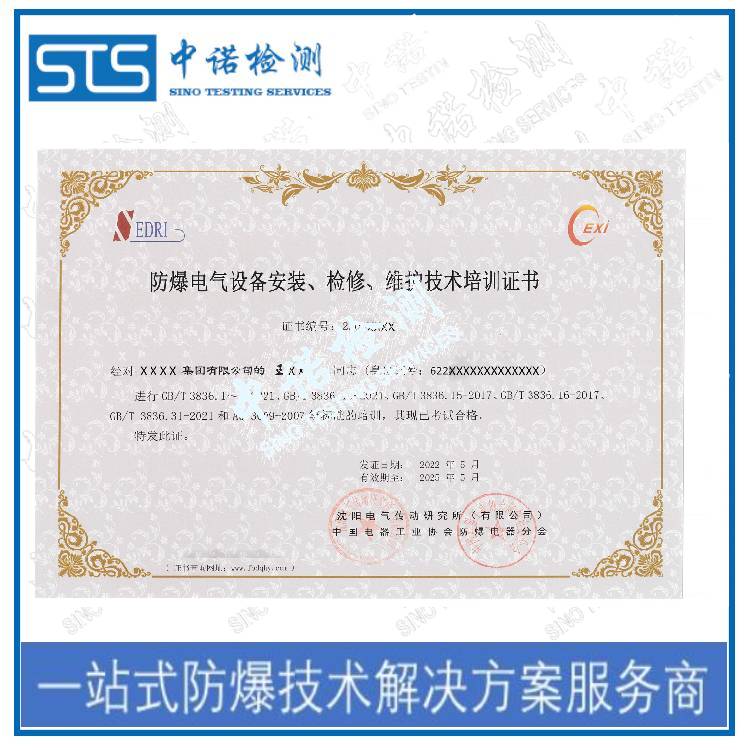
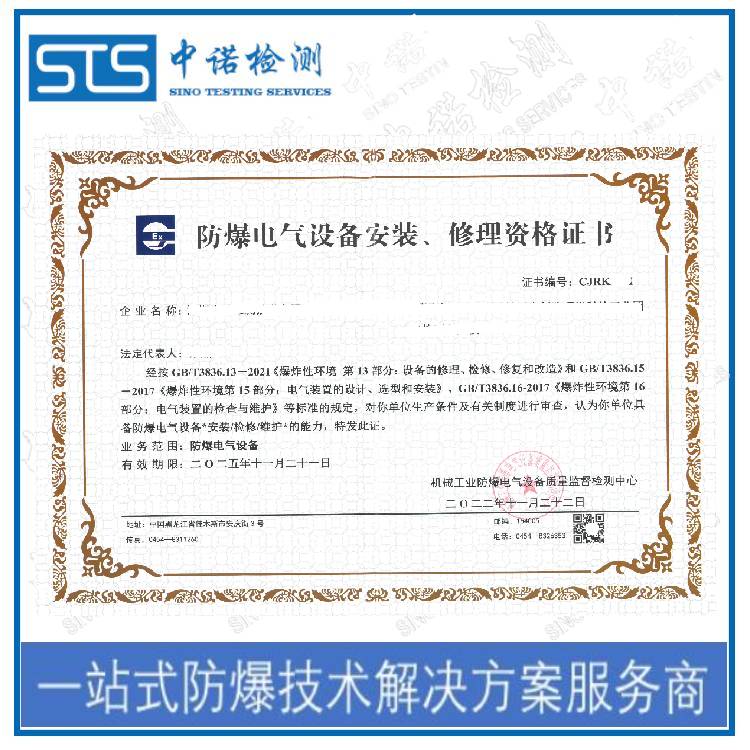
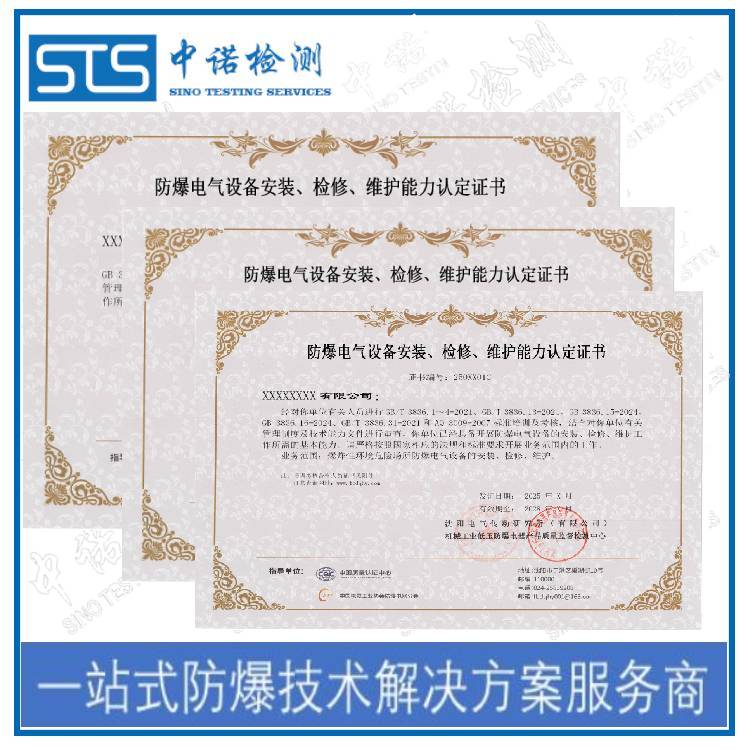





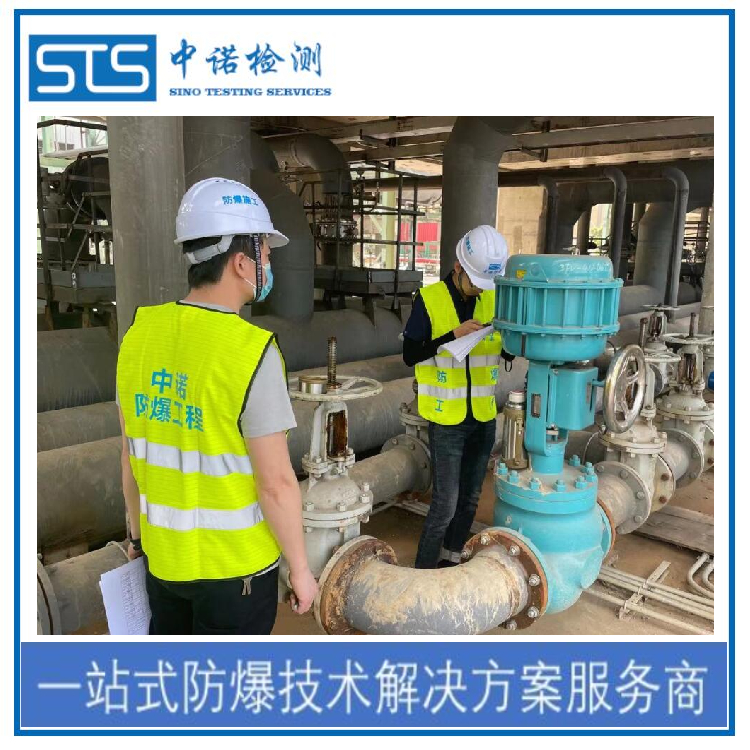
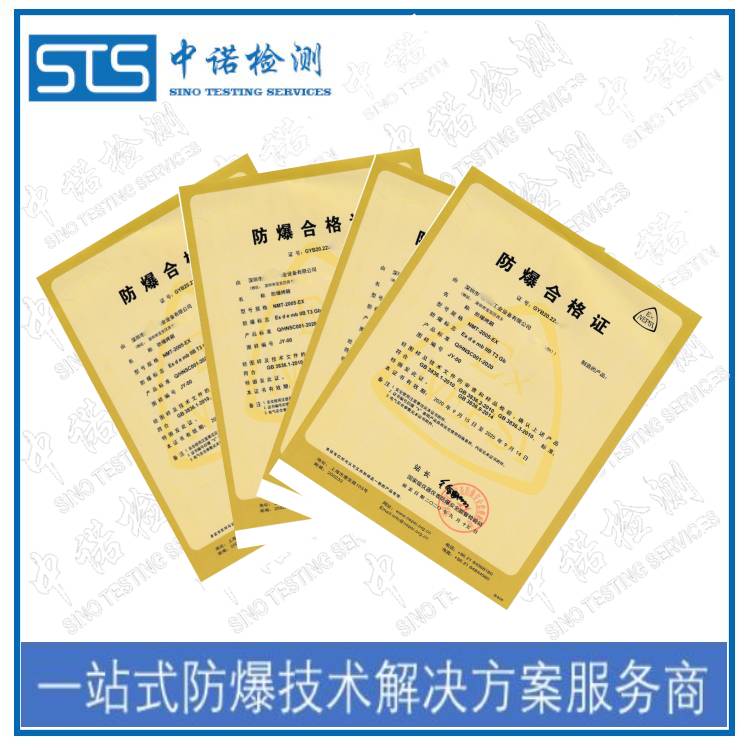

Shenzhen ZhongNuo Inspection & Technology Co., Ltd. is based in South China and offers explosion-proof technical consulting services including on-site construction, safety inspections, renovations, project acceptance, and installation. We are well-versed in explosion-proof construction standards, boasting experienced construction teams and a wealth of practical experience. We have served major corporations such as PetroChina, LG, Hanlan Environment, BOE Technology Group, and Sinovac Biotech, earning consistent praise and trust from our clients!
As the world's energy and chemical industries develop, construction in explosive hazardous environments is becoming more widespread, and the prevention and acceptance of such environments are increasingly crucial.
Especially in flammable dust environments, such as plastic factories, feed/food/grain processing plants, metal polishing workshops, papermaking/forestry wood powder/fiber dust factories, the demand for explosion-proof installation, design, and renovation projects is also increasing.
Whether it's large-scale explosion-proof or local explosion-proof, if there are hidden dangers in the quality of the product, installation, or modification.
Our personnel and property safety are greatly threatened, so we must control the quality at every production process, ensuring the reliability and safety of explosion-proof installation and renovation projects.
Shenzhen Zhongnuo Testing Technology Co., Ltd. offers explosion-proof construction and modification consulting services, boasting a wealth of qualifications and case studies—worth it!
Basic Dust Explosion Proof Construction Standards
In facilities where explosive dust is present, such as flour mills, feed factories, polishing workshops, and plastic production plants, the requirement for explosion-proof measures on-site is particularly crucial. The installation and use of explosion-proof wiring, electrical equipment, dust removal systems, structural layout, and explosion-proof venting must all comply with the relevant dust explosion-proof standards. Based on a wealth of explosion-proof electrical construction and retrofitting cases, Shenzhen Zhongnuo Testing Technology Co., Ltd. has summarized the following points:
1. Structure and layout of the building
Process equipment with a dust explosion hazard or buildings (structures) containing combustible dust should be separated from other buildings (structures), and their fire protection distances should comply with the relevant provisions of GB50016.
(2) The building should be a single-story structure, with a lightweight roof design preferred.
(3) The structural requirements for multi-story buildings are as follows:
A. Multi-story buildings are best suited for frame structures.
B. Buildings without frame structures must be equipped with explosion relief openings that meet the required specifications.
C. If windows or other openings are used as blast relief ports, they must be calculated and ensured to effectively release blast during an explosion.
(4) Evacuation routes must comply with the following requirements:
A. The work area should have evacuation routes, and the number and location of the evacuation routes should comply with the provisions of GB50016.
B. The door should open outward and no threshold should be installed.
C. Detailed road signs and emergency lighting should be installed for evacuation routes.
2. Process Equipment
If there are process equipment with a dust explosion risk in the factory building, they should be located on higher floors and close to the exterior walls.
(2) Equipment with potential explosive hazards should be located in outdoor areas outside of buildings.
(3) Equipment or devices that come into direct contact with dust (such as light sources, heating sources, etc.) should have a surface temperature lower than the corresponding dust's low ignition temperature.
(4) In areas where combustible dust is present, the transmission mechanisms of the equipment and installations shall comply with the following regulations:
A. The bearings of the process equipment should be dust-proof and sealed. If there is a possibility of overheating, a detector capable of continuously monitoring the bearing temperature should be installed.
B. Belt drive is not recommended. If belt drive is used, a speed difference sensor and an automatic anti-slip protection device should be installed. In case of sliding friction, the protection device should ensure automatic shutdown.
(5) At the input of the process flow, magnets, pneumatic separators, or screens capable of removing impurities mixed with the material should be installed to prevent collision between debris and equipment.
(6) Effective measures should be taken to prevent sparks from occurring when stainless steel comes into friction with metal powders such as aluminum, zirconium, or powders containing these metals.
(7) In the event of an explosion, protective stopping should be achieved by installing several power supply control boxes that can interlock with each other, depending on the size of the workshop. In emergency situations, the power supply to all motors should be able to be promptly disconnected.
(8) All joints, inspection doors, baffles, and explosion vent covers of the process equipment should be sealed tightly.
(9) The equipment housing should be made of non-flammable material
(10) The moving parts of the equipment should operate smoothly without any scraping, bumping, jamming, or rubbing.
(11) When the strength of the process equipment is insufficient to withstand the overpressure generated by internal dust explosion under its actual operating conditions, explosion relief openings should be provided, and the size of the relief openings should comply with the relevant provisions of GB/T15605.
(12) The venting port should be located near the potential source of explosion, and it should be as high as possible, ideally at the top or upper part of the containment structure. It must not vent towards flammable and explosive hazardous areas to prevent igniting others, and it must not vent towards public spaces to avoid causing injury from the explosion.
3. Lightning and static electricity protection
Dust explosion hazard areas should adopt corresponding lightning protection measures in accordance with the relevant provisions of GB50057. When static electricity hazards are present, the following regulations should be observed:
All metal equipment, device casings, metal pipes, brackets, components, parts, etc., generally use anti-static direct grounding. For those that are not convenient or prohibited by the process to be directly grounded, grounding can be achieved indirectly through conductive materials or products.
(2) Equipment directly used for containing electrostatic powder, such as conveyance pipes (belts) for the powder, should be made of metal or antistatic materials.
(3) All metal pipe connections should be bonded together.
(4) Operators should take anti-static precautions.
(5) Avoid using direct grounding metal conductors or screens to contact high-speed flowing powders for static electricity dissipation.
Based on the fundamental requirements of GB 15577 "Safety Regulations for Dust Explosion Prevention," for explosion-proof construction and modification in explosive dust environments, the following five major explosion-proof measures can be primarily adopted (shared by Shenzhen ZhongNuo Testing Technology Co., Ltd.).
Anti-knock
1. Definition: A suppression technology that allows the enclosed container to withstand the high explosion pressure when an explosion occurs within it due to the presence of combustible dust and gaseous oxidizers or air, preventing the container from being destroyed.
2. Objective: By enhancing container wall thickness and improving material, external damage is minimized even in the event of a dust explosion.
3. Basic Requirements:
When producing and handling powdered materials that can cause explosions, if there is no explosion suppression device and no pressure relief measures, all process equipment should be designed to be explosion-proof and capable of withstanding overpressure generated by internal explosions without rupture.
(2) The connecting parts between various process equipment (such as pipes, flanges, etc.) should have the same strength as the equipment itself. For connections between high-strength and low-strength equipment, explosion-proof devices should be installed.
(3) Equipment with explosion-proof pressure and shock resistance should comply with the relevant requirements of GB/T 24626.
Explosion Ventilation
1. Definition: A suppression technology that, upon an explosion occurring within the containment vessel, allows the high temperature, high-pressure combustion products, and unburned materials generated by the explosion to be vented through pre-set weak points in the containment vessel to a safe direction before the explosion pressure reaches the vessel's limit strength, thereby preventing the vessel from being destroyed.
2. Purpose: To reduce explosion damage by installing explosion relief devices.
3. Methods: Two explosion relief methods are available: flaming and non-flaming.
4. Basic Requirements:
When the strength of the process equipment is insufficient to withstand the overpressure generated by internal dust explosion under actual operating conditions, explosion relief openings should be provided. The relief openings should be directed towards a safe direction, and their sizes should comply with the requirements of GB/T 15605.
(2) Dust explosion hazard process equipment installed indoors should vent to a safe outdoor direction through pressure relief ducts. The pressure relief ducts should be as short and straight as possible, with a cross-sectional area not less than that of the relief opening, and their strength should not be less than the strength of the container of the protected equipment.
(3) Equipment inside the room that cannot vent explosions to the outside through pressure relief conduits should be fitted with flameless explosion venting caps.
(4) Process equipment with inline piping should be designed to withstand at least 0.1 MPa of internal overpressure.
Three: Explosion Suppression
1. Definition: In the initial stage of an explosion, extinguish the flame and suppress (prevent) the development of dust explosion through physical and chemical actions.
2. Purpose: To pre-detect and extinguish fires, as well as suppress explosions by installing explosion suppression devices.
3. Basic Requirements:
Process equipment with a risk of dust explosion should be protected by using explosion suppression devices.
(2) If a monitoring-type explosion suppression device is used, it should comply with the requirements of GB/T 18154.
(3) Explosion suppression system design and application shall comply with the requirements of GB/T 25445.
Four, Explosion-proof
1. Definition: Technology to prevent the spread of an explosion after it occurs, through physical and chemical actions.
2. Purpose: To prevent the spread of flame through pipes or other conduits
3. Basic Requirements:
(3) Equipment and facilities with a dust explosion hazard that are interconnected by pipelines should ideally be equipped with explosion suppression devices on the pipelines.
(2) Equipment and facilities with dust explosion hazards that are interconnected via pipelines should be equipped with explosion-proof devices on the pipelines. The shutdown direction should align with the direction of explosion propagation.
Five: Inertization
For processes such as crushing, grinding, drying of powders, and pneumatic conveying through pipelines within sealed containers, inert gases such as nitrogen, carbon dioxide, halogenated hydrocarbons, argon, helium, and steam are introduced, as well as inert dusts like fire suppressant powder, chemical dry powder, and mineral rock powder. This is to dilute combustible components and reduce the oxygen content in the environment.
Basic Requirements for Explosion-Proof Electrical Installations in Explosive Areas (Shared by Shenzhen Zhongnuo Testing Technology Co., Ltd.)
1. Oil-immersed equipment should be used under conditions of no vibration, no inclination, and fixed installation.
2. When using non-explosion-proof equipment for mechanical transmission in partition walls, the following regulations shall be observed:
The room housing electrical equipment should be separated from the explosive hazard area by a solid wall made of non-combustible materials.
(2) The drive shaft should be sealed with a gland packing or an equivalent sealing measure at the partition location.
(3) The exit of the electrical equipment room should lead to an environment free of explosive hazard areas.
(4) When the room housing the equipment must be in communication with an explosive atmosphere, the explosive atmosphere should be maintained at a positive pressure relative to the room.
3. Electrical lines and equipment in explosive environments, excluding inherently safe circuits, should be equipped with overload, short-circuit, and grounding protection. Electrical equipment that cannot overload may not require overload protection. Motors in explosive environments, in addition to necessary protection as required by current standards, should also have phase-loss protection. If the automatic shutdown of electrical equipment may pose a greater danger than the ignition hazard, an alarm device should be used instead of the automatic shutdown device.
4. In emergency situations, appropriate measures should be taken at a suitable location outside the hazardous area to disconnect the power to the equipment in the hazardous area. Continuous operating equipment should not be included in the emergency shutdown circuit and should be installed on a separate circuit to prevent the occurrence of additional hazards.
5. The design of substation, distribution substation, and control room shall comply with the following regulations:
Transformer stations, distribution stations (including distribution rooms, etc.), and control rooms should be located outside of explosive atmosphere environments. When they are in positive pressure rooms, they can be arranged in Zones 1 and 2.
(2) For explosive gas atmospheres heavier than air, the equipment floor of the transformer station, substation, and control room located in the additional 2 zone of the explosion hazard area should be elevated 0.6 meters above the external ground level.
Explosion-proof electrical改造 and on-site explosion-proof construction consulting services for hazardous areas — Shenzhen Zhongnuo Testing Technology Co., Ltd.
WeChat Official Account

Scan to follow Official Account