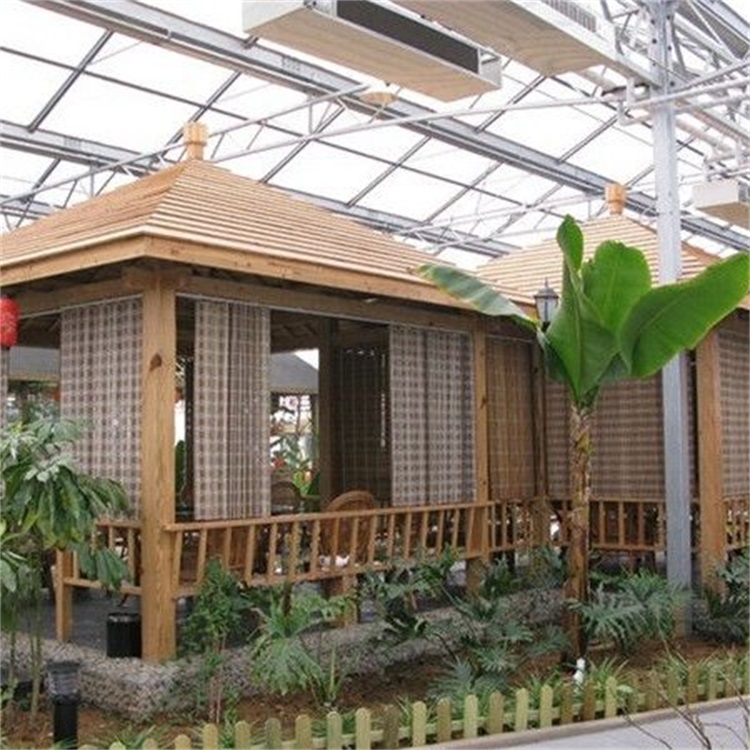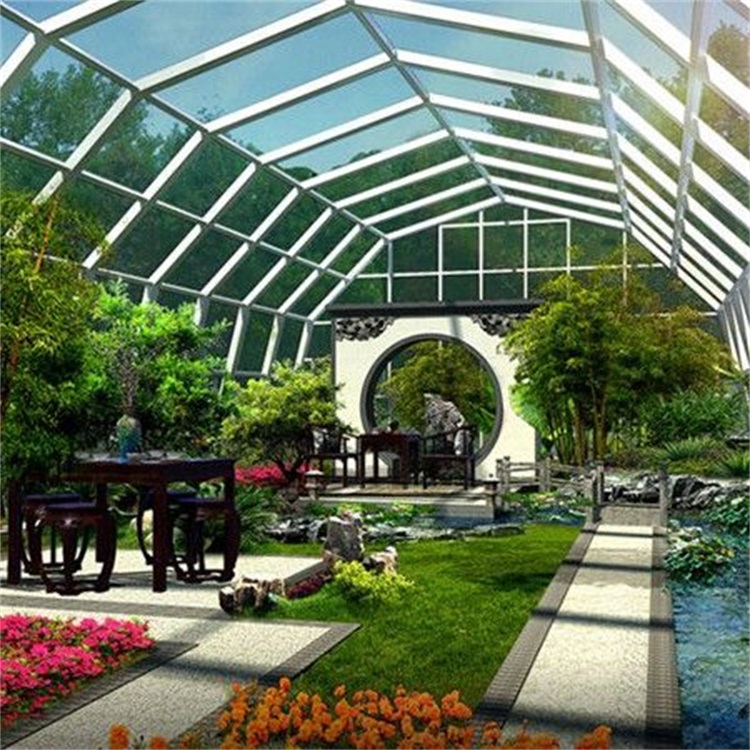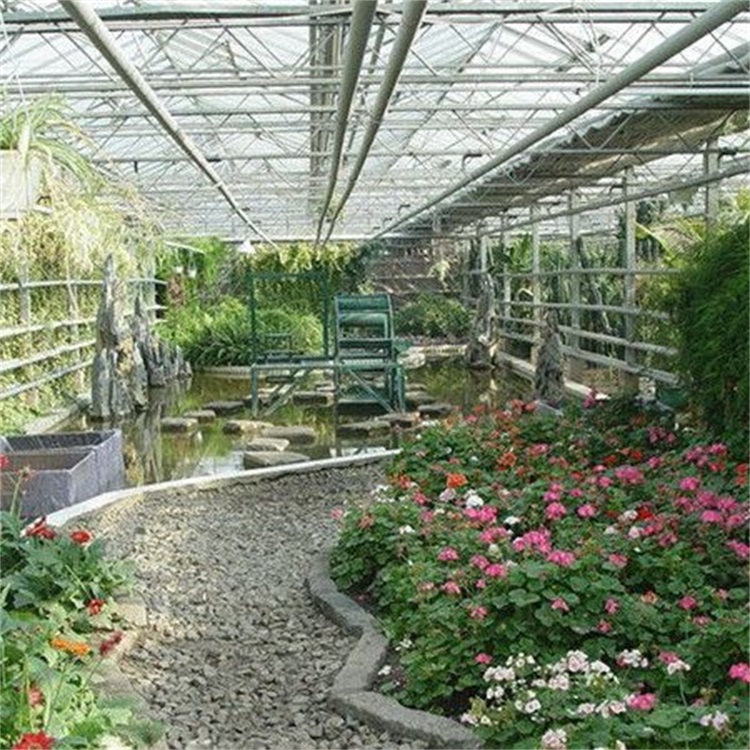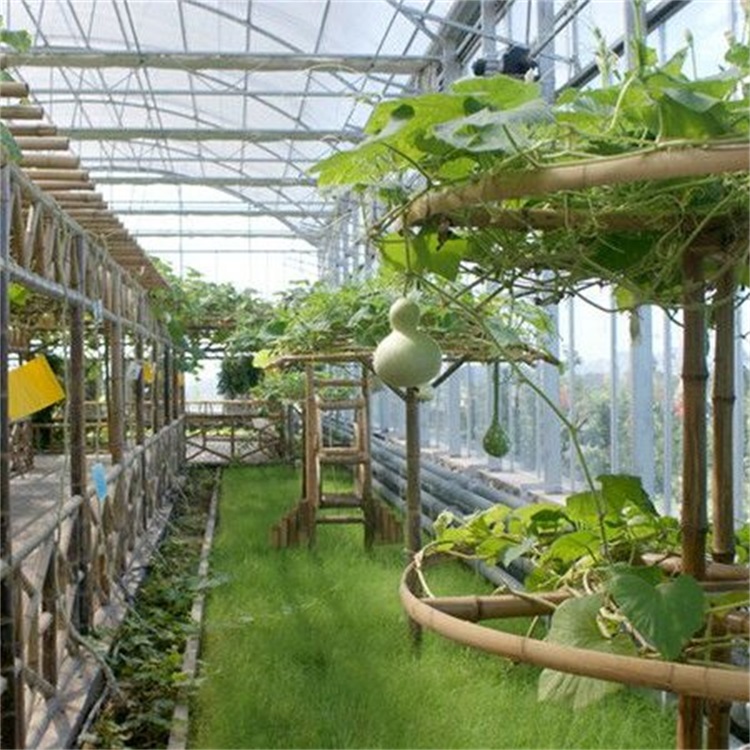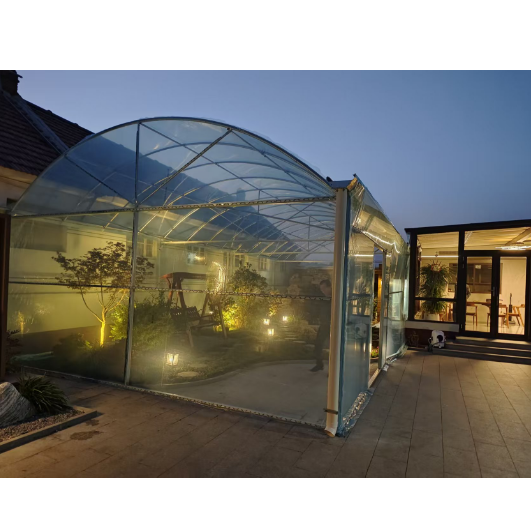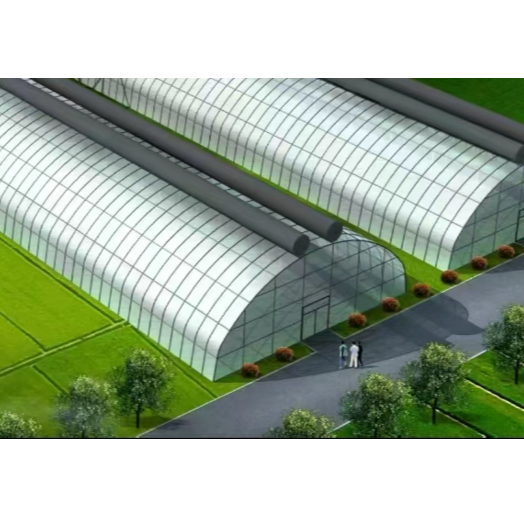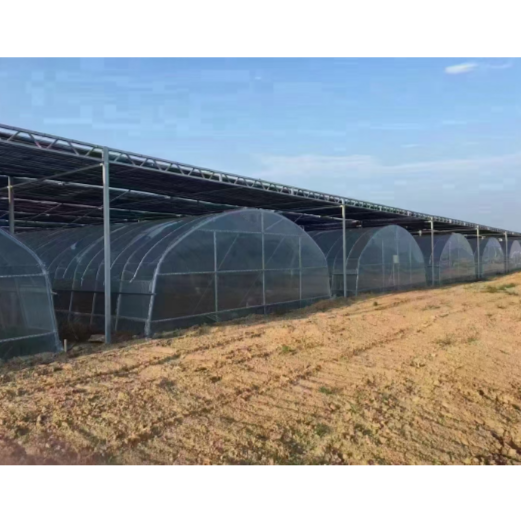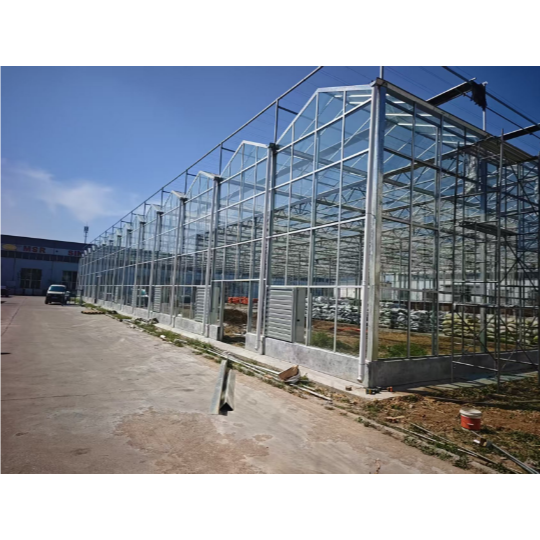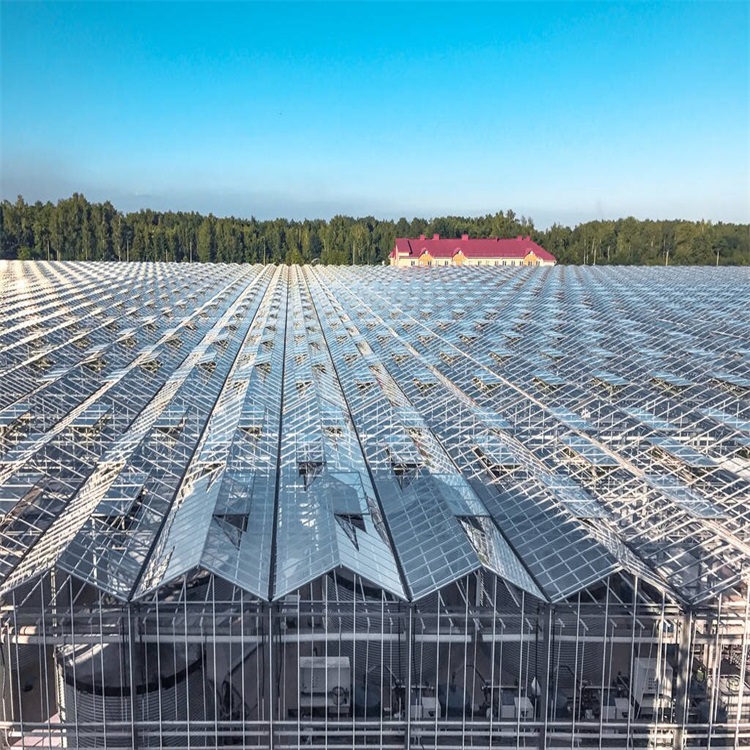

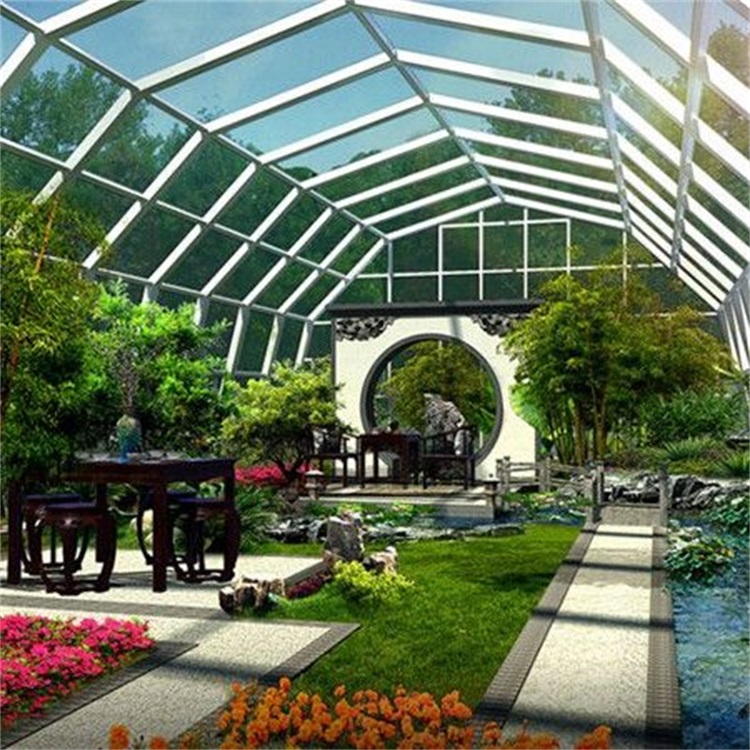


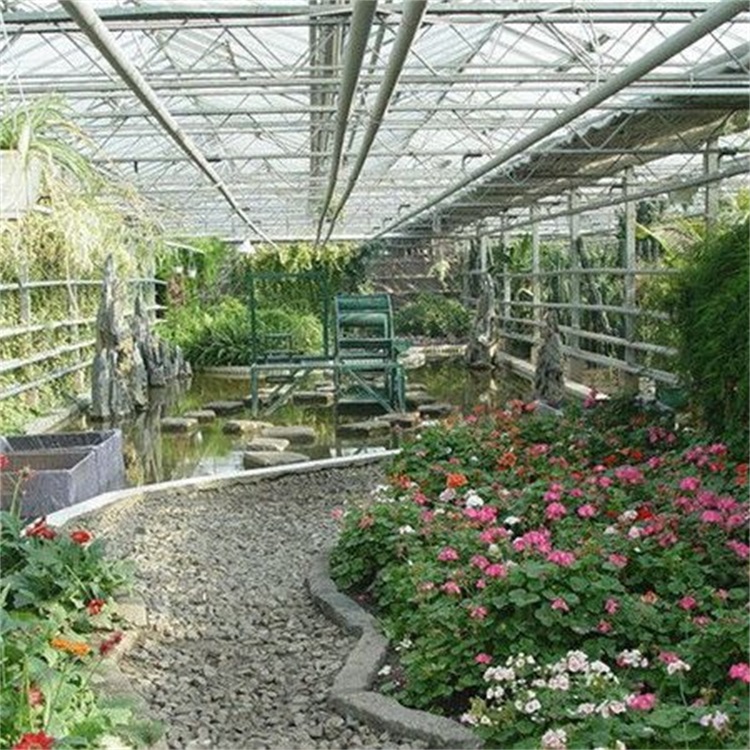
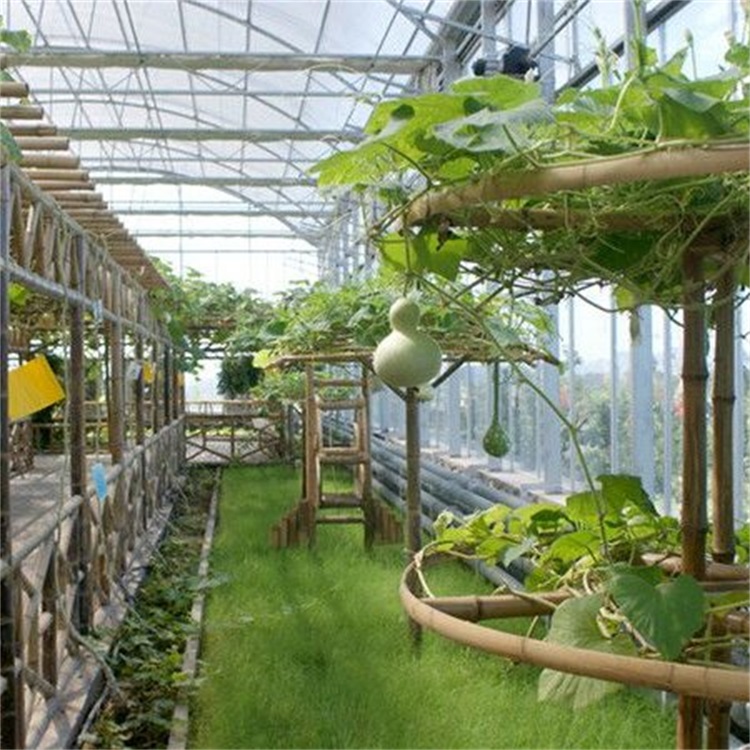










The construction of eco-friendly restaurant greenhouses integrates knowledge from architecture, horticulture, facility horticulture, ecology, and other related disciplines for planning, design, and construction. It maintains the restaurant's beautiful environment through facility control technology, agronomic cultivation, and management techniques. It features a plant configuration primarily with green landscape plants and supplemented by vegetables, fruits, flowers, herbs, and medicinal plants. It combines garden landscapes such as artificial hills, waterfalls, small bridges with flowing water, and bamboo and wooden pavilions, creating a comprehensive, three-dimensional dining environment that is green, beautiful, and pleasant.
The success or failure of an eco-friendly restaurant greenhouse construction fundamentally hinges on the design of its interior landscape. Scientifically rational and aesthetically pleasing designs are essential for the smooth operation of the greenhouse eco-restaurants. Otherwise, it leads to excessive resource waste. Therefore, the quality of the planning and design of the eco-friendly restaurant landscape plays a crucial role in the development of such restaurants. Currently, research in China on eco-friendly restaurant landscape design is gradually maturing. By combining practical experience in landscape design with systematic exploration from various aspects of the eco-friendly restaurant landscape, we aim to provide a more comprehensive theoretical and practical basis for future construction. Additionally, an analysis of the attributes of eco-friendly restaurant landscapes has been conducted, delving into elements, characteristics, and types, laying a solid foundation for landscape design.
Ecological Restaurant Greenhouse Construction Wind Cooling Technology: To address the issues of poor ventilation and air quality in ecological restaurants, our technical team can solve this through a scientific window system. This not only benefits ventilation but also resolves the issue of summer cooling. It significantly reduces the mandatory cooling time during summer, thereby decreasing the restaurant's operational costs.